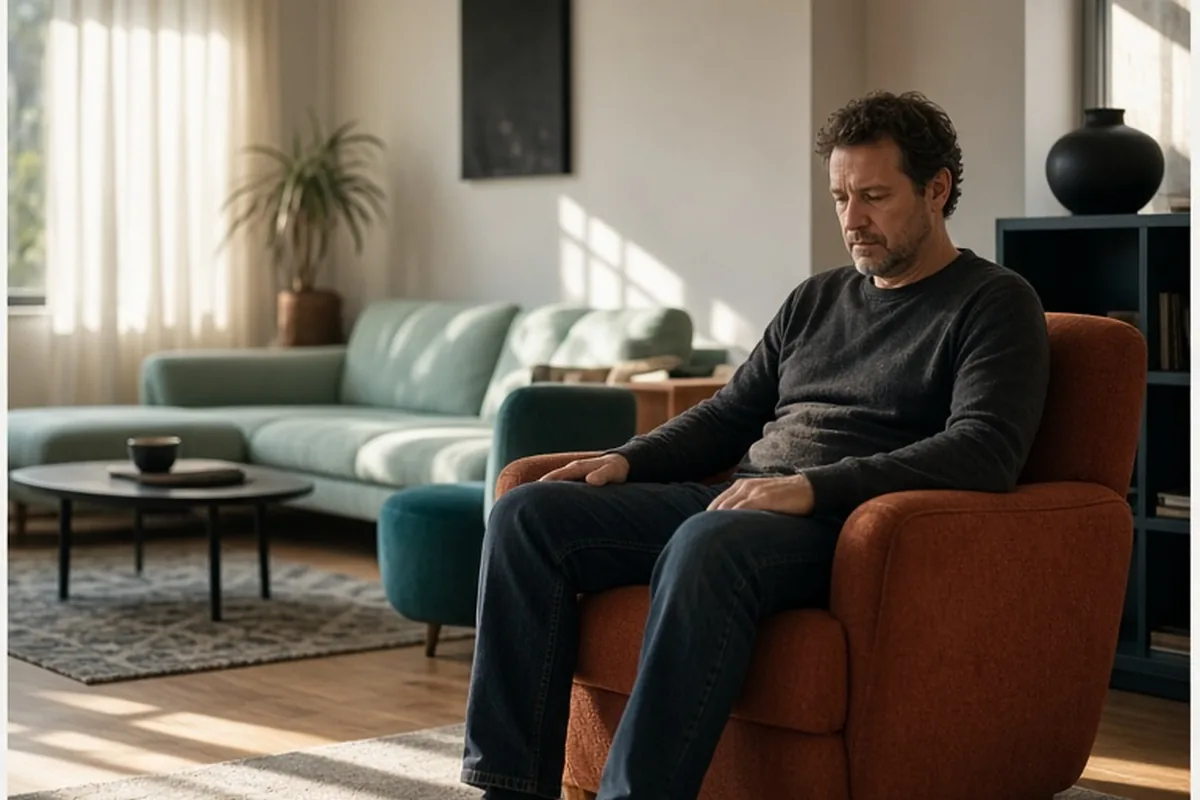
When a husband refuses to dance, the hesitation usually stems from self-consciousness, performance anxiety, or simply feeling physically awkward rather than a lack of affection. To bridge this gap, avoid public pressure or teasing, which often triggers defensive retreat. Instead, lower the stakes by trying low-pressure movement at home or exploring alternative ways to share playful, physical connection that both of you genuinely enjoy without forced expectations.
Standing near the edge of a lively reception or watching a slow song play in an empty living room while your spouse firmly stays seated can feel surprisingly isolating. For many partners, dancing is not just physical movement; it represents romance, spontaneous joy, and shared vulnerability. When one partner consistently resists joining in, it is easy to misinterpret that reluctance as indifference or emotional withdrawal, even when the real root is far more personal.
Understanding the Root Causes of Dance Floor Hesitation
Reluctance to dance rarely reflects how much a person cares about their partner. More often, it is driven by a deep discomfort with being observed in an unstructured environment. Many men grow up without formal movement training or positive social reinforcement around dancing. Stepping into the center of a crowded room where everyone seems coordinated can provoke immediate performance anxiety, leaving a person feeling exposed, clumsy, or judged.
Social conditioning also plays a major role in how men perceive physical self-expression. In many cultures, physical composure is tied to control and restraint, whereas dancing requires loosening control and embracing an element of silliness. When an individual feels that letting their guard down makes them look foolish, their nervous system treats the dance floor as an emotional threat rather than a source of recreation.
Recognizing this distinction changes the nature of the conversation. When you understand that his refusal is an act of self-protection rather than rejection of you, it becomes easier to replace irritation with empathy. A partner who digs their heels in at a wedding is usually trying to protect their dignity in an overwhelming setting, not withhold intimacy.
The Cost of Turning the Dance Floor into a Relationship Test
A common pattern in relationships occurs when one partner attaches symbolic weight to an activity that the other genuinely dislikes. It is easy to think that if someone truly loves you, they should be willing to endure five minutes of discomfort on the dance floor. However, framing social dancing as a mandatory test of devotion rarely produces genuine romantic connection. Instead, it creates a dynamic of coercion and resentment.
When a person feels badgered, pulled by the arm, or publicly mocked for staying in their seat, their natural defense is to shut down further. Even if they eventually give in and step onto the floor, the resulting dance is often stiff, uncomfortable, and visibly begrudged. Neither person gets what they were hoping for: the requesting partner feels shortchanged by the lack of enthusiasm, and the reluctant partner feels resentful for having their boundaries ignored.
To break this cycle, it helps to separate the underlying desire—which is usually closeness, fun, and shared physical presence—from the specific vehicle of dancing. Dancing is only one of many ways to cultivate romantic energy. Demanding participation turns a playful invitation into an obligation, draining the very spontaneous delight you were hoping to experience.
Shifting from High-Stakes Public Venues to Low-Stakes Private Spaces
Public venues like weddings, nightclubs, and crowded parties are the most intimidating environments for a reluctant dancer. The presence of strobe lights, unfamiliar music, and dozens of onlookers amplifies performance anxiety. If your husband avoids dancing in public, expecting him to suddenly let loose at a black-tie reception is setting both of you up for frustration.
A more effective approach involves shrinking the audience to zero. Creating a private, relaxed environment removes the fear of public judgment. You might put on a favorite record while cooking dinner, hold him close for a simple slow sway in the kitchen, or lean into a quiet moment where no one is watching, evaluating, or recording video on a smartphone.
In private, keep expectations minimal. A slow sway for thirty seconds with no fancy footwork is far more rewarding than trying to orchestrate an elaborate routine. The goal is simply to feel physically connected without any pressure to perform. If he feels secure that the moment will remain private and unjudged, he is far more likely to participate willingly.
Exploring Structured Lessons Versus Pressure-Free Alternatives
Many couples consider signing up for dance classes as a solution, but lessons can be a double-edged sword depending on your husband's personality. For a person who loves structure and clear rules, learning specific steps in a ballroom, salsa, or swing class can demystify movement. Having concrete instructions on where to put his hands and how to count beats can transform chaotic ambiguity into a manageable skill.
For others, however, classes can amplify insecurity. If a partner feels clumsy by nature, standing in a mirrored studio with an instructor pointing out posture flaws may feel uncomfortably close to being back in gym class. Before buying a package of lessons as a surprise gift, have an honest discussion about whether structured instruction appeals to him or if it feels like an added chore.
If formal lessons sound unappealing, look for alternative physical activities that provide similar shared rhythm and teamwork without the social freight of dancing. Activities like partner yoga, rock climbing, tennis, or even taking an evening walk together still engage the body, create physical synchrony, and offer shared momentum without forcing either of you into an uncomfortable mold.
How to Communicate Your Desire Without Guilt or Nagging
How you raise the topic determines whether your partner responds with curiosity or defensiveness. Conversations that start during the event itself—when music is blaring and emotions are high—almost always fail. Instead, bring up your desire during a neutral, quiet moment when neither of you is feeling stressed or defensive.
Focus on expressing your own feelings and positive desires rather than criticizing his behavior. There is a profound difference between saying 'You never dance with me and you ruin every wedding' and saying 'I love being close to you, and I really cherish those quiet moments when we sway to music together.' The first statement invites an argument, while the second invites affection.
Be prepared to listen to his perspective without immediately trying to fix or dismiss it. If he shares that he feels awkward, uncoordinated, or socially anxious, validate those feelings. Acknowledging that his discomfort is real makes it easier to brainstorm compromises that respect his comfort zone while still honoring your longing for connection.
Giving Yourself Permission to Dance Freely on Your Own
A healthy marriage does not require both partners to share every single interest or social preference. If you love dancing and your husband genuinely detests it, you do not have to forfeit your own joy to keep him company at the table, nor does he need to suffer on the floor to prove his affection.
Establish an agreement before attending social events. Let him know warmly that you plan to spend time on the dance floor with friends or family, and make sure he feels comfortable enjoying his evening chatting at the table, visiting the bar, or relaxing. This frees you from feeling guilty about enjoying yourself and frees him from feeling pressured to participate.
Check in with each other throughout the evening so neither person feels neglected. Returning to the table between high-energy songs to share a drink, exchange a smile, or hold hands maintains your connection as a couple. Allowing each other to have different comfort zones at a party is a sign of relationship maturity and mutual trust.
Illustrative Scenarios
Navigating the Wedding Reception Standoff
At a friend's wedding, Rachel felt stung when Marcus repeatedly declined to join her on the dance floor. Assuming he was simply being stubborn, she spent the first hour pleading with him at the table, which caused Marcus to cross his arms and withdraw further. Recognizing the tension, Rachel paused, took a deep breath, and changed her approach. Instead of insisting on an uptempo song, she waited until a quiet slow ballad played, walked over, and simply asked if he would hold her near the back edge of the room away from the crowd. Marcus agreed, and they shared a peaceful, private moment without spectacle.
Key point: Lowering the social pressure and removing the performance aspect often transforms resistance into comfortable connection.
Kitchen Swaying and Letting Go of Perfection
Liam had always refused to dance at parties, feeling completely uncoordinated. His wife, Maya, had stopped asking, which left an unspoken rift between them regarding physical playfulness. One Sunday morning, Maya put on a mellow acoustic playlist while Liam was making coffee. Instead of pulling him into a full routine or joking about his rhythm, she simply walked up, wrapped her arms around his waist, and rested her head on his chest while swaying gently. Liam relaxed immediately, leaning into the contact because there were no expectations of skill or rhythm.
Key point: Intimacy flourishes when physical connection is stripped of public expectations and technical rules.
Frequently asked questions
Is it normal for a partner to love music but hate dancing?
Yes, this is very common. Appreciating music is an auditory and emotional experience, whereas dancing requires physical coordination and public vulnerability. A person can deeply love a song while feeling completely uncomfortable translating that rhythm into bodily movement.
How can I dance at parties without making my husband feel abandoned?
Communicate your intentions ahead of time so expectations are aligned before you arrive. Check in periodically between songs with a warm touch or a shared drink, ensuring he feels included and appreciated even while you enjoy the dance floor.
Should I surprise my spouse with couples dance lessons?
It is generally better to discuss the idea openly rather than presenting lessons as a surprise. If someone already feels self-conscious about their coordination, an unexpected formal class can feel stressful rather than romantic.
Your next step
Pick a relaxed, private moment this week to share a gentle, pressure-free sway at home, and have an honest conversation about what kind of shared movement feels comfortable for both of you.