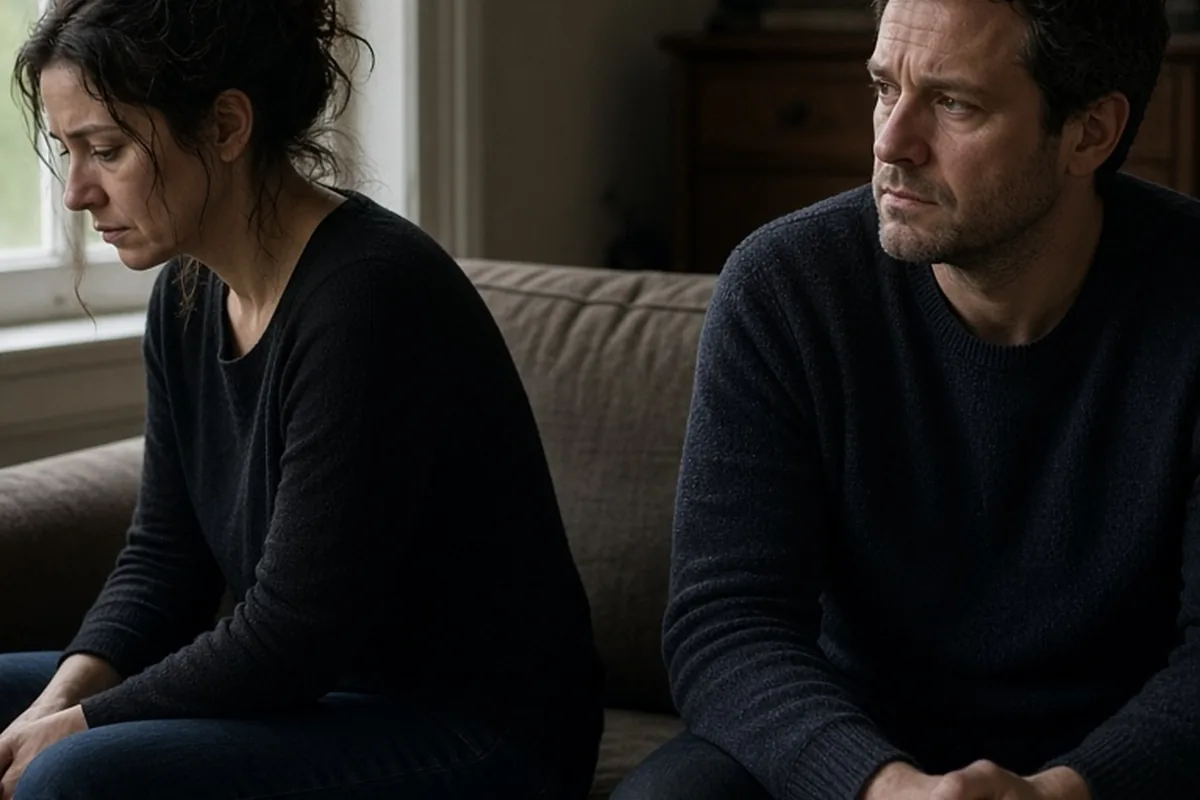
Feeling like your wife hates you usually points to chronic resentment, emotional burnout, or accumulated misunderstandings rather than active malice. Intense frustration often builds when bids for connection, balance in responsibilities, or attempts to resolve conflict repeatedly fail over time. De-escalating this dynamic requires stepping back from defensiveness, identifying underlying patterns of withdrawal or criticism, and inviting clear, low-pressure conversations focused on mutual experience rather than blame.
When daily interactions feel cold, contemptuous, or filled with tension, it is easy to assume the bond is completely broken and that dislike has replaced affection.
Distinguishing Deep Resentment from Emotional Indifference
When partners reach a state of intense irritation, their frustration often looks and feels like hatred. In marriage, acute anger, sharp retorts, and visible annoyance are usually secondary reactions to unmet needs, unacknowledged domestic burdens, or unresolved past hurts. When someone feels chronically unheard, their tone often sharpens into contempt, which is one of the most painful behaviors to receive. However, high emotional reactivity still signals that the person is deeply invested in the outcome of the relationship, even if their current method of expression is damaging.
True emotional indifference, by contrast, tends to be quiet, passive, and completely detached. If your wife still argues, expresses disappointment, or shows active irritation about household routines, parenting, or communication, she is still emotionally engaged with the friction in the marriage. Recognizing this distinction matters because active frustration can be redirected into constructive problem-solving once the emotional temperature drops. Attempting to force an immediate emotional reconciliation while resentment remains unaddressed, however, typically creates further exhaustion for both partners.
Recognizing the Common Cycles of Escalation and Withdrawal
Marital distress often operates in predictable feedback loops. A classic pattern involves one spouse seeking engagement through criticism or heightened emotion while the other spouse withdraws, stonewalls, or becomes defensive to protect themselves from conflict. Over months or years, the withdrawing spouse feels constantly attacked and judged, while the pursuing spouse feels ignored, abandoned, and forced to manage emotional and practical burdens alone. Each person reacts to the other's coping mechanism, creating a self-reinforcing cycle where both individuals feel unvalued.
For example, if you interpret a tense tone in the kitchen as personal hatred, your immediate reaction might be to leave the room in silence or offer a sarcastic defense. While your goal may be to avoid an argument, your partner may perceive your withdrawal as cold indifference, which intensifies her belief that you do not care about her experience. Breaking this cycle requires at least one partner to consciously alter their habitual response, staying grounded in the moment without escalating the confrontation or abruptly disappearing from the interaction.
Shifting Away from Defensive Responses in Daily Interactions
Defensiveness is a natural reaction to feeling accused, but it almost always deepens relationship conflict. When your partner expresses frustration about a forgotten chore, an awkward family interaction, or a lack of quality time, responding with counter-accusations or justifications dismisses the underlying emotion. Even if your explanation is logically sound, leading with self-defense communicates that winning the point is more important than understanding how the situation affected your spouse.
A more productive approach focuses on emotional validation before addressing practical details. Validating does not mean agreeing with every factual claim or accepting verbal mistreatment; rather, it means acknowledging that your partner is genuinely distressed. Stating that you can see how frustrating a situation has been, or asking open questions about what would help resolve the immediate tension, immediately disarms the need for heightened volume or biting remarks. The limitation of this approach is that it requires significant emotional discipline, especially when you feel unfairly criticized.
Evaluating the Distribution of Emotional and Practical Labor
A frequent, overlooked contributor to marital resentment is an imbalance in household management and emotional labor. When one partner feels solely responsible for planning schedules, anticipating children's needs, maintaining the home, and tracking family logistics, exhaustion rapidly turns into bitterness. Even if both partners work full-time jobs, the invisible mental load of managing a household often falls disproportionately on one person, leaving them feeling more like an exhausted manager than an intimate romantic partner.
Addressing this requires moving beyond simply asking what chores need to be done on a given day. Taking full ownership of specific responsibilities—such as meal planning, school communication, or vehicle maintenance from start to finish—demonstrates reliable partnership without requiring the other person to delegate. A clear boundary must be kept here: taking on tasks should not be done as a transactional bargaining chip to demand immediate warmth or intimacy, as that mindset breeds new frustration when affection does not return instantly.
Re-establishing Constructive Communication Boundaries
While working toward repair is essential, enduring persistent contempt, insults, or humiliation is not healthy for either spouse. Rebuilding respect requires clear, compassionate personal boundaries. If a conversation deteriorates into insults, name-calling, or severe verbal aggression, staying to absorb the hostility does not help the marriage. It only damages your self-respect and leaves you more prone to reacting in anger later on.
Setting a boundary sounds like calmly stating that you want to hear what she has to say, but you cannot continue the conversation while voices are raised or insults are being used. You can propose taking a twenty-minute break to cool down before resuming the discussion. This approach protects both people from saying things that cause lasting damage while maintaining a clear commitment to resolving the issue once emotions have regulated.
Determining When Professional Guidance Is Necessary
When patterns of hostility and withdrawal have persisted for years, couples often find it nearly impossible to have a productive conversation without a neutral, trained facilitator. A licensed marriage and family therapist can help uncover the attachment injuries, unexpressed fears, and structural dynamics driving the current crisis. Seeking professional support provides a structured container where both partners can speak honestly without the conversation immediately devolving into an argument.
Individual counseling can also be valuable if your spouse is not currently willing to attend couples therapy. Working with a counselor on your own helps you build emotional resilience, clarify your personal values, and evaluate your long-term choices without relying solely on your spouse's immediate mood. While therapy cannot guarantee that a marriage will be saved, it offers the highest probability of gaining clarity and establishing healthy relational patterns moving forward.
Illustrative Scenarios
Managing Perceived Hostility Over Daily Logistics
David noticed that every evening when he arrived home, his wife Sarah seemed visibly tense, greeting him with curt answers and sharp critiques about untidy living spaces. David initially assumed Sarah simply despised him and began spending an extra hour at the office each night to avoid conflict. When the tension reached a breaking point, David paused his defensive instinct during a quiet morning and asked Sarah directly what part of her day felt most overwhelming. Sarah explained that she felt entirely alone in managing dinner and childcare logistics after her own demanding workday. David took complete ownership of dinner planning and kitchen cleanup three nights a week without asking for supervision. Over several weeks, the everyday hostility subsided, making room for calmer conversations.
Key point: Avoiding conflict often amplifies the underlying problem; addressing the logistical burdens fueling resentment reduces daily tension.
Navigating a Breakdown in Emotional Intimacy
Marcus felt completely alienated after months of physical distance and sarcastic comments from his wife Elena. His first reaction was to demand constant reassurance and repeatedly ask why she was acting hostile, which caused Elena to retreat further into silence. Recognizing that high-pressure confrontations were increasing her withdrawal, Marcus shifted his strategy. He acknowledged that their connection had felt strained and stated that he wanted to work together when she felt ready, while focusing his own energy on personal health, hobbies, and supportive daily habits. By removing the pressure for immediate emotional performance, Marcus created a calmer environment where Elena eventually felt safe enough to suggest attending couples counseling together.
Key point: Replacing pressure and insecurity with calm, steady personal stability gives a distant partner room to re-engage.
Frequently asked questions
What should I do if my wife refuses to talk to me entirely?
Give her short-term space while making it clear that you remain available and open to talking when she is ready. Avoid bombarding her with messages or demands, as pressure usually lengthens the silent period. If the silence persists for days, suggest a low-stakes check-in at a specific, neutral time.
How can I tell if our marriage is truly over or just going through a rough patch?
A rough patch typically involves acute frustration, arguments over specific issues, and moments of willingness to communicate, whereas a truly finished relationship is often characterized by total emotional indifference, a complete lack of interest in repair, and persistent unwillingness to engage with solutions. Professional evaluation can help clarify whether both partners retain sufficient motivation to rebuild.
Can a marriage recover after severe contempt and resentment?
Yes, marriages can recover from deep resentment if both partners are willing to acknowledge their contributions to the dynamic and commit to changing destructive habits. Recovery requires sustained consistency over time, rebuilding trust through daily reliability rather than grand gestures, and often working with a licensed relationship professional.
Your next step
Choose one recurring daily friction point, listen to your wife's perspective without defending yourself, and take full, consistent ownership of your part in resolving it.