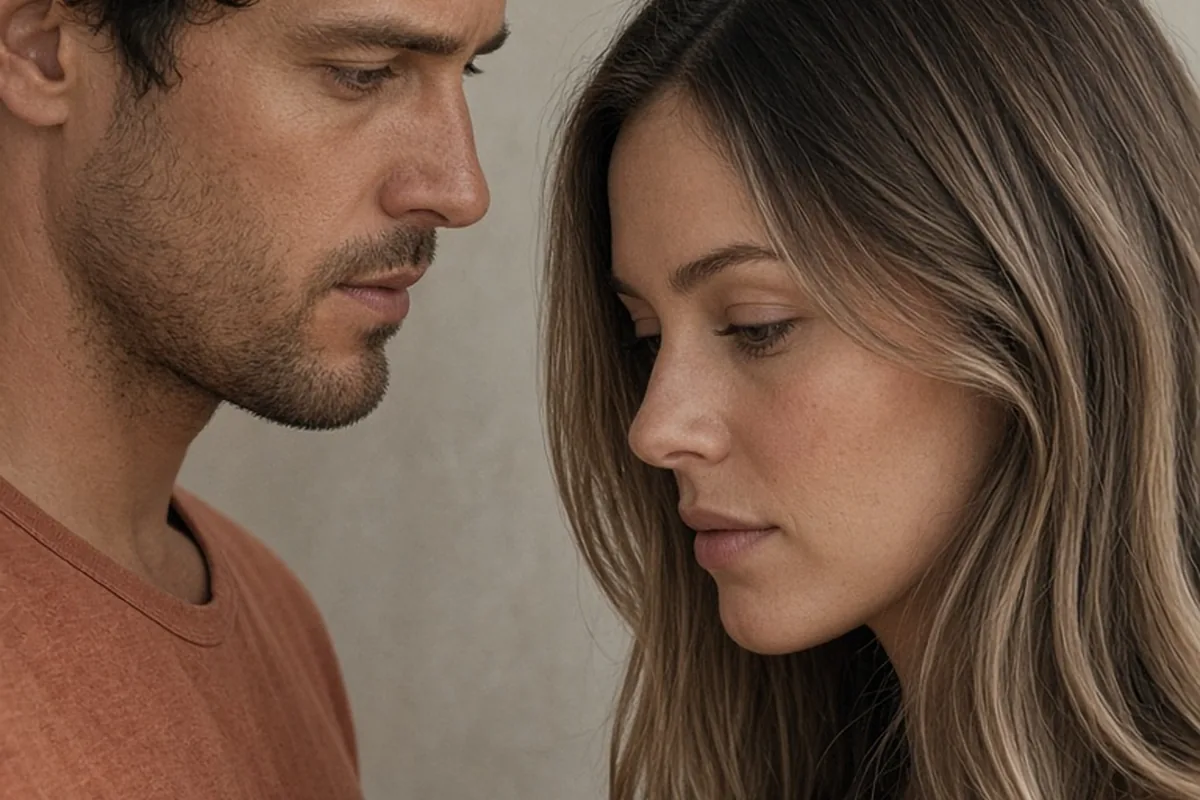
The best natural hair color approach for fine hair utilizes low-lift or deposit-only formulas paired with multidimensional placement techniques. Because fine hair has a narrower cortex and delicate cuticle layer, harsh lightening can quickly lead to breakage. Soft techniques like fine micro-lights, multi-tonal demi-permanent glazes, and botanical glosses add visual depth and body, creating the illusion of fuller hair while preserving strand integrity.
Fine hair presents a distinct coloring dilemma: uniform, single-process shades often make delicate strands look flat or sparse, yet aggressive lightening quickly compromises fragile structural integrity. Choosing natural-looking tones and gentle coloring methods creates dimension, light reflection, and movement without sacrificing the health of your hair.
How Fine Hair Responds to Color Chemistry and Lift
Fine hair refers specifically to the diameter of each individual hair strand, not the overall density of hair on your scalp. Because a fine strand has a smaller cortex and fewer protective cuticle layers than medium or coarse hair, chemical treatments penetrate much faster and reach the inner core with minimal resistance. This structural reality means fine hair processes artificial pigment and lighteners significantly faster than coarser hair types.
When exposed to standard permanent dyes with high developer concentrations, fine hair is particularly vulnerable to cuticle erosion, dryness, and mid-shaft snapping. High-volume developers can lift the protective outer shingles of the hair shaft too aggressively, leaving strands porous and rough. Porous fine hair absorbs color unevenly, often turning darker or ashier than intended, while simultaneously losing moisture at an accelerated rate.
To protect delicate strands during the coloring process, chemical intensity should always be scaled down. Colorists frequently reduce processing times, lower the developer volume, or switch to gentler acid-balanced formulas. Understanding your hair's delicate perimeter allows you to select coloring methods that deposit rich, natural pigment rather than aggressively stripping away your strand's structural proteins.
Choosing Gentle Dye Formulations: Demi-Permanent, Glosses, and Plant-Based Color
Selecting the right dye formulation is the single most important choice when coloring fine hair. Traditional permanent hair colors rely on ammonia or alkaline agents to force the cuticle open, allowing color molecules to alter the natural pigment inside the cortex. For fine hair, this process can weaken the strand. In contrast, demi-permanent dyes and acidic color glosses use low-volume or zero-lift activators that coat the outer layers and slightly penetrate the surface without permanently altering the natural base.
Demi-permanent formulas and clear glosses are especially beneficial for fine textures because they temporarily smooth down lifted cuticle scales. This smoothing effect adds noticeable light reflectivity, creating the appearance of fuller, denser hair. Because demi-permanent color gradually fades over several weeks rather than leaving a harsh line of demarcation, you avoid frequent root touch-ups that expose fragile edges and hairlines to repeated chemical exposure.
Plant-derived alternatives, such as cassia, amla, or pure henna, represent another path toward natural color, though they require careful consideration. Cassia obovata, often called neutral henna, deposits a soft golden glow while coating the strand with protective plant compounds that can temporarily make fine hair feel thicker. However, true red henna binds permanently to the hair keratin and can be difficult to lift or adjust later. If you choose herbal powders, confirm they are pure, lab-tested plant material free of metallic salts, which can react catastrophically with future salon treatments.
Multidimensional Color Placement Techniques That Fake Fuller Density
A flat, monochromatic dye job is one of the most common reasons fine hair appears thin or lifeless. When light hits a single, uniform shade across the scalp, it exposes the scalp line and accentuates any areas of lower density. Multidimensional placement mimics the natural way sunlight hits hair, using contrasting depths and highlights to create an optical illusion of thickness, movement, and volume.
Babylights and micro-woven weaves are ideal highlighting methods for fine strands. Instead of thick, heavy highlight ribbons that can look stripey and require heavy bleaching, babylights take micro-fine sections of hair throughout the crown and temples. These ultra-thin lightened strands blend seamlessly into the base color, creating soft illumination that reflects light without creating wide zones of chemical damage.
Pairing soft babylights with lowlights and a subtle root shadow delivers even greater perceived thickness. Applying a demi-permanent shade that is one half-step to one full step deeper than your natural base at the roots creates an anchor of depth, making the hair look visibly denser where it emerges from the scalp. The lighter mid-lengths and ends then catch ambient light, adding kinetic movement to fine, limp strands.
Selecting Flattering Natural Color Palettes for Delicate Textures
The most flattering natural hair color for fine hair works in harmony with your natural skin undertones while maximizing light reflection. Shinier hair naturally looks thicker and healthier, making soft, reflective shades superior to flat, matte tones. For warm undertones, shades such as golden chestnut, soft honey bronze, warm amber, and spiced caramel reflect abundant warm light, giving individual strands a plump, luminous quality.
If you have cool undertones, opt for soft espresso, creamy beige-blonde, or neutral mushroom brown. Extremely dark, blue-black dyes should generally be avoided if your fine hair has low to medium density, as the stark contrast between deep dark pigment and a fair scalp can make partings look noticeably wider. Similarly, platinum or ash-blonde shades can appear translucent on fine strands, making hair look finer than it actually is.
To find the ideal natural palette, aim to stay within one to two shades of your natural starting level. Staying close to your natural depth ensures that as the color ages, regrowth remains subtle and soft. This approach minimizes the frequency of salon appointments, reducing overall chemical exposure while keeping your hair looking vibrant and organically integrated with your eyebrows and natural coloring.
Customizing Color Strategies Across Fine Straight, Wavy, and Coily Hair
Fine hair occurs across all curl patterns, from bone-straight Type 1 to tightly coiled Type 4 textures, and each pattern requires a tailored color strategy. Straight fine hair shows color placement with absolute clarity; any uneven lines or harsh foil marks will be immediately visible. For straight textures, seamless surface balayage or ultra-diffused micro-foils work best to ensure that color flows naturally with the straight drop of the hair.
Wavy and curly fine hair types (Types 2 and 3) have natural bends that create points of structural vulnerability along the hair shaft. These curl bends naturally reflect light unevenly, which can be used to your advantage. Hand-painting color directly onto the outward curves of curls emphasizes natural bounce and spring, giving the overall silhouette a fuller, more dynamic appearance without needing full-head foil processing.
Fine coily hair (Type 4) combines a delicate, narrow strand diameter with high cuticle friction and natural dryness. For fine coils, retaining moisture and elasticity is paramount. High-lift bleaches can disrupt the curl pattern, causing coils to loosen or break. For these textures, conditioning demi-permanent glazes, warm moisture-infusing tints, and gentle deposit-only colors are ideal, as they enhance natural coil definition without weakening the delicate inner lipid layer.
In-Salon Formulations Versus At-Home Natural Dye Kits
Deciding between a professional salon visit and an at-home coloring kit comes down to the degree of customization and safety your fine hair requires. Box dyes sold in drugstores are formulated with a single, high-strength developer concentration designed to work on the thickest, most resistant hair types. When applied to fine hair, this generic high-developer formula often over-processes the strands, leading to unexpected darkening or severe dryness.
A professional colorist can customize the chemical strength specifically for your hair's diameter, porosity, and previous color history. They can apply a gentle 5-volume or 10-volume developer where only light pigment deposition is needed, reserve bond-protecting additives for delicate face-framing areas, and vary the formulation between your roots and porous ends to prevent murky buildup.
If you choose to color your fine hair at home, opt for specialized beauty-supply demi-permanent lines where you can purchase color tubes and low-volume developers separately. Always perform a preliminary strand test on a hidden section of hair near your nape 24 hours prior to full application. This test reveals exactly how quickly your fine strands will absorb the pigment, preventing unwanted dark pooling or unexpected color results.
Post-Color Strengthening and Moisture Routines for Fine Strands
Maintaining color vibrancy on fine hair requires a delicate balance between hydration and weightless volume. Heavy conditioning masks packed with dense silicones, mineral oils, or thick butters can coat fine hair, causing it to look greasy and collapse against the scalp. Instead, look for lightweight, water-based hydrators containing ingredients like hydrolyzed silk, panthenol (pro-vitamin B5), and lightweight jojoba or squalane oils.
Incorporate a gentle bond-building or light protein treatment into your routine every two to three weeks to reinforce the internal keratin network. Because fine hair loses protein rapidly when chemically treated, light reconstructors restore structural elasticity and reduce post-color breakage. Follow any protein application with a light hydrating conditioner to ensure strands maintain their natural suppleness and do not become brittle.
Wash your hair with lukewarm or cool water using a gentle, sulfate-free shampoo formulated for color-treated hair. Hot water causes the hair cuticle to swell and release artificial color molecules, leading to rapid fading and increased friction between fine strands. Applying a weightless leave-in heat protectant before blow-drying or heat styling shields fragile, colored cuticles from thermal degradation, keeping your natural color rich and reflective.
Frequently asked questions
Can coloring fine hair actually make it feel thicker?
Yes, mild chemical coloring can temporarily make fine hair feel slightly thicker. The coloring process gently swells the outer cuticle layer, creating subtle texture and grip between individual strands that prevents them from lying completely flat against each other.
How often can you safely color fine hair without causing damage?
For deposit-only glazes and demi-permanent colors, refreshing every six to eight weeks is generally safe because these formulas do not lift the cuticle aggressively. If you use highlights or permanent root touch-ups, aim to space appointments eight to twelve weeks apart to prevent overlapping chemicals on previously treated strands.
Are all-natural botanical dyes like henna safe for fine hair?
Pure botanical powders like cassia or body-art-quality henna are chemical-free and can strengthen fine strands by binding to the outer keratin. However, henna is permanent, difficult to remove, and incompatible with future bleaching, so ensure you want a lasting warm tone before committing.
What developer strength is best when dyeing fine hair at home?
For deposit-only color or subtle tone enhancement, a 5-volume or 10-volume developer is ideal for fine hair. Avoid 20-volume or higher developers unless you are covering stubborn gray hair, as higher volumes lift the delicate cuticle unnecessarily.
Your next step
Conduct a strand test with a low-volume demi-permanent gloss or consult a stylist for micro-dimensional babylights to safely add depth and the appearance of thickness to your fine hair.