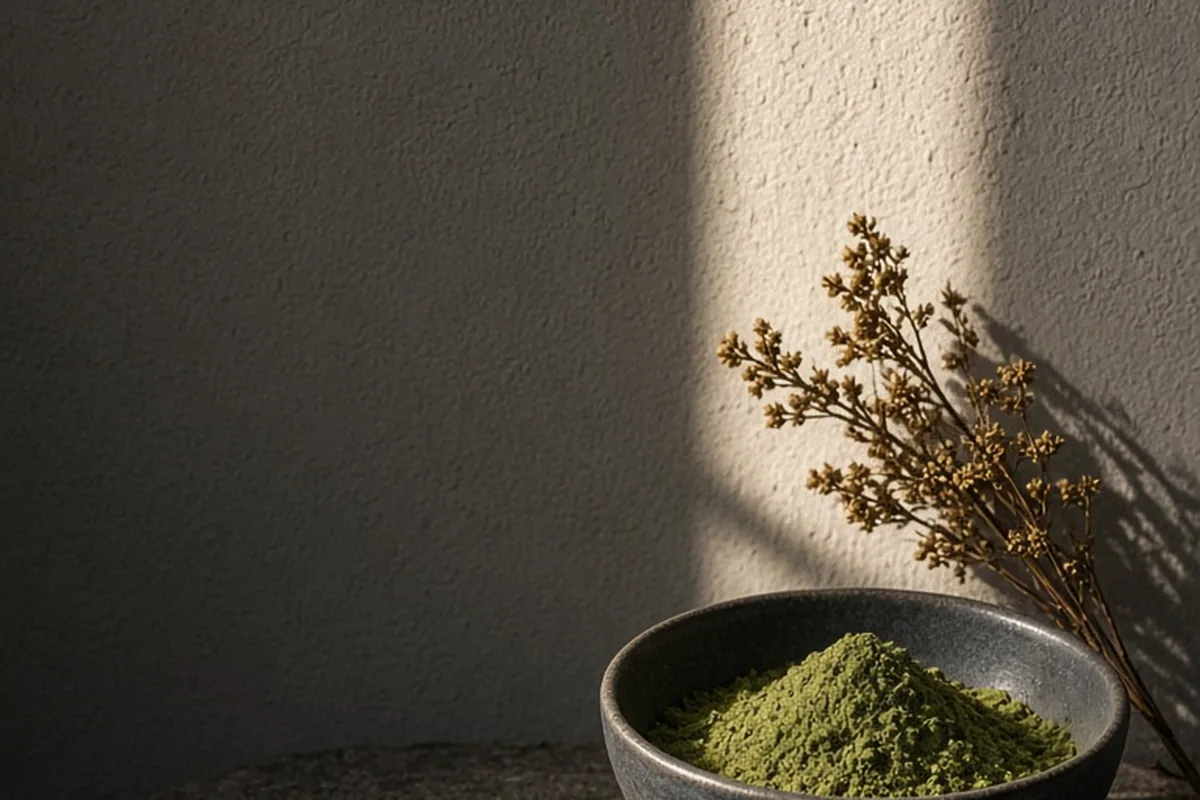
Natural hair color for low porosity hair works best when using deposit-only plant dyes, like pure henna and indigo, or ammonia-free semi-permanent formulas paired with gentle heat. Because low porosity hair features tightly sealed cuticle layers that repel moisture and pigment, applying mild warmth during processing and clarifying thoroughly beforehand allows natural pigments to adhere without relying on harsh lifting agents or chemical developers.
Choosing to color low porosity curls, coils, or straight strands naturally requires a clear understanding of your hair's unique structure. When cuticles sit flush and compact, standard color applications often slide off or develop unevenly, leaving hair dry or under-pigmented.
Why Low Porosity Hair Resists Natural Pigments
Low porosity hair possesses a tightly closed, overlapping cuticle layer that acts as a formidable moisture barrier. While this tight construction helps strands retain internal hydration once absorbed, it also makes it difficult for external substances—including botanical dyes, conditioning agents, and direct pigments—to enter the hair shaft. When applying commercial permanent dyes, high-pH chemicals like ammonia force the cuticle open. Natural color alternatives lack these aggressive lifting agents, which means they must either bond directly to the outer surface or rely on controlled physical methods to slip beneath the cuticle.
Because water beads up on low porosity strands, liquid or paste mixtures can sit on the surface without thoroughly coating the fiber. This structural resistance often leads to patchy color payoff, rapid fading after washing, or unwanted color shifts. Achieving predictable, even results with herbal or non-damaging formulations requires working with your cuticle structure rather than attempting to blast it open with damaging chemicals.
Evaluating Plant Dyes for Low Porosity Hair: Henna, Indigo, and Cassia
Pure botanical powders offer vibrant, long-lasting deposit without synthetic developers, making them a popular choice for low porosity hair. Pure henna (Lawsonia inermis) releases lawsone dye molecules that bind to the keratin within the cuticle layer, producing rich copper, auburn, and red tones. Henna also smooths and strengthens the strand, though frequent applications can slightly reduce curl elasticity or cause buildup if moisture balance is neglected.
Indigo produces deep brown to jet-black shades when combined with or applied immediately following a henna treatment. Because indigo requires a base of henna to bind effectively, attempting a single-step indigo treatment on resistant low porosity hair often produces muddy or greenish undertones. Cassia obovata, often referred to as neutral henna, delivers golden highlights on light or gray hair while offering conditioning benefits similar to henna without permanent darkening.
When purchasing herbal powders, confirm that the ingredients contain only 100 percent pure plant powders without added metallic salts or chemical additives. Metallic salts react unpredictably with hair products and can cause severe brittleness or uneven color deposition.
Deposit-Only Semi-Permanent and Gloss Options
If you want flexibility without the permanent commitment of pure herbal dyes, deposit-only semi-permanent formulas and pigmented glosses provide another low-risk route. These formulations coat the outer layer of the strand without ammonia, peroxide, or resorcinol. Because they do not chemically alter the natural melanin inside the cortex, they cause negligible damage to delicate hair textures.
The trade-off for low porosity hair is longevity. Deposit-only formulas naturally wash out over several weeks, and on resistant cuticles, they may fade faster if the cuticle was not properly prepped. Selecting formulas enriched with lightweight conditioning bases—such as aloe vera or jojoba oil rather than heavy mineral oils or waxes—ensures that the dye molecules can contact the hair strand directly without sliding off due to product buildup.
Pre-Color Prep: Opening the Cuticle Without Causing Moisture Damage
Successful natural coloring on low porosity hair begins days before application. Product buildup from heavy butters, silicones, and daily styling gels acts as an impenetrable shield against natural dyes. Washing with a sulfate-free clarifying shampoo forty-eight hours before coloring removes residual oils and styling films, giving the dye direct access to the hair surface.
Avoid applying heavy oil treatments or deep conditioners immediately before your color session. While conditioning is essential for general hair health, dense conditioning agents coat the strand and prevent dye molecules from adhering. Instead, wash your hair with warm water right before applying the color paste or cream. Warm water gently encourages the outer cuticle layer to swell slightly, creating tiny pathways for botanical pigments to settle.
Application Techniques and Gentle Heat for Maximum Color Absorption
The most effective way to help natural dye penetrate low porosity cuticles is the controlled application of indirect heat. Once you distribute your natural dye mixture evenly through small, detangled sections from root to tip, cover your hair completely with a plastic shower cap. Trapping body heat creates a warm, humid microclimate that softens the cuticle layer and accelerates dye release.
For deeper or more stubborn hair, sitting under a hooded dryer, using a heated conditioning cap, or wrapping a warm, damp towel around the plastic cap for twenty to forty minutes dramatically enhances color retention. Avoid dry direct heat from handheld blow dryers, which can dry out natural herbal pastes before the dye has finished transferring to the hair.
Post-Color Rinsing and Moisture Retention
Rinsing natural color out of low porosity hair requires patience. Plant pastes like henna and indigo do not dissolve instantly; use lukewarm running water to gently flush the paste from your scalp and strands section by section. Avoid shampooing for at least twenty-four to forty-eight hours post-application to allow plant-based dyes time to fully oxidize and set their final color.
Once the dye is rinsed away, restore moisture balance using lightweight, hydrating conditioners. Look for humectants like glycerin, panthenol, and aloe vera, which draw moisture into the strand without weighing it down. Sealing your damp strands with a few drops of lightweight oil, such as argan or grapeseed oil, helps lock in hydration without creating greasy, impermeable buildup on the colored cuticle.
Troubleshooting Common Low Porosity Hair Color Pitfalls
Uneven color distribution is the most frequent issue experienced by individuals with low porosity textures. This typically happens when dye is applied to hair that was partially dry, insufficiently sectioned, or coated in residual styling products. Working in small, half-inch subsections while hair remains evenly damp ensures uniform saturation across every strand.
Another risk is moisture-protein imbalance. Herbal dyes like henna naturally bind to keratin, which can create a firming effect similar to a protein treatment. If your low porosity hair begins feeling stiff, rough, or brittle after coloring, pause all protein-heavy styling products and incorporate regular warm deep-conditioning treatments featuring water-soluble humectants to re-establish suppleness.
Frequently asked questions
Can natural dyes lighten dark low porosity hair?
No, natural dyes such as henna, indigo, and semi-permanent vegetable dyes only deposit pigment on the outside of the strand. They cannot lift or lighten your base shade because they lack bleaching agents and hydrogen peroxide. They add rich tones, depth, or darker hues to your existing color.
How long should henna sit on low porosity hair?
Henna generally requires two to four hours of processing time on low porosity hair to achieve rich color saturation. Adding gentle heat under a shower cap during the first thirty to forty minutes helps speed up absorption through resistant cuticles.
Will natural color wash out faster on low porosity hair?
Semi-permanent glosses may fade somewhat faster if applied over product buildup or without mild heat, but pure permanent plant dyes like henna bind tightly to the cuticle. Once fully oxidized, pure henna is permanent on low porosity strands.
Can I use commercial box dye over henna-treated low porosity hair?
You should proceed with caution and always perform a strand test first. Pure body-art-quality henna without metallic salts can theoretically be dyed over, but commercial dyes containing peroxide or bleach may yield unpredictable color results or uneven lightening on top of botanical layers.
Your next step
Perform a clarifying wash and a single strand test on clean, damp hair using gentle heat to preview your exact color outcome and processing time before completing a full application.