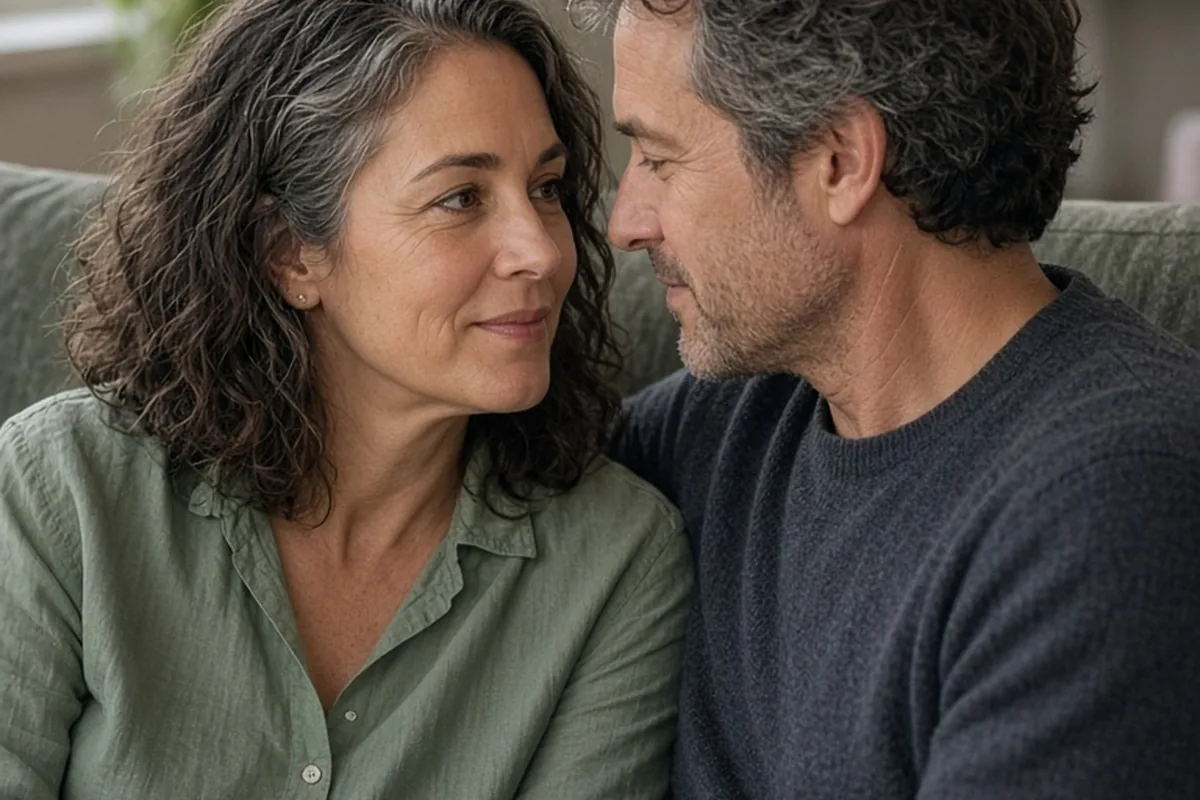
Choosing a natural hair color after 40 involves working with subtle shifts in skin undertone, hair texture, and emerging silver strands. The most flattering approach avoids harsh, flat, single-process dark dyes in favor of multidimensional techniques like balayage, babylights, and gray blending. Soft neutral brunettes, warm honey blondes, muted bronde, and gentle auburn tones soften facial contours while allowing low-maintenance, seamless regrowth.
As hair naturally changes in density, texture, and pigmentation over time, color choices that worked in previous decades can suddenly feel heavy, dull, or high-maintenance. Updating your color strategy allows you to enhance your natural features, protect your hair fiber integrity, and simplify your salon routine.
Evaluating Shifting Skin Undertones and Natural Base Levels
Skin tone frequently becomes slightly cooler, paler, or more prone to localized redness as natural melanin production slows down over the years. Because of this shift, jet black, stark blue-black, or overly cool ash tones that once looked striking can create strong contrast against the skin, drawing attention to fine lines, shadows under the eyes, and uneven pigmentation. Conversely, excessively bright brassy or yellow tones can clash with delicate cool or neutral undertones, making the complexion appear tired.
A practical starting point is assessing your current natural base level in natural daylight alongside the veins on your wrist and the natural warmth in your eyes. If your veins appear blue or purple and silver jewelry looks most harmonious, you lean cool; if your veins look greenish and gold suits you best, you lean warm. For neutral undertones, balanced shades like neutral beige blonde, mushroom brown, or soft chestnut provide depth without pulling distinctly orange or icy blue. Selecting a base color within one to two shades of your natural childhood or early-adulthood hair level ensures the result looks organic rather than stark.
Low-Maintenance Gray Blending and Soft Demarcation Techniques
Traditional single-process permanent color covers every gray strand with opaque pigment, but it creates a distinct, visible line of demarcation within two to three weeks of root growth. Gray blending, by contrast, treats silver hair as a natural highlight rather than a flaw to erase. By interweaving fine babylights, lowlights, and sheer glosses, colorists can soften the transition between pigmented hair and incoming silver, extending the time between salon appointments from three weeks to ten or twelve weeks.
Demi-permanent color formulas are particularly useful for this transition. Unlike permanent dyes that lift the natural hair cuticle with high levels of ammonia, demi-permanent formulas gently coat and tint the hair cuticle without fully penetrating or permanently altering the base pigment. This sheer deposit leaves grays looking like soft, translucent highlights that fade on-tone over several washes, completely avoiding the harsh horizontal stripe at the scalp line. For women with twenty to fifty percent gray hair, combining a demi-permanent base with strategically painted surface highlights yields a soft, multidimensional finish that requires minimal upkeep.
Selecting Flattering Tones for Natural Hair Color for Women Over 40
The most flattering color options prioritize dimension and light reflection over flat, solid opacity. For natural brunettes, shades like warm mocha, melted caramel, toasted hazelnut, and soft espresso add richness without casting dark shadows onto the jawline and cheekbones. Introducing fine balayage or face-framing ribbons around the temples brightens the facial perimeter, mimicking the way sunlight naturally catches hair.
For natural blondes and lighter bases, bronde—a hybrid blend of light brown and medium blonde—provides an ideal balance of warmth and low-maintenance depth. Honey blonde, wheat, buttery champagne, and soft golden beige add warmth that revitalizes the complexion without reading as stark or bleached. For individuals with red or copper inclinations, muted auburn, cinnamon brown, and warm terracotta offer vibrant richness while avoiding bright primary reds, which tend to fade rapidly and can emphasize surface redness in mature skin.
Color Placement Strategies Across Straight, Wavy, Curly, and Coily Textures
Hair texture fundamentally changes how color reflects light and where dimensional placement should sit. Straight and fine hair reflects light along a flat, uniform plane, meaning that heavy streaks or poorly blended foil highlights can look stripey or blocky. For fine or straight textures, micro-fine babylights applied with a feathered brush create a seamless veil of light, giving the visual illusion of thicker, fuller hair with natural depth at the root.
Wavy, curly, and coily textures disperse light along their natural bends and spiral patterns. Curly and coily hair types (types 3A through 4C) benefit most from specialized curl-by-curl hand painting, often called pintura highlighting. In this method, the colorist paints pigment onto individual curl clusters where light naturally hits the curve, ensuring the highlights accentuate the curl definition rather than breaking up the curl pattern. Because textured and coily strands are naturally more prone to moisture loss, keeping highlight formulas low in volume developer preserves the natural elasticity and bounce of the hair pattern.
Managing Porosity, Dryness, and Texture Changes During Color Application
Gray and aging hair fibers often produce less natural sebum at the follicle level, leading to a wirier, coarser feel or increased porosity along the mid-lengths and ends. Porous hair absorbs color rapidly but loses it just as fast, leading to muddy, over-processed ends and faded mid-shafts. Prioritizing color formulas that include conditioning agents, plant-derived oils, and lower developer volumes protects the fragile lipid layer that keeps hair feeling soft and resilient.
Incorporating bond-building additives during coloring helps rebuild the internal disulfide bonds that can break during chemical processing. Between color appointments, swapping out harsh clarifying shampoos for sulfate-free, pH-balanced cleansers prevents rapid color stripping. Weekly deep conditioning masks rich in fatty acids and lightweight ceramides help restore the moisture balance, smoothing the raised cuticle layer so the color reflects vibrant, glossy shine rather than appearing matte or dry.
Salon Consultations, Patch Testing, and Maintenance Schedules
A successful hair color transformation begins with an honest, detailed consultation. When meeting with a stylist, bring two or three reference photos showing realistic lighting on hair textures similar to your own, along with photos showing shades you explicitly dislike. Discuss your daily styling routine, your willingness to schedule touch-ups, and the chemical history of your hair over the past two years, including home box dyes, henna, or chemical straightening treatments.
Always request a patch test behind the ear or in the crook of the elbow at least 48 hours prior to an appointment, especially if trying a new salon or color line, as skin sensitivity can change over time. When discussing maintenance schedules, establish whether the look requires four-week root appointments, eight-week gloss refreshes, or twelve-week balayage touch-ups. Clarifying service components, including whether toner, bond builders, and blow-drying are billed separately, ensures transparency and helps you plan a sustainable long-term hair care routine.
Illustrative Scenarios
Transitioning from Heavy Box Dye to Soft Dimension
Elena, 46, had used dark brown box dye every three weeks for four years to mask incoming grays around her temples. Over time, the color had accumulated on her mid-lengths, turning into a flat, harsh near-black tone that contrasted sharply with her gray roots and made her fair skin look washed out. Instead of applying another all-over dark box kit, she consulted a colorist to formulate a corrective plan. Over two salon sessions, the stylist gently lifted the old pigment buildup, added subtle warm mocha lowlights, and introduced fine caramel babylights around her hairline, paired with a sheer demi-permanent root tap. Elena was able to extend her salon visits from every three weeks to every nine weeks while enjoying a softer, natural look.
Key point: Layering continuous permanent dark dye creates pigment buildup; switching to dimensional blending reduces maintenance and softens facial contrast.
Protecting Curl Elasticity While Blending Silvers
Maya, 52, has type 3C curly hair that was developing noticeable silver patches at the crown. She wanted to conceal the grays without using strong bleach or high-lift developers that could compromise her curl pattern and cause breakage. Her stylist avoided traditional foil highlighting, which can dry out delicate curls, and instead applied an ammonia-free demi-permanent gloss in a warm honey-chestnut shade, hand-painting only a few surface curls where the grays were concentrated. This approach blended her silvers into warm golden flecks while preserving her natural curl elasticity and moisture balance.
Key point: Choosing ammonia-free, low-developer glosses and texture-specific painting protects curl integrity while naturally incorporating gray strands.
Frequently asked questions
Does gray hair require permanent dye to achieve natural coverage?
No, permanent dye is not mandatory for flattering coverage. Demi-permanent color and sheer glosses gently tint gray strands to look like natural, dimensional highlights without creating a harsh root regrowth line, making them ideal for blending grays softly.
How do I prevent my brunette hair color from turning brassy or orange?
Brassy undertones emerge when underlying warm pigments are exposed by sun exposure, hard water minerals, or fading dye. Using a blue-pigmented toning shampoo once every two weeks and washing with lukewarm water helps neutralize unwanted orange tones and prolongs color vibrancy.
Can I color my hair naturally if it has become wiry or coarse?
Yes, but wiry hair has a tightly closed cuticle that benefits from gentle pre-softening or color formulas formulated with moisturizing carrier oils. Pair your color service with bond-building treatments and regular deep conditioning to improve hair softness and manageability.
How often should I touch up dimensional highlights or balayage?
Dimensional techniques such as balayage and babylights typically require touch-ups only every ten to fourteen weeks. In between, scheduling a quick twenty-minute gloss or toner refresh at the six-to-eight-week mark keeps the color shiny and refreshed.
Your next step
Book an in-person salon consultation with two texture-specific reference photos to assess your skin undertones, test your hair porosity, and map out a gentle demi-permanent or dimensional blending strategy.