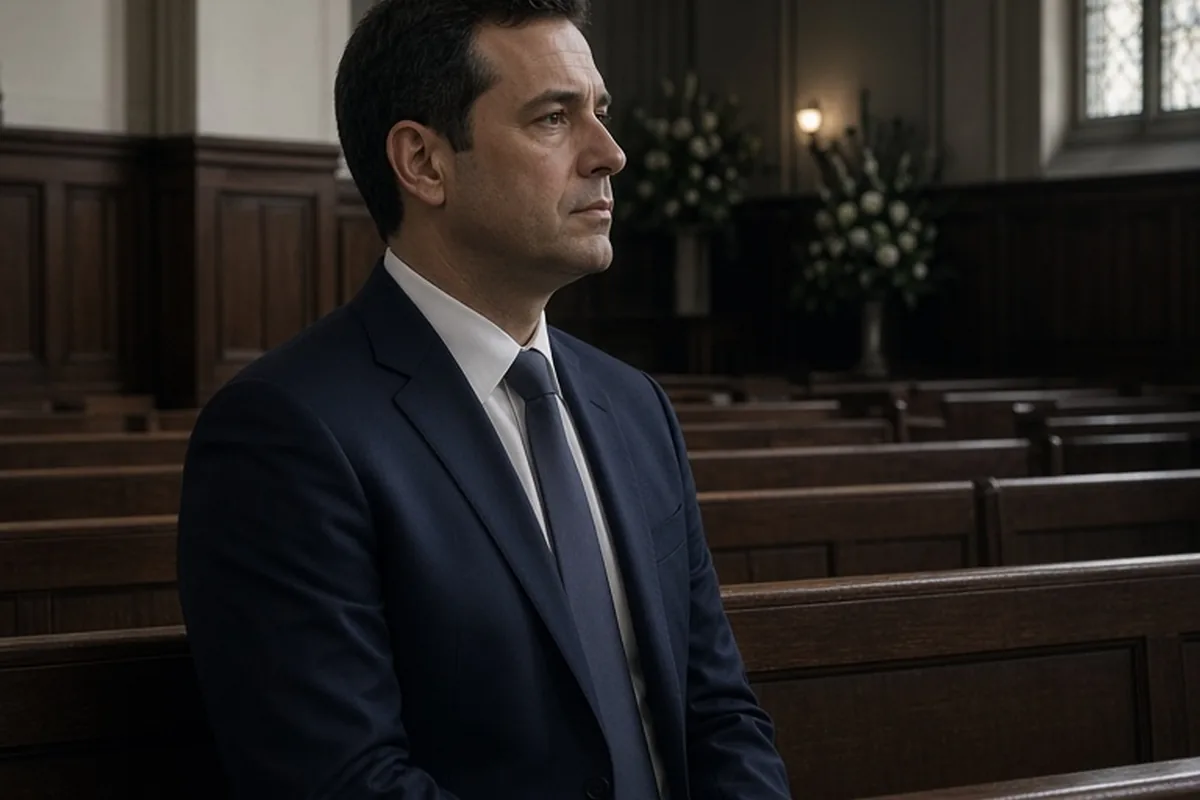
When navigating funeral etiquette for an ex-partner, prioritize the comfort and wishes of the surviving family and current partner. If your presence could cause friction, honor your grief privately through a written note or memorial donation. If you attend in person, arrive quietly, sit in the middle or back rows, offer brief and respectful condolences to the immediate family without centering your past romantic history, and avoid taking up space reserved for the primary mourners.
Losing someone you once shared a life or deep connection with creates a complicated emotional space. Even when a relationship ended years ago or had its share of difficulty, genuine grief often surfaces alongside uncertainty about your public role during memorial services.
Deciding Whether to Attend the Funeral or Grieve Privately
The decision to attend an ex-partner's funeral centers primarily on the current dynamics with their immediate family, surviving spouse, or partner, rather than the depth of your personal history. Ask yourself an honest question: will your physical presence bring comfort to the grieving circle, go unnoticed as a quiet supporter, or create unexpected stress for those organizing the service? If your past relationship ended with public conflict, lingering resentment, or tension with family members, your physical attendance risks shifting focus away from honoring the deceased. In such instances, choosing not to attend is an act of deep respect, not an absence of caring.
Conversely, if you maintained an amicable relationship, share children, or remained on warm terms with the extended family, attending a public memorial service is often entirely appropriate. For private services, view an invitation as a prerequisite; never attend an intimate, family-only gathering uninvited. If you are uncertain about whether the service is open to the wider public, look at published notices or obituaries, which usually state whether services are private or open to all friends and acquaintances.
Checking In with the Surviving Family and Next of Kin
If you share children or had a long, established bond with your ex-partner's family, a short, low-pressure message before the service can clarify expectations and offer support. Reach out through the medium you normally use, keeping your message concise, warm, and free of any expectation for an immediate reply. You might write something simple: 'I am so deeply sorry for your loss. I want to honor their memory while respecting your family's space. Please know I am holding you all in my thoughts, and there is no need to reply to this message.'
If you do not have an existing rapport with their family or current partner, do not reach out to ask for permission to attend. Putting the burden on a grieving spouse or parent to manage an ex-partner's feelings can cause unnecessary emotional strain during an overwhelming time. In these cases, evaluate the situation based on observable facts: if the service is a large, public ceremony, you may attend quietly as an ordinary attendee; if there is any doubt about tension, express your condolences through a sympathy card or memorial contribution instead.
Navigating Seating, Arrival, and Physical Space at the Service
When attending the service in person, aim to blend seamlessly into the general assembly. Arrive about ten to fifteen minutes before the service begins so you do not cause a disruption by walking in late or linger awkwardly in the entryway. Choose a seat toward the middle or back of the venue, well behind the designated rows reserved for immediate family, close relatives, and the current partner. Even if you were once a central part of the family, that physical prominence belongs entirely to the current inner circle.
If you share children with the deceased who are attending, your role is to support their experience, not claim a front-row seat for yourself unless your children are young and require your direct physical presence in family seating. For older or adult children, sit a few rows back where they can easily see you if they need comfort, allowing them to sit with their siblings, grandparents, or step-parents. Keep your body language open and low-profile, maintaining focus entirely on the memorial proceeding.
What to Say to the Grieving Family and Mutual Friends
Approaching the receiving line or greeting family members requires brevity, humility, and warmth. Acknowledge the loss without referencing your past relationship dynamics, dating milestones, or personal emotional pain. Effective, respectful phrases include: 'I am so sorry for your loss. They spoke so proudly of this family,' or simply, 'Sending my deepest condolences to you and your family.' Keep your interaction under a minute to allow others in line time to pay their respects.
Avoid sharing stories that highlight romantic exclusivity or past domestic intimacy, as these can unintentionally alienate or upset the surviving partner or relatives. If mutual friends approach you, keep conversations focused on celebrating the positive traits of the person who passed away. If an encounter feels slightly awkward or stiff, respond with gentle graciousness rather than trying to clear the air or resolve old misunderstandings during a solemn event.
Managing Disenfranchised Grief and Complex Emotions
Grieving an ex-partner frequently involves what counselors describe as disenfranchised grief—mourning a loss that society does not always openly validate or accommodate. You may experience a complex mixture of genuine sorrow, regret for words left unsaid, nostalgia for youth, or even lingering anger about past conflicts. It is completely normal to feel disoriented when the world does not recognize you as a primary mourner, even though the loss feels substantial to you.
Create dedicated, private outlets to process these feelings rather than seeking validation from mutual acquaintances or the bereaved family. Writing an unsent letter, spending time in a meaningful outdoor spot you once enjoyed, or speaking with a professional therapist or trusted friend provides a healthy space to unpack unresolved emotions. Acknowledging that your grief is real does not require public acknowledgment from others to be valid.
Sending Flowers, Sympathy Cards, and Memorial Donations
If attending the funeral is not appropriate, or if you wish to express sympathy from a distance, written notes and memorial gifts offer a dignified alternative. When sending a sympathy card, address it to the primary next of kin or the family as a whole. Keep the written sentiment focused on honoring their memory and wishing comfort to the family. Sign your name clearly with your first and last name, omitting any romantic terms or overly familiar references.
Check the obituary for charitable preferences before ordering floral arrangements. If the family requests donations to a specific charity or medical organization in lieu of flowers, honor that request directly. When contributing to a charity, you can typically choose to have an acknowledgment sent to the family indicating that a gift was made in their loved one's memory, which conveys support without demanding an interaction.
Navigating Funeral Etiquette for an Ex-Partner on Social Media
Digital memorial spaces and social media platforms require heightened discretion following a death. While it may feel tempting to post old photos, heartfelt tributes, or reflections on your shared history, consider how those posts might impact a surviving spouse, children, or immediate family members browsing feeds during their initial shock. Posting intimate couple photos from the past can feel jarring or intrusive to immediate mourners trying to navigate their loss.
If you choose to post a public tribute, select a neutral image or simply write a respectful, kind remembrance that focuses on the deceased person's character, talents, or passions rather than your romantic past. Avoid tagging the surviving family members or current partner unless you have a close, active friendship with them. If your ex-partner's family creates a digital memorial page or virtual guestbook, a simple message of condolences is appropriate, whereas lengthy personal anecdotes are better reserved for private reflection.
Illustrative Scenarios
Balancing Family Support with Co-Parenting Boundaries
Marcus learned that his ex-wife of twelve years, with whom he shared two teenage sons, had passed away after an illness. Marcus and his ex-wife had maintained a functional co-parenting dynamic, but her surviving husband was naturally heartbroken and overwhelmed organizing the funeral. Marcus initially wondered if he should sit near the front to comfort his teenagers. After considering the family dynamics, Marcus spoke with his sons beforehand, accompanied them to the venue, and sat four rows behind the immediate family. This gave his sons direct proximity to their stepfather and grandparents while knowing their father was immediately accessible behind them if they needed support.
Key point: When shared children are involved, prioritize their comfort while giving the surviving spouse and immediate relatives the primary place of honor.
Choosing Meaningful Private Remembrance Over Public Tension
Elena had dated her former partner for five years, but their relationship ended on difficult terms seven years prior. When she saw the announcement of his public memorial service, she felt a strong pull to attend to find a sense of closure. However, Elena recalled that their breakup had caused lingering discomfort with his parents and siblings. Recognizing that her arrival might introduce unwelcome tension on an emotionally fragile day, Elena chose not to attend the service. Instead, she made a quiet donation to the animal rescue shelter listed in his obituary and took an afternoon walk through a park they used to visit together.
Key point: Closure is an internal process that does not require physical attendance when your presence might create unnecessary unease for the grieving family.
Frequently asked questions
Can I bring my current spouse or partner to an ex-partner's funeral?
Generally, it is best to attend alone or with a mutual friend who also knew the deceased, unless your current partner is already close with the deceased's family. Bringing a new partner can inadvertently draw attention or create social awkwardness in an already emotionally sensitive environment.
Should I attend the post-funeral reception or repast?
Only attend the reception if the family explicitly extends a broad invitation to all attendees and you are certain your presence will not cause discomfort. If the reception is small, intimate, or hosted at a family residence, it is more considerate to offer your condolences at the service and politely depart.
What should I do if a family member reacts negatively to my attendance?
Remain calm, gracious, and non-defensive. Do not argue, explain your reasons for being there, or try to resolve past disputes; simply offer a polite, quiet apology for causing any distress and exit the venue discreetly without making a scene.
Is it appropriate to view the casket or attend an open-casket visitation?
If you attend a public visitation, you may quietly approach the casket to pay your respects when there is a natural pause in the line. Keep your visit at the casket brief, step back to allow closer family members space, and avoid lingering near the front of the room.
Your next step
Take an honest assessment of your current relationship with the surviving family, and choose the gesture—whether quiet attendance from the back row or a private charitable memorial donation—that honors your past connection while completely protecting the family's peace.