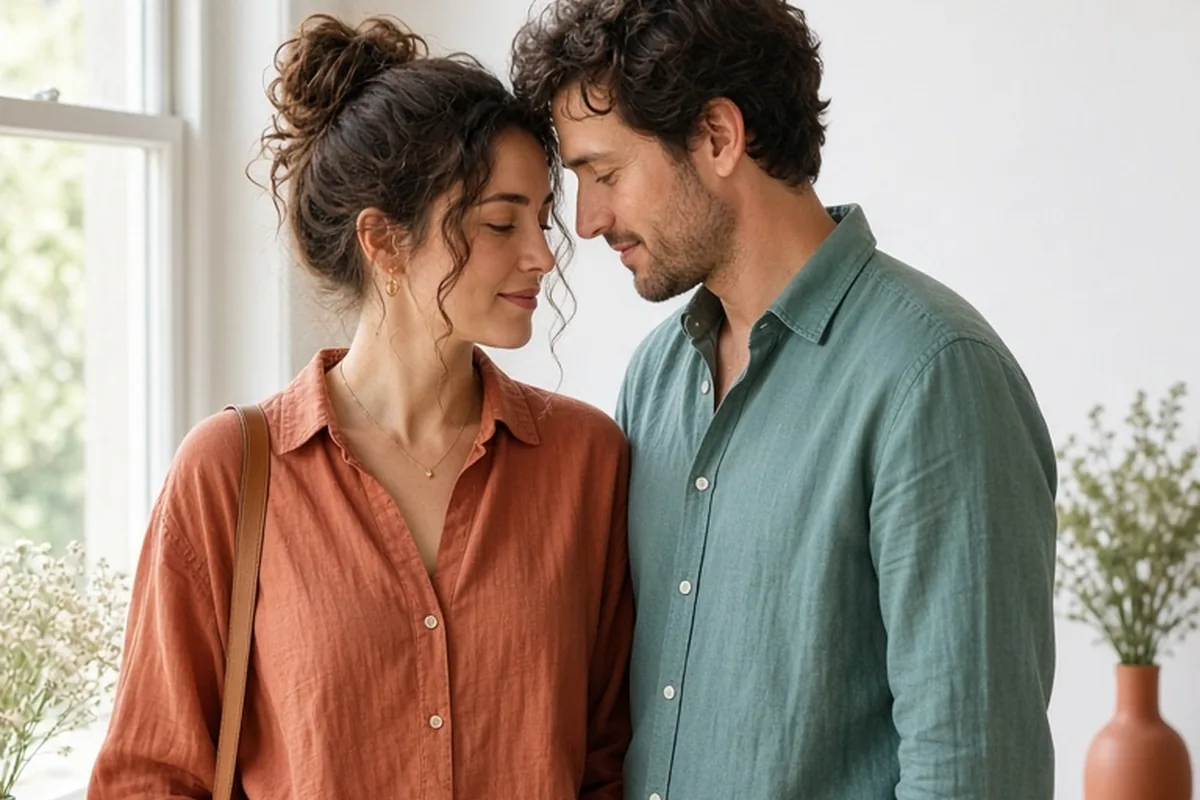
Non-religious wedding vows and music replace liturgical scripts and traditional hymns with personalized commitments, literary selections, instrumental arrangements, and contemporary songs. Designing a secular ceremony involves identifying shared ethical values, drafting honest promises focused on daily partnership and mutual growth, and curating an intentional musical arc across the prelude, processional, interlude, and recessional phases to establish an authentic atmosphere.
Opting for a secular wedding ceremony gives couples total creative autonomy over their commitments and atmosphere, allowing the celebration to reflect their genuine personalities, relationship history, and ethical worldview rather than predetermined religious customs.
Frameworks for Writing Meaningful Secular Vows
Crafting non-religious wedding vows requires building a structure that feels both emotionally resonant and grounded in practical reality. Without traditional religious formulas such as vows of spiritual obedience or sanctified union, couples often focus on mutual respect, individual autonomy, shared ambition, and emotional safety. A reliable framework begins with acknowledging your partner's specific qualities and expressing gratitude for the foundation you have built together. From there, articulate the values that guide your relationship, such as open communication, shared humor, or resilience during difficult seasons.
The core of any vow lies in the commitments you make for the future. In a secular context, these promises typically emphasize tangible daily actions alongside broader life goals. For instance, rather than promising unconditional emotional perfection, you might promise to listen with curiosity during disagreements, share domestic burdens equitably, and champion each other's personal pursuits. Balancing tender expressions of affection with realistic promises ensures that your vows serve as an enduring, honest blueprint for your marriage.
A common challenge couples face is determining how long their vows should be and how closely their individual scripts should match. Aiming for roughly two to three minutes per person (approximately 300 to 450 words) allows sufficient depth without causing the ceremony to drag. While both partners do not need to follow an identical structure, agreeing on general parameters beforehand—such as tone, length, and whether you intend to mix lighthearted humor with serious sentiment—prevents awkward contrasts where one partner speaks for ten minutes while the other shares three sentences.
Drafting Prompts and Example Structures for Personal Commitments
If you encounter writer's block when staring at a blank page, targeted brainstorming prompts can help unearth meaningful memories and concrete declarations. Begin by writing down three specific moments when you felt deeply supported by your partner, two lessons your relationship has taught you about patience or vulnerability, and three everyday routines you cherish together. Converting these reflections into promises transforms abstract romance into vivid, memorable statements that resonate with everyone present.
Consider organizing your drafted thoughts into a four-part progression: reflection, appreciation, promises, and future vision. For example, a secular vow might open with, 'Ten years ago, we were simply two colleagues sharing coffee, but over time you became my closest confidant and greatest source of steady encouragement.' This transitions naturally into appreciation: 'I admire your relentless kindness toward strangers and the patience you bring into our home.'
The promises section follows with actionable commitments: 'I promise to support your creative ambitions, to speak to you with honesty and compassion even when conversations are difficult, and to build a peaceful sanctuary with you.' The vow can conclude with a forward-looking statement: 'I choose you as my equal partner in all things, and I look forward to navigating every season of life by your side.' Using this arc provides narrative clarity and emotional impact without relying on archaic clichés.
Curating the Musical Arc Across Four Ceremony Phases
Music functions as the emotional architecture of a wedding ceremony, guiding guests through shifts in mood, signaling key transitions, and setting the pacing for each milestone. In a non-religious wedding, music takes on an even greater storytelling role, establishing the ambiance without the presence of traditional choral hymns or liturgical chants. To build a cohesive experience, divide your ceremony into four distinct musical phases: the prelude, the processional, the reflective interlude, and the recessional.
The prelude covers the twenty to thirty minutes while guests arrive and find their seats. The music during this window should feel welcoming, ambient, and relaxed, setting a comfortable conversational tone without competing with guest greetings. Mid-tempo instrumental pieces, acoustic arrangements, or gentle jazz standards work exceptionally well here. The processional marks the entrance of the wedding party and the couple, requiring a distinct change in tempo and energy to command the room's attention and signal that the formal ceremony has begun.
During the ceremony itself, an interlude can accompany non-religious rituals such as a ring-warming ceremony, a tree-planting moment, or the signing of the legal marriage register. This music should remain subtle, creating a gentle acoustic cushion that does not distract from the visual focus. Finally, the recessional demands an upbeat, joyful burst of energy as the newly married couple walks back down the aisle, transitioning the atmosphere seamlessly into the celebratory reception.
Genre Options and Styling for Secular Wedding Music
Secular ceremonies allow couples to draw from any musical genre that feels authentic to their tastes, ranging from classical and modern cinematic scores to indie folk, soul, and post-rock. Classical music remains a popular choice for non-religious ceremonies because works by composers like Claude Debussy, Johann Sebastian Bach, or Erik Satie evoke elegance and timeless gravitas without carrying direct theological associations. Pieces such as Debussy's 'Clair de Lune' or Satie's 'Gymnopédie No. 1' provide atmospheric grace for preludes and processionals.
For couples who prefer modern sounds, contemporary instrumental arrangements—such as acoustic guitar fingerpicking, solo piano, or string quartet renditions of modern rock and pop songs—bridge the gap between formal tradition and modern personality. Groups like the Vitamin String Quartet demonstrate how alternative, pop, and indie tracks can be transformed into sophisticated ceremony pieces that guests subtly recognize with delight.
Vocal tracks from folk, Motown, R&B, and indie genres are equally powerful, particularly for the recessional where high energy is welcome. A classic soul track such as Stevie Wonder's 'Signed, Sealed, Delivered' or a vibrant indie folk anthem provides an immediate celebratory lift. The key to genre selection is consistency: ensure the arrangement style feels unified throughout the ceremony rather than jumping abruptly between vastly disconnected soundscapes.
Incorporating Secular Rituals and Managing Family Dynamics
When planning a non-religious ceremony, couples often navigate questions or delicate expectations from religious family members. Open, respectful communication in advance helps set expectations while preserving the integrity of your personal choices. Emphasize that your goal is to design a ceremony that authentically represents your partnership, ethical beliefs, and shared commitment, focusing the day on universal themes of love, community, and mutual devotion.
To enrich the ceremony without incorporating religious liturgy, consider integrating secular unity rituals or meaningful literary readings. Secular rituals offer visual and symbolic depth that can unite the room. Handfasting (an ancient symbolic tradition of tying ribbons around the couple's joined hands), the passing of rings among seated family members for silent well-wishes (a ring-warming), or planting a sapling together provide ceremonial structure without religious dogma.
Literature, poetry, and philosophy also offer profound material for secular readings. Excerpts from authors such as Rainer Maria Rilke, Maya Angelou, Wendell Berry, or Carl Sagan, as well as landmark legal opinions on marriage equality, offer moving reflections on companionship, shared exploration, and enduring devotion. Inviting close friends or relatives to deliver these readings actively involves loved ones while maintaining a secular ceremony.
Audio Logistics, Officiant Coordination, and Ceremony Execution
Flawless execution of secular vows and music relies on careful technical planning and clear coordination with your officiant and sound team. Unlike indoor church settings that often feature permanent acoustic setups, secular ceremonies frequently take place in outdoor gardens, historic lofts, or unconventional venues with varying acoustic properties. Ensuring that every guest can clearly hear your vows requires dedicated audio equipment, including high-quality lapel or handheld microphones and reliable wind protection if you are outdoors.
Work closely with your secular officiant or celebrant to establish exact verbal and physical cues for musical transitions. Your officiant should know precisely when to pause for the processional music to fade, when background audio should begin during a ritual, and the exact moment to announce your marriage so your sound engineer or live musicians can trigger the recessional music without awkward silence.
Keep physical vow books or printed cards on hand rather than reading from a mobile phone. Reading from a clean, dedicated booklet prevents screen glare, notification distractions, and technical lockouts, while creating a polished visual appearance for your photographer. Rehearsing the ceremony timeline once or twice with your officiant and musicians ensures everyone understands their pacing, volume levels, and visual cues, leaving you free to be fully present during the moment itself.
Frequently asked questions
How long should non-religious wedding vows ideally be?
Non-religious wedding vows typically range between two and three minutes per person, which translates to roughly 300 to 450 spoken words. This timeframe allows sufficient room for personal anecdotes, heartfelt appreciation, and clear promises without slowing down the overall pace of the ceremony.
Can we use popular secular songs with lyrics during the processional?
Yes, songs with lyrics work well for the processional as long as the tempo allows for a comfortable, unhurried walking pace. If a favorite song has dense lyrics or a jarring tempo shift, an instrumental acoustic or string arrangement can deliver the same emotional resonance while keeping the focus on the walking party.
What if my partner and I have completely different musical tastes?
You can celebrate diverse musical tastes by assigning different genres to specific ceremony phases. For example, you might feature classical acoustic guitar for the prelude, an indie or modern instrumental arrangement for the processional, and an energetic classic soul or rock track for the recessional.
How can we balance humor and sincerity in our written vows?
A healthy approach is to anchor your vows in sincere commitments while weaving in lighthearted, affectionate references to your daily routines or quirks. Keep humorous observations warm and inclusive, avoiding inside jokes that alienate guests or overshadow your core promises of partnership.
Your next step
Sit down with your partner this week to outline three core values you want reflected in your vows, and build a shared music playlist containing potential songs for each ceremony milestone.