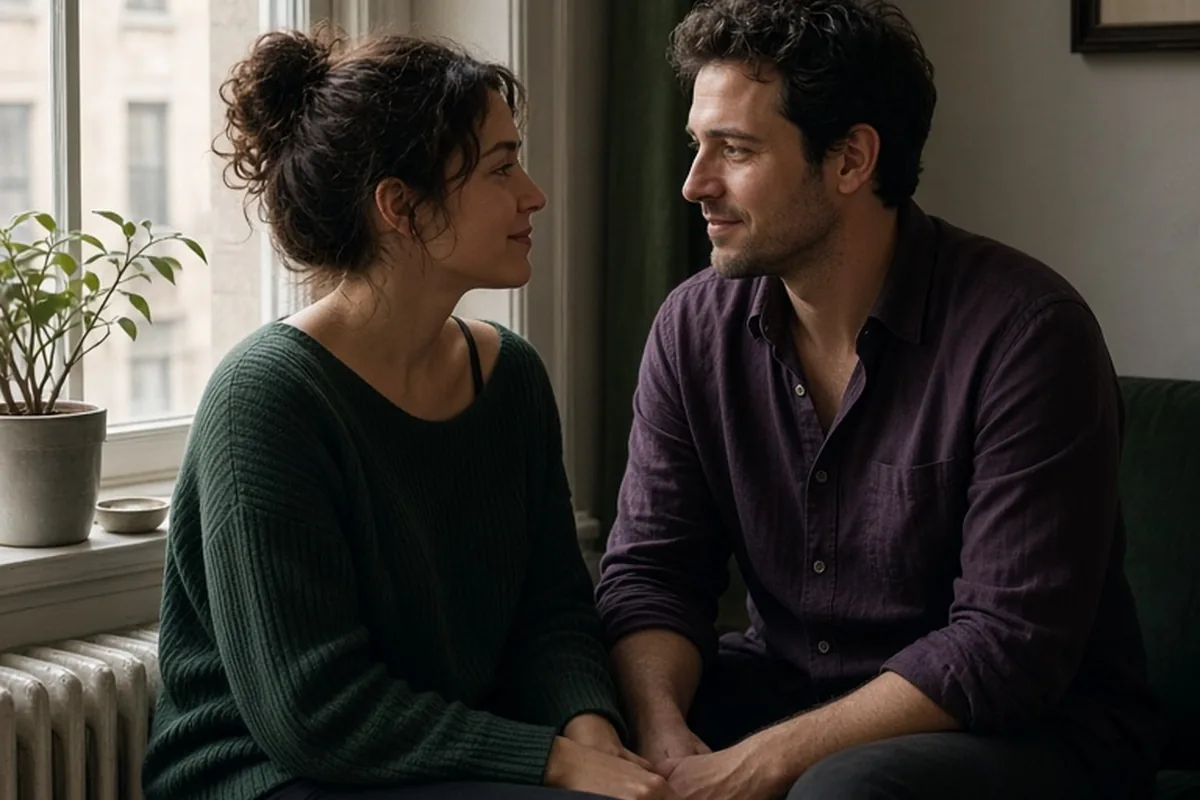
An effective NYC date planner organizes an outing around a single walkable neighborhood, pairing one primary reservation with a flexible secondary spot nearby. By minimizing transit disruptions, managing venue noise levels, and building in an easy exit or extension point, you create a smooth, low-pressure atmosphere that allows genuine connection rather than logistical stress to take center stage.
Dating in New York City offers unmatched variety, but the sheer density of options often creates logistical friction. When a date involves subway transfers across boroughs, loud dining rooms where conversation is impossible, or rigid four-hour itineraries, fatigue quickly replaces excitement. A thoughtful plan removes friction so both people can relax and focus on each other.
The Golden Rule: Stick to One Walkable Micro-Neighborhood
The fastest way to derail momentum on a New York date is introducing mid-evening transit. Moving between distant neighborhoods forces you to navigate subway delays, fight for rideshares in surge pricing, or endure twenty minutes of awkward transit silence while watching a map. When you confine an evening to a specific four-to-six block radius, transitions feel effortless and intimate rather than disruptive.
Choose an area with high pedestrian appeal and diverse venue types within close proximity. Neighborhoods like the West Village, Greenpoint, Cobble Hill, or the Lower East Side allow you to stroll casually between dinner, drinks, or an activity without checking transit apps. The walk between locations often becomes the most enjoyable part of the night, offering fresh air, casual conversation, and natural moments to connect.
The trade-off of popular walkable neighborhoods is that they are frequently crowded and expensive. If you choose an area with high foot traffic on a weekend, you must account for sidewalk congestion and long door waits by selecting slightly quieter side streets or timing your outing slightly ahead of peak rush hours.
Structuring the Two-Stage Flow for Effortless Pacing
A well-structured date rarely locks both people into an extensive, multi-course commitment from minute one. Instead, the most reliable format uses an intentional two-stage flow: a low-pressure initial anchor followed by an optional, nearby extension. This architecture gives both parties a built-in exit point if the chemistry feels flat, while leaving the door open to continue if things go well.
Stage one should center on an engaging, conversational environment—such as a focused cocktail bar, an aperitivo spot, a quiet gallery, or an early dinner. Stage two should be a distinct contrast located no more than a five-minute walk away, such as an artisanal dessert shop, a casual speakeasy, a nighttime bookstore, or a stroll through a well-lit park promenade. Having that second spot in mind prevents the awkward 'what do you want to do now?' dilemma while keeping the dynamic flexible.
Avoid over-planning three or four sequential stops. Over-structured itineraries feel like a guided tour rather than a date, placing pressure on both people to keep up with a schedule instead of sinking naturally into the mood of the evening.
Vetting Venues for Conversation and Comfort
A venue can look spectacular on social media while being fundamentally terrible for dating. In New York, many trendy restaurants and bars feature concrete floors, tight communal benches, and booming sound systems designed to turn tables quickly. When you spend the entire evening shouting across a narrow table or straining your neck to hear simple answers, genuine rapport becomes impossible.
When evaluating spots, prioritize acoustic comfort, lighting, and seating configuration. Corner banquettes, comfortable lounge chairs, or seats at a ninety-degree angle at a quiet bar allow for far more natural body language and dialogue than facing someone across a wide, echoey two-top. Look for venues with soft furnishings, rugs, or wood paneling, which absorb ambient noise and allow for comfortable, low-volume conversation.
The main trade-off with quieter, intimate venues is that they often lack the high-energy buzz that some people enjoy. To balance this, pick an intimate spot for the primary conversation stage, and transition to a livelier venue later in the evening if you both want more kinetic energy.
Navigating City Logistics: Reservations, Timing, and Backups
City dining requires defensive planning. Prime dinner slots across Manhattan and Brooklyn frequently book out weeks in advance on reservation platforms, while walk-in waits at popular spots can easily exceed ninety minutes. Showing up to a date without a reservation or a concrete backup plan sends a signal of carelessness and creates immediate stress when you are turned away at the door.
Secure your primary reservation at an optimal time—ideally between 6:30 PM and 8:00 PM for dinner, or 7:00 PM for drinks—and always scout a walk-in backup within a two-block radius. If your primary reservation is delayed or canceled, you can smoothly transition to your secondary option without missing a beat. Check the weather forecast before finalizing outdoor seating, and have an indoor alternative ready if rain or extreme temperature swings are predicted.
Remember that holding reservations at multiple venues simultaneously during peak hours is poor etiquette and can result in hefty cancellation fees. Instead, hold one solid booking and rely on well-researched, high-turnover walk-in bars or cafes as your dynamic second stage.
First Dates Versus Established Relationships: Adapting the Blueprint
The stage of your connection dictates how complex your date plan should be. For a first date, keep the format light, bounded, and relatively short—around sixty to ninety minutes. A high-stakes three-hour dinner puts unnecessary pressure on two strangers to perform, making an incompatibility feel trapped and exhausting. A single drink or specialty coffee in a warm, relaxed setting allows you to evaluate compatibility safely and comfortably.
For third dates and established partners, you can introduce shared experiences that spark new conversation and deeper intimacy. Incorporate interactive elements like a cooking workshop, an architectural walking tour, an intimate comedy showcase, or exploring an unfamiliar cultural neighborhood together. Shared activities take the pressure off pure face-to-face dialogue and provide mutual memories that strengthen your bond.
Always invite input from the other person as the relationship progresses. While taking the lead on planning shows initiative and confidence, asking about dietary preferences, neighborhood favorites, and personal boundaries ensures the plan is enjoyable for both individuals.
Budget-Conscious Planning Without Compromising Quality
Planning an impressive date in New York does not require spending hundreds of dollars. Many of the city's best experiences are low-cost or free, provided they are curated with intention and care. An evening centered around quality dollar-slice evaluations followed by a walk along the Brooklyn Heights Promenade can feel far more memorable than a generic, overpriced midtown steakhouse.
Take advantage of cultural institutions with pay-what-you-wish admission nights, seasonal outdoor film screenings, public botanical gardens, or sunset ferry rides across the East River. Pair these free or low-cost activities with a single paid treat, such as specialty pastries, craft gelato, or a craft cocktail, to make the outing feel deliberate and special rather than bare-bones.
Be mindful of weather and seasonality when planning budget-friendly outdoor dates. A park picnic is delightful in May or September, but cold winds in November or humid heat waves in July can quickly make outdoor dates uncomfortable. Always have an affordable indoor backup, such as a cozy community bookstore cafe or a vibrant food hall.
Illustrative Scenarios
Case Study: The Multi-Borough Itinerary Pitfall
Julian wanted to impress his date by showcasing multiple favorite spots across the city. He planned drinks in Midtown, dinner in Williamsburg, and late-night dessert in the Lower East Side. However, train delays on the L line and sudden weekend rain left both of them drenched, stressed, and exhausted from commuting. Recognizing the logistical strain, Julian adjusted during the evening, canceled the third stop, and found a cozy neighborhood dessert spot just around the corner in Williamsburg. The mood immediately relaxed once they stopped traveling.
Key point: Confining your date to a single neighborhood preserves emotional momentum and prevents city transit delays from ruining the vibe.
Case Study: The Acoustic Mismatch
Sam booked a buzzy, newly opened downtown restaurant for a second date, assuming its critical acclaim would guarantee a great impression. Upon arrival, the music was deafening and the tables were placed inches apart, forcing them to repeat simple sentences and shout across the table. Instead of staying for multiple courses, Sam suggested wrapping up after an appetizer and guided them to a quiet tea lounge down the block. The immediate drop in volume allowed them to speak naturally and connect deeply for the rest of the evening.
Key point: Acoustics and conversational comfort matter far more on a date than hype or social-media popularity.
Frequently asked questions
How long should a first date in New York typically last?
A first date works best when planned for roughly 60 to 90 minutes. This timeframe provides ample opportunity to gauge mutual interest and chemistry without creating an awkward, drawn-out obligation if either person feels mismatched.
What should I do if a venue reservation gets delayed or canceled?
Stay calm and pivot immediately to a pre-scouted walk-in backup within a two-block radius. Maintaining composure and guiding your date to a cozy alternative demonstrates adaptability and keeps the atmosphere relaxed.
How do I balance planning ahead with allowing space for spontaneity?
Lock down one primary anchor reservation and research two or three optional nearby spots without booking them. This provides structural security while letting you naturally decide together whether to head home or continue exploring after your first stop.
Is it better to split the bill or pay in full when planning a city date?
If you organized and initiated the date, offering to pay is a polite and clear gesture, but always accept gracefully if your date prefers to split. Communicating openly about expenses prevents awkward moments when the check arrives.
Your next step
Pick one walkable neighborhood, secure a single reservation with manageable noise levels, and scout one flexible secondary spot nearby for your next date.