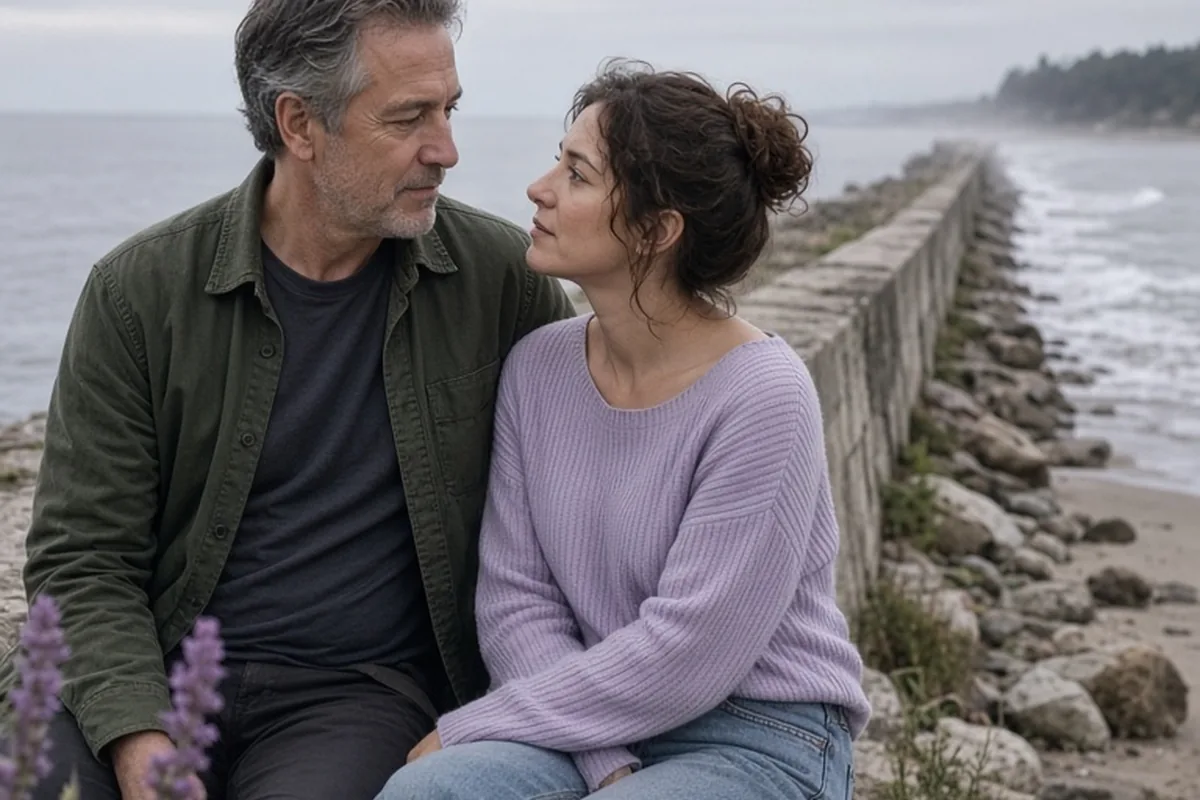
People often feel older men understand better because years of lived experience usually bring clearer communication, grounded emotional regulation, and less patience for games. Maturity allows partners to articulate needs, handle conflict constructively, and offer stability. However, understanding varies widely by individual character, and genuine compatibility depends on mutual respect and shared values rather than age alone.
Navigating modern dating can often feel exhausting when met with mixed signals, evasive conversations, and unresolved personal insecurities. Many people find themselves drawn toward older partners in hopes of finding emotional steadiness, honest dialogue, and a deeper sense of comprehension that feels rare in earlier life stages.
The Foundation of Emotional Grounding and Direct Communication
A primary reason older men are often perceived as better listeners and communicators stems from decades of navigating interpersonal friction across careers, friendships, and previous relationships. Over time, individuals who actively learn from their experiences tend to shed the urge to play conversational games or withhold thoughts out of pride. Instead of leaving their partner guessing about their intentions or emotional state, an experienced partner often recognizes that straightforward honesty prevents unnecessary conflict and saves valuable time for everyone involved.
This emotional grounding manifests in practical ways during everyday moments. For instance, when a disagreement surfaces over schedules or differing social priorities, a grounded partner is less likely to view the disagreement as an attack on their ego. Rather than resorting to passive-aggressive silence, sarcasm, or reactive defensiveness, they are more capable of pausing, listening to understand the underlying concern, and expressing their perspective without escalating tension. This creates an environment where both individuals feel secure enough to speak candidly without fearing sudden withdrawal.
However, it is vital to remember that clear communication is an active interpersonal skill rather than an automatic biological byproduct of aging. Some individuals carry unexamined habits and rigid patterns through every decade of life. The benefit of emotional grounding only exists when someone has consciously reflected on their past and chosen to prioritize vulnerability, active listening, and mutual clarity in their daily interactions.
Life Experience Versus Inherent Maturity: Separating Fact from Assumption
It is easy to equate chronological age with wisdom, but assuming age automatically creates a supportive partner can lead to overlooked blind spots. True emotional maturity involves self-awareness, accountability, empathy, and the willingness to adapt. An older man may possess vast professional accomplishments and financial stability while still struggling with emotional intimacy or defensive reactions during vulnerable moments. Recognizing the difference between surface-level composure and genuine relational maturity protects both partners from unrealistic expectations.
Consider a scenario where an individual dates someone fifteen years their senior, expecting an effortless dynamic where no misunderstandings occur. If an issue arises regarding emotional availability, and the older partner deflects responsibility by invoking their seniority or life experience as absolute authority, the dynamic ceases to be collaborative. Maturity is proven by how a person handles feedback and shared vulnerability, not by the number of years they have lived or the status they hold.
To evaluate maturity accurately, pay close attention to how someone responds when things do not go their way. A mature partner of any age acknowledges their mistakes, respects opposing viewpoints, and actively seeks constructive solutions. They do not use their years of experience as a conversational trump card to dismiss their partner's valid feelings or lived perspective.
Clear Intentionality and the Rejection of Ambiguity
One of the most refreshing aspects of dating someone with greater life experience is the frequent presence of intentionality. In early adulthood, dating is often characterized by trial and error, uncertainty about identity, and fear of commitment. Older individuals have typically had time to discover their personal boundaries, core values, and non-negotiables. When they choose to enter a relationship, they often do so with purposeful intent rather than casual convenience or social pressure.
This intentionality simplifies the early dating phases considerably. A partner who knows what they want will usually state their goals directly, whether they are looking for a committed long-term partnership, cohabitation, marriage, or a focused companionable dynamic. They are less likely to leave text messages unread for days as a tactical maneuver or create false ambiguity to maintain control. This transparency eliminates the mental exhaustion of decoding mixed signals and allows both people to decide if their long-term trajectories truly align.
The trade-off with high intentionality is that established individuals often have firmly rooted habits, routines, and life paths. While clarity about desires is deeply comforting, it can also mean less flexibility regarding major lifestyle changes. Compatibility requires determining whether their established lifestyle has room for your aspirations and growth, ensuring that their clarity does not unintentionally leave you feeling like an accessory to an already completed life.
Navigating Differing Life Stages and Social Realities
Even when emotional connection and mutual understanding are exceptionally high, age-gap relationships inevitably encounter practical differences rooted in distinct life stages. One partner might be building the early foundations of a career, managing student loans, or seeking vibrant social exploration, while the other might be approaching retirement, managing established wealth, or enjoying a quieter, predictable routine at home.
These differing stages can affect daily habits, financial dynamics, and friendship circles. For example, navigating social events may require patience when friends on either side share few common cultural touchstones or career concerns. If one partner wishes to travel spontaneously while the other has rigid professional obligations or family commitments, tension can emerge unless both partners actively discuss and accommodate each other's developmental needs. Understanding in a relationship requires honoring these differences rather than trying to force one person to conform entirely to the other's timeline.
A healthy dynamic handles life-stage disparities through open negotiation and deliberate mutual support. The younger partner gains space to pursue their personal milestones without feeling held back, while the older partner feels appreciated for their perspective without being expected to regress into an earlier stage of life. Both partners must view each other as equals who happen to be walking through different chapters of their respective journeys.
Maintaining Equal Power and Shared Respect
In relationships where one partner has significantly more life experience, career capital, or financial resources, power imbalances can subtly form if both people are not vigilant. Genuine understanding cannot survive in an environment where one person holds an inherent advantage in decision-making or emotional influence. Both individuals must enter the relationship with equal standing, ensuring that all choices regarding finances, lifestyle, and conflict resolution are mutually agreed upon.
A subtle pitfall occurs when life advice turns into unintentional condescension. An older partner may believe they are being helpful by guiding a younger partner through career decisions or life choices, but if the tone shifts into mentorship rather than romantic partnership, romantic intimacy and mutual respect erode. Both parties must actively resist the dynamic where one acts as the teacher and the other as the student. Every adult brings valuable insight, autonomy, and emotional truth to the table regardless of age.
To preserve balance, establish practices that ensure both voices hold identical weight during crucial decisions. Regularly check in on how decisions are made, encourage independent social connections and hobbies, and ensure that financial differences never dictate who has the final say in relationship matters. Mutual respect thrives when both partners honor each other's autonomy as complete individuals.
Evaluating Compatibility Beyond Chronological Age
While understanding why older men often project stability and comprehension is helpful, sustainable relationships are built on individual compatibility rather than demographic categories. Seeking a partner solely based on age is just as limiting as relying on any other superficial metric. The ultimate goal is to find someone whose communication style, emotional availability, values, and vision for the future complement your own.
Focus on tangible behavioral patterns rather than assumptions of wisdom. Observe how a person speaks about their past relationships, how they handle stress under pressure, how they treat service workers, and how willing they are to listen when your opinions diverge from theirs. A truly understanding partner demonstrates attentiveness through curious questioning, emotional validation, and consistent follow-through, irrespective of their birth year.
By focusing on these observable traits, you shift your dating strategy from romanticizing an age group to selecting a trustworthy, emotionally healthy human being. This approach allows you to appreciate the grounded qualities an experienced partner may bring while keeping your standards anchored in genuine character, emotional reciprocity, and mutual care.
Illustrative Scenarios
Navigating Misinterpreted Work Stress
Elena, a 26-year-old marketing coordinator, had been dating Julian, a 39-year-old project lead, for six months. When a major work deadline required Elena to log long evening hours, she expected Julian to grow frustrated or passive-aggressive, recalling patterns from previous partners. Instead of withdrawing, Julian noticed the tension and initiated a calm conversation over coffee, asking how he could best support her schedule. Elena realized she had projected past relationship anxiety onto their dynamic. By discussing their weekly routines and setting clear expectations for quality time, they replaced unspoken tension with collaborative problem-solving and mutual trust.
Key point: Assuming conflict based on past history prevents growth; proactive communication turns routine stress into a shared partnership.
Clarifying Assumptions About Emotional Maturity
Marcus, a 31-year-old designer, began dating Adrian, who was 44, assuming their age difference would automatically guarantee effortless stability and zero relationship drama. However, when they disagreed on how frequently to host social gatherings at home, Adrian shut down and avoided the conversation for days. Marcus realized that older age does not automatically translate into complete emotional skill. Instead of ignoring the silence or escalating the friction, Marcus waited for a calm moment to clearly state his need for direct, timely discussions about their shared living space. Adrian acknowledged his avoidance tendency, and both agreed on structured guidelines for resolving household friction calmly.
Key point: Maturity is an ongoing daily practice rather than an automatic consequence of chronological age.
Frequently asked questions
Does dating an older partner guarantee a drama-free relationship?
No, age does not guarantee emotional health or conflict-free dynamics. While life experience can foster clearer communication, individual personality, unresolved past habits, and emotional availability determine how peaceful and constructive a partnership will be.
How can partners handle large differences in income or career status?
Partners should discuss expectations openly and establish shared agreements for expenses that respect both budgets. Keeping major decisions collaborative ensures financial disparities do not turn into an unhealthy power imbalance.
What is the best way to prevent a teacher-student dynamic in an age-gap relationship?
Maintain distinct personal lives, uphold mutual decision-making, and frame advice as an optional perspective rather than authoritative instruction. Both partners must respect each other's autonomy and unique life insights equally.
How do you know if an older partner is genuinely understanding or just polite?
Look for consistent active listening, accountability during disagreements, and supportive follow-through over time. Genuine understanding is proven when a partner validates your feelings and adapts their behavior, rather than simply maintaining smooth surface manners.
Your next step
Take an honest inventory of your core communication needs and relationship values, and use your next shared conversation to discuss expectations directly rather than relying on assumptions about age or maturity.