A complete pedicure appointment checklist covers preparation, arrival logistics, in-chair choices, and aftercare. Before arriving, avoid shaving your legs for twenty-four hours to reduce infection risks, remove old polish if needed, and choose open-toed footwear. During the visit, confirm your service type, hygiene standards, and total pricing. Afterward, allow adequate drying time and moisturize regularly to protect your skin and nails.
Booking a professional pedicure provides routine foot hygiene, skin softening, and aesthetic grooming, yet arriving unprepared can lead to smudged polish, unexpected charges, or unnecessary skin irritation. Following a structured checklist ensures you make informed decisions before, during, and after your appointment.
Essential Pre-Appointment Foot and Skin Preparation
Proper preparation begins well before you step into the salon. One crucial rule is to avoid shaving, waxing, or using hair removal creams on your legs for at least twenty-four hours prior to your visit. Hair removal creates microscopic nicks and open pores in the skin, which can increase the risk of bacterial or fungal infection when feet and lower legs are submerged in shared foot basins.
Take a few minutes at home to assess the baseline condition of your feet. If you have active cuts, open blisters, severe fungal conditions, or ingrown toenails causing pain or drainage, postpone cosmetic salon services and consult a medical professional instead. If your feet are healthy, a simple rinse at home is polite, but you do not need to scrub or file your own calluses beforehand, as over-exfoliating at home limits what your technician can safely address.
- Refrain from leg shaving or waxing for 24 to 48 hours beforehand.
- Inspect toes and heels for open wounds, rashes, or infection signs.
- Remove thick existing specialty polishes if your salon charges extra removal fees.
- Leave natural cuticle trimming and heavy callus work entirely to the technician.
Selecting the Right Salon and Verifying Hygiene Standards
Finding a clean and reputable nail salon requires observing sanitation practices rather than focusing solely on decor. When selecting a business, look for visible state cosmetology licenses, clean workstations, and transparent sanitation procedures. Salons should use hospital-grade disinfectants between clients or employ single-use disposable tub liners for foot basins to minimize cross-contamination risks.
Pay close attention to how instruments are handled when you sit down. Metal tools such as clippers, cuticle pushers, and nippers must come directly from sealed, sterile autoclave pouches or medical-grade sterilization pouches opened in front of you. Porous tools like wooden orange sticks, pumice stones, and foam toe separators cannot be fully disinfected and should be brand new for your session or discarded afterward. If a salon reuses disposable files or cannot explain their sanitization process, it is wise to decline the service.
- Verify that metal tools are removed from sealed sterilization pouches.
- Ensure pedicure basins are drained, scrubbed, and disinfected between clients.
- Check that porous buffers, files, and separators are new or single-use.
- Observe general salon cleanliness, ventilation, and organized work stations.
Wardrobe, Footwear, and What to Bring Along
What you wear significantly impacts how comfortably your appointment goes and how well your fresh polish survives the trip home. Loose-fitting pants, wide-leg trousers, or shorts are ideal because tight leggings and skinny jeans are difficult to roll above the calves during scrubs and foot massages. If tight fabric rolls down while damp or freshly polished, it can ruin the finish or transfer lotion onto your clothing.
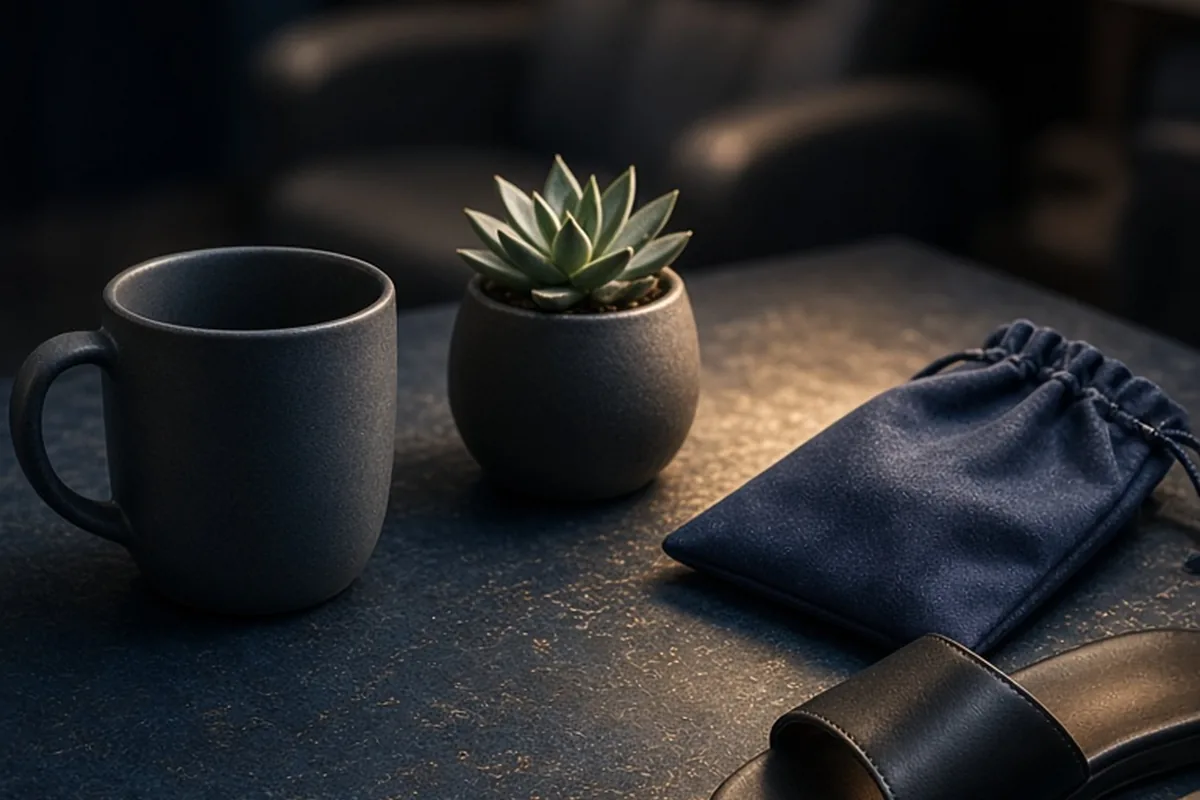
Footwear selection is equally critical, especially if you opt for traditional lacquer over gel polish. Traditional polish can take several hours to cure completely below the surface layer. Bringing wide-strap flip-flops or open-toed slides prevents friction against the nail tips. If you visit during cold weather, pack open-toe pedicure boots or loose socks designed with toeless cutouts so you can leave without destroying fresh enamel.
- Wear loose pants that easily roll up past the mid-calf without squeezing.
- Bring flip-flops or open-toed sandals for standard lacquer applications.
- Carry headphones or reading material if you prefer quiet relaxation.
- Bring your own signature nail polish bottle if you want seamless touch-ups at home.
Planning Duration, Base Costs, and Gratuity
Understanding realistic scheduling and pricing parameters prevents feeling rushed or surprised at checkout. A standard classic pedicure typically lasts between thirty and forty-five minutes, while comprehensive spa pedicures with extensive exfoliation, paraffin wax dips, or extended massage can take sixty to seventy-five minutes. Allow an additional fifteen to twenty minutes of drying time if choosing standard lacquer before walking to your car.
Pricing varies based on geographic region, salon tier, and service scope, generally ranging from thirty-five to eighty dollars for standard treatments and higher for luxury packages. Gel polish upgrades, callus eliminator treatments, and custom nail art usually incur add-on fees ranging from five to twenty-five dollars. Tipping standard practice in personal care services sits between fifteen and twenty percent of the total pre-discount service cost, so plan whether you will tip via card or carry cash.
- Classic pedicure: 30 to 45 minutes of active service.
- Spa or deluxe pedicure: 50 to 75 minutes of active service.
- Polish drying cushion: 15 to 20 minutes before tight movement.
- Standard gratuity: 15% to 20% based on attention to detail and service quality.
In-Chair Communication and Safety Boundaries
A satisfying pedicure relies on clear, proactive communication between you and your technician. At the start of the service, articulate your preferences regarding nail shape, length, and cuticle management. If you have ticklish feet, sensitive skin, or joint stiffness, let your technician know so they can adjust pressure during the massage and filing phases.
Setting physical safety boundaries is essential for preventing injury. Technicians should never use sharp razor-like blades, such as credo blades, to slice away calluses, as this practice is banned in many jurisdictions due to high injury and infection risks. Calluses should only be reduced gently with foot files, pumice tools, or enzymatic softening creams. Furthermore, speak up immediately if water temperature feels too hot or if cuticle nipping causes discomfort.
- Specify your preferred nail shape, whether rounded, squoval, or straight across.
- Decline razor blade callus shaving in favor of manual buffing and scrubs.
- Alert the technician if water is too hot, massage pressure is too firm, or filing stings.
- Clarify any ingredient sensitivities or allergies before scrubs and lotions are applied.
Post-Service Maintenance to Maximize Longevity
Extending the life and appearance of your pedicure requires consistent at-home habits starting the day of your appointment. Avoid submerged hot baths, steam rooms, saunas, and hot tubs for the first twenty-four hours after service. Prolonged exposure to heat and moisture softens unhardened polish and weakens the bond between the nail plate and the base coat.
Maintain skin smoothness and cuticle suppleness by applying nourishing foot cream and cuticle oil nightly. Regular moisture prevents the heel cracking and dry perimeter skin that quickly makes a fresh pedicure look aged. Reapplying a clear, high-shine top coat every four to five days shields your color from daily wear, prevents minor chips from expanding, and maintains a clean salon-quality shine.
- Avoid long hot soaks, saunas, and swimming pools for the first 24 hours.
- Apply foot cream and cuticle oil each evening before going to bed.
- Reapply a thin layer of protective top coat every four to five days.
- Wear closed-toe footwear with breathable socks for vigorous exercise to avoid friction.
Frequently asked questions
How often should you schedule a professional pedicure?
Most people benefit from scheduling a pedicure every four to six weeks. This timeline aligns with natural toenail growth rates and prevents excessive callus buildup without overworking the skin. Those with rapid nail growth or active athletic routines may prefer appointments every three weeks.
Can I get a pedicure if I have an ingrown toenail?
If an ingrown toenail is inflamed, swollen, painful, or draining, you should see a podiatrist rather than visiting a salon. Cosmetic nail technicians are not licensed to perform medical extractions or treat infections. If the nail is merely slightly curved without pain, a technician can trim it straight across safely.
Is gel polish or regular polish better for a pedicure?
Gel polish offers instant drying and superior chip resistance that lasts four weeks or longer, making it practical for immediate closed-toe shoe wear. Regular lacquer requires twenty to thirty minutes of drying time but is gentler on the nail plate and far easier to remove at home without acetone soaking.
Should I trim my toenails before going to the salon?
It is best to leave nail trimming and shaping to the technician during your appointment. Cutting nails too short at home limits the technician's ability to create an even shape and increases the risk of accidental ingrown edges.
Your next step
Review your footwear, pause leg shaving for a full day, and bring along your color preferences before heading to your next appointment.