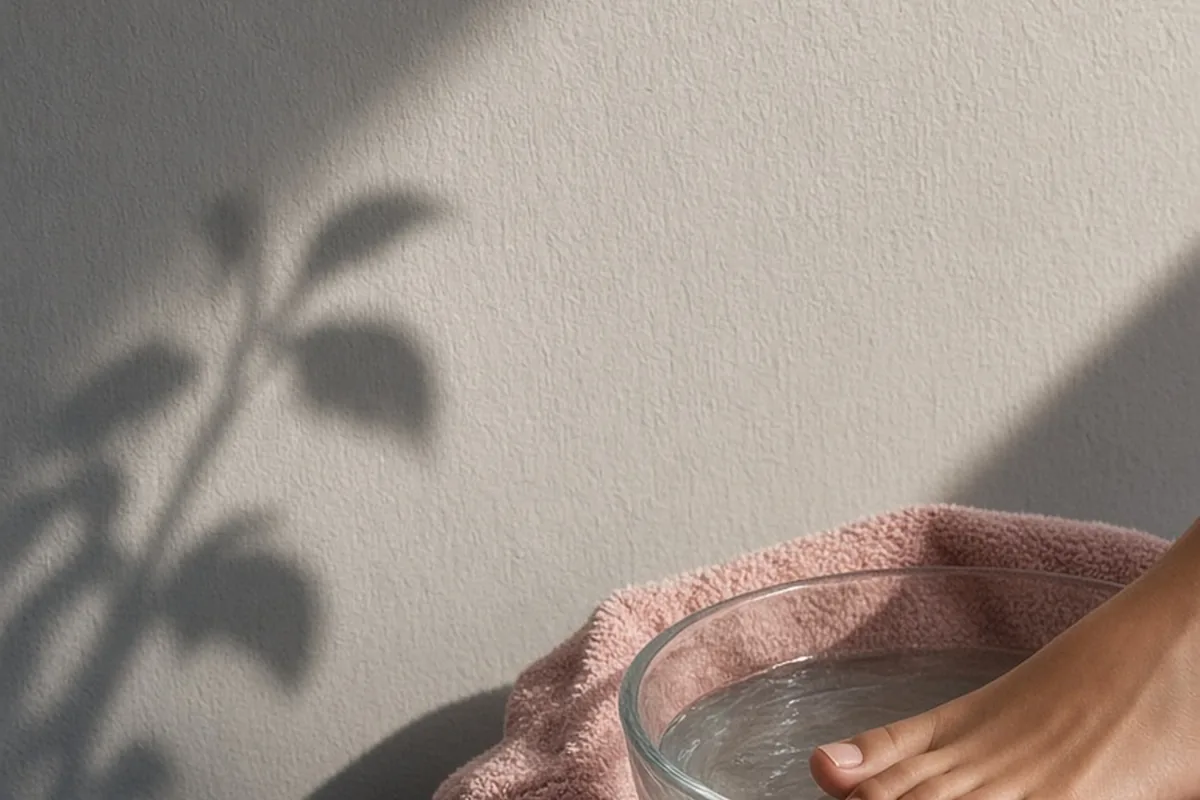
A pedicure checklist for someone living with diabetes focuses on minimizing infection risk, avoiding skin breaks, and ensuring gentle foot care. Key steps include verifying salon sterilization protocols, requesting waterless or lukewarm soaks without harsh jets, declining sharp metal implements or blade callus removal, insisting on straight-across nail trimming with gentle filing, and conducting a thorough self-inspection of the feet before and after every appointment.
Navigating routine personal grooming while managing diabetes requires balancing relaxation with thoughtful precautions. Elevated blood glucose levels can impair circulation and nerve sensitivity, turning minor salon mishaps into slow-healing wounds or serious infections.
Pre-Appointment Preparation and Salon Selection
Choosing where and when to schedule your pedicure is just as vital as the appointment itself. Look for salons that openly display hospital-grade autoclave sterilization equipment rather than relying purely on liquid chemical disinfectant jars. Visiting a specialized medical nail spa or a salon staffed by certified advanced nail technicians trained in chronic health conditions provides an added layer of safety. When booking, request the first appointment of the morning, when foot basins, workstations, and air quality are at their freshest and foot baths have undergone thorough overnight disinfection.
Before heading to your appointment, perform a detailed self-assessment in natural light. Look across your soles, heels, and between each toe using a handheld mirror if necessary to spot any existing abrasions, blisters, cracking, ingrown edges, or fungal discoloration. If you discover any open sores or active skin breakdowns, cancel your cosmetic salon visit and consult a podiatrist instead. Cosmetic pedicure products, massage friction, and soaking water can introduce bacteria into non-intact skin, dramatically increasing infection risks.
Preparing ahead of time also involves packing your own personal tool kit if the salon permits it. Bringing your own sterilized stainless steel clippers, glass nail files, and buffer blocks eliminates the variable of salon cross-contamination entirely. Make sure your tools are properly sanitized before and after every single use at home using medical-grade isopropyl alcohol or specialized tool sterilizers.
- Select the earliest morning slot to guarantee clean foot basins and fresh sanitation cycles.
- Inspect your feet at home for existing cuts, blisters, or skin cracks before leaving the house.
- Consider bringing your own personal, disinfected clippers and glass files to minimize cross-contamination.
- Verify that the salon uses an autoclave to sterilize reusable metal instruments between clients.
Direct Communication and Clear Boundaries with Your Technician
Clear communication with your technician establishes essential safety boundaries before any water touches your skin or tools touch your nails. Inform your technician right away that you have diabetes and require non-invasive, gentle foot care. A qualified technician will readily adapt their standard routine, adjusting water temperature, skipping blade-based tools, and using light, circulating strokes rather than aggressive pressure.
Establishing explicit ground rules prevents common salon mistakes before they happen. Politely decline any cutting or trimming of your cuticles, and state firmly that you do not want metal scrapers, rasps, or razor blades used on your heels. Technicians are accustomed to standard procedures designed for rapid cosmetic results, so giving proactive instructions ensures they do not automatically reach for aggressive smoothing implements out of habit.
Do not hesitate to speak up during the appointment if something feels uncomfortable, overly hot, or pinching. Peripheral neuropathy can dull sharp sensations, but any awareness of friction, heat, or excessive pressure warrants immediate pausing. A supportive technician will appreciate your guidance and prioritize your comfort and safety throughout the entire service.
- Inform your nail technician upfront that you manage diabetes and require gentle, non-invasive care.
- Explicitly decline cuticle nipping, razor blades, and metal cheese-grater style callus rasps.
- Instruct the technician to avoid vigorous deep-tissue foot massage, requesting gentle surface strokes instead.
- Speak up immediately if water feels warm or if any step causes discomfort or pinching.
Soaking Protocols, Water Temperature, and Basin Hygiene
The soaking stage requires strict attention to water quality and temperature. Traditional jetted foot whirlpools feature internal pipes that can harbor bacteria, biofilm, and fungal spores from prior clients if not meticulously dismantled and cleaned between appointments. Whenever possible, opt for pipeless foot basins, tubs equipped with disposable single-use plastic liners, or a modern waterless pedicure that relies on warm steamed towels and hydrating emulsions.
Water temperature requires careful moderation because diabetic neuropathy can prevent you from accurately gauging excessive heat, which can cause unexpected thermal burns or skin drying. Always ask the technician to test the water with their wrist or a bath thermometer, and test the water with your own hand or inner wrist before placing your feet into the basin. The water should feel comfortably lukewarm, never steaming or uncomfortably hot.
Keep the soaking duration strictly limited to five to ten minutes. Prolonged water immersion causes skin maceration, a condition where the outer epidermal layer softens excessively, becomes fragile, and tears under mild friction. Shorter soaking windows soften the nail plate and calloused areas adequately for gentle grooming while keeping the protective skin barrier intact.
- Choose pipeless foot spas, single-use tub liners, or waterless pedicure treatments.
- Test water temperature on your inner wrist or hand to confirm it is lukewarm rather than hot.
- Limit foot soaking time to under ten minutes to prevent skin maceration and tissue fragility.
Safe Nail Trimming, Filing, and Cuticle Preservation
Proper nail shaping prevents ingrown toenails and surrounding bacterial infections like paronychia. Instruct your technician to clip your toenails straight across, following the natural flat contour of the toe without curving downward deeply into the lateral nail folds. Leaving the nail slightly beyond the edge of the toe bed prevents the sharp lateral corners from piercing delicate skin as the nail grows out.
Filing should always be performed gently in a single direction rather than using an aggressive back-and-forth sawing motion. A fine-grit glass or crystal file is preferable because it seals the keratin layers of the nail plate, preventing splintering, jagged edges, or micro-snags that catch on socks. Technicians should never use pointed metal probe tools to aggressively scrape debris from beneath the nail plate, as this can separate the nail bed and create an entry point for pathogens.
Cuticles serve as the primary natural seal protecting the nail matrix from moisture, yeast, and bacteria. In a diabetes-safe pedicure, cuticles must never be cut, clipped, or aggressively trimmed with nippers. Instead, have the technician apply a gentle softening cream and lightly push the cuticle back with a rounded silicone pusher or an orangewood stick wrapped in soft cotton.
- Clip toenails straight across without rounding corners deeply into the nail grooves.
- Use a fine-grit crystal or glass file in one direction to smooth rough edges smoothly.
- Preserve living cuticle tissue by pushing cuticles back gently rather than clipping them.
- Avoid aggressive digging or sharp metal scraping beneath the toenail plates.
Callus Management and Exfoliation Limits
Callus buildup is common in individuals with diabetes due to altered foot biomechanics and pressure distribution, but aggressive removal in a salon setting is dangerous. Tools such as credo blades, metal rasps, or grating planes shave off live tissue along with dead skin, frequently causing micro-cuts that bleed or become infected. Insist that the technician rely exclusively on a gentle pumice stone or a fine-grit foot buffer applied with light pressure.
Chemical callus removers formulated with strong potassium hydroxide, concentrated salicylic acid, or harsh alkaline solutions should be avoided entirely. These chemical peels are designed to break down keratin proteins rapidly, but thin or sensitive diabetic skin can suffer chemical burns, erythema, and deep tissue ulcerations. Mild physical scrubs with fine granules or gentle urea-based moisturizing creams provide safer exfoliation over time.
Understand that managing heavy calluses safely is a gradual process that spans several routine sessions rather than a single dramatic salon appointment. Attempting to eliminate a thick callus completely in one sitting strips the skin barrier down to vulnerable, raw layers. If severe, painful calluses or corns persist, schedule an appointment with a podiatrist who can safely debride the excess skin using sterile medical instruments.
- Strictly refuse the use of blades, rasps, or cheese-grater style implements on heels and soles.
- Avoid strong chemical callus peels or high-concentration acid solutions that can burn fragile skin.
- Opt for light pumice buffering and moderate urea creams to smooth rough spots gradually over time.
- Refer severe, thick, or painful calluses to a licensed podiatrist for medical debridement.
Post-Pedicure Inspection and Home Aftercare
Your safety protocol extends beyond the salon chair into the subsequent forty-eight hours at home. As soon as you return home and remove your footwear, conduct a comprehensive foot inspection under good lighting. Check around every nail bed, the heel perimeter, and between your toes for any unnoticed nicks, localized redness, heat, swelling, or throbbing sensations that might signal early inflammation.
Daily moisturization maintains skin elasticity and prevents fissures, but application technique matters. Apply a non-comedogenic, hydrating foot cream containing ceramides or mild urea to the tops and soles of your feet immediately after bathing. Never apply lotion directly between your toes, as trapped moisture in the interdigital spaces promotes maceration, skin breakdown, and fungal conditions like athlete's foot.
Always wear clean, breathable socks made from natural moisture-wicking fibers like bamboo, merino wool, or specialized diabetic seamless socks after your appointment. Avoid walking barefoot, even indoors around your house, as newly smoothed soles are temporarily more delicate and susceptible to accidental splinters, punctures, or abrasions.
- Inspect your feet thoroughly 24 and 48 hours after your appointment for redness or swelling.
- Apply moisturizing cream to soles and heels while keeping the spaces between toes completely dry.
- Wear clean, seamless, moisture-wicking socks to protect newly exfoliated feet.
- Avoid walking barefoot indoors or outdoors following your salon treatment.
Scheduling Cadence, Costs, and Medical Podiatry Visits
Establishing an appropriate schedule helps maintain foot health without over-stressing the skin barrier. For most individuals with well-managed diabetes and intact sensation, scheduling a gentle pedicure every four to six weeks is sufficient to manage nail length and minor roughness. Over-frequent pedicures can lead to chronic cuticle inflammation and over-exfoliated soles.
Standard salon pedicures generally range from thirty-five to sixty dollars, while specialized waterless treatments or medical nail spas typically cost between seventy and one hundred twenty dollars. While medical nail spas carry a higher price point, their specialized training, private clinical settings, and hospital-grade autoclave equipment provide significant peace of mind. Tipping standards remain customary at fifteen to twenty percent for attentive, accommodating technicians who respect your medical precautions.
Maintain clear boundaries between cosmetic maintenance and medical foot care. If you have significant peripheral neuropathy, peripheral arterial disease, a history of diabetic foot ulcers, or severe toe deformities such as bunions or hammertoes, standard cosmetic salons are not recommended. In these circumstances, routine nail debridement and foot care should be performed exclusively by a licensed podiatrist covered under medical health plans.
- Maintain a 4 to 6 week interval between pedicure appointments to prevent over-manipulation.
- Budget for higher-end medical nail spas if you prefer specialized clinical sterilization standards.
- Tip technicians 15 to 20 percent for carefully adhering to non-invasive diabetic safety requests.
- Transition all foot maintenance to a podiatrist if you experience severe numbness, poor circulation, or ulcers.
Frequently asked questions
Can I get regular nail polish or gel polish if I have diabetes?
Traditional nail polish is generally safe if your nails and skin are intact. Gel polish can be used cautiously, but excessive acetone soaking and scraping required during gel removal can weaken the nail plate and irritate surrounding skin, making breathable, standard polish a gentler choice.
What should I do if a technician accidentally cuts my skin during a pedicure?
Ask the technician to immediately stop the service, wash the cut thoroughly with mild soap and clean water, and apply an antiseptic and sterile dressing. Monitor the area closely over the next several days, and contact your doctor or podiatrist immediately if you notice redness, swelling, warmth, or drainage.
Is it safe to use foot massage chairs or receive reflexology during a pedicure?
Gentle, soothing foot rubs that promote circulation are generally safe, but intense deep-tissue reflexology or aggressive calf massage should be avoided, especially if you have peripheral neuropathy, blood vessel fragility, or deep vein thrombosis risks.
Your next step
Print or save this checklist on your phone so you can confidently review safety steps and set clear boundaries with your technician before your next salon pedicure.