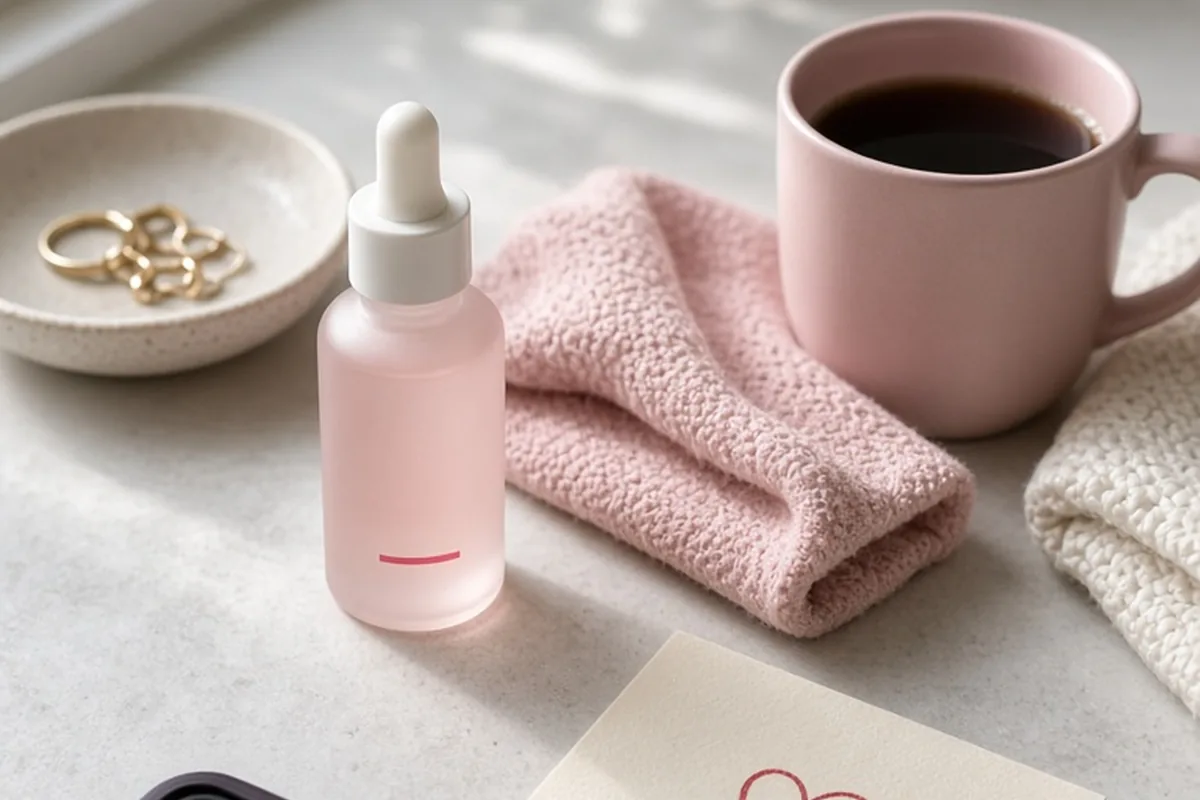
Peptides are short chains of amino acids that serve as building blocks for essential skin proteins like collagen and elastin. When applied topically, they signal the skin to support firmness, retain moisture, and strengthen the moisture barrier. For beginners, the simplest way to start is by applying a gentle peptide serum or moisturizer once or twice daily after cleansing and before heavier oils or broad-spectrum sunscreen.
Starting a new skincare active can feel overwhelming when product labels list complex chemical names and conflicting routine steps. Peptides offer an approachable entry point because they generally deliver restorative support with minimal risk of irritation compared to harsher exfoliating acids or potent retinoids.
Understanding What Peptides Are and How They Function
To understand how peptides work, it helps to look at the structural foundation of the skin. Skin tissue relies on large proteins such as collagen, elastin, and keratin to maintain its firmness, elasticity, and resilience. Proteins are composed of individual amino acids linked together in long, complex structures. Peptides are essentially short fragments of these amino acid chains. When proteins naturally break down due to aging, sun exposure, or environmental stress, smaller peptide fragments are left behind. In a biological context, these fragments act as biochemical signals informing cells that structural repair is needed.
When you apply topically formulated peptides, the goal is to provide targeted signaling to the surface layers of the skin. Cosmetic chemists formulate specific peptide sequences designed to encourage moisture retention, soothe inflammation, and support the skin matrix. Because whole collagen molecules are typically too large to penetrate the outer stratum corneum effectively, smaller peptide sequences are used so they can interact more easily with skin surface pathways. Rather than acting as a direct physical patch, peptides function like gentle cellular messengers that prompt the skin to maintain its own structural health.
Different types of peptides perform distinct functions in topical skincare. Signal peptides, such as palmitoyl pentapeptide-4, are formulated to encourage skin renewal and collagen support. Carrier peptides, including copper peptides, deliver trace minerals necessary for natural tissue repair and antioxidant defense. Neurotransmitter-inhibiting peptides are designed to temporarily soften the appearance of expression lines, while enzyme-inhibitor peptides work to slow the natural degradation of existing structural proteins. Understanding these categories allows beginners to select formulas that directly address their specific skin priorities.
Key Benefits and Realistic Expectations for Beginners
One of the primary benefits of adding peptides to a beginner routine is widespread barrier reinforcement. A healthy skin barrier requires balanced lipids and structural integrity to prevent transepidermal water loss and protect against external irritants. Formulations containing peptides help create a resilient surface environment, allowing dry, tight, or depleted skin to retain hydration more effectively throughout the day. Over time, consistent use often leads to a plumper, softer skin texture and a calmer overall complexion.
In addition to barrier support, peptides can assist with early signs of aging and loss of elasticity. Unlike potent resurfacing treatments that work through rapid cellular shedding, peptides work gradually through cumulative nourishment. Regular application can help smooth the look of fine lines, improve bounce, and enhance skin tone uniformity. Because peptides are naturally skin-identical compounds, they are exceptionally well tolerated by sensitive skin types that cannot endure traditional anti-aging ingredients like high-strength retinoids or daily alpha hydroxy acids.
Setting realistic expectations is essential when incorporating peptides. Topical skincare products cannot replicate the immediate or dramatic results of professional cosmetic procedures. Peptides do not instantly erase deep wrinkles or permanently lift sagging tissue. Instead, they provide steady, subtle maintenance that preserves skin health over months of consistent use. You should expect improvements in hydration and surface smoothness within a few weeks, while noticeable improvements in skin firmness generally require two to three months of regular daily application.
How to Choose the Right Starter Product and Delivery Format
Peptides are formulated into a wide variety of skincare products, including cleansers, toners, serums, eye creams, and rich moisturizers. For beginners, the product format makes a substantial difference in how effectively the ingredients perform. Because peptides need time to absorb and interact with the upper layers of the epidermis, leave-on products deliver far more value than rinse-off cleansers. Investing in a peptide cleanser is rarely cost-effective because the active ingredients are washed down the drain before they can provide meaningful benefit.
Water-based serums and lightweight barrier creams represent the most practical delivery vehicles for beginners. A lightweight peptide serum provides maximum versatility because it layers easily under existing moisturizers and sunscreens without feeling heavy or causing product pilling. If your primary goal is combating dryness and repairing a damaged moisture barrier, choosing a peptide-infused ceramide moisturizer allows you to consolidate routine steps while pairing peptides with complementary skin-repairing lipids.
When evaluating product ingredient lists, look for specific INCI names rather than vague marketing claims on the front label. Quality beginner products typically list peptide compounds within the middle or upper section of the ingredient list, often alongside humectants like glycerin or sodium hyaluronate. If you have acne-prone skin, opt for oil-free gel serums, whereas individuals with dry or mature skin may prefer rich cream bases containing nourishing fatty acids.
- Opt for leave-on serums or moisturizers rather than wash-off cleansers to maximize absorption time.
- Check ingredient labels for recognized peptide compounds like palmitoyl tripeptide, tetrapeptide, or copper tripeptide-1.
- Select lightweight water-based serums for oily or combination skin, and richer lipid creams for dry or compromised skin.
- Ensure the product is packaged in an opaque, airtight container to protect delicate peptide chains from light and air degradation.
Step-by-Step Guide to Layering Peptides in Your Routine
Integrating a peptide product into your daily regimen is straightforward because peptides follow standard skincare layering rules based on product viscosity. As a general principle, skincare should be applied from thinnest consistency to thickest consistency. This ensures that lightweight, water-soluble active ingredients can penetrate properly before heavier occlusives and oils form a protective seal over the skin surface.
In the morning, begin with a gentle, non-stripping cleanser or a simple lukewarm water rinse. While your skin is slightly damp, apply your hydrating toner or essence if you use one, followed by your peptide serum. Gently pat two to three drops across your face, neck, and chest rather than aggressively rubbing the product. Allow the serum thirty to sixty seconds to settle into the skin, then follow with a daily moisturizer. Complete your morning routine with a broad-spectrum sunscreen with an SPF rating of 30 or higher to protect newly supported skin structures from UV degradation.
In the evening, the application process is very similar and focuses on overnight recovery. Start by thoroughly removing makeup and sunscreen with a double cleanse if needed. Apply your peptide serum directly to clean skin or over a lightweight hydrating mist. If your nighttime routine also includes heavier facial oils or overnight sleeping masks, always apply those products as the final step. This layering sequence locks in the humectants and peptides beneath an emollient barrier, supporting optimal overnight skin recovery.
Combining Peptides with Other Common Skincare Actives
A major advantage of standard signal and carrier peptides is their broad compatibility with other popular skincare ingredients. Peptides pair exceptionally well with humectants like hyaluronic acid and glycerin, as well as soothing barrier agents like ceramides, centella asiatica, and panthenol. Combining peptides with niacinamide is particularly beneficial, as niacinamide supports skin tone clarity and pore appearance while peptides encourage resilience and elasticity.
Care must be taken when combining certain peptide formulas with strong direct acids or low-pH vitamin C products. Pure L-ascorbic acid and high-strength exfoliating acids such as glycolic acid, lactic acid, or salicylic acid operate at an acidic pH level. Exposing delicate peptide chains to highly acidic environments can potentially disrupt peptide bonds through a process known as hydrolysis, rendering them less effective. Furthermore, combining strong acids with specialized copper peptides can lead to ingredient instability and skin irritation.
To avoid formulation conflicts, adopt a simple routine separation strategy. Use your direct exfoliating acids or pure vitamin C serum during one part of the day, such as your morning routine, and reserve your peptide serum for your evening routine. Alternatively, alternate usage on different days of the week. If you use a gentle retinoid at night, many non-copper peptide serums can safely be layered alongside it to buffer against retinoid-induced dryness and support overall barrier comfort.
Common Mistakes to Avoid as a Beginner
A frequent misstep among beginners is abandoning peptide products too quickly due to unrealistic expectations. Many individuals expect overnight transformations similar to the immediate blurring effect of silicone primers or the rapid peeling seen with chemical exfoliants. Because peptides work through gentle signaling and long-term barrier reinforcement, stopping use after only two weeks prevents you from seeing structural improvements. Give any new peptide product at least eight to twelve weeks of consistent application before assessing its true performance.
Another common mistake is overloading the routine with multiple overlapping peptide formulations. Purchasing three different peptide serums, a peptide essence, and a peptide night cream does not triple your results; instead, it often leads to product pilling, wasted money, and potential irritation from preservative overload. A single well-formulated leave-on serum or moisturizer provides more than enough active peptide concentration for daily maintenance.
Beginners also sometimes neglect sun protection while focusing heavily on anti-aging serums. Ultraviolet radiation is the primary environmental factor responsible for breaking down collagen fibers and accelerating skin aging. Applying peptide products to encourage collagen health while skipping daily sunscreen is counterproductive. Consistent daily application of broad-spectrum SPF is non-negotiable if you want to preserve the restorative benefits that peptides provide to your skin.
Monitoring Skin Progress and Adjusting Your Regimen
Tracking how your skin responds to a new peptide routine requires observing subtle shifts in comfort, texture, and resilience. During the first two to four weeks, focus on barrier health markers. You should notice decreased feelings of post-wash tightness, less flaking, and improved skin suppleness throughout the day. Take neutral-lighting photographs at the start of your journey to provide an objective baseline for future comparison, as gradual daily changes can be difficult to notice in the mirror.
As you approach the eight-to-twelve-week mark, look for improvements in surface elasticity and overall smoothness. Fine dehydration lines around the eyes and forehead often appear softer and less pronounced as moisture retention improves. If your skin feels well-tolerated and balanced, you can choose to maintain your current routine or strategically introduce complementary ingredients, such as a low-strength encapsulated retinoid in the evening to further target firming goals.
Skincare needs also fluctuate with changing seasons and lifestyle factors. During cold, dry winter months, you might prefer transitioning from a standalone peptide serum to a rich peptide-and-ceramide recovery balm to combat harsh indoor heating. In humid summer conditions, switching back to a lightweight, oil-free peptide gel can keep your skin hydrated without feeling greasy. Pay attention to how your skin feels and adjust your product textures accordingly.
Frequently asked questions
Can I use peptides every day?
Yes, peptides are gentle, non-irritating ingredients designed for daily use. You can safely apply most peptide serums or moisturizers once or twice daily during your morning and evening skincare routines.
How long does it take for peptides in skincare to show visible results?
Hydration and barrier improvements are often noticeable within two to four weeks of daily use. More visible improvements in skin firmness, elasticity, and fine lines typically require consistent application over eight to twelve weeks.
Are peptides suitable for sensitive or acne-prone skin?
Peptides are generally well-tolerated by sensitive and acne-prone skin because they do not force rapid exfoliation or clog pores on their own. Beginners with breakout-prone skin should choose lightweight, oil-free water serums rather than heavy emollient creams.
Can I use peptides and retinol together?
Most standard signal peptides can be safely combined with retinol in the same evening routine. Peptides help hydrate and calm the skin, which can ease the dryness and mild irritation often associated with retinoid use.
Your next step
Choose one well-formulated leave-on peptide serum or moisturizer, apply it consistently once or twice daily after cleansing, and pair it with daily broad-spectrum sunscreen to support long-term skin health.