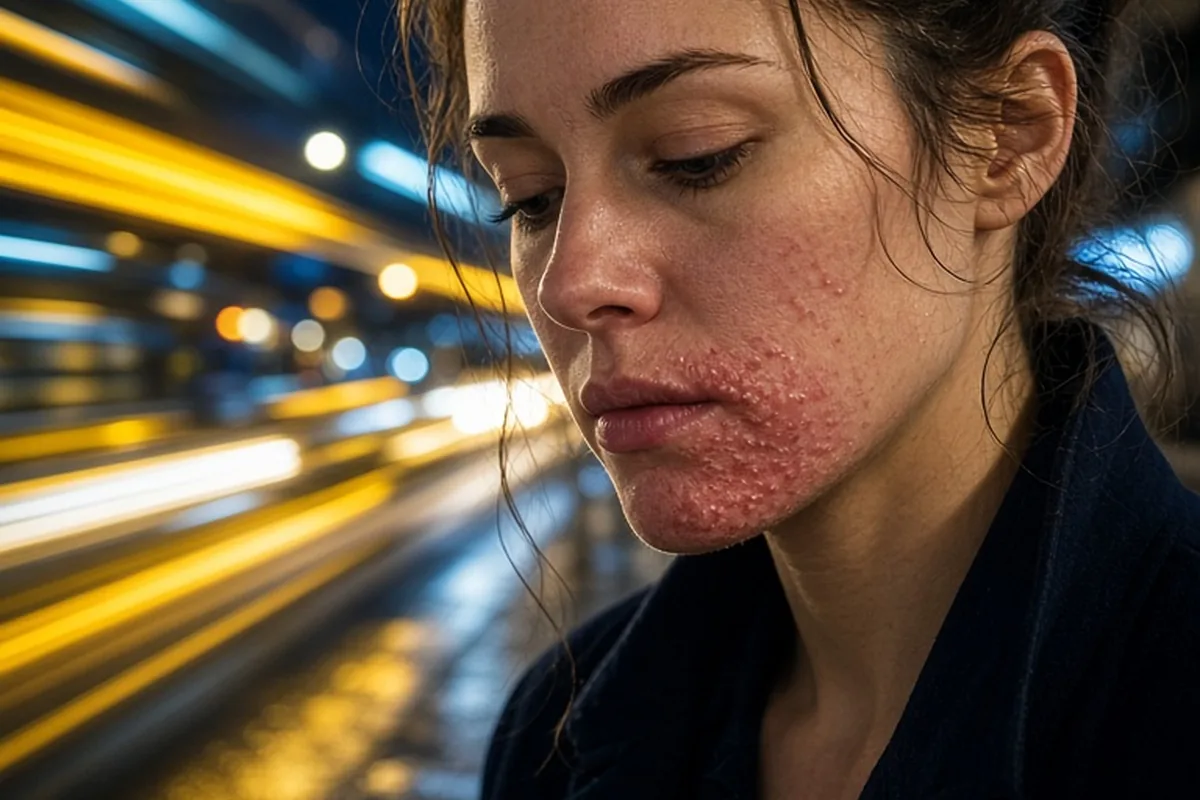
Perioral dermatitis is an inflammatory facial condition that causes small red bumps, flaking, and burning sensations primarily around the mouth, chin, and nose. Beginners can best manage a flare-up by immediately pausing harsh active ingredients, thick occlusive balms, and topical steroids, switching to a minimalist routine with a gentle cleanser, and consulting a healthcare provider if symptoms do not improve.
Navigating an unexpected rash around your mouth can feel overwhelming, especially when traditional acne or dry skin remedies seem to make the redness, itching, and tiny bumps noticeably worse.
Recognizing Perioral Dermatitis and Telling It Apart from Other Rashes
Perioral dermatitis presents as clusters of small, pink or red papules, delicate micro-pustules, and patches of dry, flaky skin concentrated around the lower half of the face. Unlike typical blackheads or whiteheads seen in comedonal acne, these bumps are often accompanied by distinct burning, tightness, or stinging rather than deep tenderness. A classic visual hallmark is a narrow spared border of clear skin immediately bordering the vermilion edge of the lips, though the inflammation can occasionally migrate toward the nasolabial folds and outer corners of the eyes.
Telling this condition apart from contact dermatitis, rosacea, or traditional acne vulgaris is essential because treatments intended for other concerns frequently aggravate perioral flare-ups. For instance, applying benzoyl peroxide or strong exfoliating acids on perioral dermatitis often damages the compromised moisture barrier further, causing the bumps to spread. If your facial rash flares after using rich creams or appears suddenly without typical clogged pores, stepping back to evaluate the rash as an inflammatory barrier issue rather than simple breakout activity is the most constructive starting point.
Understanding Common Triggers Behind Initial Flare-Ups
While the precise root cause of perioral dermatitis varies among individuals, routine habits and environmental exposures are frequent contributors. Topical corticosteroid use stands out as one of the most prominent triggers; even mild, over-the-counter hydrocortisone creams applied to soothe minor facial redness can cause a severe rebound flare when discontinued. Similarly, inhaled or nasal steroids, heavy fluoridated toothpastes, and rich, petrolatum-dense moisturizers can disrupt local skin flora and follicle dynamics.
Layering multiple active skincare products can also overwhelm delicate facial tissue. Routine practices like facial slugging, frequent chemical peeling, using high-concentration retinoids, and wearing occlusive foundation for extended periods create an environment where the skin barrier breaks down. Recognizing which products coincide with your flare helps you pinpoint what needs temporary removal while your skin rebalances.
Implementing a Minimalist Routine with Zero Therapy
The cornerstone of early perioral dermatitis care is often referred to as zero therapy, which involves eliminating all non-essential skincare products to allow the skin to calm on its own. For the first one to two weeks, this means setting aside serums, exfoliants, anti-aging creams, and heavy cosmetics, washing the face solely with lukewarm water or an ultra-mild, fragrance-free cleanser. Giving the skin a clean slate reduces friction and eliminates contact irritants that perpetuate ongoing inflammation.
Although simplifying your routine sounds straightforward, it requires patience because skin can initially feel uncomfortably tight or dry during the adjustment window. Instead of reaching for heavy balms, beginners can use a very light, water-based hydrating gel or lotion formulated specifically without fragrance, essential oils, or heavy occlusive waxes. The objective is not to aggressively hydrate the skin, but rather to minimize daily biological stress so the skin barrier can restore its natural equilibrium.
Selecting Gentle Cleansers and Non-Comedogenic Hydrators
When washing your face, choose gentle, non-foaming liquid cleansers or micellar waters that do not strip natural surface lipids. Harsh surfactants like sodium lauryl sulfate can worsen perioral redness by dissolving essential barrier ceramides. Wash using only the pads of your fingers and tepid water, patting dry with a clean, soft cotton towel rather than rubbing, which creates mechanical irritation on already vulnerable skin.
If your skin feels excessively parched after cleansing, select a lightweight lotion containing soothing, barrier-supportive ingredients like basic ceramides, squalane, or glycerin. Steer clear of thick plant butters such as shea butter, coconut oil, and heavy mineral oil ointments around the lower face. A practical rule for perioral dermatitis is that lighter, breathable textures are far less likely to trap heat and encourage bacterial or yeast imbalances than heavy creams.
Modifying Daily Habits and Oral Care Products
Managing perioral dermatitis extends beyond topical skincare products into everyday personal care habits. Toothpaste formulated with strong synthetic flavorings, harsh foaming agents, or high fluoride levels can dribble around the mouth during brushing, maintaining localized inflammation. Switching temporarily to a simple, unflavored or mild, non-whitening, sulfate-free paste can dramatically reduce contact irritation around the chin and lip corners.
Mechanical friction from resting your chin in your hands, wearing tight face coverings for prolonged periods, or using rough washcloths can also sustain a cycle of irritation. Be mindful of phone screens pressing against the lower face and ensure pillowcases are laundered regularly in fragrance-free detergents. Small adjustments in daily tactile habits provide a calmer environment for the skin to heal naturally.
Knowing When to Seek Professional Dermatological Care
While mild cases of perioral dermatitis can improve with consistent trigger avoidance and gentle care, persistent or painful flares often require prescription medical intervention. If your skin shows no visible improvement after two to three weeks of a stripped-down routine, or if the rash is spreading rapidly toward the eyelids, scheduling an evaluation with a board-certified dermatologist is the safest course of action.
Dermatologists can prescribe topical anti-inflammatory treatments such as metronidazole, azelaic acid, or topical calcineurin inhibitors, which calm inflammation without the rebound risks associated with steroids. In moderate to severe cases, a short course of oral anti-inflammatory antibiotics may be recommended to clear the rash entirely. Having a professional guide your treatment helps ensure you address the condition accurately without accidentally prolonging the flare through trial and error.
Illustrative Scenarios
Simplifying a Multi-Step Routine During a Persistent Flare
An individual dealing with persistent red bumps and dryness around the mouth initially tried treating the issue with an acne spot treatment and a rich nighttime barrier balm, which caused the redness to spread. After learning about perioral dermatitis triggers, they paused all active ingredients, switched to a sulfate-free toothpaste, washed once daily with a gentle non-foaming cleanser, and applied only a light, fragrance-free squalane drop when dryness felt severe.
Key point: Eliminating rich occlusives and active exfoliants allows inflamed facial skin to decompress, demonstrating that less product is often the most effective initial response.
Frequently asked questions
How long does it typically take for perioral dermatitis to calm down?
Recovery timelines vary depending on severity and previous treatments, but mild cases often show noticeable improvement within two to four weeks of eliminating triggers. Severe cases or flares caused by prior steroid use may take several weeks to a few months to resolve completely under dermatological care.
Can I wear makeup while treating perioral dermatitis?
It is best to avoid liquid foundations, concealers, and heavy setting powders directly on the affected area during an active flare, as they can trap heat and irritate the skin. If cosmetic coverage is necessary, choose a minimal dusting of pure mineral powder and remove it gently at the end of the day.
Is azelaic acid safe to use during a flare-up?
Azelaic acid is frequently recommended by dermatologists for its gentle anti-inflammatory and redness-reducing properties, but formulation matters significantly. Over-the-counter options with complex inactive ingredients can still cause stinging, so it is advisable to get guidance from a medical provider before adding it to an active rash.
Why did my rash get worse after stopping a hydrocortisone cream?
Topical steroids temporarily suppress surface blood vessels, creating the illusion of quick healing while weakening the deeper barrier and altering local skin flora. When the steroid is stopped, the underlying inflammation returns as a classic rebound flare that requires patience and non-steroid medical care to resolve.
Your next step
Audit your daily routine today by setting aside all active exfoliants, rich balms, and scented products, committing to a simple wash-and-hydrate approach while your skin recovers.