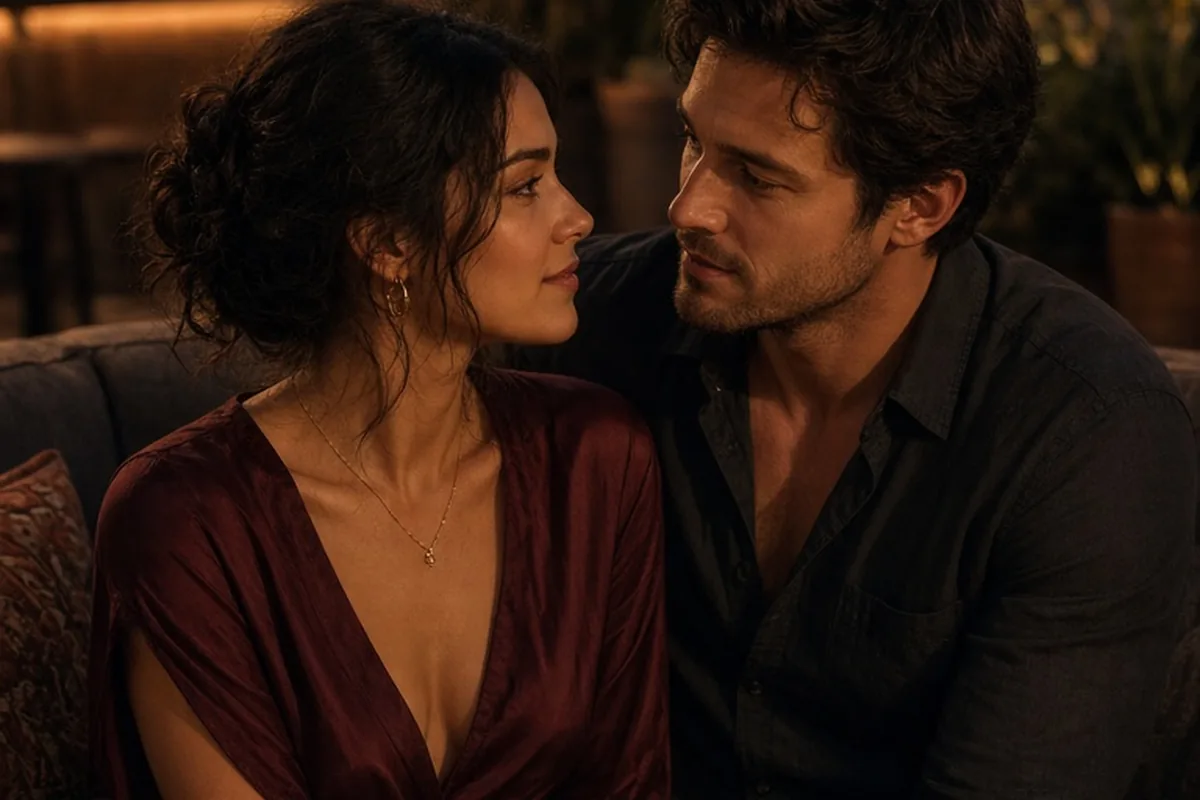
Porn for women generally refers to erotica and adult media designed to prioritize narrative context, mutual pleasure, authentic arousal, emotional or sensory immersion, and fair production practices. Rather than relying on mechanical pacing or one-sided depictions, this category spans audio stories, romance literature, aesthetically filmed video, and ethical indie cinema, allowing individuals and couples to explore fantasy on their own terms.
For decades, mainstream adult media relied on formulaic scripts and narrow visual conventions that left many viewers feeling bored, alienated, or unrepresented. As cultural conversations around sexual agency and personal preferences have grown, the landscape has diversified to offer varied formats that emphasize authentic desire, quality storytelling, and mutual respect.
The Core Elements That Define Adult Media for Women
While every person possesses unique turn-ons, content intentionally marketed toward or created by women tends to shift the focal point from mechanical performance to holistic sensory engagement. Traditional commercial adult media often centers a narrow perspective where physical acts are hurried, emotional stakes are absent, and visual angles prioritize a spectator rather than the participants' mutual experience. In contrast, media crafted with female audiences in mind frequently highlights anticipation, full-body sensuality, partner communication, and the psychological buildup that makes intimacy compelling.
A key element in this approach is the authentic portrayal of female pleasure. Rather than treating arousal as an instant switch or relying on exaggerated, performative reactions, thoughtful erotica presents desire as gradual, nuanced, and varied. This might include showing varied touch, genuine verbal engagement, and a visible emphasis on the receiver's comfort and satisfaction. A practical limitation to keep in mind, however, is that labeling something as intended for women does not mean it will resonate with every female viewer; individual tastes range widely from gentle romantic narratives to intense kink, proving that there is no singular template for what women find appealing.
Why Audio Erotica and Written Fiction Resonate Strongly
One of the fastest-growing categories in modern adult entertainment is non-visual erotica, particularly serialized romance novels and sound-engineered audio stories. Audio platforms use skilled voice actors, ambient background noise, and detailed storytelling to create deeply personal, immersive worlds. The advantage of listening or reading is cognitive: it engages the imagination, allowing the consumer to construct the scene, the participants, and the pacing according to their own exact preferences rather than having a fixed visual imposed on them.
Consider an audio track featuring a scenario where two characters navigate a slow-burning confession followed by private intimacy. The listener can focus entirely on the warmth of the voice, the cadence of breathing, and the emotional tension of the dialogue. The trade-off with audio and written formats is that they require active attention and cognitive effort. Unlike passive video consumption, engaging with fiction or soundscapes demands an environment free of multitasking, meaning these formats may feel less practical for someone seeking immediate, low-effort physical release.
Visual Aesthetics and Ethical Production Standards
For those who do prefer visual media, the ethical erotica movement has reshaped how films are directed, lit, and produced. In these productions, filmmakers often use cinematic lighting, diverse casting, realistic body types, and natural physical responses. The camera rarely stays fixed in static, clinical wide shots; instead, it captures intimate details such as facial expressions, hands gripping sheets, and shared laughter, grounding the physical act in recognizable human warmth.
Beyond aesthetics, ethical production focuses heavily on labor rights, enthusiastic performer consent, and equitable pay. For many consumers, knowing that performers are treated fairly and have creative control over their boundaries is an essential component of being able to relax and enjoy the material. The practical reality, however, is that independent, ethical studios usually operate behind subscription paywalls to compensate performers fairly. Accessing well-crafted visual erotica often means supporting small creators financially rather than relying on free, ad-supported aggregation sites.
Navigating Shame and Redefining Personal Curiosity
Many adults, regardless of gender, carry conditioning that suggests an interest in erotica is something to hide, minimize, or feel guilty about. Cultural messaging historically encouraged women to be passive recipients of romantic attention rather than active agents with explicit, varied fantasies. When someone begins exploring erotica tailored to their tastes, they may experience conflicting feelings: curiosity alongside a lingering worry that their interests are unusual or taboo.
Unpacking that conditioning involves recognizing that fantasy is a private sandbox for the mind, not a moral assessment or a direct plan for real-life action. For instance, enjoying intense dynamic play or specific power imbalances in fiction does not mean an individual wants those situations in their everyday partnership. A healthy approach involves treating curiosity with nonjudgmental observation. The limitation here is that self-reflection takes time; dismantling decades of cultural reticence does not happen overnight, and giving yourself permission to explore at your own pace is essential.
Introducing Erotica into a Relationship with Clarity and Care
Bringing adult media into a romantic partnership can be an enjoyable way to discover new interests, but it requires thoughtful communication to prevent misunderstandings. Often, one partner might worry that introducing content signals dissatisfaction or an attempt to replace shared intimacy. When broaching the topic, frame the conversation around curiosity and mutual fun rather than an unmet deficit, making it clear that external media is a supplementary spark, not a replacement for your partner.
A collaborative way to begin is by exploring narrative or audio erotica together during a relaxed evening, or by sharing short excerpts that captured your imagination. For example, you might say, 'I read this scene earlier that had an incredible buildup, and I liked the dynamic between the characters; want to read it together?' This invites engagement without demanding an immediate physical performance. The primary boundary to maintain is consent: if a partner feels uncomfortable or overwhelmed by media exploration, their limits must be respected without pressure or guilt.
Separating Media Fantasy from Real-World Expectations
Even when adult media is ethically made and artistically nuanced, it remains a curated medium designed to highlight heightened moments. Fiction cuts away awkward transitions, pauses, physical adjustments, and fatigue, presenting an idealized rhythm that does not mirror the relaxed, unpredictable nature of real human connection. When viewers mistake high-production pacing for a baseline standard, it can create unnecessary performance anxiety in the bedroom.
To keep a grounded perspective, view erotica as inspiration rather than a manual. Pay attention to the underlying emotions—such as vulnerability, assertiveness, or playfulness—rather than attempting to replicate exact physical choreography. If a scene depicts prolonged, seamless passion, recognize that in everyday life, warmth, genuine communication, and laughter are far more conducive to long-term fulfillment than attempting to recreate a choreographed scene to the letter.
Illustrative Scenarios
Navigating Mediums and Shifting Expectations
Elena, a 31-year-old designer, found herself completely turned off by standard online adult videos, assuming she simply lacked interest in erotic content altogether. When friends discussed popular romance novels and immersive audio apps, she initially dismissed them as novelty items. However, after trying a story-driven audio app during an evening alone, she discovered that the deliberate pacing, vocal nuance, and psychological buildup matched her natural arousal patterns. Her initial dilemma was assuming that disliking commercial video meant disliking erotica entirely, but sampling distinct mediums revealed that her interest relied heavily on narrative immersion.
Key point: Personal arousal patterns often depend on the medium and context of storytelling rather than visual presentation alone.
Addressing Insecurity Around Shared Media
Julian felt uneasy when his partner suggested watching an indie ethical adult film together, immediately worrying that his own physical presence or technique was falling short. Instead of withdrawing or reacting defensively, Julian asked his partner what elements of the film interested her most. She explained that she appreciated the visible communication and focus on mutual anticipation, which she thought would be fun to discuss together. Julian realized the suggestion was an invitation for shared adventure rather than an unspoken critique, allowing them to watch the material comfortably without performance pressure.
Key point: Treating a partner's interest in adult media as collaborative curiosity prevents self-doubt and fosters honest communication.
Frequently asked questions
Why do many people prefer written or audio erotica over visual film?
Audio and written erotica allow the consumer's imagination to fill in visual details, creating a customized experience tailored to personal desires. They also place stronger emphasis on character motivation, anticipation, and internal emotion, which many find more arousing than explicit visual acts alone.
What separates ethical adult media from standard commercial content?
Ethical adult media prioritizes fair compensation, performer autonomy, transparent working conditions, and informed consent for every scene. The resulting content also tends to feature natural physical responses, diverse body types, and deliberate narrative direction.
Does consuming erotica indicate a problem in a committed relationship?
Not necessarily, as private fantasy is a normal aspect of individual sexuality that often exists alongside a healthy, committed partnership. When used thoughtfully, it can serve as a personal outlet or a creative catalyst for mutual conversation between partners.
Your next step
Take one unhurried evening to sample a single new medium—such as a narrative audio chapter, an ethical indie short, or an erotic novel—and notice what themes, pacing, or tones genuinely hold your interest.