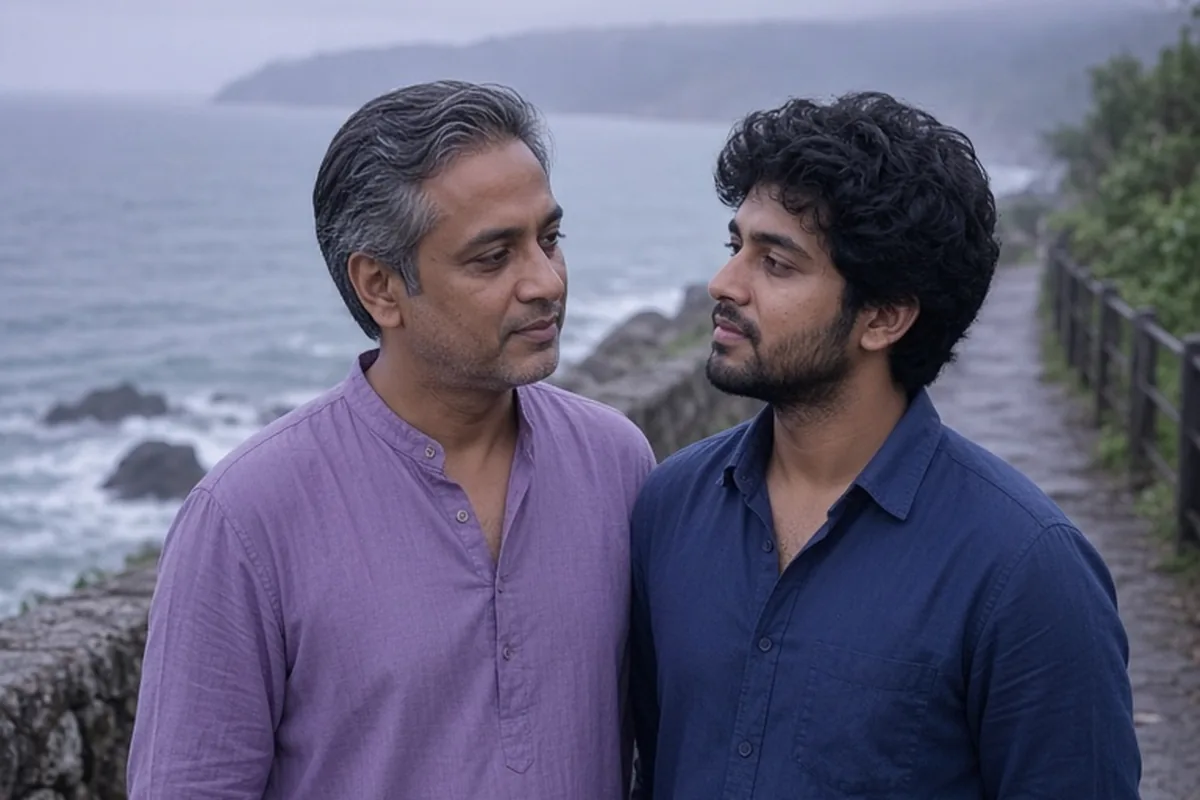
Prince Manvendra Singh Gohil of Rajpipla, Gujarat, is recognized globally as the first openly gay royal prince. After publicly coming out in 2006 despite severe cultural and familial resistance, he dedicated his platform to advancing LGBTQ rights in India. Through his non-profit organization, the Lakshya Trust, and his work converting ancestral land into an inclusive sanctuary, he champions sexual health education, youth shelter, and legal equality.
Navigating personal authenticity within rigid traditional institutions presents profound challenges, especially when family legacy and public expectations are closely entwined. The journey of Prince Manvendra Singh Gohil demonstrates how one individual can transform personal vulnerability into a sustained movement for human rights, health equity, and societal understanding.
The Historic Decision to Come Out Publicly
In March 2006, Prince Manvendra Singh Gohil made the groundbreaking decision to speak openly about his sexual orientation in an interview with a regional Gujarati newspaper. As the crown prince of the former princely state of Rajpipla, his announcement challenged deep-rooted social taboos regarding gender and sexuality in conservative circles of Indian society. At the time, same-sex relations were heavily stigmatized and criminalized under colonial-era statutes, making his disclosure an unprecedented public statement from an aristocratic figure.
The immediate aftermath was marked by severe societal outrage and intense personal turmoil. Effigies of the prince were burned in his hometown, and his parents publicly renounced and disinherited him through notices in local newspapers to preserve family honor. Despite the sudden loss of social standing, familial protection, and financial security, Gohil stood firmly by his disclosure. He recognized that maintaining silence had cost him years of internal distress, including a brief, unconsummated traditional marriage and subsequent severe clinical depression. By openly declaring his identity, he sought to normalize the conversation around homosexuality for millions of people across South Asia who felt forced to hide their true selves.
Grassroots Public Health Advocacy Through Lakshya Trust
Long before his international recognition, Gohil recognized the urgent need for health intervention and social safety nets for marginalized communities. In 2000, he co-founded the Lakshya Trust, a community-based organization dedicated to promoting sexual health, HIV/AIDS awareness, and mental healthcare among men who have sex with men (MSM) and transgender individuals in Gujarat. Operating in a conservative environment required delicate negotiation, strategic outreach, and relentless determination to earn the trust of vulnerable populations.
The organization established drop-in centers, distributed preventative resources, and implemented peer-led counseling programs designed to reduce the spread of sexually transmitted infections. Under Gohil's leadership, the trust partnered with state-level health departments and international public health entities to provide free clinical screenings, legal aid, and crisis intervention services. By framing their work around public wellness and fundamental human dignity, the organization gradually shifted local attitudes and created vital support systems for individuals who were otherwise completely excluded from mainstream healthcare infrastructure.
Converting Royal Heritage into a Safe Space for Vulnerable Youth
Recognizing that queer youth often face severe rejection upon revealing their identity to conservative families, Gohil embarked on an ambitious initiative to turn his personal property into a permanent sanctuary. He committed his fifteen-acre ancestral estate in Hanumanteshwar, situated along the Narmada River, to be developed into a dedicated LGBTQ resource center and residential shelter. The project addresses a critical societal failure: the widespread homelessness, destitution, and loss of educational opportunities experienced by individuals rejected by their biological relatives.
The shelter was envisioned not merely as a temporary crisis lodging, but as a comprehensive empowerment campus. Plans include clinical facilities, counseling centers, vocational training workshops, and agricultural skill-building programs to help residents achieve long-term economic independence. A notable structural challenge in establishing such centers is securing sustainable funding and navigating municipal zoning regulations in rural areas. Despite these logistical hurdles, the initiative exemplifies a practical model of restorative justice, using inherited privilege to build community infrastructure that provides physical safety and emotional healing for disowned individuals.
Navigating Family Estrangement, Tradition, and Personal Truth
The personal trajectory of Prince Manvendra offers important insights into the painful realities of family estrangement and the gradual process of reconciliation. In dynastic families, personal desires are historically subordinated to the continuation of the lineage and the maintenance of public prestige. When Gohil came out, the initial reaction of total disownment illustrated how deeply fear of social ostracization can drive relatives to sever ties with their own children.
Over the subsequent years, however, Gohil maintained a policy of calm communication, boundary enforcement, and patience rather than reciprocal hostility. Gradually, certain family relationships began to soften, most notably with his father, who eventually welcomed him back into family dialogues and recognized the legitimacy of his charitable efforts. This complex dynamic illustrates that reconciliation after intense cultural conflict rarely happens overnight; it requires clear personal boundaries, mutual exposure over time, and an unwavering commitment to living authentically regardless of external validation.
International Visibility and Reshaping Global Perceptions
Gohil's story quickly resonated far beyond the borders of India, attracting widespread global media attention. His candid interviews on major international platforms, including multiple appearances on The Oprah Winfrey Show and features in global publications, introduced international audiences to the intersection of South Asian cultural traditions and modern queer activism. His presence helped dispel monolithic Western stereotypes about Eastern attitudes while offering a relatable, dignified voice for queer individuals of South Asian heritage worldwide.
Using his international visibility strategically, Gohil consistently directed global attention back to grassroots issues in India. Rather than settling into the role of a passive celebrity, he leveraged international speaking engagements to secure resources, forge alliances with global non-profit networks, and raise awareness about systemic discrimination. This deliberate approach demonstrated how personal fame can be redirected toward structural advocacy, ensuring that media coverage yields measurable benefits for the communities who need support most.
The Ongoing Struggle for Legal Protections and Civil Rights
Gohil was an outspoken proponent during the decades-long campaign to overturn Section 377 of the Indian Penal Code, an antiquated law dating back to 1861 that criminalized homosexual acts. He actively collaborated with legal advocacy groups, submitted personal petitions, and spoke publicly against the psychological damage caused by state-sanctioned criminalization. When the Supreme Court of India unanimously struck down Section 377 in September 2018, it marked a historic milestone for civil liberties in the world's largest democracy.
Despite this landmark legal victory, Gohil consistently emphasizes that decriminalization is only the foundational step toward true societal equality. He remains active in advocating for comprehensive anti-discrimination ordinances, marriage equality, legal recognition for transgender individuals, and laws protecting queer people in housing and employment. His work highlights the crucial difference between the repeal of punitive laws and the active establishment of affirmative civil rights, reminding advocates that legal reform must be paired with sustained cultural education.
Core Principles for Personal Resilience and Community Leadership
The life and career of Prince Manvendra Singh Gohil offer practical takeaways for anyone seeking to create positive change within challenging environments. His methodology demonstrates that effective activism requires balancing personal integrity with pragmatic strategy. When confronting entrenched prejudices, direct confrontation must be paired with service-oriented community support, providing tangible resources that improve people's everyday health and well-being.
Key lessons from his sustained advocacy include the importance of constructing intentional support networks when traditional structures fail, utilizing one's unique access or privilege to protect vulnerable populations, and maintaining emotional resilience in the face of public disapproval. By viewing adversity as an opportunity to build broader community alliances, Gohil transformed a private struggle into a lasting legacy of public empowerment.
Frequently asked questions
When and how did Prince Manvendra Singh Gohil come out?
Prince Manvendra publicly came out in March 2006 during an interview with a regional newspaper in Gujarat. His announcement made him the first openly gay royal in modern history, triggering widespread media attention alongside initial public and familial backlash.
What primary services does the Lakshya Trust provide?
Founded by Prince Manvendra in 2000, the Lakshya Trust provides essential sexual health services, HIV/AIDS prevention programs, and mental health counseling for MSM and transgender communities. The organization also runs community drop-in centers and offers vocational and legal assistance across Gujarat.
What is the purpose of his Hanumanteshwar estate project?
Prince Manvendra dedicated his fifteen-acre ancestral property in Hanumanteshwar to create a safe residential shelter and empowerment center for LGBTQ youth who have been disowned by their families. The center focuses on housing, medical support, and vocational skills training to foster financial independence.
What role did he play in the repeal of Section 377 in India?
Prince Manvendra was a prominent public voice and legal petitioner against Section 377, the law that criminalized same-sex activity. He worked alongside advocacy organizations until the Supreme Court of India struck down the colonial-era statute in September 2018.
Your next step
Examine your own spheres of influence to see how you can support inclusive policies and offer practical resources to marginalized individuals. Consider contributing to grassroots human rights organizations and fostering open, empathetic conversations within your own family and workplace.