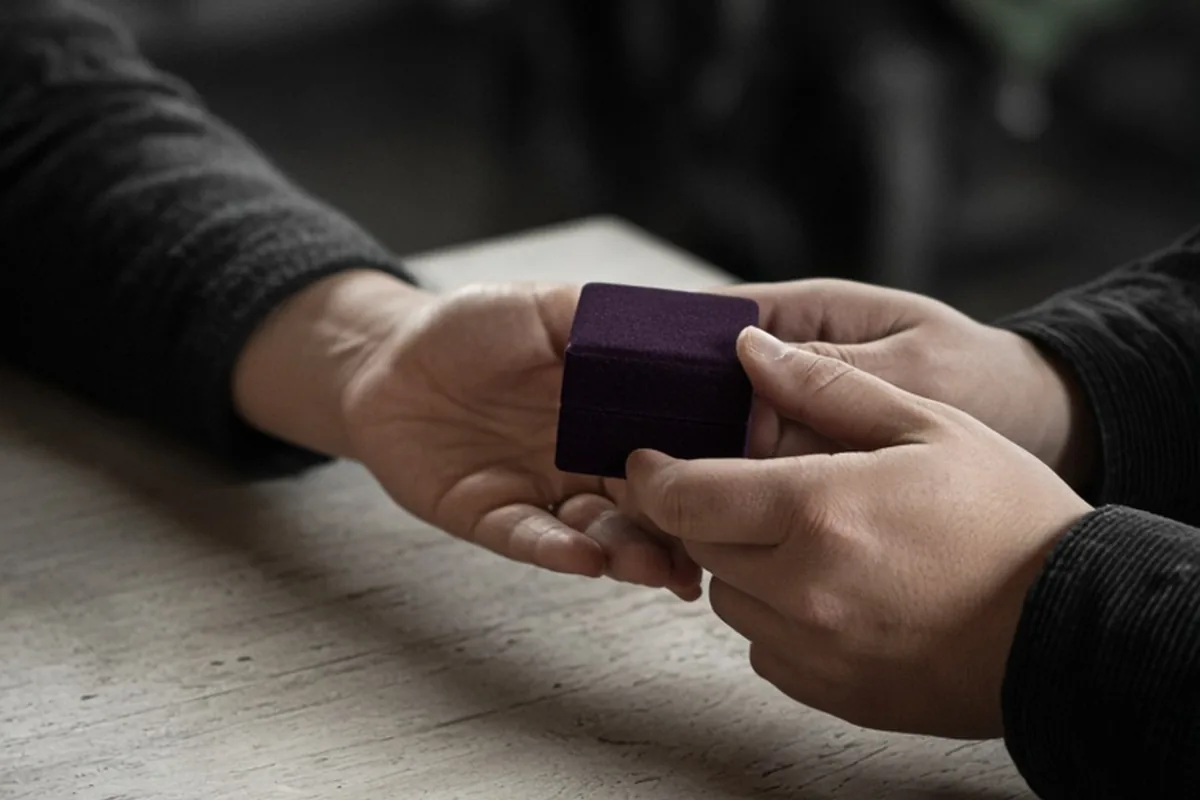
Proposing at home offers complete privacy, personal control, and low-pressure intimacy. You can create an unforgettable moment by transforming familiar spaces through sensory changes like candlelight, recreating a meaningful memory such as your first date meal, or building an interactive element like a personalized scrapbook or scavenger hunt. The key is grounding the setup in your shared history rather than relying on generic romantic decor.
A private proposal allows couples to experience one of life's most vulnerable and joyful commitments without public distraction or performative pressure. Crafting that moment within your own living space turns everyday surroundings into a permanent milestone, provided you approach the planning with deliberate intention and genuine attention to what makes your partner feel valued.
Transforming Familiar Spaces Through Intentional Sensory Shifts
The biggest challenge of a home proposal is separating the occasion from the routine backdrop of daily life. When someone walks into their living room after a regular workday, their brain naturally registers chores, unwinding, or evening tasks. To signal that this evening is unique, you must intentionally disrupt the ordinary sensory landscape. This does not mean you have to bury the floor in synthetic rose petals; rather, focus on layered sensory adjustments like lighting, acoustic warmth, and decluttered spaces.
Begin by altering the illumination. Harsh overhead lights immediately flatten atmosphere, so switch entirely to warm, low-level lighting such as dimmable lamps, lanterns, or a cluster of unscented pillar candles placed safely away from walkways and pets. Pair this visual warmth with an intentional auditory cue, such as an acoustic playlist of songs that have accompanied your relationship over the years. By curating what your partner sees, hears, and smells the moment they cross the threshold, you instantly reset their emotional frame of reference.
Consider the physical layout of the room and eliminate visual friction. Piles of laundry, unwashed dishes, or unopened mail will pull your partner's attention away from the romantic atmosphere and straight back into domestic stress. Clearing surfaces completely and setting a dedicated focal point—such as a cozy floor picnic by the fireplace or a curated corner with framed photographs—ensures that their focus stays locked on the experience you have built for them.
Curating an Elevated Dining or Culinary Experience
Food anchors memory deeply, making a curated culinary concept one of the most reliable and comforting ways to propose at home. Depending on your partner's personality and your dynamic as a couple, you can choose between preparing a heartfelt homemade meal, hiring a private chef, or recreating the specific menu from a milestone date. Cooking a three-course dinner yourself communicates dedication and effort, especially if you tackle a complex dish that holds nostalgic meaning, such as the pasta you ate on your first vacation together.
If you want to remove the stress of cooking and cleanup entirely, bringing in a private chef can transform your dining table into a fine-dining experience while preserving the privacy of your home. A chef handles the prep, course timing, and kitchen cleanup, freeing you to focus entirely on your partner and your proposal speech. Alternatively, you can pick up signature courses from three different favorite local restaurants—an appetizer from your first date spot, an entree from your anniversary dinner, and dessert from your neighborhood bakery.
Timing is everything when incorporating food into an engagement. Proposing before dinner allows both of you to enjoy the meal with celebratory relief and excitement, whereas proposing during dessert gives you a natural, structured runway to build romantic tension throughout the evening. Keep in mind that heavy nerves can sometimes suppress appetite; if you or your partner tend to get anxious, proposing prior to eating often makes the dinner far more enjoyable.
Interactive and Nostalgia-Driven Reveal Concepts
Interactive proposals engage your partner through storytelling, making the journey to the question just as memorable as the question itself. One effective approach is creating a structured memory trail or mini scavenger hunt throughout your home. Each station can feature a printed photograph, a handwritten note recalling a specific memory, and a small token or clue leading to the next room. The final destination brings them to you, standing ready with the ring.
Another deeply personal concept involves custom printed keepsakes, such as a custom-bound photo album, an illustrated storybook detailing your relationship timeline, or a personalized board game. Handing your partner an album that chronicles your shared growth allows you both to sit side by side, reminiscing over old trips and milestones. The final page can hold a photograph of the ring box or an envelope asking the ultimate question, creating a tangible heirloom you can keep forever.
The trade-off with interactive concepts is pacing. Scavenger hunts that are too complicated or contain cryptic puzzles can introduce unnecessary frustration or fatigue. Keep clues affectionate, intuitive, and brief so your partner moves smoothly from one memory to the next without feeling tested or confused.
Cozy and Low-Key Settings for Introverted Partners
Not every meaningful proposal requires grand staging or dramatic production. For partners who dislike being the center of attention or who value quiet, unhurried intimacy, an understated proposal woven into a relaxed routine can feel far more authentic. A weekend morning proposal paired with breakfast in bed, freshly brewed coffee, and simple conversation provides a gentle, joyful start to an engagement without theatrical tension.
An outdoor space like a backyard or balcony can also serve as an intimate retreat. Setting up a cozy blanket fort, complete with heavy duvets, outdoor string lights, a fire pit, and a telescope for stargazing, creates a secluded sanctuary just steps from your living room. You can spend an hour sharing warm drinks and talking about the future before pivoting naturally to the proposal as the stars come out.
A movie night reveal is another low-key favorite. You can edit together a short video montage of home clips, voice notes, and vacation videos, inserting it at the beginning of a movie you planned to stream together. When the screen fades to black with your personal message, you can turn to your partner with the ring. This balances the comfort of a casual evening with a thoughtful, unexpected gesture.
Mastering Surprise Logistics and Everyday Concealment
Executing a surprise at home requires tighter logistical management than planning at a public venue because your partner knows the environment intimately. Any deviation from the norm—such as locked doors, unusual purchases, or unusual tidiness—can raise suspicion early. To keep the element of surprise intact, prepare decorations, specialty foods, and the ring box in secure locations like a locked travel bag or an opaque storage bin stored in an out-of-the-way closet.
Managing your partner's arrival schedule is equally critical. If you are setting up an elaborate display, ensure you have a dependable buffer of time. Enlist a close friend to take your partner out for an afternoon coffee or shopping trip under a casual pretense so you can arrange lighting, flowers, and music without rushing. Have that friend send discreet progress updates regarding their estimated arrival time.
Prepare yourself for unexpected emotional states. If your partner arrives home exhausted, frustrated by traffic, or unwell, be flexible enough to pivot. While you might feel anxious to stick strictly to your planned schedule, giving your partner a few moments to decompress or shifting the proposal timeline slightly ensures they can receive the moment with clarity and joy rather than feeling overwhelmed.
Balancing Private Intimacy with Post-Proposal Celebrations
A major advantage of an at-home proposal is the ability to enjoy quiet seclusion first, followed by an optional celebration with friends and family later. Many couples cherish having at least an hour or two entirely to themselves to process the emotion, make phone calls to immediate family, and celebrate privately before opening the doors to a larger social circle.
If you want to include loved ones, coordinate a surprise gathering that begins well after the proposal takes place. You can arrange for close friends and family members to arrive at a nearby neighborhood lounge, a local restaurant, or even quietly gather in your backyard an hour after the planned proposal time. This structure gives you the sacred privacy of a one-on-one engagement while still providing the high-energy excitement of a group celebration immediately afterward.
Before scheduling a large surprise party, honestly evaluate your partner's social battery and preferences. Some people want to celebrate loudly and share the news with everyone right away, while others prefer to keep the news strictly between the two of you for twenty-four hours before announcing it. Respecting how your partner processes major emotional milestones is essential when designing the evening's schedule.
Capturing the Moment Without Sacrificing Privacy
Preserving visual memories of your proposal is wonderful, but introducing a visible photographer into a private home setting can quickly alter the intimacy of the moment. If you want high-quality photos without turning your living room into a staged photo set, consider positioning discreet recording devices in advance. A small camera or smartphone mounted on a bookshelf, concealed among plants, or set to record from an adjoining room can capture genuine reactions without intruding.
If professional photography is a priority, you can hire a photographer who arrives precisely at the agreed moment, stands discreetly in an entryway, or remains outside a glass patio door with a zoom lens. Once the question is asked and answered, they can step inside for ten to fifteen minutes of quick, relaxed portrait shots while the authentic emotion is fresh, before leaving you both to enjoy the evening.
Another meaningful option is forgoing real-time documentation entirely in favor of an engagement photoshoot scheduled for the following week. This allows you to stay fully present in the vulnerable space of your home proposal without worrying about camera angles, lighting conditions, or performance.
Frequently asked questions
What should I do if my partner comes home in a bad mood on the day I planned to propose?
Give them time to decompress, offer a glass of water or a warm beverage, and listen without rushing into your setup. If their stress is temporary, waiting an hour for the atmosphere to settle can save the moment; if they are genuinely overwhelmed or sick, it is wiser to postpone the proposal to a night when they can fully enjoy it.
How can I hide the ring box on my body if we are wearing casual clothes at home?
Standard ring boxes are bulky and easily visible in casual pants pockets, so consider purchasing a slim flat-profile ring box designed specifically for discreet concealment. Alternatively, you can stash the box inside a decorative vessel, behind a book, or beneath a nearby cushion right where you plan to pop the question.
Is an at-home proposal considered less romantic than a public or destination proposal?
Not at all. Many people strongly prefer home proposals because they prioritize emotional vulnerability, authenticity, and zero public performance over spectacle. When done with intentional thought and personal details, proposing at home is often far more meaningful and comfortable than a public display.
How far in advance should I start preparing the space on the day of the proposal?
Give yourself at least two to three hours before your partner is expected to return home. This provides ample time to clean, test your audio and lighting setups, prepare any food, and handle unexpected delays without feeling panicked or rushed.
Your next step
Choose the one room or corner in your home that holds the most shared meaning, write down three specific memories you want to mention in your speech, and begin gathering your sensory details at least one week in advance.