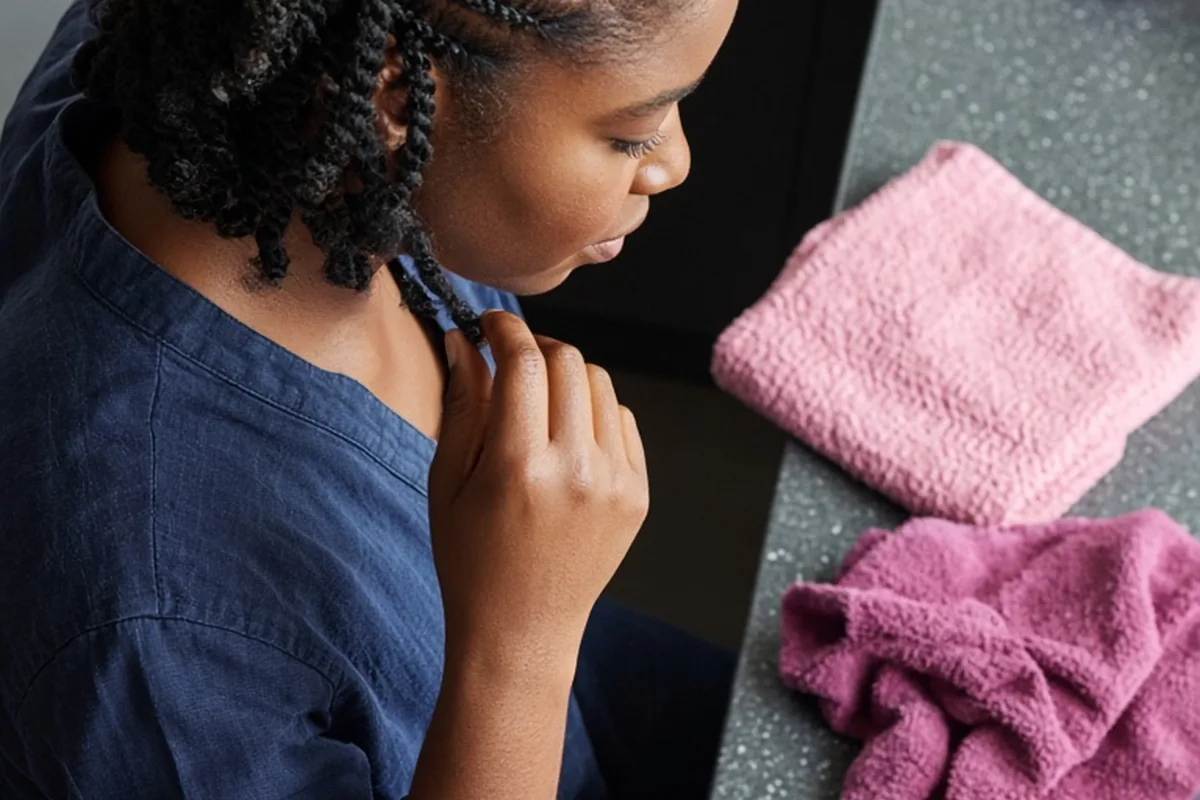
Protective hairstyles for natural curly hair are low-manipulation styles that keep fragile ends tucked away, shielding your curl pattern from friction, dryness, and environmental damage. The most effective options for curly textures include two-strand twists, flat twists, halo braids, knotless box braids, and soft locs. Choosing the right style depends on your curl diameter, hair density, scalp sensitivity, and whether you prefer natural hair styles or added extensions.
Curly natural hair thrives when physical manipulation is balanced with consistent moisture. Because natural curls have twists and bends along each strand where natural scalp oils struggle to travel, the hair is naturally prone to moisture loss and friction-induced breakage. A well-executed protective style reduces the need for daily styling, heat, and detangling, giving your strands an environment where length retention and scalp health can occur simultaneously.
Evaluating Curl Patterns, Strand Thickness, and Density Before Choosing a Style
Before selecting a protective style, you need an accurate assessment of your specific curl characteristics. Loose to medium curls, typically falling into the Type 3 category, possess a distinct S-shape with noticeable elasticity but may have a smoother cuticle that slips out of braided styles more readily than tightly coiled patterns. Tighter curly textures and coily blends have more surface friction, which holds braided and twisted structures securely but requires extra attention to moisture retention at the roots.
Strand thickness (fine, medium, or coarse) dictates how much weight and tension your hair can safely support. Fine curly strands are especially vulnerable to mechanical stress and tension alopecia, meaning heavy extensions, micro braids, or tightly pulled updos can snap the hair at the root. High-density hair, where many individual follicles occupy the scalp, can handle fuller styles with moderate volume, whereas low-density hair requires lighter parted sections to avoid exposing large areas of the scalp or over-weighting thin sections.
Porosity also influences how your curls behave under a protective style. Low-porosity curls have tightly closed cuticles that resist water absorption, requiring warm, water-based hydration sessions before installation. High-porosity hair absorbs moisture quickly but loses it just as fast, demanding richer emollients and gentle sealing methods to keep the inner cortex hydrated throughout the duration of the style.
Low-Tension Natural Protective Styles Without Added Hair
Styling your natural curls without synthetic or human hair extensions eliminates excess weight, reduces tension on the scalp, and simplifies your washing routine. Two-strand twists remain one of the most versatile choices for curly hair. When installed on damp or lightly stretched curls, twists seal moisture into individual groupings, allowing you to wear them as a standalone style, pin them into an updo, or unravel them later into a defined twist-out.
Flat twists offer a streamlined alternative that sits flush against the scalp, resembling cornrows but creating less continuous pull along the hairline. They are particularly gentle for individuals with fine curls or sensitive scalps. Flat twists can be directed backward into a low bun, angled across the crown as a halo, or styled into intricate geometric patterns. Because flat twists do not interlace the hair as tightly as three-strand braids, they are faster to take down and create less mechanical stress on delicate edges.
Tuck-and-pin styles, roll-and-tuck updos, and crown braids provide immediate protection for your ends during dry or cold weather. These styles keep the oldest, most fragile portions of your curls concealed against the head, minimizing direct exposure to coarse clothing fabrics, wind, and dry air. When creating updos with natural hair, secure sections with satin-coated scrunchies or seamless, plastic-free pins rather than elastic bands with metal clasps that snag individual curl coils.
Protective Styles with Extensions: Knotless Braids, Twists, and Crochet Installs
When you want extended wear and zero daily styling, adding extensions provides structural support and versatility. Knotless box braids have become the standard recommendation over traditional knot-based braids because they distribute tension evenly across the section. Instead of anchoring a bulky knot directly against the scalp follicle, the stylist begins with your natural hair and feeds small pieces of extension hair into the braid gradually. This method significantly reduces scalp pain, follicular inflammation, and edge breakage.
Passion twists, Marley twists, and Havana twists match the textured aesthetic of curly hair while offering a lightweight finish. Passion twists utilize wavy, silky extension hair to create an organic, bohemian texture that blends naturally with loose and defined curls. Marley and Havana twists use coarser, textured fiber that mimics tighter natural curls, providing excellent grip that resists slipping without requiring tight root tension. For anyone with a sensitive scalp, opting for hollow or lightweight synthetic fibers prevents heaviness that pulls at the nape and temples.
Crochet installations represent another gentle, time-efficient option. In a crochet style, your natural hair is braided into a flat foundation pattern, and pre-looped braids, twists, or textured curls are secured through the cornrows using a small latch hook. This technique keeps your natural curls completely protected beneath the cornrows while allowing easy access to the scalp for cleansing and oiling. It also dramatically cuts down installation and takedown time compared to individual braids.
Pre-Installation Preparation to Prevent Breakage and Matting
A protective style is only as healthy as the foundation beneath it. Installing a long-term style on dirty, dry, or split ends traps damage and leads to severe matting during removal. Begin with a clarifying shampoo to strip away mineral deposits, silicone residues, and sebum from the scalp and strands. Follow with a deep conditioning treatment that balances moisture and protein, ensuring the hair cortex is hydrated and reinforced against mechanical friction.
Stretching your curls prior to installation makes sectioning cleaner and minimizes knotting, but the method you choose matters. Heatless stretching methods—such as the African threading technique, banding with soft scrunchies, or putting damp hair into large, chunky braids—elongate the curls without applying thermal stress. If you choose to blow-dry, use a heat protectant and work on low-to-medium heat with a tension comb attachment, drying the hair only enough to smooth the strands without baking out all internal moisture.
Inspect your ends thoroughly before styling. If you notice split ends, single-strand knots (fairy knots), or rough patches, trim them before your installation. Leaving frayed ends inside a protective style causes them to intertwine with neighboring hairs, leading to dense mats and shedding when you eventually take the style down.
Daily Maintenance: Keeping Scalp Clean and Curls Hydrated
Wearing a protective style does not mean adopting a zero-care routine. The scalp continues to produce sebum, shed dead skin cells, and collect ambient dust, while your enclosed natural curls continue to lose water over time. To maintain moisture without creating excessive frizz or unraveling the style, mist your hair two to three times a week with a water-based leave-in conditioner or pure rosewater mixed with vegetable glycerin, focusing on the mid-lengths and ends.
Scalp care requires targeted cleansing to prevent build-up, flaking, and itching. Rather than submerging individual braids or twists under heavy water pressure daily, use a targeted applicator bottle or a cotton round saturated with an alcohol-free astringent, micellar water, or diluted clarifying shampoo. Part the sections, apply the cleanser directly along the exposed scalp lines, massage gently with the pads of your fingers, and wipe away residual debris with a clean, damp microfiber cloth.
Nighttime protection is critical to extend the life of the style and prevent hair breakage. Wrap your head in a silk or satin scarf to keep the roots flat and smooth, and place a large satin bonnet over the length of the braids or twists. Sleeping on a satin or silk pillowcase provides a safety net if your headwear slips off during the night, preventing cotton pillowcases from absorbing essential oils and snagging delicate edge hairs.
Recognizing Tension Signs and Knowing When to Take Down Your Style
Protective styles should never cause persistent pain. Mild tenderness during the first few hours of a new install is sometimes common, but sharp pain, headaches, raised red bumps along the hairline, or visible white bulbs at the base of the hair shaft indicate dangerous tension. These symptoms are early warnings of traction folliculitis, which can progress to permanent follicle scarring and hair loss if ignored. If a braid or twist feels excessively tight, relieve it immediately by soaking the root area with warm water or carefully unraveling the problematic section.
Even properly installed styles have a definitive lifespan. For natural hair styles like mini twists or flat twists, four to six weeks is a typical upper limit before the roots begin to lock and tangle. For styles using added hair, such as knotless braids or crochet looks, leaving them in beyond six to eight weeks creates product build-up at the root, increases the risk of locing, and places excessive mechanical drag on new growth. As your roots grow out, the weight of the extension pulls directly on fewer natural strands, increasing the likelihood of snap breakage.
When removing the style, patience is essential. Never rush the takedown process when you are fatigued or pressed for time. Work in small sections, thoroughly coating your fingers and the hair with a slip-inducing oil or diluted detangling cream. Gently separate shed hair—which naturally accumulates at roughly 50 to 100 strands per day—before introducing water or shampoo. Wetting hair that contains shed hairs and root build-up without prior finger detangling can form stubborn, felt-like knots.
Managing Frizz, Slippage, and Edge Care in Curly Textures
Curly hair naturally expands and produces surface frizz when exposed to environmental humidity, which can make protective styles look worn prematurely. Rather than applying heavy, drying edge control products packed with high-alcohol formulations, use a lightweight, botanical styling foam or water-based edge gel that rinses clean. Tie a silk strip around the hairline for ten minutes after product application to set the edges without causing flaking or clogged pores.
If loose curls begin slipping out of twists or braids along the hairline or nape, avoid pulling the hair tighter to fix it. Instead, carefully re-twist or re-braid that specific section using a tiny dab of shea butter or twisting paste for grip. Embracing a moderate amount of natural texture and halo frizz is healthier for your hair follicles than constantly applying heavy pomades and mechanical tension to achieve a perfectly slicked aesthetic.
Frequently asked questions
How long should you keep natural curly hair in a protective style?
Most protective styles should be kept in for no longer than four to eight weeks, depending on the specific technique. Natural two-strand twists and cornrows generally perform best for three to five weeks, while knotless braids and crochet installations can last up to six to eight weeks with diligent maintenance. Leaving any style in longer risks severe root matting and breakage from trapped shed hair.
Can protective styles damage your natural curl pattern?
A protective style can alter or damage your curl pattern if it is installed with excessive tension, if heavy extensions stretch the roots, or if high heat is used during pre-styling. Consistently pulling hair tight can weaken follicle elasticity and lead to traction alopecia. Choosing low-tension methods like knotless braiding and allowing regular resting periods between installs keeps your curl pattern intact.
How do you wash your scalp while wearing a protective style?
Dilute your regular shampoo or a scalp cleanser in an applicator bottle with warm water and apply it directly to the exposed parts of your scalp. Massage gently using the pads of your fingers without vigorously rubbing the braids or twists, then rinse thoroughly under a low-pressure showerhead. Pat your scalp and hair with a microfiber towel and ensure the roots dry completely to prevent odor and mildew.
Do you need to blow-dry natural curls before installing braids or twists?
Blow-drying is not strictly required, as many styles can be installed on damp or air-dried hair stretched through heatless methods like banding or braiding. However, if you or your stylist prefer blow-drying for cleaner parting and smoother grip, apply a dedicated heat protectant and use a low-to-medium heat setting with a tension comb attachment to protect your hair's moisture balance.
Your next step
Inspect your scalp health, choose a low-tension style that aligns with your curl density, and perform a deep conditioning treatment to hydrate your hair before your next installation.