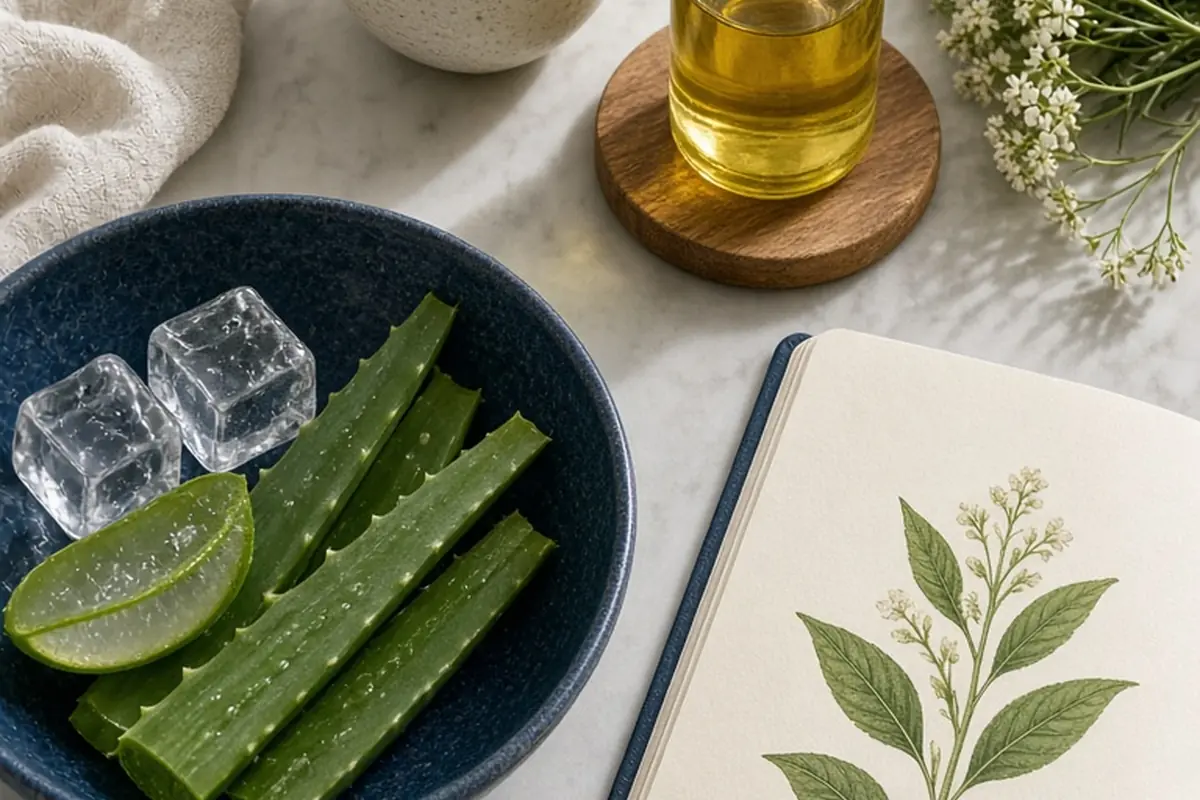
When maintaining natural hair in protective styles, prioritize hydrating humectants like aloe vera and glycerin, lightweight sealing oils such as jojoba and argan, and scalp-calming botanicals like tea tree and witch hazel. Avoid non-water-soluble silicones, heavy petroleum, drying alcohols, and heavy waxes that create stubborn buildup on unwashed hair strands or suffocated scalp pores.
Protective hairstyles like box braids, passion twists, knotless cornrows, and faux locs tuck delicate ends away to reduce daily manipulation, but the health of your natural hair underneath depends heavily on the ingredient profiles of the products you apply before, during, and after installation.
Hydrating Humectants for Pre-Installation Moisture Foundations
Before installing any long-term protective style, natural hair strands require thorough internal hydration that can endure weeks inside tight structural configurations. Humectants are cosmetic ingredients that attract moisture from the surrounding environment and bind water molecules directly to the hair shaft. For natural textured hair preparing for braids or twists, water should always appear as the very first ingredient on your leave-in conditioner or hydrating base, followed closely by bio-compatible humectants.
Aloe vera juice and vegetable glycerin represent two of the most effective humectants for natural hair preparation. Aloe vera possesses an acidic pH profile that closely matches the natural acidity of hair and scalp tissues, helping flatten the cuticle layer while infusing moisture. Glycerin acts as a powerful humectant in temperate environments, though its concentration should be balanced; too much glycerin in arid climates can pull moisture out of the hair fiber rather than into it. Other functional humectants include panthenol (provitamin B5), sodium PCA, and hydrolyzed botanical extracts, which penetrate slightly beneath the cuticle surface to improve strand elasticity before the mechanical stress of braiding.
Applying a water-rich humectant base without pairing it with an emollient can leave strands vulnerable to premature moisture loss. When inspecting product labels for pre-installation moisturizers, look for formulations where humectants are blended with light conditioning agents rather than high concentrations of drying alcohols or insoluble film-formers. Ensuring deep internal hydration before braiding prevents the brittleness that frequently leads to mid-shaft breakage when styles are dismantled weeks later.
Sealing Emollients and Plant Butters for Extended Retention
Because protective styles restrict your ability to thoroughly wash and condition your hair on a standard schedule, your moisture-sealing step must lock in hydration without crystallizing or oxidizing over several weeks. Emollients and occlusives perform this sealing function by smoothing the cuticle and creating a hydrophobic barrier that slows water evaporation from the cortex.
Unrefined shea butter, mango seed butter, and cupuacu butter are dense plant lipids that work well for coarse, high-porosity natural hair textures. These butters contain high concentrations of stearic and oleic fatty acids that form a cushion around individual hair fibers, shielding them from the friction created by synthetic braiding hair. For finer textures or low-porosity hair that becomes easily weighed down, lighter plant oils provide adequate protection without forming a rigid crust. Jojoba oil, which chemically resembles human sebum, argan oil, sweet almond oil, and fractionated coconut oil penetrate the upper layers of the hair cuticle while leaving a breathable protective film.
The primary challenge with heavy butters is their tendency to trap lint and environmental dust at the roots of braids and twists. If you choose dense butters for your pre-styling routine, apply them sparingly along the length and ends of the hair rather than directly on the scalp. Distributing emollients evenly ensures that your ends stay supple without creating an adhesive zone where synthetic fibers and natural shedding turn into dense root tangles.
Scalp Health Formulations: Soothing, Antifungal, and Clarifying Actives
A successful protective style relies on a clean, comfortable scalp. When hair is secured in cornrows or extensions, normal sebum production, shed skin cells, and sweat collect along exposed partings. Incorporating targeted scalp-care ingredients into your regimen prevents common issues like tension irritation, itchy patches, and microbial overgrowth without disturbing your styling.
Essential oils and botanical extracts with proven soothing properties provide immediate relief for the tightness and itching that often follow installation. Tea tree oil delivers natural antimicrobial and antifungal support, helping maintain balanced scalp flora when traditional lathering is infrequent. Peppermint oil and menthol provide a cooling sensory sensation that calms localized irritation, while rosemary extract and lavender oil support follicle circulation. Because concentrated essential oils can trigger contact dermatitis if applied directly, always ensure they are properly diluted in carrier oils like jojoba, squalane, or grapeseed oil.
For water-based scalp refreshers used between wash days, witch hazel (alcohol-free), rosewater, and dilute apple cider vinegar offer mild astringent benefits. These ingredients help dissolve superficial sebum and restore an optimal acidic pH along parts and hairline edges without stripping the natural lipid barrier. When formulating or purchasing a mid-style scalp spray, verify that astringent components are balanced with hydrating elements like chamomile extract or aloe leaf water to prevent localized flaking.
Ingredients to Avoid in Protective Style Regimens
Certain cosmetic ingredients that work acceptably in daily wash-and-go routines become problematic when trapped inside protective styles for four to eight weeks. The limited airflow and reduced washing frequency associated with long-term styling amplify the negative traits of non-breathable sealants, drying carriers, and rigid polymers.
Petroleum jelly (petrolatum) and high-viscosity mineral oil are among the most difficult ingredients to cleanse from braided or twisted hair without aggressive clarifying surfactants. While they are exceptional moisture barriers, they do not provide internal hydration; instead, they coat the strand so thoroughly that subsequent water-based mists cannot penetrate. Over time, hair sealed exclusively with heavy petroleum derivatives can become dry and brittle under the surface layer. Similarly, non-water-soluble silicones like dimethicone, amodimethicone, and cyclomethicone accumulate on synthetic extension fibers and natural hair alike, creating a slick residue that attracts debris and repels water during mid-style hydration routines.
Drying short-chain alcohols, including isopropyl alcohol, alcohol denat, and ethanol, are commonly used in quick-drying edge controls and braid sprays. These volatile compounds evaporate rapidly, stripping moisture from fragile hairline edges and leaving the hair cuticle rough and vulnerable to tension breakage. Additionally, excessive concentrations of hydrolyzed proteins in leave-in maintenance sprays can cause protein buildup, leading to strand stiffness and post-takedown snap when hair remains manipulated over long durations.
Edge and Parting Control: Film-Forming Agents vs. Flake-Inducing Gels
Neat partings and smooth edges are central to the aesthetic of modern protective styling, but the styling gels used to achieve these lines can either nourish or damage your hairline. The difference lies in the balance of film-forming polymers, humectants, and plasticizers contained in edge control formulas.
Traditional edge tamer formulations often rely on high amounts of ceteareth-25, a synthetic emulsifier and gelling agent that provides firm, glassy hold. While ceteareth-25 delivers crisp parting definition, formulas high in this ingredient can turn cloudy, white, and crusty if layered over incompatible oil-based creams or exposed to sweat. To avoid flaking, look for styling gels that blend hold-enhancing agents with flexible botanical film-formers, such as flaxseed extract, marshmallow root mucilage, or xanthan gum. These natural polymers yield pliable hold that bends with mechanical movement rather than snapping fragile baby hairs.
When purchasing parting jams or edge products, check for nourishing additives like castor oil, biotin, or panthenol near the middle of the ingredient list. Castor oil provides viscosity and a rich layer of ricinoleic acid, which offers lubricity along the delicate perimeter of your hairline. Avoid formulations containing polyvinylpyrrolidone (PVP) or carbomer without accompanying emollients, as these compounds can dry into brittle films that pull on the hair follicle under tension.
Daily Maintenance Sprays: Balancing Water and Light Emulsions
Maintaining optimal internal moisture levels while wearing protective styles requires consistent rehydration without soaking the base of braids or saturating synthetic fiber. Daily or bi-weekly maintenance sprays must feature low-viscosity, water-soluble ingredients that penetrate through synthetic layers directly to the encapsulated natural hair.
A high-performing protective style mist should feature distilled water, floral hydrosols (such as rosewater or lavender hydrosol), or aloe juice as the primary liquid vehicle. These liquids supply pure hydration to the cortex without leaving sticky residues on the braid surface. To prevent that applied water from evaporating instantly into dry indoor air, effective sprays incorporate water-dispersible conditioning agents like polyquaternium-7, cetrimonium chloride, or PEG-modified plant oils (such as PEG-40 hydrogenated castor oil). These modified emollients blend seamlessly into water solutions, offering subtle lubrication without separating into greasy droplets.
When using daily maintenance sprays, consistency in ingredient quality matters more than heavy application volume. Spraying large quantities of product containing heavy vegetable oils onto your roots can lead to foul odors and mold development within tightly woven synthetic extensions. Instead, choose lightweight formulations containing water-soluble humectants and mild antimicrobial preservatives like ethylhexylglycerin or potassium sorbate, misting lightly from mid-lengths to ends.
Takedown and Detangling Slip: Fatty Alcohols and Conditioning Slip Agents
The takedown phase is the most critical juncture for avoiding hair breakage after wearing a protective style. Over several weeks, natural shedding—which averages roughly 50 to 100 strands per day—remains trapped at the base of the braid or twist. Removing synthetic extensions and untangling accumulated shed hair requires products packed with superior lubricity and conditioning slip.
Botanical mucilages and conditioning slip agents are the primary ingredients to seek for a smooth, gentle takedown. Marshmallow root extract (Althaea officinalis) and slippery elm bark extract contain complex polysaccharide chains that create an exceptionally slick coating across tangled fibers. This slippery barrier reduces friction between interlocked hair strands, allowing shed hair bulbs to slide free without ripping through surrounding intact shafts. Look for takedown creams and pre-shampoo treatments that list these mucilages prominently alongside fatty alcohols.
Fatty alcohols—specifically cetyl alcohol, stearyl alcohol, and cetearyl alcohol—are non-drying, emollient compounds derived from natural fats that soften the hair cuticle and impart structural slip. Cationic conditioning agents such as behentrimonium methosulfate and behentrimonium chloride also play a vital role; their positive ionic charge binds to the negative charges on weathered hair ends, neutralizing static and instantly smoothing knots. Applying a high-slip conditioner loaded with fatty alcohols and botanical mucilage to dry or lightly dampened braids before unraveling protects your length from unnecessary mechanical breakage.
Frequently asked questions
Can I use coconut oil on my scalp while wearing box braids?
Pure coconut oil can be used on your hair shaft for lubrication, but applying it directly to the scalp during long-term protective styling can cause pore congestion for some individuals. Because coconut oil has a high comedogenic rating and solidifies at cooler room temperatures, lighter carrier oils like jojoba or squalane blended with tea tree oil are generally better options for maintaining clean, comfortable scalp partings.
Why do edge control gels turn white and flake in protective styles?
Flaking typically occurs when the film-forming agents in edge controls, such as ceteareth-25 or carbomer, interact negatively with underlying oil-based leave-in conditioners or natural sebum. When these incompatible ingredients mix and dry, the polymers lose their transparency and elasticity, fracturing into visible white residue. Using a water-based moisturizer and cleansing old gel buildup before reapplying helps prevent this reaction.
Are silicones safe to use on synthetic braiding hair?
Water-soluble silicones like dimethicone copolyol or PEG-dimethicone can help reduce friction on synthetic braiding hair without causing stubborn buildup. However, non-water-soluble silicones like traditional dimethicone should be minimized because they adhere tenaciously to synthetic fibers and natural strands, requiring harsh clarifying shampoos that can strip natural moisture from your hair underneath.
How often should I apply leave-in ingredient sprays to my braids?
Most natural hair types benefit from misting with a lightweight humectant-based spray two to three times per week. Applying water-based hydration sprays too frequently without adequate drying time can trap moisture inside dense braids and create an environment for mildew or scalp odor, while waiting too long leaves encapsulated strands dry and vulnerable to breakage.
Your next step
Inspect the ingredient labels on your current styling products, set aside formulas containing heavy petroleum or drying denatured alcohols, and replace them with a water-based botanical leave-in and a lightweight jojoba or argan sealing oil before your next installation.