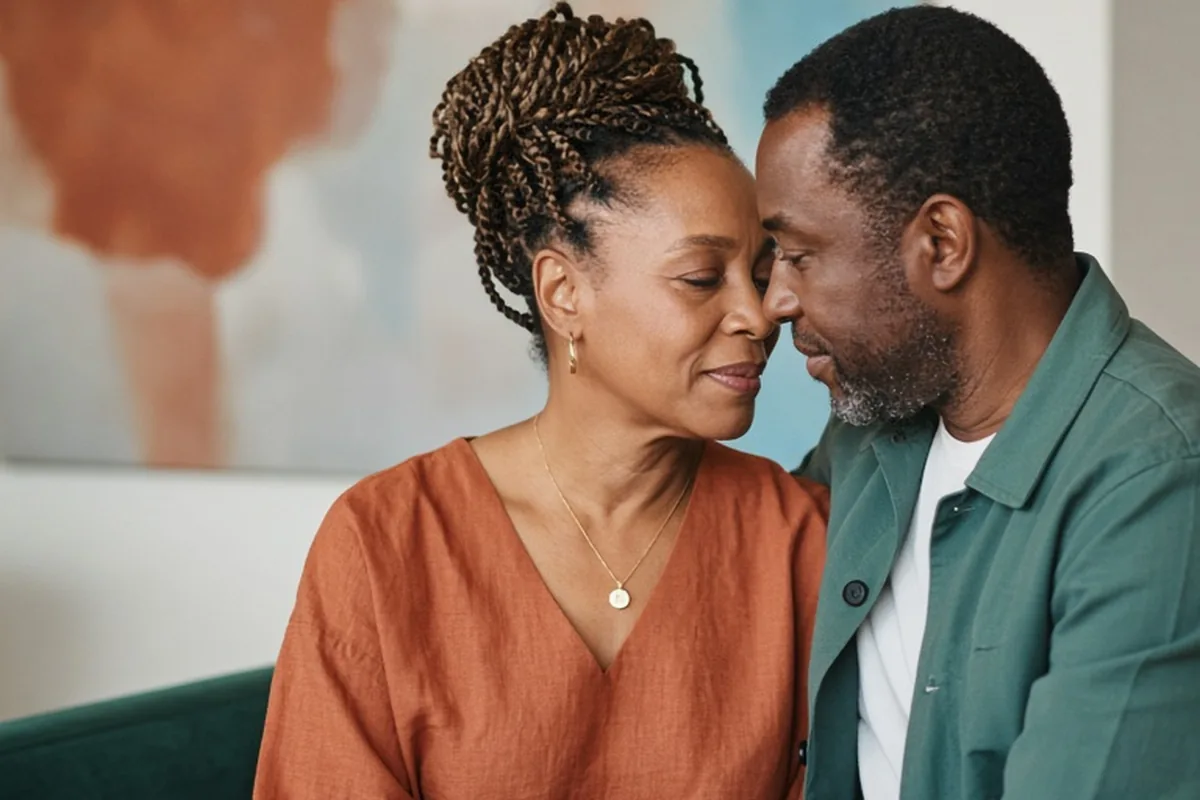
The most effective protective hairstyles for women over 40 prioritize scalp comfort and low tension to accommodate shifting hair density, changing texture, and delicate follicles. Styles such as medium-to-large knotless braids, flat twists, halo crown braids, loose two-strand twists, and glueless u-part or full lace wigs protect mature hair without placing traction stress on the hairline or nape.
Hormonal shifts, slower sebum production, and natural reductions in hair strand diameter often change how textured hair responds to manipulation after age forty. Selecting the right protective style requires balancing aesthetic preferences with scalp preservation, ensuring that your protective routine nurtures your hair rather than stressing your follicles.
Evaluating Scalp Sensitivity, Density Changes, and Follicle Stress After 40
Hair aging involves physiological shifts across the scalp and the individual hair fiber. As estrogen and progesterone levels fluctuate, many women experience gradual diffuse thinning at the vertex, widening parts, or heightened vulnerability along the hairline. Concurrently, the scalp produces less natural sebum, leaving strands drier, less elastic, and more prone to breakage under tension that might have caused no issues in earlier decades.
When evaluating a protective hairstyle, the primary consideration should always be mechanical load. Heavy synthetic extensions, tight cornrows, and micro-braids apply continuous pulling force directly to the dermal papilla. Over time, repeated tension can trigger traction alopecia or exacerbate underlying androgenetic thinning. A truly protective style for mature hair distributes weight evenly across broad partings, minimizes tugging on fine perimeter hairs, and allows unimpeded access to the scalp for ongoing moisture and cleansing.
Low-Tension Protective Hairstyles for Women Over 40
Selecting protective options that require minimal pulling is the foundation of long-term length retention and edge preservation. Medium or large two-strand twists created with your natural hair or lightweight water-wave hair are an exceptional choice. Twists place significantly less torque on the follicle than three-strand plaits, and they can be easily re-moisturized throughout the week with a water-based leave-in mist.
Flat twists styled into an elegant chignon or halo crown provide sophisticated structure for professional environments while keeping delicate ends tucked away from clothing friction. Unlike traditional cornrows that pull tightly against the base, flat twists roll the hair softly against the scalp. Another versatile option is a low, loose roll-and-tuck bun using satin-covered pins. These natural-hair styles eliminate the added physical weight of extensions entirely, drastically reducing mechanical fatigue on the scalp.
Knotless Braids and Twists: Weight, Size, and Edge Preservation
If you prefer extension styles for their longevity and styling ease, knotless braiding techniques offer a much safer alternative to traditional box braids. Because knotless braids begin with your natural hair and feed in synthetic or human hair gradually, there is no bulky, heavy knot sitting directly at the root. This feed-in method eliminates instant installation tension and allows the braid to lay flat against the head naturally from day one.
To protect mature follicles, specify larger partings and shorter to mid-back lengths when booking an installation. Medium-sized parts reduce the total number of anchor points while ensuring each section contains enough natural strands to comfortably support the added hair weight. Always instruct your stylist to leave the baby-fine hairs along your temples, forehead, and nape out of the braids entirely. These perimeter zones have the shallowest follicle depths and should be smoothed with a light, alcohol-free cream rather than braided into high-tension anchors.
Wigs, Toppers, and Headwraps as Zero-Tension Protective Alternatives
For women experiencing noticeable crown thinning or active hairline recovery, zero-tension styling options provide maximum coverage without any pulling force. Glueless human hair wigs, headband wigs, and silk-base hair toppers allow you to keep your natural hair loosely braided, flat-twisted, or wrapped underneath without relying on harsh adhesives, clips, or combs that tear at brittle edges.
When wearing wigs as a protective method, use a soft bamboo or velvet grip band underneath rather than securing the unit with metal wig combs directly in fragile areas. Satin-lined turbans and pre-tied headwraps also serve as practical, protective options for daily wear or workout sessions. Ensure you remove headwear each evening to allow the scalp microbiome to breathe and to prevent sweat-induced microbial imbalances.
Hydration and Scalp Cleansing Routines While Wearing a Protective Style
A protective style is only as healthy as the maintenance routine beneath it. Leaving hair tucked away without moisture leads to brittle strands that snap during take-down. Establish a weekly hydration ritual using a fine-mist spray bottle filled with distilled water, a water-soluble humectant such as vegetable glycerin or aloe vera juice, and a lightweight carrier oil like jojoba or squalane. Lightly mist the lengths of your twists or braids two to three times a week.
Scalp hygiene should not be neglected while hair is styled. Product buildup, dead skin cells, and sweat can clog follicles and cause itching or inflammation. Use an applicator bottle with a diluted clarifying shampoo or a micellar scalp cleanser applied directly along your parts once every ten to fourteen days. Gently massage the scalp with the pads of your fingers, rinse thoroughly with warm water, and ensure the base of the style is completely dry using a hooded dryer or diffuse setting to prevent mildew and odor.
When to Remove or Restructure a Style to Prevent Traction Alopecia
One of the most common mistakes in protective styling is keeping an installation in place for too long. While extended wear may seem convenient, shedding hair accumulates at the root base over time, forming tight matted tangles that require aggressive detangling during removal. For mature hair, six to eight weeks is the maximum safe window for knotless braids or twists, while natural flat twists should be refreshed every two to three weeks.
Recognize the early warning signs of excessive mechanical stress immediately. If you experience persistent scalp tenderness, itching, small white follicular bumps along your part lines, or visible tension headaches within the first forty-eight hours of installation, the style is too tight. Do not wait for the style to loosen on its own; carefully unravel the tightest sections or use warm water to relieve the tension before permanent follicle scarring occurs.
Professional Consultation and Maintenance Timeline Strategy
Collaborating with a professional stylist who specializes in mature textured hair makes a significant difference in preserving your hair density. Before any installation, schedule an in-person consultation where your stylist can assess your scalp elasticity, hair strand diameter, and edge health. Transparently share your lifestyle, exercise habits, and any history of scalp tenderness so they can tailor the parting sizes and hair extension materials accordingly.
Structure your annual hair calendar to include dedicated rest periods between installations. After taking down a protective style, plan for at least two to three weeks of wear using low-manipulation styles, deep conditioning protein treatments, and gentle scalp massages. This recovery window gives your follicles time to rest free of external weight, restores your natural moisture balance, and allows you to accurately monitor your hair retention progress.
Illustrative Scenarios
Composite Case: Transitioning from Heavy Box Braids to Low-Weight Knotless Twists
Monica, a 48-year-old account executive, noticed tender bumps and gradual thinning along her temples after wearing waist-length synthetic box braids for several consecutive summers. Her initial thought was that she simply needed stronger edge-control gel and scalp oils to reinforce her hairline. After discussing her scalp sensitivity with a specialist, she adjusted her approach by switching to mid-back, medium-sized knotless passion twists using lightweight human-blend hair, leaving her natural perimeter edges completely free. She maintained a twice-weekly hydrating mist routine and scheduled take-downs at the six-week mark rather than pushing to ten weeks.
Key point: Alleviating physical extension weight and honoring delicate perimeter margins preserves temple density far better than relying on topical styling products to mask tension damage.
Composite Case: Managing Crown Density Changes with a Glueless Velvet-Grip Topper
Evelyn, a 54-year-old teacher, experienced widening along her central part and diffuse crown thinning. She initially attempted to conceal the area with tight cornrow updos, which caused additional soreness and accelerated shedding around the crown. Recognizing that tension was worsening the issue, she adopted a zero-tension routine. She styled her natural hair in loose, flat twists underneath a breathable silk-base topper secured with an adjustable velvet grip band, removing the unit every evening to apply a light scalp serum and massage her crown.
Key point: Zero-tension alternative hair units provide complete coverage and styling flexibility without anchoring heavy stress directly to vulnerable thinning zones.
Frequently asked questions
How long can women over 40 safely keep protective styles installed?
For extension styles like medium knotless braids or twists, the safest window is four to six weeks, with eight weeks being the absolute maximum. Natural hair styles without added extensions, such as flat twists or halo braids, should typically be taken down and refreshed after two to three weeks to prevent matting and dryness.
Can protective hairstyles cause or accelerate hair loss in mature women?
Yes, if the style involves high mechanical tension, excessive extension weight, or prolonged wear. Mature follicles are more susceptible to traction alopecia, so choosing large-to-medium partings, lightweight extension fibers, and gentle installation techniques is essential to prevent permanent follicle damage.
What extension hair material is best for sensitive or mature scalps?
Lightweight, pre-feathered synthetic fibers or high-quality human hair are ideal because they reduce downward pull on the follicle. If you use synthetic braiding hair, perform an apple cider vinegar rinse beforehand to remove alkaline manufacturing coatings that frequently cause scalp itching and allergic dermatitis.
How do I keep my hair moisturized under a protective style without causing frizz?
Use a fine-mist spray bottle containing water and a lightweight leave-in conditioner or vegetable glycerin rather than heavy, thick creams. Lightly mist the length of your braids or twists two to three times a week and follow with a few drops of lightweight oil like jojoba or squalane along your parts.
Your next step
Assess your current scalp comfort and hairline density today, and book a consultation with a stylist who specializes in low-tension, lightweight protective techniques tailored to mature hair.