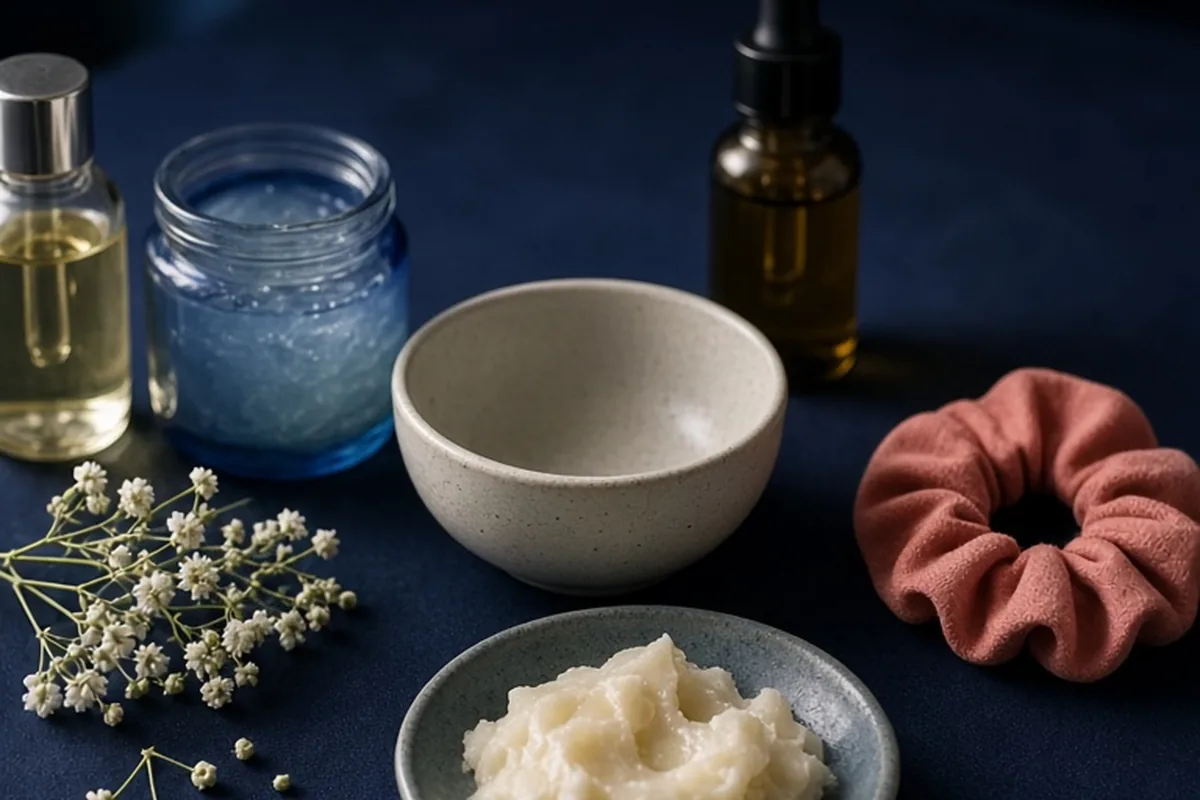
The most effective product ingredients for protective hairstyles focus on hydration, scalp comfort, and flexible hold. Look for water-based humectants like glycerin and aloe vera to infuse moisture, paired with lightweight plant oils such as jojoba or sweet almond to seal it in. Scalp-soothing extracts like tea tree and peppermint help prevent tension-related itching. Avoid heavy non-water-soluble silicones, drying alcohols, and thick petroleum-based waxes that cause stubborn buildup and block moisture absorption during long-term wear.
Preparing natural hair for weeks in braids, twists, locs, or weaves requires a deliberate approach to formulation and ingredient compatibility. Because protective styling locks hair away from daily washing and detangling routines, every product applied before and during the install must work without suffocating follicles or creating hardened residue.
Hydrating Humectants That Prevent Mid-Style Brittleness
Moisture balance is the foundation of any successful protective style. Because natural hair remains tucked away for weeks at a time, water loss can leave strands brittle, prone to snapping upon takedown. Humectants are water-attracting ingredients that draw ambient moisture into the hair fiber, softening the cortex and maintaining structural elasticity throughout the install period.
Glycerin remains one of the most reliable humectants for textured hair, particularly when formulated into lightweight leave-in sprays or water-based conditioning mists. It pulls moisture into the hair shaft without leaving a heavy film. However, in extremely dry climates where ambient humidity is low, pure glycerin can draw moisture outward from the hair shaft. Pairing it with film-forming humectants such as aloe vera juice, flaxseed extract, or panthenol creates a balanced moisture barrier that stays hydrated across changing weather conditions.
Hydrolyzed proteins, such as hydrolyzed wheat or silk protein, also function as dual-purpose humectants and strengthening agents. While heavy protein treatments should generally be reserved for dedicated wash days, mild hydrolyzed proteins in leave-in formulas bind to minor cuticle gaps. This structural reinforcement prevents the internal cortex from drying out under the mechanical friction of synthetic braiding hair or weave tracks.
Plant Butters and Sealing Oils for Protective Hairstyles
Humectants supply hydration, but moisture quickly evaporates without an emollient or occlusive layer to seal the cuticle. For protective styles, the challenge lies in choosing sealing oils and plant butters that provide sustained lubrication without creating sticky, dust-trapping buildup along the braid or twist base.
Lightweight plant oils closely mimic the scalp's natural sebum while providing essential fatty acids. Jojoba oil, squalane, and sweet almond oil penetrate outer cuticle layers without forming an impenetrable barrier. These lighter lipids are ideal for routine misting regimens and scalp lubrication during wear, as they absorb cleanly without solidifying or attracting lint. Argan oil and grapeseed oil offer similar lightweight slip, helping reduce friction where synthetic hair meets natural strands.
Heavier butters, such as raw shea butter, mango butter, and murumuru butter, serve an essential purpose during the initial installation phase. When applied to the ends of the natural hair before tucking them into braids or twists, these rich emollients physically shield the oldest, most fragile sections of the hair shaft. Because the ends are most vulnerable to friction and moisture loss, concentrated plant butters prevent split ends from traveling upward while the style remains in place.
Scalp-Soothing Botanicals That Calm Tension and Itch
Tension from tight partings, heavy extensions, and reduced wash frequency can easily irritate the scalp, leading to flaking, tenderness, and inflammation. Choosing maintenance products formulated with anti-inflammatory, antimicrobial, and circulation-supporting botanicals helps preserve scalp equilibrium throughout the lifespan of a protective install.
Tea tree oil and rosemary extract are widely valued for their clarifying and antimicrobial properties. Diluted tea tree oil helps control microbial growth and fungal overgrowth that can thrive in warm, covered scalp environments under wigs or thick braids. Rosemary extract and oil support microcirculation around the follicles, soothing tightness while maintaining clean, balanced pores without stripping away essential lipid barriers.
Cooling agents such as peppermint oil and menthol provide immediate physical relief from tension-induced soreness. Meanwhile, soothing botanical extracts like chamomile, calendula, and witch hazel extract deliver mild astringent and anti-inflammatory benefits. When blended into light, water-based scalp tonics or targeted applicator serums, these ingredients refresh the scalp between washes without leaving greasy residue that could clog hair follicles.
Film-Forming Ingredients in Braiding Gels and Setting Foams
Clean partings, sleek roots, and smooth lengths require styling products with structural hold. Braiding gels, edge controls, and setting foams rely on film-forming polymers to hold strands neatly in place. Understanding how these polymers behave helps you achieve crisp definition without dealing with flaking or difficult product removal later.
High-performance braiding gels often use water-soluble polymers such as polyvinylpyrrolidone, carbomer, or natural hydrocolloids like xanthan gum and acacia gum. These ingredients form a flexible, clear film over the hair surface that resists humidity while locking down stray fibers. Natural film-formers, including flaxseed mucilage and marshmallow root extract, offer medium hold with significant slip, reducing mechanical friction during the parting and gripping process.
Setting foams and wrapping lotions rely on lighter conditioning polymers, such as polyquaternium compounds, combined with mild surfactants to distribute hold evenly across finished braids or sets. Foams dry rapidly under a hood dryer or scarf, locking in shape and smoothing flyaways without adding physical weight. Choosing formulas with water-soluble film-formers ensures that daily perspiration and natural moisture do not turn the styling gel into cloudy white flakes along your parts.
Ingredients to Avoid or Minimize in Long-Wear Protective Styles
Certain ingredients that work well in daily rinse-out routines become problematic when left on the hair and scalp for several weeks. Identifying and avoiding these ingredients protects against chronic dryness, stubborn product buildup, and scalp irritation while your hair is styled.
Mineral oil, petrolatum, and heavy petroleum-based waxes form a totally occlusive seal. While occlusives reduce water loss, dense petroleum derivatives are insoluble in water and require aggressive, sulfate-heavy cleansing to remove. When layered onto the scalp during a long-wear install, they trap dead skin cells, sweat, and external debris, forming a stubborn paste that suffocates follicles and prevents subsequent moisturizing sprays from reaching the hair shaft.
Non-water-soluble silicones, such as dimethicone and cyclomethicone in high concentrations, create a similar issue. They impart initial shine and slip, but repeated applications without thorough shampooing cause silicone layers to accumulate, ultimately repelling water and leaving the inner cortex dehydrated. Additionally, short-chain drying alcohols, including alcohol denat, SD alcohol, and isopropyl alcohol, should be minimized in daily leave-in sprays because they accelerate moisture evaporation, leading to brittle, fragile strands.
Clarifying and Chelating Agents for Pre-Install and Post-Takedown Washes
The success of a protective hairstyle depends heavily on how thoroughly the hair is cleansed before installation and immediately after removal. Using the right clarifying and chelating ingredients ensures that hair shafts are clear of previous buildup before styling and completely refreshed afterward.
Surfactants such as sodium C14-16 olefin sulfonate and cocamidopropyl betaine provide thorough cleansing without the harsh, stripping feel of traditional sulfates. They lift dirt, excess sebum, and polymer residues from both the scalp and the hair shaft. For individuals living in hard water areas, chelating agents like tetrasodium EDTA or citric acid bind to dissolved minerals, such as calcium and magnesium, which otherwise coat the hair and make it feel stiff or resistant to moisture.
During the takedown phase, clarifying agents must be paired with high-slip detangling ingredients to prevent breakage. Slippery elm bark, marshmallow root extract, and behentrimonium methosulfate provide the immediate lubrication needed to loosen shed hair, product residue, and lint that gather at the base of braids or twists. Clearing out this accumulated debris with gentle chelating cleansers restores the scalp microbiome and preps the hair for its next styling cycle.
Frequently asked questions
How often should I apply moisturizing products to my protective style?
Apply a lightweight, water-based leave-in mist or tonic every two to three days to keep strands hydrated without saturating the base. Follow with a few drops of a light sealing oil like jojoba or argan oil on the lengths to lock in that moisture.
Can I use heavy styling gels on my edges every day while wearing braids?
Daily application of strong-hold edge gels leads to rapid product buildup and can weaken fragile hairline follicles under continuous tension. Instead, refresh your edges with water or a light leave-in mist, reserving firm-hold gels for occasional touch-ups.
Why does my scalp itch after installing synthetic braiding hair?
Synthetic braiding hair is frequently coated in alkaline preservatives during manufacturing, which can irritate sensitive scalps. Soaking synthetic hair in a diluted apple cider vinegar and water bath before installation helps neutralize these alkaline coatings and reduce irritation.
What ingredient should I look for to easily detangle hair during style takedown?
Look for products containing high-slip plant extracts like marshmallow root, slippery elm, or conditioning agents such as behentrimonium methosulfate. These ingredients provide exceptional lubrication, allowing shed hair and product buildup to slide apart without snapping.
Your next step
Review the ingredient labels on your current styling gels and daily leave-in sprays, replacing heavy petroleum waxes and non-water-soluble silicones with water-based humectants and lightweight plant oils before your next install.