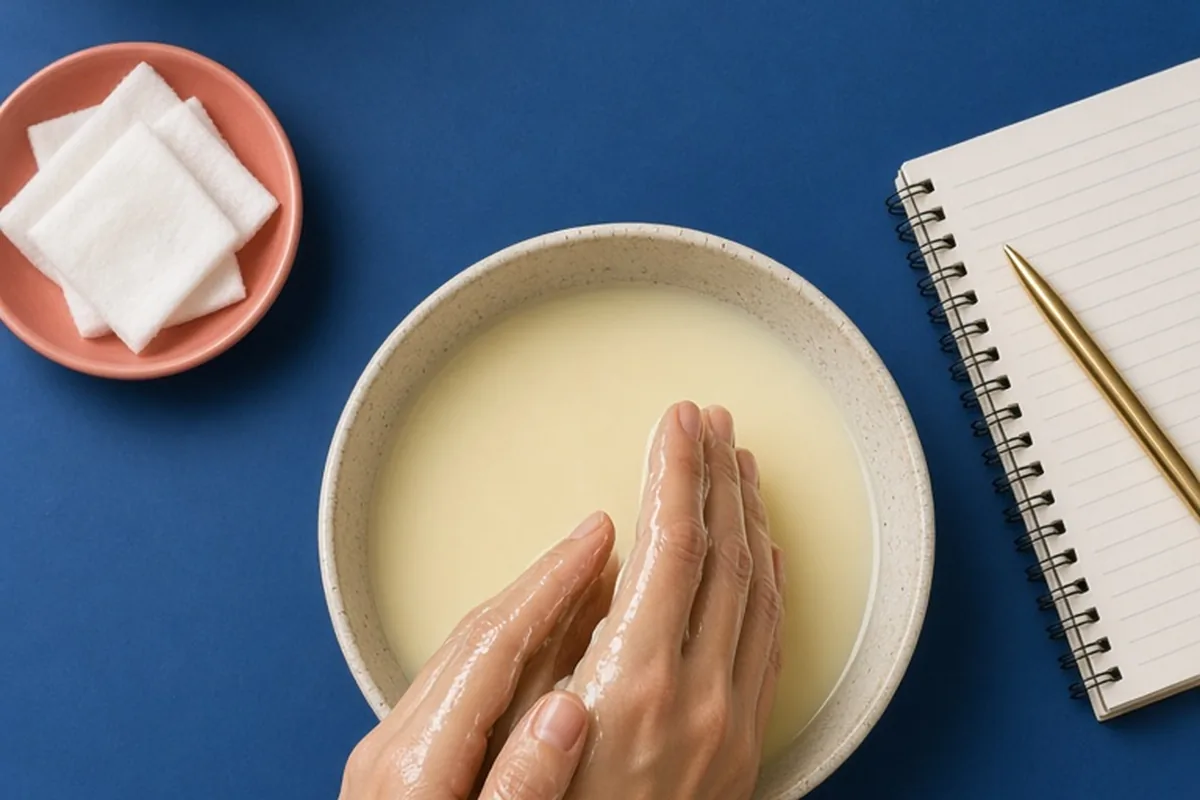
Before receiving a paraffin manicure, ask how the wax is applied to ensure single-use hygiene, how the melting temperature is regulated to prevent burns, what fragrances or essential oils are included in the blend, and whether the dip happens before or after polish. Asking these targeted questions ensures the salon follows sanitary protocols, protects delicate skin, and prevents oily residue from ruining your manicure.
Paraffin treatments deliver intensive thermal hydration by coating the hands in warm, melted wax to trap moisture and soften dry cuticles. Because this service combines heat, cosmetic oils, and specialized application steps, understanding a salon's specific procedures before your appointment helps ensure your comfort, personal safety, and overall manicure longevity.
How Is the Wax Applied to Prevent Cross-Contamination?
The most critical question to ask any nail technician involves how the paraffin wax is dispensed and applied. In traditional salon setups, communal wax warmers were common, requiring clients to dip their bare hands directly into a shared tub of warm wax. However, dipping hands into a communal bath presents sanitation concerns because bacteria, fungal spores, and skin debris can remain suspended in the wax between clients. A modern, sanitary salon should use single-use bags, clean ladles, or individual liners that prevent your skin from ever coming into direct contact with the main wax reservoir.
When inquiring about technique, ask if the salon ladles fresh melted wax into disposable plastic mitts or uses pre-packaged single-serve treatment bags. For example, a technician might pour warm wax into an individual glove-style pouch, place your hand inside, and massage the wax over your skin from the outside of the plastic. This method guarantees that no other client has touched the wax used on your skin. If a salon only offers a communal dip tank, consider asking if you can bring single-use paraffin gloves or decline the warm wax portion of the service to prioritize skin hygiene.
How Do You Monitor and Test the Wax Temperature?
Paraffin wax has a relatively low melting point, typically between 120 and 130 degrees Fahrenheit, but improper heating equipment or malfunctioning thermostats can cause the wax to become uncomfortably hot. Before allowing a technician to submerge your hands or wrap them in heated mitts, ask how they verify the temperature. Professional nail technicians should rely on calibrated thermometers or digital display warmers rather than relying solely on guesswork or quick visual checks of wax liquidity.
In addition to equipment monitoring, ask if the technician will perform a patch test on a small section of your skin, such as the inside of your wrist, before fully coating your hands. For example, individuals with thin skin, sensory neuropathy, or poor circulation may perceive heat differently or experience thermal sensitivity much faster than others. A responsible salon will happily perform a spot test and allow the wax to sit for thirty seconds to ensure the warmth feels soothing rather than stinging or overwhelmingly hot. If the temperature feels sharp or painful, request that the wax be allowed to cool before continuing.
What Ingredients and Fragrances Are in the Wax Formulation?
Paraffin wax used in nail salons is rarely pure petroleum-based wax; it is frequently blended with mineral oils, vegetable oils, synthetic fragrances, and botanical extracts to enhance slip and aroma. If you have known allergies, sensitive skin, or contact dermatitis, asking to see the ingredient list or product label before the service begins is essential. Essential oils like lavender, eucalyptus, or citrus are commonly added for relaxation, but they can trigger allergic contact reactions on compromised or reactive skin barriers.
Ask the technician if their paraffin contains artificial colorants, nut-derived carrier oils such as sweet almond oil, or heavy synthetic perfumes. For instance, someone with an allergy to tree nuts could experience redness or swelling if an unlisted almond-oil additive is present in the wax. If you prefer or require an unscented formula, ask beforehand if the salon keeps hypoallergenic or unfragranced paraffin in stock. Reputable salons maintain accessible product safety sheets or original packaging to clarify exactly what will touch your skin.
Does the Paraffin Treatment Occur Before or After Nail Polish?
The sequencing of a paraffin treatment relative to nail shaping, cuticle care, and polish application directly impacts how well your manicure lasts. Paraffin leaves an intensive layer of conditioning oils on the nail plate and surrounding skin. If a technician applies traditional nail polish or gel polish over a nail plate that still carries microscopic traces of paraffin oil, the polish cannot properly bond to the keratin surface, leading to rapid peeling, bubbling, or lifting within a couple of days.
Ask the salon how they schedule the steps within the manicure and how they dehydrate the nail bed before polishing. Some technicians complete all nail prep and polish first, allow traditional polish to dry partially, or cure gel polish fully before applying paraffin over the top. Other technicians prefer doing the paraffin dip early in the service, followed by an alcohol or acetone wipe to thoroughly cleanse and dehydrate the nail plates before base coat application. Understanding their sequence allows you to set expectations for drying times and overall polish durability.
Are There Precautions for Open Cuts or Skin Irritations?
It is important to discuss any existing skin abrasions, hangnails, micro-tears, or active irritations with your technician prior to the wax application. While warm wax is soothing on intact, dry skin, warm wax should never be applied over open wounds, bleeding cuticles, severe eczema flare-ups, or active infections. Inquiring about how the technician evaluates skin readiness helps establish clear safety boundaries before the service proceeds.
Ask how the technician handles cuticles and hangnails if you have raw or broken skin near the nail beds. For example, aggressive cuticle cutting right before a warm paraffin dip can introduce irritation into freshly exposed tissue. If you have a small nick or a recent paper cut, the technician should offer to protect that area with a barrier or suggest postponing the warm soak until the skin has fully closed. A clear conversation beforehand ensures your hands receive gentle, restorative treatment rather than experiencing unnecessary stinging or inflammation.
How Should I Prepare and Care for My Hands Post-Treatment?
Asking your technician for post-care advice allows you to extend the softening benefits of the treatment long after you leave the salon chair. Paraffin acts primarily as an occlusive agent, meaning it seals in moisture and softens existing skin layers, but it does not replace daily hand care habits. Asking how to care for your hands immediately following the service helps you avoid stripping the freshly conditioned skin barrier.
Inquire about when to wash your hands, what types of hand creams pair well with the remaining oils, and how often it is sensible to schedule treatments. For example, washing hands immediately with harsh, hot soapy water can strip away the newly absorbed emollient oils, diminishing the softening effect. A technician might recommend waiting an hour before rigorous handwashing and applying a simple, fragrance-free lotion before bed to maintain supple skin. Gathering these personalized maintenance tips ensures you maximize the value and comfort of your salon service.
Frequently asked questions
Can I get a paraffin manicure if I have diabetes or poor circulation?
Consult your physician before booking, as reduced thermal sensation or peripheral neuropathy can increase the risk of accidental burns. If approved, always inform your technician so they can keep the temperature strictly lukewarm and perform thorough spot checks.
Will a paraffin treatment ruin gel or acrylic nails?
Paraffin wax will not damage fully cured gel or set acrylic nails when applied properly. The primary concern is ensuring the natural nail plate is completely free of wax residue before applying any new artificial enhancement or polish.
How often is it safe to get a paraffin hand treatment?
For most people with healthy skin, receiving a paraffin treatment every two to four weeks provides consistent moisturizing benefits without over-softening the skin. If your hands are exceptionally dry during cold winter months, weekly treatments using single-use sanitary methods are generally fine.
What should I do if the paraffin wax feels too hot during application?
Speak up immediately and ask the technician to remove the wax or let the remaining batch cool down before continuing. Your comfort and safety take priority, and a professional technician will adjust the temperature or switch methods without hesitation.
Your next step
Before your next appointment, call the salon or consult your technician to confirm they use single-use wax application methods and conduct a temperature patch test for a safe, hydrating experience.