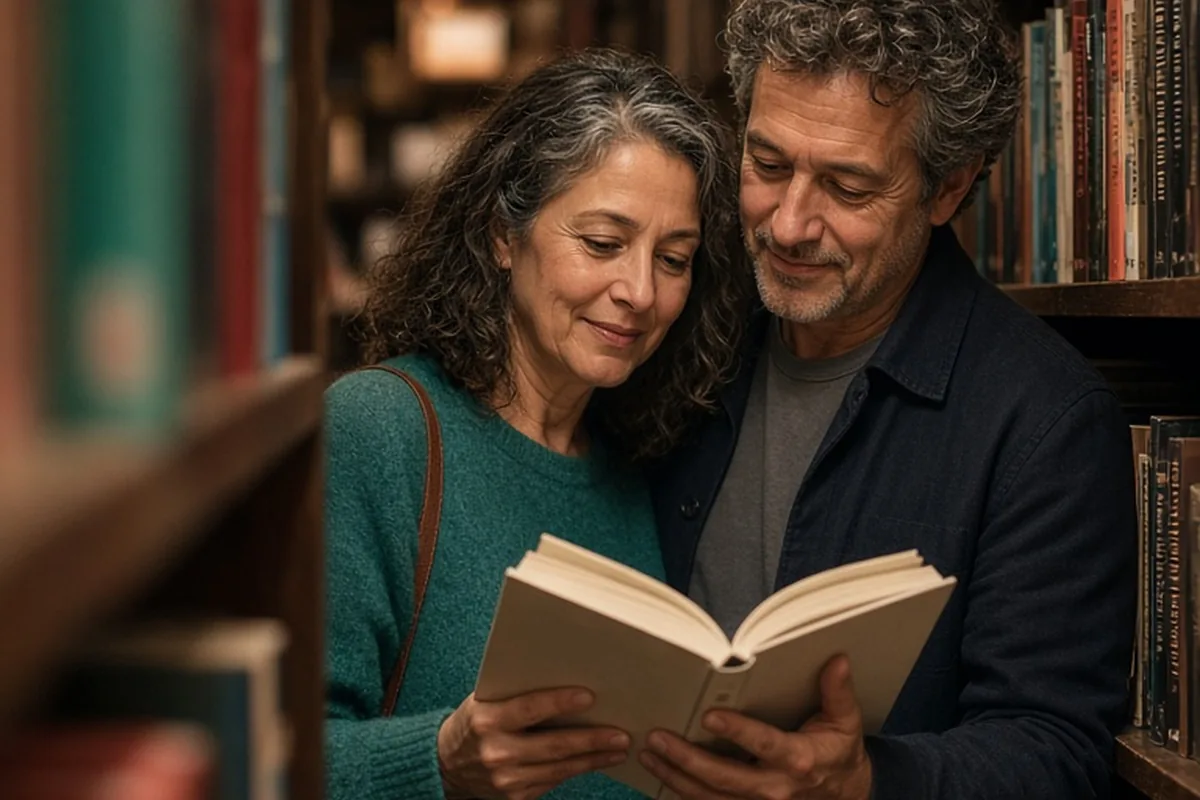
The best retirement hobbies for couples combine shared curiosity, mutual comfort, and low pressure. Engaging in activities like hiking, culinary classes, community volunteering, partner dance, gardening, or casual racquet sports allows partners to rediscover companionship on fresh terms. The key is selecting pursuits that welcome both skill levels, respect individual independence, and offer enjoyable collaboration rather than unwanted competition or routine obligation.
Stepping away from full-time careers fundamentally alters the rhythm of daily life, suddenly granting couples hundreds of unstructured hours each month. While this newfound freedom offers immense opportunity, it can also create unexpected friction when partners struggle to balance joint time with personal space. Finding meaningful pastimes together helps bridge this transition, turning open schedules into opportunities for deeper connection, renewed laughter, and shared achievement.
Active Outdoor Pursuits for Health and Exploration
Transitioning into retirement provides the ideal window to prioritize physical vitality through low-impact, outdoor activities that double as shared adventures. Hiking local nature preserves, cycling along converted rail trails, kayaking quiet waterways, and taking up birdwatching give couples a reliable reason to leave the house and appreciate the natural world together. These activities naturally encourage calm conversation because the focus is outward on the scenery rather than on performance or speed.
A practical advantage of outdoor hobbies is their adaptability to different fitness baselines. For example, birding or nature photography allows one partner to focus on identifying species while the other focuses on scenic walks or capturing landscape photos. The potential trade-off lies in physical fatigue or differing stamina levels. To keep these outings enjoyable, agree on distance limits before leaving home and prioritize comfortable pacing over athletic milestones, ensuring neither partner feels rushed or held back.
Hands-On Creative Projects and Maker Crafts
Creative hobbies provide tangible satisfaction because they transform abstract ideas into visible, physical results. Engaging in pottery classes, stained glass crafting, woodworking, or home landscape design allows couples to combine complementary skills toward a shared aesthetic goal. Working side by side in a workshop, art studio, or backyard garden creates a companionable atmosphere where conversation flows naturally without the need for constant verbal engagement.
Couples often thrive in creative pastimes when they divide tasks according to individual strengths and preferences. In a woodworking or furniture restoration project, one person might enjoy measuring, cutting, and structural assembly, while the other excels at sanding, staining, and finishing. The primary risk in creative collaborations is perfectionism. If one partner becomes overly critical of technique or visual outcomes, the activity shifts from an enjoyable outlet into an evaluative chore. Approaching every project with an attitude of experimentation keeps the atmosphere light.
Culinary Exploration and Gourmet Cooking at Home
After decades of cooking quick weekday meals or relying on work lunches, retirement offers the time to treat food preparation as an enjoyable craft rather than an administrative duty. Exploring regional cuisines, learning bread fermentation, mastering pasta from scratch, or attending weekend culinary workshops transforms dinner into a joint creative ritual. Cooking together engages all five senses and turns an everyday necessity into an engaging evening event.
To make kitchen hobbies sustainable, partners must establish clear boundaries around workspace and cleanup. When two people crowd around a single cutting board or criticize each other's knife technique, culinary projects can quickly produce unnecessary tension. A practical solution is defining distinct roles for each session, such as one partner managing sauce preparation while the other handles seasoning and baking. Rotating these responsibilities preserves fairness and prevents kitchen power struggles.
Intellectual and Strategic Pastimes
Maintaining cognitive sharpness is a major priority in later life, and engaging in intellectual hobbies together provides mental stimulation alongside social connection. Studying a foreign language prior to an international trip, diving into local history archives, joining a dual book discussion group, or learning complex modern board games challenges memory and problem-solving skills in an entertaining format.
Strategic pastimes like chess, bridge, or collaborative tabletop games provide clear structure and focused interaction without physical strain. However, highly competitive games can backfire if one person has a significant advantage in experience or a strong desire to win. Selecting cooperative board games, where players work together against the game mechanics rather than against each other, fosters mutual support and celebration instead of quiet frustration.
Purpose-Driven Volunteering and Civic Engagement
Many retirees experience a sense of loss when their professional identities and workplace contributions end. Channeling joint energy into community service restores a tangible sense of purpose while anchoring couples within their local community. Fostering rescue animals, tending community gardens, assisting at food distribution centers, or helping organize regional museum exhibits offers deep emotional fulfillment that individual recreation cannot always match.
Volunteering together provides shared milestones and introduces couples to diverse social circles outside their existing peer group. The trade-off to monitor is overcommitment. Because non-profit organizations frequently need dependable volunteers, couples can easily find their calendars overloaded. Setting clear boundaries regarding weekly hours ensures that volunteer work enhances retirement without crowding out relaxation and rest.
Micro-Adventures and Regional Road Trips
Travel does not require exhausting long-haul flights or expensive tour packages to be rewarding. Micro-adventures—such as day trips to historic towns, exploring nearby state parks, visiting regional farmers markets, or hunting for antiques—offer novel experiences with minimal logistical friction. These smaller excursions break up domestic routine, spark fresh topics of conversation, and build a library of shared memories.
The success of micro-adventures depends heavily on shared expectations around pace and spending. One partner may prefer meticulous itinerary planning, while the other favors spontaneous detours and wandering. A balanced approach involves alternating who plans each excursion or splitting the day so that structured sightseeing is paired with open-ended exploration. Establishing a modest discretionary budget beforehand eliminates awkward disagreements over dining or entrance fees.
Balancing Shared Activities with Personal Autonomy
A healthy marriage in retirement does not require doing everything together. In fact, cultivating individual interests alongside joint hobbies is essential for maintaining personal identity and long-term attraction. When partners spend every waking hour in each other's presence, conversational energy wanes and small irritations easily magnify. Having separate hobbies gives each person fresh stories, perspectives, and experiences to bring back to the relationship.
The most effective approach is establishing a balance between shared pastimes and independent pursuits. For example, one partner might spend Tuesday mornings at a solo painting class while the other plays tennis with friends, followed by a shared cooking project in the evening. Mutual respect for differing interests prevents feelings of abandonment or suffocation, creating a stable foundation where joint activities remain genuine choices rather than mandatory obligations.
Illustrative Scenarios
Navigating Unequal Athletic Abilities
After retiring, David and Elena decided to take up road cycling together. David immediately focused on tracking cadence, upgrading gear, and increasing their daily mileage, while Elena simply wanted a relaxing ride through neighborhood parks. Elena began dreading the rides, feeling constantly judged for her slower pace, while David felt frustrated by the lack of physical challenge. Rather than abandoning cycling entirely, they discussed their different goals. They agreed to separate their high-intensity solo rides from their joint weekend outings, which were re-framed as casual coffee excursions with a strict focus on leisure over distance.
Key point: Shared physical activities work best when couples explicitly agree whether the goal is athletic performance or relaxed companionship.
Managing Workspace Friction in Shared Hobbies
Mark and Sarah converted their garage into a joint workshop to pursue woodworking and pottery. Initially, Sarah felt overwhelmed because Mark quickly took over the central benches with power tools, leaving her little clean space for her clay wheel. Instead of letting resentment build into passive-aggressive comments, Sarah requested a formal planning conversation. They spent an afternoon dividing the garage into two distinct zones with dedicated storage for each craft, along with a shared cleanup protocol at the end of each afternoon.
Key point: Clear physical boundaries and shared organizational rules prevent creative collaborations from becoming sources of domestic friction.
Frequently asked questions
What should we do if my spouse and I have completely different interests?
Start by identifying secondary elements you both enjoy, such as spending time in nature, trying new foods, or visiting cultural venues. Choose hybrid activities—like visiting an outdoor sculpture garden or taking a culinary tour—where distinct preferences can overlap naturally. It is equally healthy to pursue individual hobbies separately while reserving simpler routines, like evening walks, for connection.
How can we test new hobbies without spending a lot of money upfront?
Take advantage of introductory community center classes, equipment rental programs, or borrow gear from friends before buying new supplies. Testing an activity across three or four low-cost trial sessions gives you both a clear sense of genuine interest without financial pressure.
How much joint hobby time is healthy during retirement?
There is no universal schedule, but many couples thrive when spending roughly two to three dedicated half-days per week on joint activities, leaving the remaining time for independent hobbies, social connections, and relaxation. The right balance is whatever leaves both partners feeling connected without feeling constrained.
How do we handle it when one partner wants to quit a shared hobby?
Acknowledge the change in interest without taking it personally or treating it as a failure of the relationship. Allow the interested partner to continue the hobby independently or with a local club, while you both explore a different low-stakes pursuit to try together.
Your next step
Sit down together this week, make a list of three low-cost activities neither of you has tried before, and schedule one introductory trial session without committing to it long-term.