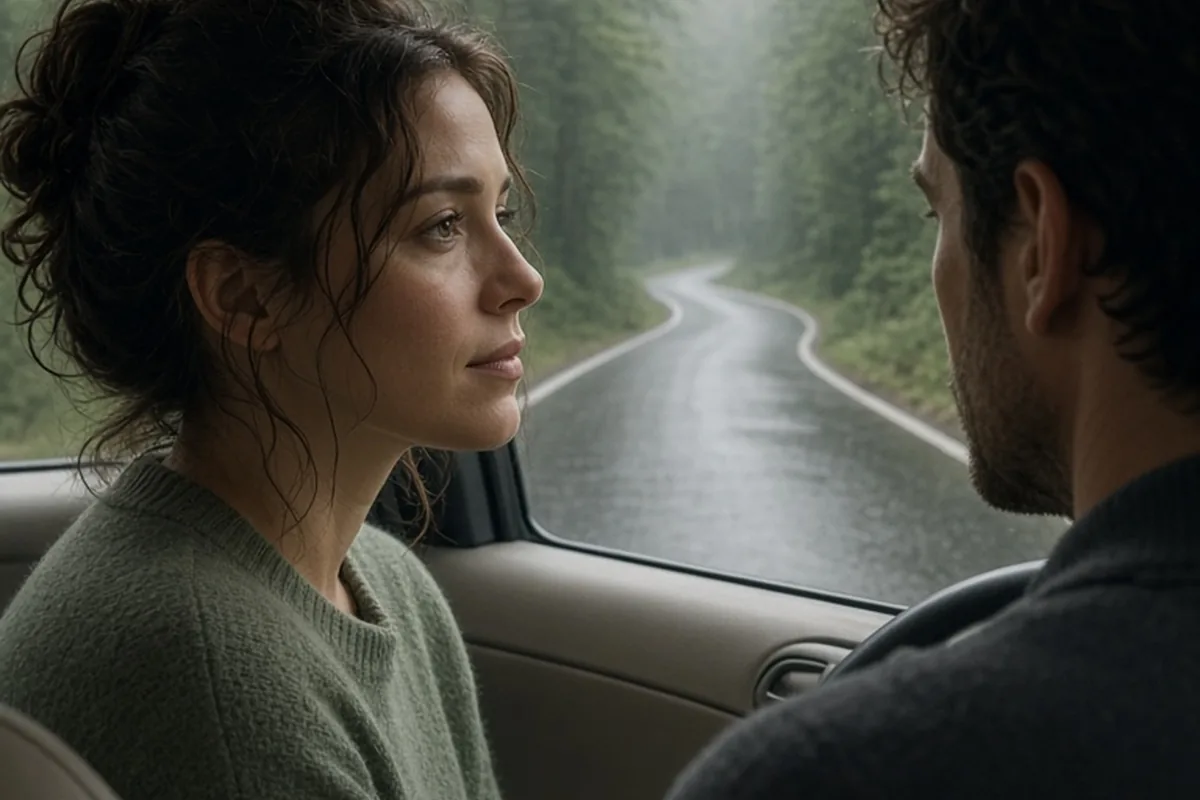
Taking a scenic drive through a foggy forest or temperate rainforest offers married couples a quiet, low-pressure environment to slow down and reconnect. The enclosed atmospheric landscape removes everyday household distractions, encouraging reflective conversation and calm companionship. Couples benefit most by treating the journey as a shared mindfulness ritual rather than a hurried destination race, planning flexible stops, sharing driving responsibilities, and embracing intentional dialogue along the misty route.
Modern marriage often moves at an unrelenting pace, leaving little room for spontaneous reflection or uninterrupted presence between partners. When daily obligations crowd out quiet connection, stepping into a sensory, slower environment can shift the emotional atmosphere instantly. A deliberate journey along a quiet road framed by towering canopies, drifting mist, and rain-washed foliage offers the exact container needed to reset shared rhythms.
The Calming Psychology of Atmospheric Nature Drives
The visual texture of a foggy forest drive creates what environmental psychologists often describe as a restorative sensory cocoon. Dense canopies, soft gray mists, and the rhythmic sweep of windshield wipers dramatically reduce the visual overstimulation of urban life. For a married couple, stepping into this subdued landscape naturally lowers physiological arousal and diffuses baseline irritability. The enclosed space of the vehicle, contrasted with the vast, quiet wilderness outside, fosters a distinct feeling of safety and shared seclusion, allowing partners to relax their defensive postures and settle into comfortable proximity.
Furthermore, immersive nature scenes provide a gentle form of fascination that does not demand active intellectual effort. When both partners gaze out at towering evergreens, moss-covered branches, and winding ribbons of wet pavement, their cognitive fatigue begins to lift. This mental softening makes emotional vulnerability far less intimidating than it might feel across a kitchen table. The natural ambiance encourages couples to lower their speaking volume, listen more patiently, and share thoughts that usually get buried underneath daily domestic coordination.
Designing a Low-Stress Route for Emotional Connection
The romantic success of a scenic nature drive depends significantly on pacing and realistic expectations. Selecting a route known for lush greenery—such as coastal temperate rainforest corridors, mountainous evergreen highways, or sheltered river valleys—creates the right backdrop, but packing too many miles into an afternoon can quickly generate road fatigue. Couples should aim for routes that require no more than two to three hours of total driving time, allowing ample room for spontaneous turnouts, roadside walks, and scenic overlooks without racing against sunset.
A truly restorative drive also requires proactive practical planning so that logistics do not intrude on intimacy. Before leaving, partners should review the route together, ensure vehicle maintenance is current, and download offline maps in case cellular reception drops within dense woods. Agreeing in advance on who handles navigation, when to swap driving duties, and how to handle unexpected detours prevents minor travel hiccups from turning into interpersonal friction during the outing.
- Select designated scenic byways that prioritize sweeping natural vistas over high-speed commuter transit.
- Download offline navigation routes and trail maps prior to entering remote forested areas with spotty reception.
- Schedule a thirty-minute buffer for unscripted pauses, photo stops, or short nature boardwalk strolls.
- Pack a small emergency comfort kit including warm layers, an umbrella, dry towels, and simple refreshments.
Vehicle Dynamics and Thoughtful Side-by-Side Communication
One of the most powerful relational advantages of a road trip is the physical orientation of side-by-side seating. Unlike face-to-face conversations, which can sometimes feel confrontational or high-stakes during difficult discussions, looking forward through the windshield together provides a neutral focal point. This shared visual alignment reduces emotional pressure, making it easier for spouses to discuss sensitive feelings, long-term dreams, or quiet vulnerabilities without the immediate discomfort of intense eye contact.
To make the most of this natural dynamic, establish an intentional conversational boundary before starting the engine. Decide mutually to place routine household problem-solving, budgeting stress, and logistical scheduling on pause for the duration of the trip. Instead, use open-ended prompts focused on personal growth, fond shared memories, or curious questions about each other's inner worlds. By protecting the space from administrative burdens, the vehicle becomes an oasis for authentic emotional discovery.
Engaging the Senses to Turn the Drive into a Ritual
A scenic forest journey becomes truly memorable when both partners actively engage all their senses rather than treating the drive as passive transit. Rolling the windows down for a few minutes while driving through a cool rainforest allows the crisp scent of pine, damp soil, and clean rain to fill the cabin. Pairing this natural sensory immersion with a deliberately curated playlist—or choosing intentional periods of complete silence—allows the natural percussion of tires on wet asphalt and raindrops on glass to set a calming mood.
Couples can also craft small, tactile rituals throughout the excursion to ground the experience. Bringing along an insulated thermos of hot cider, tea, or artisan coffee creates an inviting excuse to pull over at a quiet trailhead or misty valley overlook. Stepping out into the cool air together under a shared umbrella, taking a deep breath of forest air, and sipping a warm drink reinforces physical closeness and creates an emotional anchor that both partners will associate with peace and mutual care.
Navigating Wet Weather Road Safety with Calm Teamwork
While foggy, rain-soaked landscapes are visually stunning, driving through them requires heightened caution and deliberate teamwork. Low visibility, slick road surfaces, and sudden curves through heavily wooded terrain demand slower speeds and increased following distances. The driver should focus entirely on steady handling, utilizing low-beam headlights and defrosters, while the passenger takes on the supportive role of co-pilot, monitoring directions and road signs to reduce driving stress.
Maintaining psychological safety is just as crucial as physical safety on challenging roads. If the weather becomes intense or navigation feels confusing, partners must guard against sharp criticism or anxious micromanagement. Agreeing on a calm communication protocol—where either person can comfortably request a brief stop at a safe pull-off to regroup—ensures that driving demands do not erode the peaceful intimacy the trip was designed to nurture.
Carrying Forest Tranquility Back into Everyday Life
The emotional closeness and mental clarity achieved during a secluded nature drive do not have to evaporate the moment the car returns to the driveway. The true long-term value of such an experience lies in translating that shared stillness back into the home environment. Couples can reflect together on what specific elements of the journey felt most nourishing—whether it was the absence of digital screens, the gentle pace of conversation, or simply being surrounded by quiet greenery.
To sustain these benefits, schedule small micro-rituals in the weeks following the drive. This might involve taking an evening walk under the trees in a local park, setting aside thirty minutes of screen-free conversation with a warm beverage, or keeping a photo of the misty forest route in a visible spot as a reminder of shared serenity. By deliberately integrating these peaceful rhythms into regular routines, the road trip becomes a lasting catalyst for ongoing marital warmth.
Frequently asked questions
What makes a foggy forest drive particularly effective for marital connection?
The visual softness of fog and lush greenery reduces nervous system stress and removes daily household distractions. Sitting side by side while looking at the road provides a low-pressure setting where partners can speak openly without feeling put on the spot.
How can couples prevent navigation disagreements during a remote scenic drive?
Couples should agree on the route beforehand, download offline maps to prevent loss of signal, and clearly define navigation support roles. Approaching missed turns with curiosity rather than blame keeps the atmosphere calm and enjoyable.
What should couples do if conversation stalls during the trip?
Comfortable silence is a valuable part of the experience and does not need to be filled constantly. If you want to re-engage, try asking gentle, open-ended questions about personal dreams or favorite shared memories rather than forcing formal conversation.
Your next step
Pick a nearby scenic forest corridor, download an offline map, and schedule a half-day drive with your partner this month, committing to leave daily logistical chores behind for the journey.