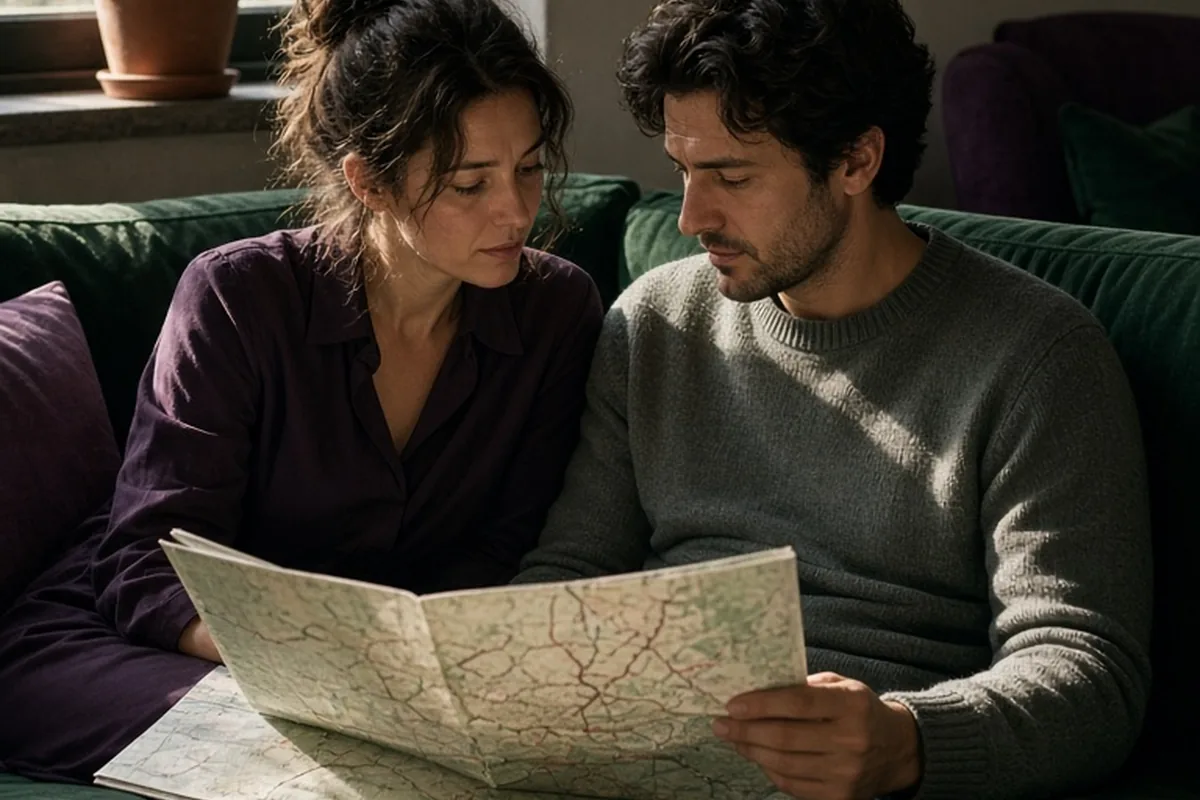
A romantic voyage with your partner succeeds when you balance shared planning with realistic expectations and intentional downtime. Rather than packing every hour with activities, focus on low-stress shared experiences, clear agreements on budget and pace, and open communication when travel hiccups happen. Giving each other breathing room and prioritizing mutual comfort ensures the trip deepens your bond rather than creating unnecessary friction.
Traveling together offers an exceptional opportunity to step away from daily responsibilities, break familiar routines, and rediscover one another in an inspiring setting. Yet long travel days, unfamiliar environments, and differing habits can introduce unexpected tension if a couple does not prepare to navigate them as a cohesive team.
Aligning on Travel Styles and Core Expectations Early
Every successful trip begins long before you pack your bags. Partners often bring contrasting definitions of what makes a voyage romantic. For one person, romance means lounging by the water with a book for hours without a schedule; for another, it involves waking at dawn to explore historical sites, sample street food, and cross off landmark destinations. If these divergent desires remain unstated, one partner inevitably feels rushed while the other feels held back.
To bridge this gap, sit down together during the planning phase to discuss your ideal day on the trip. Ask each other what energy level you hope to maintain and what single experience matters most to each of you. For example, if your partner prioritizes an upscale dinner overlooking the ocean while you want an afternoon hiking coastal trails, you can intentionally build both into separate days. The trade-off is that neither partner gets absolute control over every hour, but both leave the trip feeling their personal desires were valued.
Establishing a Transparent Travel Budget to Avoid Financial Strain
Money is one of the most common sources of friction during couples travel. Unclear boundaries around spending can lead to silent resentment, especially when deciding between budget-friendly alternatives and luxury splurges. When financial expectations are vague, every meal, excursion, or cab ride becomes a mini-negotiation that pulls you out of the romantic atmosphere.
A practical approach is to agree on a total trip budget and divide it into clear categories, such as lodging, transit, shared dining, and spontaneous fun. Many couples benefit from setting aside a daily discretionary fund that either partner can use without debate. For instance, if unexpected museum tickets or an impromptu dessert stop appeal to one of you, having dedicated funds eliminates the need to ask permission or justify the cost. Recognizing that budgets require compromise allows both partners to enjoy the experience without lingering guilt or anxiety.
Designing an Itinerary with Built-In Breathing Room
The temptation to maximize a trip by over-scheduling every block of time is common, yet it is often the quickest way to ruin the romantic atmosphere. Travel inherently involves delays, physical exertion, and sensory overload. When your itinerary lacks flexibility, any transit cancellation or missed connection produces disproportionate stress and short tempers.
Adopt a relaxed planning model where you schedule only one major anchor activity per day, such as a guided tour or a special meal. Keep the rest of the day open for spontaneous exploration, quiet walks, or simply resting in your room. If you arrive in a new city after a long flight, give yourselves permission to take a long nap or sit in a neighborhood cafe rather than forcing an immediate sightseeing marathon. Preserving your physical energy directly protects your patience and emotional warmth toward each other.
Navigating Inevitable Travel Mishaps as a Collaborative Team
Even the most meticulously organized voyages face disruptions, whether it is a lost piece of luggage, a delayed ferry, or a disappointing hotel room. In these high-pressure moments, it is easy to slip into finger-pointing or passive-aggressive frustration, especially if one partner took the lead on making that specific booking.
When an obstacle arises, consciously shift your posture from criticism to partnership. A helpful mindset is to treat the problem as something you and your partner are facing together against an external circumstance, rather than an error one person committed. For example, if a GPS mistake leads you down the wrong road, acknowledge the inconvenience calmly, take a brief breath together, and treat the detour as part of the shared story. Showing patience under stress builds deep mutual trust and demonstrates that your connection is sturdier than logistical inconveniences.
Cultivating Meaningful Romance Through Presence and Private Rituals
Romance on a journey rarely comes from grand cinematic gestures; it thrives in focused attention and shared presence. Constant phone checking, photographing every detail for social media, or monitoring work emails quietly drains intimacy from an otherwise beautiful setting. If your attention is consistently anchored to a screen, your partner feels like an accessory to your digital life rather than the focus of your trip.
Establish small, intentional rituals that signal closeness throughout the voyage. Put your phones away entirely during evening meals, take morning coffee together on a balcony without distractions, or designate twenty minutes before bed to reflect on your favorite moment from the day. These low-pressure habits create a safe space for open conversation, renewed flirtation, and genuine appreciation of each other's company.
Respecting the Value of Solo Time and Personal Pace
Being on a romantic voyage does not mean you must spend all twenty-four hours of every day attached at the hip. Spending continuous, uninterrupted time together in unfamiliar environments can lead to social fatigue, even in the strongest relationships. Introverted partners, in particular, need quiet time to recharge their emotional reserves.
Encourage short periods of independent activity without taking it as a personal rejection. If your partner wants to spend ninety minutes reading by the pool while you prefer visiting a local market or running along the waterfront, support each other in doing so. When you reconvene for lunch or dinner, you will both feel refreshed and have fresh stories to share, which enlivens your conversation and keeps the dynamic vibrant.
Carrying the Warmth of the Voyage Back into Daily Life
The end of a getaway often brings a sharp transition back to work, chores, and everyday stressors, leading to what many experience as the post-vacation slump. If couples immediately dive back into isolated routines without acknowledging the experience they just shared, the closeness cultivated on the trip can fade rapidly.
To sustain that connection, plan a gentle re-entry. Leave a half-day before returning to work to unpack, order a favorite takeout meal, and review photos together. Consider incorporating a small habit or flavor from the journey into your home routine, such as preparing a dish you discovered or continuing the habit of uninterrupted evening walks. Celebrating the shared memory reinforces your bond and provides positive anticipation for your next adventure.
Illustrative Scenarios
Resolving Conflicting Paces in an Unfamiliar City
During a five-day coastal trip, David wanted to visit three distinct historical landmarks every morning, while Sarah felt overwhelmed and exhausted by noon. Sarah began withdrawing into silence, which David interpreted as disinterest in the trip. Instead of stewing in frustration, Sarah explained that she loved being there but needed quiet mornings to enjoy the trip. David agreed to adjust the schedule so they chose only one landmark each afternoon. They spent the mornings relaxing at their rental before heading out together.
Key point: Naming your physical and emotional capacity directly prevents misunderstandings and allows both partners to find a rhythm that feels restorative.
Handling Unexpected Delays Without Blame
While transferring between regional trains, Marcus misread the platform sign, causing them to miss the last connecting train of the evening. Initially, both felt a surge of panic and irritation, and Marcus prepared for a harsh argument. Instead of assigning blame, his partner took a breath and suggested finding a nearby cafe to review hotel options for the night. They booked a modest local inn, enjoyed an impromptu dinner in a quiet town square, and laughed about the detour the next morning.
Key point: Treating travel mistakes as neutral problems to solve together protects the romance and turns a stressful mistake into a positive shared memory.
Frequently asked questions
What should we do if we disagree on how to spend a specific day of the voyage?
Talk through the underlying desire behind each option to see if you can combine elements or split the day fairly. Alternatively, dedicate one half of the day to one partner's preferred activity and the second half to the other person's choice. Embracing a give-and-take mindset ensures both individuals feel respected.
How can we keep romance alive without putting pressure on physical intimacy?
Focus on emotional presence, affectionate gestures, and shared laughter without attaching an expectation of a specific outcome. Simple physical closeness like holding hands, sharing back rubs after a long walk, and enjoying unhurried conversations builds genuine warmth naturally. Respecting each other's comfort and fatigue levels keeps intimacy pressure-free and mutually enjoyable.
How much of the itinerary should be booked in advance versus left open?
A dependable guideline is to reserve essential transit, lodging, and one high-priority excursion per day well ahead of time. Leaving the rest of each day flexible allows you to adapt to local recommendations, weather shifts, and your personal energy levels. This balance provides structural peace of mind while preserving spontaneity.
Your next step
Sit down with your partner this week and identify one shared priority and one individual preference for your upcoming voyage, creating a balanced foundation before booking your first reservation.