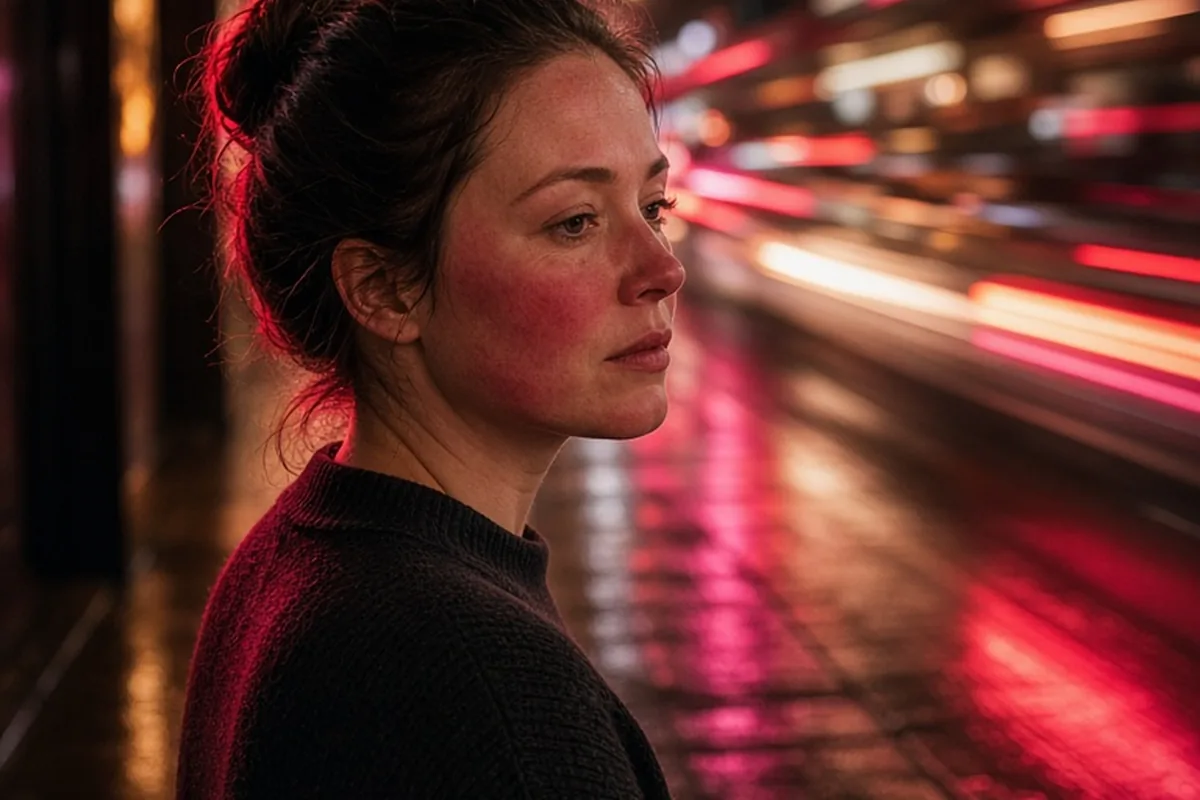
Rosacea is a chronic inflammatory skin condition characterized by facial redness, flushing, visible blood vessels, and sensitivity. For beginners, the most effective approach focuses on protecting the skin barrier through ultra-gentle, fragrance-free cleansing, rich non-irritating moisturizers, and daily broad-spectrum mineral sunscreen. Simplifying your daily routine, avoiding known environmental and dietary triggers, and patch-testing every new product can significantly reduce uncomfortable flare-ups.
Receiving a new rosacea diagnosis or suddenly experiencing persistent facial flushing can feel overwhelming, especially when typical skincare advice seems to worsen irritation. The key to managing sensitive, flare-prone skin lies in shifting your focus away from harsh treatments and toward consistent, soothing barrier support that calms inflammation and strengthens everyday resilience.
Identifying Common Facial Flushing Triggers and Patterns
Rosacea differs from standard skin sensitivity because it involves hyper-reactive blood vessels and an easily disrupted moisture barrier. When exposed to specific external or internal stimuli, facial vessels dilate rapidly, leading to prolonged flushing, warmth, stinging, and sometimes papules or pustules. Beginners often struggle because triggers vary dramatically from person to person. Common triggers include direct sun exposure, extreme temperature swings, brisk winds, vigorous cardiovascular exercise, emotional stress, hot beverages, spicy foods, and alcohol. Understanding that rosacea is an ongoing condition rather than a temporary rash helps you approach skin management with patience and proactive care.
To pinpoint your personal triggers, consider keeping a simple daily symptom journal for two to three weeks. Note what you ate, the weather conditions, your stress levels, and any skincare products applied alongside the severity of any redness. For example, if you notice intense burning after an outdoor run on a cold morning, you might learn that wind chill and abrupt temperature changes provoke your skin more than dietary factors. A trade-off of trigger tracking is that eliminating every single potential trigger can feel restrictive and impractical. The realistic goal is not complete avoidance of daily life, but identifying your most potent personal triggers so you can make informed adjustments, such as wearing a soft protective scarf in freezing weather or lowering the water temperature in your shower.
Establishing a Gentle Core Cleansing and Moisturizing Routine
The cornerstone of rosacea care is maintaining a calm, intact epidermal barrier. Many individuals new to rosacea inadvertently damage their skin by using foaming cleansers, hot water, scrubbing tools, or astringent toners designed for typical acne. Because rosacea-prone skin is prone to elevated transepidermal water loss and heightened nerve sensitivity, aggressive cleansing strips essential lipids and amplifies stinging. A beginner routine should rely on a non-foaming, sulfate-free cream or gel-lotion cleanser used with lukewarm water. Cleansing should feel soothing rather than squeaky-clean, and patting the face dry with a soft microfiber towel prevents mechanical friction that could spark a flush.
Immediately following cleansing, applying a barrier-replenishing moisturizer helps seal in hydration and shield vulnerable nerve endings. Look for formulations containing physiological lipids like ceramides, fatty acids, and squalane, as well as humectants like glycerin and hyaluronic acid. For instance, a basic daily moisturizer with ceramides and cholesterol reinforces intercellular cement without clogging pores. While rich creams provide superior protection for dry, stinging skin, those with combination or oily rosacea might find heavy balms slightly occlusive. In that case, layering a lightweight hydrating lotion under a moderate cream allows balanced moisture without feeling suffocating.
Choosing Calming Actives and Avoiding Harsh Ingredients
When exploring targeted skincare products, beginners should prioritize ingredients proven to soothe visible inflammation while avoiding harsh resurfacing agents. Beneficial ingredients for reactive skin include azelaic acid, niacinamide in low concentrations, colloidal oatmeal, panthenol, and green tea extract. Azelaic acid is particularly valued because it offers mild antimicrobial and antioxidant properties that help decrease surface redness and smooth out bumps without irritating the barrier as severely as traditional acne treatments. Similarly, centella asiatica and panthenol support skin recovery by calming burning sensations.
Equally crucial is knowing which ingredients to avoid. Exfoliating acids like glycolic acid, high-strength salicylic acid, physical scrubs, pure essential oils, menthol, camphor, synthetic fragrance, and high-percentage ethyl alcohol frequently provoke contact irritation and worsen flushing. For example, a beginner dealing with bumps might instinctively reach for a potent benzoyl peroxide gel or tea tree oil, only to experience intense peeling and flare-ups because these ingredients are too aggressive for rosacea barriers. When selecting targeted serums, choose products with short ingredient lists and mild concentrations to minimize the chance of reactivity.
Navigating Sun Protection and Mineral Sunscreen Selection
Ultraviolet radiation is one of the most widely documented triggers for rosacea flares, making reliable daily sun protection non-negotiable. Sunlight induces cellular stress and promotes vascular dilation in delicate facial tissue, which can turn mild underlying redness into a stubborn, persistent flush. For beginners, choosing a sunscreen can feel daunting because many standard formulas cause immediate stinging or warmth. Mineral sunscreens formulated with non-nano zinc oxide and titanium dioxide are widely regarded as the safest choice for reactive complexions because they sit on the surface of the skin to deflect rays rather than relying on chemical filters that can sometimes generate local heat.
In addition to UV deflection, zinc oxide naturally provides mild skin-soothing properties that can calm visible irritation throughout the day. When selecting a daily SPF 30 or higher, look for a lightweight, fragrance-free lotion with a slight tint. A tinted mineral sunscreen offers two distinct benefits: iron oxides provide supplemental protection against visible light, and the subtle neutral or green-tinted pigment helps optically balance facial redness without heavy makeup. The main trade-off of mineral formulas is the potential for a chalky cast or a heavier texture on certain skin types. Testing different fluid or tinted mineral formulations can help you find a comfortable finish that you will happily wear every single morning.
Introducing New Skincare Products Without Triggering Flares
Eagerness to find quick relief often tempts beginners into overhauling their entire skincare shelf at once. However, introducing multiple new products simultaneously makes it impossible to identify which item caused a reaction if a flare-up occurs. A methodical, cautious introduction protocol protects your skin barrier and saves money. Always patch test every new product on a discreet, sensitive area, such as the side of the neck or behind the ear, for three to five consecutive days before applying it to your entire face. Watch closely for signs of delayed hypersensitivity, such as localized redness, itching, tiny bumps, or tightness.
Once a product passes patch testing, integrate it into your routine in isolation for at least two weeks before considering another addition. For example, if you are introducing a new azelaic acid serum, apply a pea-sized amount every other evening over your moisturizer to buffer its intensity. This gradual integration gives your skin time to adapt to active ingredients and provides clear evidence of how your complexion tolerates each specific formula. If irritation develops, you can instantly pause the newest product without questioning the rest of your routine.
Setting Realistic Timelines for Visible Skin Calming
Managing rosacea requires patience and realistic expectations, as inflammatory skin conditions respond gradually to supportive care. While a gentle cleanser and barrier cream can reduce surface stinging and tightness within a few days, calming persistent background erythema and reducing the frequency of flushing episodes typically takes several weeks to months. The biological turnover of the epidermis takes roughly twenty-eight days, and vascular reactivity adapts slowly to reduced environmental stress. Expecting overnight results often leads beginners to abandon effective, gentle products prematurely in search of an elusive instant fix.
Tracking progress through weekly photos taken in consistent, natural morning lighting can provide objective clarity on how your skin is healing. Over eight to twelve weeks of consistent barrier care and sun protection, you may notice that flushing episodes resolve more quickly after exercise, bumps flatten, and overall facial sensitivity diminishes. Remember that minor fluctuations and occasional flare-ups are completely normal due to weather changes or hormonal shifts. Measuring long-term trends rather than daily variations will keep you encouraged as your skin stabilizes.
Knowing When to Consult a Board-Certified Dermatologist
While an intentional over-the-counter routine forms the foundation of day-to-day comfort, professional medical evaluation is essential for proper diagnosis and advanced treatment planning. Rosacea can mimic other dermatological conditions, such as seborrheic dermatitis, contact dermatitis, or systemic lupus, which require distinct management approaches. Furthermore, rosacea exists in several subtypes, ranging from erythematotelangiectatic (redness and visible blood vessels) and papulopustular (blemishes and swelling) to phymatous (tissue thickening) and ocular rosacea (eye dryness, grittiness, and inflammation).
If you experience persistent burning, extensive papules that do not improve with gentle care, visible broken capillaries, or eye irritation, schedule an appointment with a board-certified dermatologist. A specialist can prescribe targeted topical or oral therapies, such as prescription-strength ivermectin, metronidazole, or low-dose anti-inflammatory antibiotics, which work synergistically with your gentle home routine. In-office light and vascular laser treatments can also target persistent broken vessels that skincare products cannot eliminate. Consulting a professional ensures you receive safe, individualized care tailored to your specific subtype.
Frequently asked questions
Can rosacea be cured permanently with the right skincare routine?
Rosacea is a chronic skin condition without a permanent cure, but its symptoms can be managed effectively over time. Consistent barrier-supportive skincare, diligent sun protection, and trigger avoidance can keep flares minimal and maintain everyday comfort.
How do I tell the difference between rosacea bumps and traditional acne?
Rosacea bumps typically present as small red papules or pustules concentrated on the central face without the presence of blackheads or deep comedones. They are often accompanied by flushing, visible sensitivity, and stinging, unlike standard acne which stems from clogged pores and excess sebum.
Is it safe to wear makeup if I have active rosacea?
Yes, you can wear makeup if you choose lightweight, fragrance-free, and non-comedogenic formulas that do not require harsh rubbing to remove. Mineral-based powders and green-tinted color-correcting primers can comfortably neutralize redness while being gentle on sensitive skin.
Can I use chemical exfoliants like glycolic or salicylic acid with rosacea?
Traditional chemical exfoliants like glycolic acid are generally too harsh for rosacea-prone skin and can aggravate redness and burning. If texture or mild congestion is a concern, milder alternatives like azelaic acid or polyhydroxy acids used infrequently are much safer options.
Your next step
Begin your rosacea care journey today by removing harsh scrubs and fragrances from your shelf, committing to a simple three-step routine of a gentle cleanser, a ceramide moisturizer, and daily mineral sunscreen.