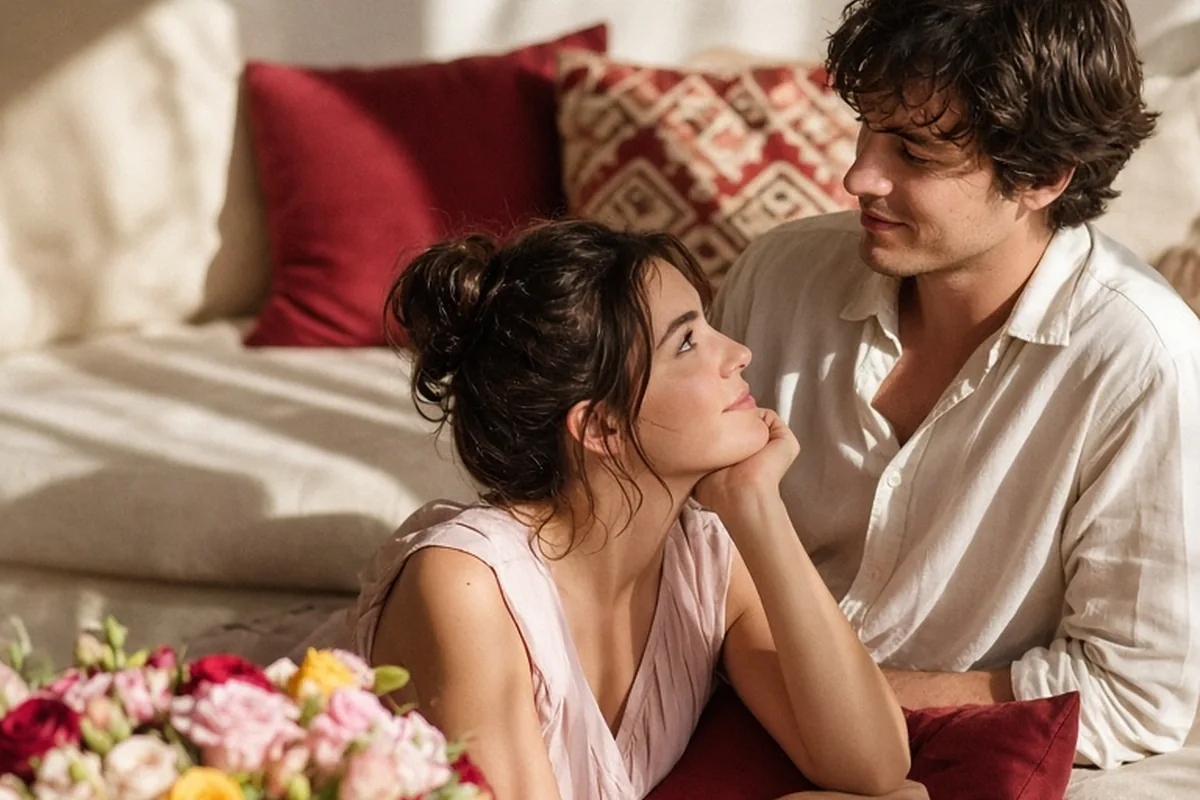
Rose color meanings provide a timeless symbolic language to express specific emotions. Red signifies deep romantic love and commitment, pink reflects gratitude and gentle appreciation, yellow celebrates friendship and joy, and white represents purity and new beginnings. Warmer tones like orange and peach convey enthusiasm and modest gratitude, while lavender expresses fascination. Choosing the right shade helps ensure your floral gift communicates your exact intentions without misunderstanding.
Flowers have served as a subtle form of communication across cultures for centuries, with floriography reaching its height during the nineteenth century. While modern floral gifting is far more relaxed than historical etiquette once dictated, color symbolism remains an intuitive and thoughtful way to add emotional resonance to any bouquet. Understanding the traditional nuances behind each shade lets you personalize your gift for romance, milestones, or platonic support.
Red Roses: Deep Romance, Passion, and Enduring Commitment
The red rose is the universal emblem of romantic devotion. Across art, poetry, and cultural traditions, vibrant crimson petals have represented passionate desire, deep emotional connection, and unwavering respect. When you present someone with a classic red rose, you are communicating an unambiguous message of romantic love. Because the association is so deeply ingrained in collective consciousness, a single red stem or an elaborate dozen carries an immediate weight of romantic intentionality.
Nuances exist even within the spectrum of red. Bright scarlet shades emphasize intense attraction and fiery passion, making them popular choices for Valentine's Day and early declarations of love. Darker burgundy or wine-colored roses, by contrast, convey deep commitment, sophisticated loyalty, and timeless devotion that has matured over years. The trade-off with red roses lies in their intensity: sending a dozen long-stemmed red roses to a casual acquaintance, a new colleague, or on a very first date can easily overwhelm the recipient by implying an intensity that may not match the current stage of the relationship.
Pink Roses: Gratitude, Grace, and Budding Affection
Pink roses represent a softer, multifaceted expression of affection, grace, and heartfelt appreciation. Because pink spans a wide spectrum of tones, it is among the most versatile floral choices available. In traditional floriography, deep or hot pink roses symbolize profound gratitude and recognition, serving as an elegant gesture to say thank you to a mentor, supportive friend, or family member who offered meaningful help.
Lighter shades, including blush, pale rose, and pastel pink, suggest gentle joy, elegance, and the tender beginnings of romantic interest. For emerging relationships where red roses might feel overly dramatic or premature, blush roses offer an understated, sweet alternative that conveys genuine fondness without unnecessary pressure. A potential limit to keep in mind is that very light pink arrangements can occasionally look understated or purely decorative, so pairing them with a handwritten note ensures your underlying message of gratitude or affection comes through clearly.
Yellow Roses: Friendship, Warmth, and Joyful Celebrations
Historically associated with jealousy or infidelity in Victorian floral dictionaries, the yellow rose has undergone a complete cultural shift in contemporary gifting. Today, yellow blooms symbolize cheerful warmth, platonic friendship, optimism, and celebration. Their bright, sunlit hue evokes feelings of happiness and vitality, making them ideal for lifting someone's spirits during recovery, celebrating a promotion, or congratulating a friend on an academic achievement.
Yellow roses are particularly useful in situations where you want to show deep care and support without any romantic subtext. Giving a bouquet of yellow roses to a close companion or a neighbor honors a bond founded on mutual respect and shared joy. However, if your goal is to express romantic interest or explore mutual attraction, sending purely yellow roses can inadvertently signal that you see the connection strictly as platonic, potentially leading to confusion about your intentions.
White Roses: Purity, Reverence, and Fresh Beginnings
White roses carry an enduring association with purity, innocence, sincerity, and new beginnings. Traditionally central to bridal bouquets, white petals reflect unity, honor, and the start of a shared journey between partners. Their clean aesthetic communicates quiet respect and honest intentions, making them equally appropriate for major milestones such as weddings, housewarmings, graduations, and spiritual ceremonies.
Beyond joyous beginnings, white roses also serve a vital role in times of transition, remembrance, and condolences. A simple arrangement of pristine white blooms offers a tasteful expression of sympathy and reverence when words feel inadequate. Because white roses carry both celebratory and somber connotations, the context and accompanying floral accents matter greatly; adding vibrant greenery or soft pastel fillers can help set the mood appropriately for happy occasions rather than solemn ones.
Orange and Peach Roses: Enthusiasm, Warmth, and Modesty
Orange and peach roses sit at the energetic intersection between passionate red and cheerful yellow. Vibrant, fiery orange blooms symbolize intense enthusiasm, creative energy, and excitement. In romantic contexts, orange roses capture the thrilling bridge between initial friendship and emerging passion, making them an adventurous choice for couples exploring a deepening connection with bold enthusiasm.
Peach roses, on the other hand, communicate warmth, modest sincerity, and grateful closure. They are widely used to celebrate the successful conclusion of a shared project, a collaborative milestone, or a gracious dinner invitation. Soft peach blooms convey emotional warmth without romantic intensity, making them a refined and polite choice for professional and social settings alike. The main trade-off with bold orange stems is their strong visual presence, which may not suit every recipient's interior aesthetic as seamlessly as neutral or soft pastel shades.
Lavender and Purple Roses: Fascination, Enchantment, and Elegance
Lavender and deep purple roses carry an aura of mystery, wonder, and refined charm due to their rarity in the natural world. Light lavender roses are traditionally tied to the concept of enchantment and love at first sight, capturing the ethereal feeling of being captivated by someone unique. Their delicate, unusual shade suggests imaginative thoughtfulness and tender fascination.
Deep violet or plum-colored roses evoke majesty, sophistication, and profound admiration, drawing on historical associations between rich purple dyes and royalty. These darker varieties make exceptional gifts for significant relationship milestones, creative individuals, or anyone who appreciates dramatic, non-traditional florals. While deeply striking, purple varieties can sometimes be less readily available at neighborhood florists compared to primary shades, so planning ahead is often necessary if you have your heart set on a lavender arrangement.
Mixed Rose Bouquets: Combining Colors for Nuanced Meaning
Combining multiple rose colors within a single bouquet allows you to weave together complex, multifaceted sentiments. For example, blending red and white roses traditionally represents unity and harmonious partnership, making it a popular choice for anniversaries. Pairing yellow and orange blooms creates an arrangement brimming with cheerfulness, shared excitement, and celebratory pride.
When designing a mixed arrangement, visual harmony should complement your symbolic intent. Choose colors that balance each other naturally, such as soft pink and cream for gentle gratitude, or deep crimson and soft peach for grounded warmth. Remember that color symbolism provides inspiration rather than rigid rules; personal taste and shared memories with the recipient should always guide your final selection, accompanied by a brief card to make your personal message unmistakably clear.
Frequently asked questions
What is the traditional meaning of black roses?
Black roses, which are actually very dark purple or dyed varieties, traditionally symbolize rebirth, dramatic change, or major life transitions. In contemporary culture, they are often given as an artistic, unconventional gesture to celebrate mystery or alternative aesthetics rather than mourning.
Can I give yellow roses to someone I have romantic feelings for?
While you can give any flower you like, yellow roses strongly communicate platonic friendship and joy in floral tradition. If you want to signal romantic interest, pairing yellow roses with soft pink, peach, or red blooms helps convey that your feelings extend beyond friendship.
Do green and blue roses have established symbolic meanings?
Green roses symbolize renewal, vitality, and good fortune, making them wonderful for new ventures or well wishes. Blue roses, which do not occur naturally and must be dyed or hybrid-engineered, traditionally represent mystery, the unattainable, or rare individuality.
Does the number of roses change the overall meaning of the bouquet?
Yes, stem counts have historical associations alongside color. For instance, a single rose signifies focused devotion or love at first sight, a half-dozen conveys a desire to be together, and a dozen is the classic declaration of complete romantic love and commitment.
Your next step
Identify the primary emotion you want to express, choose a shade that balances traditional symbolism with the recipient's personal aesthetic, and include a brief handwritten note to ensure your message is received with total clarity.