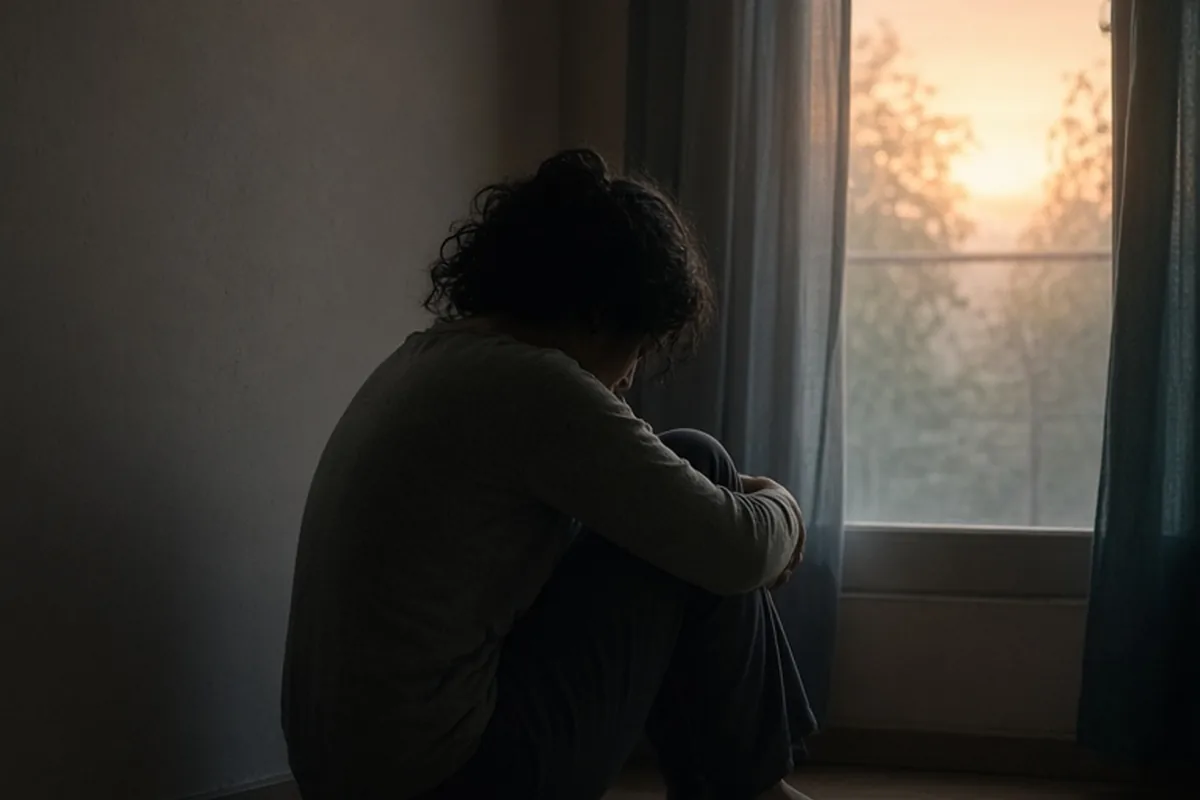
Sitting alone in an empty room often reflects an urge to self-isolate when body insecurity or emotional exhaustion feels overwhelming. Overcoming this pattern involves recognizing withdrawal triggers, communicating your need for reassurance without self-blame, practicing sensory grounding to step out of negative thought loops, and re-engaging with your partner through small, manageable shared moments.
When distress about physical appearance or self-worth peaks, retreating into an isolated space can feel like the only safe way to protect yourself from judgment. However, habitual withdrawal often deepens the emotional distance between you and the people who care about you.
Understanding the Urge to Withdraw and Isolate
The impulse to sit alone in an empty or quiet room usually stems from emotional overload rather than a genuine desire for prolonged solitude. When dealing with body dissatisfaction, perceived physical flaws, or fear of romantic rejection, being seen by others can feel intensely vulnerable or even threatening. Solitude temporarily removes the pressure to perform, hide physical insecurities, or manage how someone else perceives your appearance. In that moment, retreating feels like an act of self-protection against scrutiny.
While short periods of quiet reflection can help calm an overstimulated nervous system, chronic isolation tends to reinforce negative beliefs. When you remove yourself from interactions, your internal narrative goes unchecked by outside reality. For example, if you cancel plans with a romantic partner because you feel uncomfortable in your clothes, sitting alone often amplifies thoughts that you are undesirable or unlovable. Understanding that isolation is a coping strategy for anxiety, rather than a permanent solution to emotional pain, allows you to address the underlying distress with greater self-compassion.
A practical limitation to keep in mind is that recognizing this pattern does not immediately make leaving the room easy. The comfort of being alone is real and protective. The goal is not to force yourself into high-stress social situations immediately, but rather to recognize when solitude shifts from healthy rest into self-punishing withdrawal.
Interrupting the Solitary Thought Loop in Quiet Spaces
Sitting in an empty room with minimal distraction often gives negative self-talk free rein. Without external tasks or conversational cues, attention naturally turns inward, frequently hyper-focusing on perceived physical flaws, relationship doubts, or past moments of perceived awkwardness. To break this cycle, you need active sensory grounding techniques that bring your focus back to your immediate environment rather than internal criticism.
Begin by engaging your physical senses in concrete ways. You can focus on the physical sensation of your feet touching the floor, run cool water over your hands, or deliberately name five distinct objects visible in the space around you. For instance, rather than analyzing how your body feels in an outfit, redirect your attention to the texture of a blanket or the ambient sound outside your window. This practice shifts neurological focus away from rumination and stabilizes your emotional baseline.
While grounding techniques are effective for reducing acute distress, they are not designed to eliminate negative thoughts forever. They serve as a temporary pause button, creating enough mental breathing room so you can choose a conscious action instead of remaining stuck in passive distress.
Talking to Your Partner About Appearance Distress
When body distress causes you to pull away, your partner may misinterpret your silence as anger, disinterest, or emotional coldness. Opening up about appearance-related vulnerability can feel daunting, but clear communication prevents misunderstandings and invites supportive partnership. You do not need to deliver an exhaustive explanation of every insecurity; a simple, honest statement about what you are experiencing is often sufficient.
For example, instead of retreating without a word, you might say, 'I am feeling very overwhelmed and self-conscious today, which is making it hard for me to feel present. I need a little quiet time, but it is not because of anything you did.' This approach acknowledges your emotional state while reassuring your partner that your withdrawal is not a reflection of their behavior. It replaces ambiguity with clarity and sets a collaborative tone.
Keep in mind that partners may not always know how to respond perfectly. They might default to offering quick compliments or problem-solving advice, which may feel invalidating even when well-intentioned. Let your partner know what type of support helps most, whether that means sitting quietly together, offering a hug, or simply giving you space for a set period.
Re-engaging with Shared Moments and Intimacy
Rebuilding romantic connection after periods of self-isolation requires low-pressure shared activities that do not center on appearance or physical performance. When body insecurity is high, traditional romantic situations like formal dates or direct physical intimacy can trigger heightened anxiety. Gradually stepping back into shared spaces through low-stakes interaction helps you rebuild comfort and emotional safety.
Consider engaging in parallel activities, such as reading in the same room, preparing a simple meal together, or taking an evening walk where conversation flows naturally without sustained eye contact. For instance, watching a movie while sitting side-by-side allows you to share physical proximity and comfort without the pressure of managing facial expressions or body positioning. These shared moments reinforce that your presence is valuable beyond physical appearance.
The trade-off with gradual re-engagement is that it requires patience from both individuals. Progress is rarely linear, and some days will feel harder than others. Accepting that intimacy can be built through subtle, quiet connections prevents the frustration of expecting an immediate return to full comfort.
Establishing Daily Routines Beyond Appearance Checks
A common contributor to the desire to isolate is the mental fatigue caused by constant self-monitoring. Checking mirrors repeatedly, scrutinizing clothing fit, or comparing your appearance to images online drains mental energy and leaves you feeling drained. Replacing these habits with structured, nourishing daily routines helps shift your attention toward personal fulfillment and physical well-being.
Focus on building daily habits that celebrate what your body can do rather than how it looks. This might include gentle movement such as stretching, spending time outdoors, or engaging in a creative hobby that demands hands-on focus. For example, scheduling a dedicated morning routine focused on preparing a nourishing breakfast or listening to a favorite podcast reduces the time available for mirror checking and sets a calm tone for the day.
A practical limitation is that creating new routines requires consistent effort, especially on days when motivation is low. It helps to start with small, realistic habits that require minimal friction rather than overhauling your entire lifestyle at once.
Differentiating Restful Solitude from Unhealthy Avoidance
Solitude itself is not inherently negative; it is an essential component of emotional self-regulation and personal rest. The critical difference lies in the motivation behind being alone. Healthy solitude leaves you feeling refreshed, grounded, and ready to return to your daily life. In contrast, avoidant isolation is driven by fear, shame, or anxiety, and typically leaves you feeling heavier, more disconnected, and reluctant to re-engage with others.
To evaluate whether your time alone is restorative or avoidant, observe how you feel after thirty minutes of solitary time. If your stress levels have decreased and you feel capable of engaging with your day, your solitude served a restorative purpose. If you find yourself caught in repetitive worries or feeling increasingly alienated from your partner and friends, the solitude has crossed into avoidance. Recognizing this distinction helps you make conscious choices about when to rest and when to reach out.
Keep in mind that boundaries around alone time should remain flexible. On particularly challenging days, you may need more rest, but setting a gentle time limit—such as committing to rejoin a shared space after an hour—prevents solitude from spiraling into prolonged disconnection.
Frequently asked questions
Why do I feel the need to hide in an empty room when I feel insecure?
Hiding or seeking isolated spaces is a natural defensive reaction to feeling emotionally vulnerable or overstimulated by negative self-image. Retreating removes the perceived pressure of being evaluated by others, offering temporary relief from social anxiety.
How can I tell my partner I need space without hurting their feelings?
Be direct and reassuring by clearly stating that your need for solitude is related to your personal emotional processing rather than their actions. Giving a brief estimate of how much time you need also helps prevent anxiety and misunderstanding.
What should I do if sitting alone makes my negative thoughts worse?
When solitude intensifies negative self-talk, interrupt the loop using sensory grounding exercises like touching textured objects or washing your face with cool water. If the distress persists, transition to a gentle, low-pressure activity in a shared environment.
Your next step
The next time you feel the urge to isolate, set a gentle twenty-minute timer for quiet rest, and then take one small step back into connection by sending a brief text or sharing a quiet space with someone you trust.