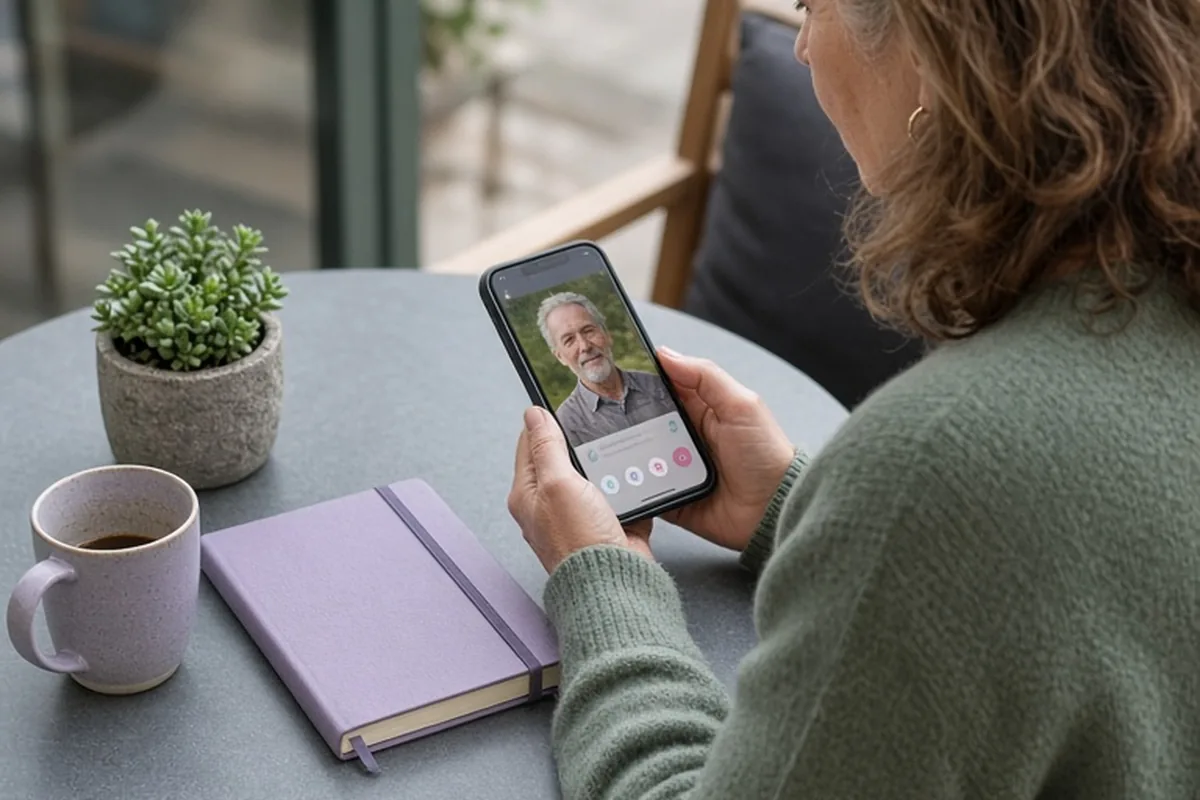
Staying safe while dating online over fifty requires protecting personal identifying information, recognizing common financial scams, and using platform safety tools effectively. Keep conversations within your chosen dating app until you meet in person, use unique photos not connected to your social media accounts, and set up a secondary phone number. Always arrange your first several meetings in public venues, provide your own transportation, and never send money, investments, or financial details to someone you have not met.
Dating in midlife offers an opportunity to meet companions with shared life experiences, but modern digital platforms come with privacy and safety considerations that require clear boundaries and practical habits.
Dating App Safety Features for Adults Over 50
Major dating platforms offer built-in safety tools designed to verify identities and manage unwanted contact, but their effectiveness depends on how you configure your account settings. Photo verification systems typically ask users to submit live video selfies matching their profile pictures, granting a verified badge that reduces the likelihood of encountering fake profiles or impersonators. Enabling these filters lets you browse only verified members or restrict who can send you direct messages.
In-app audio and video calling features provide a secure bridge between texting on a platform and sharing your personal cell phone number. By using integrated calling tools, you can confirm someone looks and sounds like their profile before agreeing to meet face-to-face, all without revealing your telephone number, home area code, or linked digital accounts. Platforms also include reporting and blocking mechanisms; flagging suspicious behavior immediately alerts moderation teams and removes offending accounts from your feed.
Comparing Midlife Dating Platforms on Security and Privacy
Choosing the right dating service involves evaluating how each platform handles user moderation, identity verification, and privacy settings. Mainstream services vary widely in their demographic focus, price structures, and safety protocols, making it essential to select an environment that aligns with your comfort level and communication preferences.
Match platforms such as OurTime cater specifically to singles over fifty, offering straightforward navigation and profile verification prompts, though open messaging systems may require active filtering by the user. Broad-audience platforms like eHarmony utilize detailed compatibility questionnaires and profile screening, which naturally slows down interaction speeds and deters casual spammers. Mainstream apps like Bumble place messaging control in women's hands and require selfie verification, while Match.com integrates background check screening partnerships and date-check features. Evaluate whether a platform allows you to browse in private mode, which hides your profile from the general public until you express interest in someone.
Protecting Personal Data and Digital Footprints
Your profile should showcase your interests, values, and personality without disclosing specifics that allow someone to locate your home, workplace, or extended family. Avoid photos that display recognizable street numbers, vehicles with visible license plates, or company logos on clothing. Even background details, such as a distinctive neighborhood park or local club banner, can allow an online contact to pinpoint your daily routines.
Reverse-image searches make it simple for anyone to trace profile photos back to personal social media pages, professional directories, or community websites. To prevent cross-platform tracking, take fresh photos specifically for your dating profile rather than reusing pictures from Facebook, LinkedIn, or personal photo albums. Create a dedicated email address strictly for online dating accounts, and consider using a free virtual phone number app so you can exchange calls and texts without giving away your primary phone number.
Recognizing Financial Scams and Romance Fraud Patterns
Romance fraud often targets mature adults who may have accumulated savings, home equity, or retirement funds. Scammers typically create elaborate personas, claiming to work overseas in construction, military service, maritime engineering, or international business. These professions provide convenient excuses for why they cannot meet in person, jump on live video calls, or maintain regular schedules, while fostering sympathy and rapid emotional intimacy.
The primary warning sign of a romance scam is any request for money, regardless of how urgent, tragic, or plausible the story sounds. Scammers may ask for emergency travel funds, medical support for a dependent, customs clearance fees, or introduce lucrative cryptocurrency investment opportunities. Legitimate romantic partners will never ask you to wire funds, purchase gift cards, cash cashier's checks, or connect your bank accounts. Cut off contact immediately if someone pivots an early conversation toward investments or financial hardship.
Planning Secure In-Person Meetings and Public Dates
Transitioning from online messaging to an in-person meeting should happen at a comfortable pace in a neutral, busy public environment. Choose daytime coffee dates, museum visits, or casual lunch spots where you can talk easily without feeling isolated or pressured to stay for an extended evening. Avoid secluded walking trails, private homes, hotel lounges late at night, or accepting rides from someone you have just met.
Maintain total control over your transportation by driving your own car, using public transit, or booking your own rideshare service to and from the venue. Share your date details—including the person's name, their photo, the meeting location, and your planned departure time—with a trusted friend or family member. Set up a quick check-in text halfway through the date, and keep your purse, beverage, and mobile phone with you at all times.
Establishing Emotional Boundaries and Clear Pacing
Dating after fifty often follows major life transitions, such as divorce, the death of a spouse, or long periods of living independently. This background can bring rich self-awareness, but it can also make you vulnerable to love bombing—an excessive rush of compliments, declarations of soulmate connections, and rapid future planning designed to bypass your natural caution. Healthy relationships develop steadily over time through consistent, observable actions.
Give yourself permission to pause conversations, decline questions that feel intrusive, and set clear limits on how quickly you integrate a new contact into your life. You are not obligated to share details about your finances, inheritance, divorce settlements, or medical history with a match. If an individual reacts with anger, guilt, or defensiveness when you decline a request or prefer to take things slow, treat that reaction as a significant sign of incompatibility and discontinue contact.
Illustrative Scenarios
Managing Pacing and Off-App Communication Requests
Evelyn, a 56-year-old librarian, matched with a charming architect who asked to switch to private text messaging within three messages, claiming he rarely checked the app. Feeling flattered yet uneasy about sharing her real phone number, she initially hesitated to push back. Instead of giving out her personal cell number, Evelyn replied that she preferred using the dating app's built-in chat and video features until they had met in person for coffee. The match stopped responding and deleted his profile twenty-four hours later, confirming that his interest relied on bypassing platform safety controls.
Key point: Insisting on app-based messaging protects your personal contact information and naturally filters out individuals who refuse to respect basic safety boundaries.
Identifying High-Pressure Investment Conversations
Robert, a 61-year-old retired teacher, connected with an art dealer profile that appeared verified and engaged in thoughtful daily messaging for two weeks. During a conversation about retirement travel plans, the match began detailing a low-risk foreign exchange trading program, offering to guide Robert through an initial deposit on a third-party website. Though Robert felt invested in the emotional connection, he recognized the pivot toward financial schemes, took screenshots of the conversation, declined the offer, and reported the account through the platform's safety center.
Key point: Never combine early dating interactions with financial decisions, cryptocurrency platforms, or money transfers, regardless of how genuine the emotional rapport feels.
Frequently asked questions
How long should I message someone before meeting in person?
Most safety experts recommend messaging for one to two weeks before scheduling an in-person meeting. This timeframe gives you enough interaction to assess consistency and arrange a video call while preventing false emotional attachment before confirming mutual chemistry.
What should I do if a match asks for money or financial help?
Never send funds, gift cards, or financial credentials under any circumstances. Stop all communication immediately, document the conversation with screenshots if possible, and report the user's profile to the platform administrators so they can investigate and ban the account.
Is it safe to link social media accounts to a dating profile?
Avoid linking your Instagram, Facebook, or professional profiles to your dating accounts. Keeping these accounts separate prevents strangers from discovering your family members, place of employment, home neighborhood, or daily movement patterns.
Should I conduct a background check on someone before a first date?
While not strictly required for a casual public coffee date, doing a basic search of public records or using a reputable verification tool can offer peace of mind if you plan to enter an exclusive relationship. Always prioritize public meeting locations and independent transportation regardless of background search results.
Your next step
Review your current dating profiles today to remove any workplace mentions or identifiable neighborhood photos, and verify that your messaging settings require two-step security.