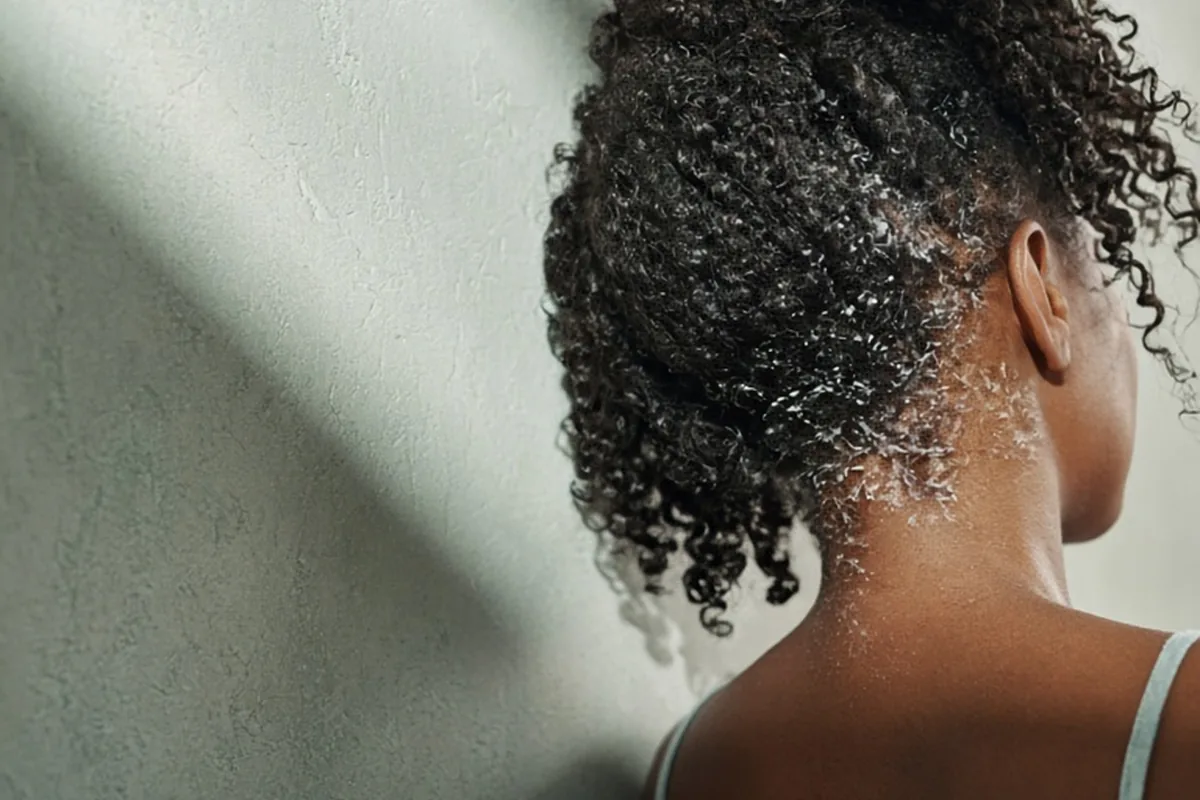
Managing scalp psoriasis at home gives you daily control over gentle, medicated cleansers, controlled water temperature, and careful mechanical detangling without harsh physical friction. Salon visits offer professional application of complex styling, precision haircuts, and deep conditioning, but introduce risks from strong chemical processing, rough comb manipulation, or hot dryer heat. Balancing both involves handling medicated flare treatments at home while preparing stylists with clear boundaries regarding scalp sensitivity.
Scalp psoriasis involves accelerated skin cell turnover that creates thick, silvery plaques, localized inflammation, and persistent dryness across the hairline, crown, and nape. Choosing whether to handle styling, washing, and treatments at home or in a salon depends on the current state of your scalp, your hair texture, and the specific chemical or thermal techniques required for your routine.
Comparing Home Scalp Care Control Against Salon Convenience
Managing hair care at home gives you complete oversight of the mechanical friction, ingredient profiles, and water temperatures applied to your scalp. Scalp psoriasis plaques are vulnerable to the Koebner phenomenon, where physical trauma, intense scratching, or harsh scraping triggers new flare-ups along previously unaffected skin. When washing and detangling at home, you can calibrate the pressure of your fingertips, pause immediately if a section feels tender, and allow topical medicated solutions adequate contact time without feeling rushed. You also avoid exposure to commercial salon backbar shampoos containing synthetic perfumes, sulfates, or drying alcohols that may provoke redness.
Salon appointments provide practical support for complex styling, structural haircuts, and even application of moisture treatments on dense or hard-to-reach sections of the head. However, salon environments present distinct variables that are difficult to predict, including high-pressure shampoo sprayers, firm combing techniques designed for speed, and communal towels that might carry residual laundry detergents. Deciding between the two environments requires assessing whether your current goal is active plaque reduction and skin soothing, which is best controlled at home, or aesthetic maintenance like shaping and length preservation, which benefits from trained professional shears.
Managing Scalp Psoriasis Washes and Medicated Topicals at Home
An effective home routine focuses on softening scales, cleansing the scalp without stripping natural sebum, and protecting the hair fiber itself from drying active ingredients. Medicated formulas containing coal tar, salicylic acid, pyrithione zinc, or ketoconazole are formulated primarily for scalp contact rather than hair shaft health. Applying these cleansers directly to parted sections of damp hair with a soft nozzle applicator allows the active compound to sit on the scalp skin for the recommended five to ten minutes while sparing the mid-lengths and ends from unnecessary moisture loss.
Water temperature during home washing should remain lukewarm, as hot water dilates surface capillaries, intensifies itching, and accelerates epidermal dehydration. Use the soft pads of your fingers in slow, circular motions to loosen softened scales rather than picking with fingernails or rigid plastic scalp scrubbers. After rinsing thoroughly, apply a rich, fragrance-free conditioner or restorative hair mask strictly from the mid-lengths down to the ends. Blot the hair gently with a smooth microfiber towel or cotton cloth rather than rubbing vigorously, minimizing shear stress across delicate plaque borders.
Navigating Hair Texture and Wash Frequencies for Scalp Psoriasis
Hair texture significantly dictates how frequently medicated washing can occur without causing severe fiber breakage. Individuals with straight or fine wavy hair (Types 1 and 2) often tolerate frequent or daily washes to control scale buildup, as natural oils travel quickly down the hair shaft. For these textures, rotating between a targeted medicated cleanser and a mild, sulfate-free balancing shampoo prevents product buildup while keeping plaque formation manageable without over-drying the strand.
Individuals with curly, coily, or tightly textured hair (Types 3 and 4) face a different structural challenge because coily strands require sebum retention and extensive moisture to prevent structural snap. Washing tightly coiled hair daily with clarifying or medicated formulas can lead to severe dryness, brittleness, and breakage. In these cases, dermatologists and textured hair specialists often recommend targeted scalp spot-treatments, leave-on soothing serums, or applying medicated shampoos directly to the roots with an applicator bottle while saturating the lengths with protective oil or deep conditioner before rinsing, spacing full wash days out to weekly or bi-weekly intervals.
Preparing for a Salon Appointment During a Scalp Flare
If you choose to visit a salon while managing active or residual scalp psoriasis, clear communication prior to the appointment prevents discomfort and misunderstandings. When booking, inform the salon coordinator or stylist that you have scalp psoriasis, a non-contagious inflammatory skin condition that requires gentle mechanical handling and hypoallergenic products. Inquiring whether a particular stylist has experience working with sensitive scalps or chronic dermatological conditions helps ensure you are paired with an accommodating professional.
Bringing your own dermatologist-recommended shampoo, leave-in conditioner, and styling products to the appointment is standard practice for clients with chronic scalp needs. Request that the stylist use lukewarm water at the shampoo bowl, avoid vigorous scalp massage or nail scraping, and use wide-tooth detangling tools starting from the ends of the hair upward. If you notice a tender area or feel discomfort during combing or washing, establish an agreed-upon signal so the stylist can immediately reduce tension or adjust their technique.
Evaluating Chemical Services, Bleaching, and Heat Styling Risks
Chemical treatments such as permanent hair color, bleaching, chemical relaxers, and keratin smoothing treatments carry substantial risks when applied near active psoriasis plaques. Alkaline chemical agents, hydrogen peroxide, and ammonia penetrate the skin barrier easily, causing chemical burns, acute contact dermatitis, or secondary inflammatory flares along damaged epidermal tissue. If plaques are cracked, bleeding, or actively flaking, all scalp-contact chemical processing must be postponed until the skin surface is fully intact and calm.
When chemical services are performed during remission, off-scalp application techniques provide a safer alternative to root-touch single-process dyes. Techniques such as foil highlighting, balayage, or painted lowlights keep chemical formulas at least one-quarter to one-half inch away from the follicular base, preventing direct contact with the scalp. Similarly, heat styling tools like blow dryers, flat irons, and hot combs should be used with caution; keep hood dryers on low or medium settings and ensure high-heat styling plates never touch the scalp skin.
Evaluating Salon Scalp Facials, Steaming, and Spa Treatments
Specialty head spas and salon scalp treatments have grown in popularity, offering deep-cleansing scalp facials, exfoliation scrubs, and steam hydration therapies. While scalp hydration is beneficial, many commercial scalp facials utilize mechanical scrubs containing walnut shells, sea salt, or coarse sugar grains. These abrasive physical exfoliants can cause micro-tears on inflamed psoriasis plaques, triggering localized worsening of the condition and increasing susceptibility to bacterial infection.
Steaming treatments and gentle warm oil therapies can soften resilient scales when administered correctly with inert, non-irritating botanical oils like mineral oil or jojoba oil. However, essential oil blends frequently used in spas—such as concentrated tea tree, peppermint, eucalyptus, or citrus oils—are well-known cutaneous sensitizers that can provoke severe contact allergy on compromised skin. If considering a professional scalp treatment, request a fragrance-free protocol that relies on gentle thermal mist and scale-softening emollients rather than physical scrubbing or astringent tonics.
Creating a Long-Term At-Home Maintenance and Styling Protocol
A reliable at-home maintenance plan balances active medical management with gentle cosmetic styling to maintain hair density and scalp comfort. Incorporating an emollient pre-shampoo treatment, such as applying pure mineral oil or a prescribed scale-softener to the scalp for thirty to sixty minutes before washing, helps loosen adherent plaques without requiring mechanical force. Once loosened, the scales wash away more freely under running water, reducing the need for aggressive combing or scraping.
Protective and low-manipulation styles can help reduce day-to-day friction, but they must be installed with minimal tension. Tight braids, tight ponytails, heavy extensions, or rigid weaves pull on the hair follicle, creating mechanical stress that can stimulate new psoriasis plaques along the hairline. Opt for loose buns, soft wraps, or low-tension twists, and always ensure your scalp remains accessible for daily or weekly topical application of prescribed solutions.
Illustrative Scenarios
Illustrative Scenario: Adjusting Wash Routines for Textured Hair
A person with Type 4 curly hair experienced severe scalp flaking along the crown alongside brittle, breaking ends after using a daily medicated tar shampoo directly across all hair strands. To address both needs, the routine was adjusted: the medicated cleanser was applied solely to the scalp skin using an applicator bottle once per week, while the lengths were coated in a rich conditioner before rinsing. Salon visits were limited to dry precision trims every three months, bringing their own fragrance-free products.
Key point: Targeted scalp application protects fragile hair lengths from drying medicated washes while maintaining consistent dermatological management.
Frequently asked questions
Can a hair stylist refuse to cut my hair if I have scalp psoriasis?
Scalp psoriasis is a non-infectious, non-contagious autoimmune-mediated skin condition. While stylists are trained to watch for contagious conditions like lice or ringworm, explaining clearly that your flakes are due to psoriasis usually resolves hesitation. Calling ahead to discuss your condition prevents unexpected awkwardness.
Is it safe to dye my hair at home if I have scalp psoriasis?
Home box dyes carry a high risk of scalp contact and chemical irritation during a flare-up. If you choose to color your hair at home, wait until your scalp is clear of open lesions, perform a 48-hour patch test behind your ear, and use off-scalp techniques or barrier ointments around the hairline.
Does blow drying make scalp psoriasis worse?
High heat from blow dryers can dehydrate the scalp and intensify itchiness and flaking. If you use a hair dryer at home or in a salon, keep the temperature on a cool or warm setting and maintain a distance of at least six inches from the scalp surface.
Should I manually pick or comb out psoriasis plaques before washing?
You should never pick or forcefully comb off dry psoriasis plaques. Scratching or peeling scales pulls away healthy skin cells beneath the plaque, causing bleeding and triggering the Koebner phenomenon, which makes psoriasis spread. Soften scales with oils or medicated shampoos first.
Your next step
Inspect your scalp in natural light today to identify whether active redness or broken skin is present, and switch to a lukewarm, fingertip-only wash routine before scheduling any salon styling services.