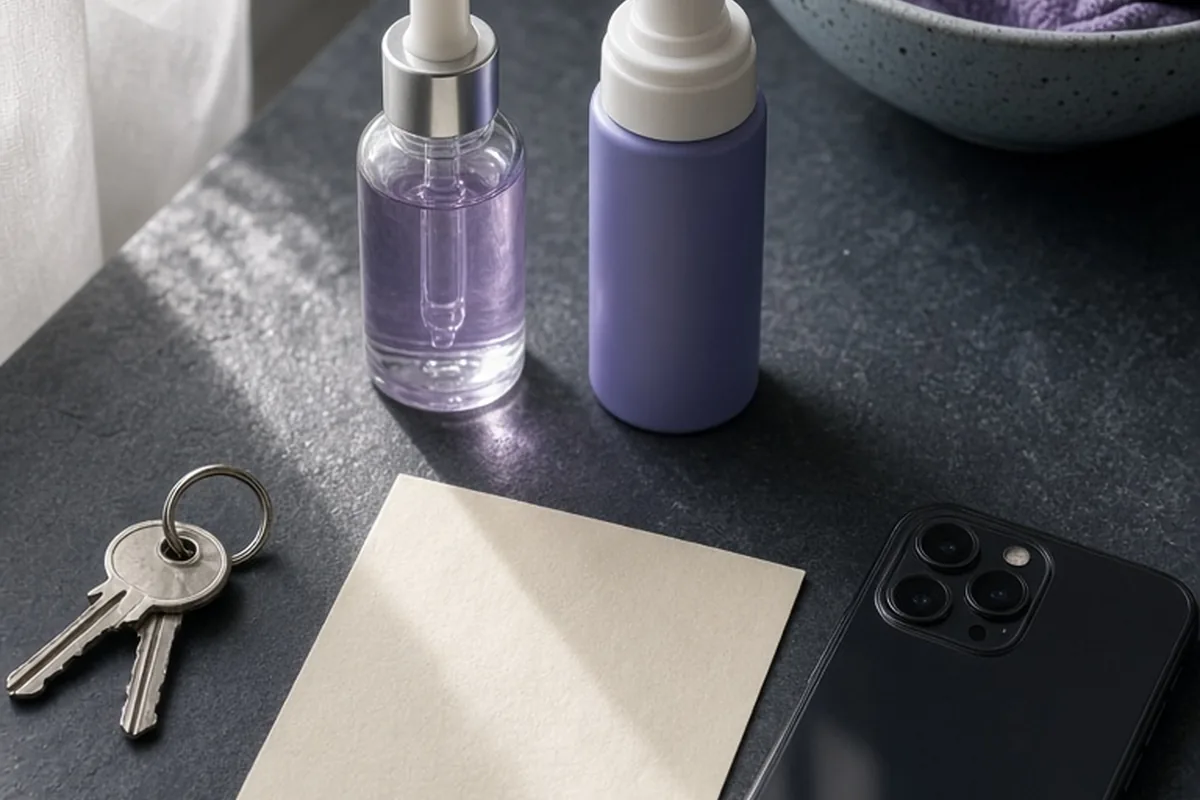
Managing scalp psoriasis with fine hair requires delivering medicated active ingredients directly to the scalp while shielding delicate, low-density strands from heavy residues and drying agents. Use liquid or foam formulations instead of heavy ointments, apply targeted descaling treatments using a nozzle directly on the skin, and restrict rich conditioners strictly to mid-lengths and ends to preserve root lift and natural volume.
Caring for fine hair while treating active scalp psoriasis presents a unique physical challenge. The rich oils, heavy ointments, and intensive keratolytic treatments commonly formulated to soften thick psoriasis plaques often leave fine strands looking limp, greasy, and weighed down. Conversely, traditional coal tar or clarifying medicated shampoos can easily strip moisture from fine hair shafts, leading to brittleness, split ends, and mechanical breakage during detangling.
Balancing Plaque Softening with Fine Hair Root Volume
Psoriasis causes rapid skin cell turnover, creating thick, silvery scales on the scalp that must be softened and lifted before therapeutic treatments can penetrate effectively. For individuals with thicker hair textures, rich oils such as mineral oil, coconut oil, or thick petroleum-based salves are standard tools for scale removal. On fine hair, however, thick oils cling tenaciously to the hair fiber, requiring multiple aggressive shampoo cycles to remove, which ultimately strips the hair cuticle and leaves strands fragile.
To lift scale without flattening fine hair, choose low-viscosity, water-soluble scale softeners or lightweight botanical oils like jojoba or squalane. These lighter oils mimic natural sebum and rinse out with a single gentle wash. Apply small droplets exclusively to targeted plaques using a dropper or precision tip applicator rather than coating the entire head. Allow the product to sit for the manufacturer-recommended duration to soften the crust, and gently loosen loosened scale during a warm shower using gentle fingertip pads rather than fingernails or harsh combs.
Selecting Scalp Psoriasis Shampoos That Protect Fine Strands
Medicated shampoos containing active ingredients like salicylic acid, zinc pyrithione, selenium sulfide, ketoconazole, or coal tar remain foundational for managing inflammation and scaling. However, many over-the-counter and prescription formulations are surfactant-heavy to cut through scale, which can rapidly dehydrate fine hair cuticles. Fine hair fibers have a narrower diameter and fewer protective cuticle layers, making them especially vulnerable to roughness, tangling, and dullness after repeated exposure to clarifying bases.
When shopping for medicated washes, inspect the base formulation. Look for liquid shampoos that incorporate humectants such as glycerin, panthenol, or aloe vera alongside the active ingredient. If your dermatologist prescribes a tar-based or high-strength salicylic acid shampoo that feels excessively drying, use it strictly as a scalp treatment rather than a full-strand cleanser. Foam-based prescription topicals or gel solutions are often easier to wash out cleanly on fine hair than heavy cream suspensions.
Targeted Application Methods to Shield Hair Shafts
How you apply your treatment matters just as much as the formulation you choose. Lathering a harsh medicated shampoo through the entire length of fine hair unnecessarily exposes fragile mid-lengths and ends to stripping detergents. Instead, section damp hair into four to six quadrants using lightweight plastic clips. Part each section carefully to expose the bare scalp along the line of plaque formation.
Apply the medicated product directly to the scalp along these parted lines using your fingertips or a tint brush. Gently massage the formula into the skin with circular motions, taking care not to rub hair strands together vigorously. Leave the product on the scalp for the specified contact time, typically five to ten minutes, while keeping the rest of your hair pinned up. When rinsing, allow the water stream to carry the diluted lather down the length of your hair without working extra shampoo into the ends.
Conditioning and Detangling Fine Hair Prone to Breakage
Fine hair is prone to matting and breakage when scales accumulate near the root, making post-wash detangling a critical step. Heavy conditioning masks designed for dry scalps will coat fine roots, resulting in a flat, greasy appearance by midday. To protect strand integrity while preserving natural body, adopt a zonal conditioning routine that separates scalp care from fiber care completely.
Before applying medicated shampoo to the roots, consider coating your mid-lengths and ends with a lightweight conditioner or protective pre-wash barrier. This shields vulnerable ends from running lather during the rinse. After washing, apply a weightless, silicone-free conditioner or protein-balanced emulsion strictly from the ears downward. Use a wide-tooth comb or flexible wet detangling brush, starting from the tips and working upward gradually to prevent mechanical stress on sensitized roots.
Styling Choices and Heat Management During Active Flares
During an active psoriasis flare-up, the scalp barrier is compromised, reactive, and prone to stinging. Fine hair often requires styling products to achieve fullness, but heavy mousses, texturizing waxes, and dry shampoos can accumulate on the scalp, worsening itch and interfering with topical medication absorption. Dry shampoo is particularly problematic because powder build-up can trap flakes, absorb necessary moisture, and trigger further irritation.
If you want to enhance volume without irritating your skin, use lightweight root-lifting sprays applied exclusively to damp hair an inch away from the scalp. When blow-drying, use the lowest heat setting and keep the nozzle moving continuously at least six inches away from the head to avoid thermal burns or drying out inflamed plaques. Avoid tight updos, high ponytails, or taut braids; constant tension can pull on inflamed follicles, potentially inducing plaque spreading through the Koebner phenomenon.
Establishing a Rotational Weekly Wash Schedule
Managing scalp psoriasis while preserving fine hair requires a structured weekly routine rather than daily aggressive cleansing. Using therapeutic shampoos every day can strip fine strands, while washing too infrequently allows plaques to build and trap sebum. A rotational schedule provides a balanced rhythm that calms inflammation while giving delicate strands a recovery period.
A practical weekly approach involves using your prescribed or targeted medicated shampoo two to three times per week during active flare phases. On alternate wash days, switch to a gentle, sulfate-free, volume-enhancing shampoo formulated for sensitive scalps. Once the flare subsides and scaling decreases, reduce medicated washes to a maintenance cadence of once weekly or once every two weeks, replacing them with hydrating, scalp-soothing formulas that keep fine hair buoyant and clear.
Illustrative Scenarios
Adjusting Treatment Delivery for Fine, Low-Density Strands
A professional with fine, straight hair struggled with flaking and sudden mid-strand breakage while using a daily coal tar shampoo and heavy ointment prescribed for scalp plaques. The thick ointment required three washings to remove, leaving her fine strands limp and dried out. Working with a clinician, she switched to a liquid salicylic acid solution with a nozzle applicator and replaced daily tar washes with a targeted twice-weekly routine. She applied conditioner to her ends before washing her scalp. Within four weeks, her scalp plaques softened significantly while her hair retained natural lift and reduced breakage.
Key point: Precision application of liquid treatments and protecting hair ends prior to medicated cleansing preserves fine hair volume and strength.
Frequently asked questions
Does scalp psoriasis cause permanent hair loss in fine hair?
Scalp psoriasis itself typically does not cause permanent hair loss because it does not destroy the underlying follicle. However, aggressive scratching, manual plaque picking, or tight styling can cause temporary hair shedding or breakage. Once inflammation is managed and scratching ceases, hair usually regrows normally.
Can I use dry shampoo if I have scalp psoriasis and fine hair?
It is best to minimize or avoid dry shampoo during an active flare-up. Starch and powder particles settle onto the scalp, combining with dead skin cells and natural oils to form an occlusive layer that aggravates itching and blocks topical medication. If you must refresh your style, choose a light water-based mist applied only to the lengths.
How do I safely remove stubborn flakes without pulling out fine hair?
Never pick, scratch, or scrape dry flakes with combs, as this causes micro-tears and can pull fine hairs out at the root. Apply a lightweight oil or keratolytic scalp solution to soften the crusts for twenty to thirty minutes, then rinse in the shower while gently massaging with the pads of your fingers.
Are leave-in conditioners safe to use with scalp psoriasis topicals?
Yes, leave-in conditioners are safe and beneficial for fine hair as long as they are applied only from the mid-lengths to the ends. Keep conditioning sprays and creams away from the root zone and scalp skin so they do not dilute or interfere with your medicated topical treatments.
Your next step
Review your current scalp products today and replace heavy ointments or all-over clarifying washes with a targeted nozzle applicator and a lightweight, sulfate-free wash routine.