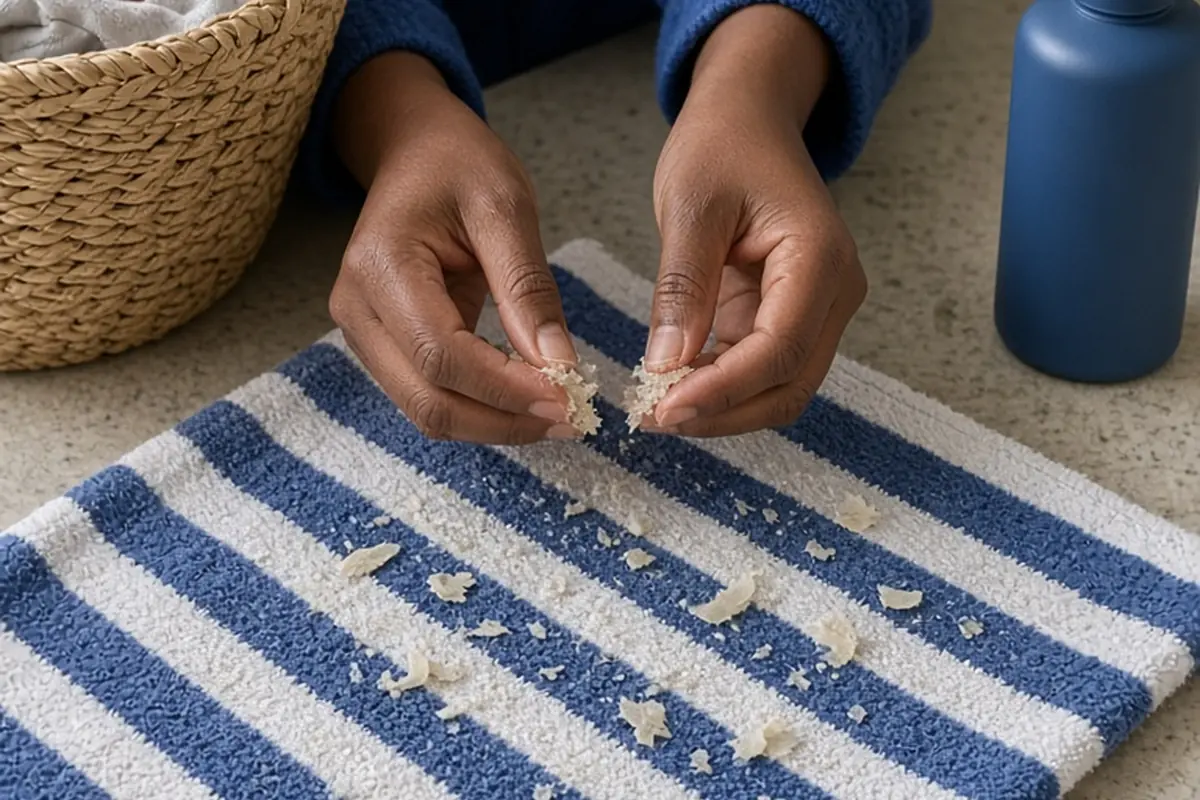
The most damaging scalp psoriasis hair care mistakes include aggressively picking or scraping plaques, applying drying medicated shampoos down the entire hair length, washing with scalding water, and ignoring hair texture needs. These habits worsen inflammation, trigger the Koebner phenomenon, and cause preventable hair breakage. Effective care requires softening scales before removal, targeting treatments directly to the skin, keeping hair shafts moisturized, and timing chemical services around active flares.
Managing scalp psoriasis requires balancing medical treatments designed for the skin with the daily moisture and styling needs of your hair fibers. When daily routines inadvertently irritate inflamed skin or dry out delicate strands, both scalp comfort and hair health suffer.
Picking, Scratching, and Forcibly Scraping Thick Scalp Plaques
The urge to remove visible scaling or relieve intense itching can lead many people to scratch with fingernails, use fine-tooth combs to pry up crusts, or scrape plaques before washing. While it might provide temporary emotional relief or an immediate cosmetic fix, mechanical trauma is one of the quickest ways to worsen a flare-up. When skin with psoriasis is subjected to physical trauma, cutting, or persistent friction, it often responds with the Koebner phenomenon, where new psoriasis lesions develop directly along the injured area.
Forcibly pulling plaques off the scalp also compromises the structural integrity of neighboring hair follicles. Scales are tightly bound to both the stratum corneum and surrounding hair shafts. Tearing them away prematurely frequently uproots the hair bulb or causes focal breakage, leading to temporary thinning known as telogen effluvium or localized mechanical hair loss. If you feel compelled to loosen stubborn build-up, the safest approach involves softening the crusts chemically or with soothing oils rather than dislodging them through manual force.
Applying Harsh Scalp Psoriasis Shampoos Down the Entire Hair Shaft
Medicated cleansers containing active ingredients such as coal tar, salicylic acid, zinc pyrithione, or selenium sulfide are formulated to slow skin cell turnover and lift dead cells from the scalp surface. However, these same active agents are notoriously drying and astringent to the hair fiber. Rubbing therapeutic lather vigorously down the lengths of your strands strips the natural lipid barrier from the hair cuticle, leaving the shaft porous, frizzy, brittle, and prone to mid-shaft breakage.
To protect your hair while treating your skin, shift your cleansing mechanics. Part your wet hair into clean sections and apply the therapeutic shampoo exclusively to the roots and exposed scalp using your fingertips or a nozzle applicator. Allow the formula to sit on the skin for the full duration recommended on the label without working it into the ends. Before rinsing, coat the mid-lengths and ends with a rich, protective conditioner to act as a physical buffer. When you rinse the medicated lather out, it will slide harmlessly over the conditioned hair shaft without depleting its moisture.
Skipping Scalp-Softening Pre-Treatments Before Washing
Attempting to wash away dry, thick, adherent plaques with ordinary shampoo usually leads to frustration and excessive scrubbing. When water and mild cleansers hit dense, dry plaques, they rarely penetrate deep enough to lift the buildup. The resulting friction from aggressive lathering irritates the underlying skin without effectively clearing the scaling.
Incorporating a dedicated scale-softening step before stepping into the shower makes cleansing far more effective and considerably gentler. Applying a lightweight mineral oil, coconut oil, jojoba oil, or an over-the-counter keratolytic formulation containing low-percentage salicylic acid directly to the scalp helps break down the intercellular cement binding the dead skin cells together. Allowing the oil or softening solution to rest on the scalp under a shower cap for thirty to sixty minutes softens the crusts so they rinse away effortlessly with minimal manual manipulation.
Ignoring Hair Texture and Washing Frequency Trade-Offs
A major pitfall in managing scalp conditions is following a one-size-fits-all washing schedule. Dermatological guidelines frequently suggest daily or alternate-day medicated shampooing to control scale buildup. While this regimen can work well for straight or fine hair types that tolerate frequent wet cleansing, it can be devastating for curly, coily, and tightly textured hair (such as Type 3 and Type 4 patterns), which naturally requires less frequent washing and high moisture retention.
Washing textured hair daily with clarifying or medicated shampoos can cause severe moisture depletion, severe tangles, and structural breakage. If you have textured hair, you can maintain scalp health without compromising your hair fiber by using targeted leave-on topical solutions, scalp foams, or low-viscosity lotions between washes instead of full-wash shampoos. When wash day arrives, section the hair, apply targeted scalp treatments, follow with an intensive moisturizing mask, and avoid high-tension protective styles that pull tightly on inflamed skin.
Using Scalding Water and Direct High-Heat Styling Tools
A hot shower can feel soothing on an itchy scalp in the moment because high temperatures temporarily overwhelm nerve endings that signal itching. However, scalding water dilates blood vessels, increases local erythema, and strips the scalp of the delicate sebum layer needed for epidermal barrier repair. Once you step out of the shower, the sudden evaporation leaves the skin significantly more dehydrated, tight, and reactive.
Similarly, blasting the scalp with high heat from blow dryers, concentrating hot air near the roots, or placing flat irons too close to the scalp creates thermal stress that aggravates plaques. Keep your wash water comfortably lukewarm. When drying your hair, opt for a microfiber towel to gently blot moisture without rubbing, use the lowest heat or cool air setting on your blow dryer, and keep the airflow moving continuously several inches away from the scalp surface.
Applying Heavy Fragrances and Clogging Styling Pomades Over Plaques
Layering styling products over actively inflamed scalp tissue can trigger contact sensitivity and trap bacteria or sweat beneath dense barriers. Many standard hair styling gels, edge controls, aerosol hairsprays, and dry shampoos contain high concentrations of drying alcohols, synthetic fragrances, and essential oils that sting and inflame compromised skin. Heavy petrolatum-based pomades applied directly to the scalp can also create occlusive build-up that makes topical medications less effective.
Read product ingredient decks carefully and keep heavy styling aids strictly focused on the hair lengths rather than the skin. Look for styling formulations that are labeled fragrance-free, hypoallergenic, and formulated for sensitive skin. If you use dry shampoo between washes, keep in mind that starch-based powders absorb surface oil but leave behind powdery residues that can compound plaque buildup and clog follicular openings if not thoroughly removed.
Undergoing Chemical Treatments and Permanent Hair Dye During Active Flares
Chemical services such as permanent hair coloring, bleaching, chemical relaxers, keratin smoothing treatments, and perms alter the hair structure through high-pH or oxidizer-heavy formulations. When the scalp barrier is intact, it can usually tolerate mild contact with these chemicals. When the barrier is cracked, peeled, or inflamed by psoriasis, these solutions can seep into micro-fissures, causing chemical burns, extreme pain, allergic sensitization, and severe flare-ups.
If you want to color or chemically treat your hair, wait until your scalp is relatively clear and quiescent. If an appointment cannot wait, inform your stylist about your condition beforehand so they can take precautions. Request an off-scalp application technique such as foils or balayage, which keeps bleaching or coloring agents at least a quarter-inch away from the skin. Always perform a patch test behind the ear or on the inner arm forty-eight hours in advance, and apply a thin layer of barrier cream along the hairline to shield sensitive perimeter skin.
Stopping Maintenance Routines Immediately After Skin Clears
Scalp psoriasis is a chronic, relapsing-remitting inflammatory condition. A frequent mistake is abruptly stopping all care the moment visible plaques recede and itching subsides. Halting treatment cold turkey—especially potent topical corticosteroids—can trigger a rebound flare where plaques return rapidly and occasionally with greater intensity than before.
Long-term management relies on a step-down maintenance plan formulated with your healthcare provider. This often involves tapering active prescription medications to once or twice a week while transitioning day-to-day care to gentle, barrier-supporting, fragrance-free shampoos and nourishing scalp conditioners. Maintaining a predictable, gentle baseline routine helps prolong remission periods and minimizes the frequency of severe inflammatory spikes.
Frequently asked questions
Can scalp psoriasis cause permanent hair loss?
Scalp psoriasis itself rarely damages the deep hair follicles permanently. However, intense scratching, forceful scale picking, or secondary skin infections can pull out hair shafts or damage follicles, leading to temporary shedding that generally regrows once inflammation resolves.
How often should people with curly or coily hair use medicated shampoos?
People with curly or coily hair often benefit from washing with medicated shampoo once a week or once every two weeks while relying on non-cleansing topical foams, liquids, or oils between wash days. This schedule controls scaling without drying out the curl pattern.
What is the best way to remove loose flakes from hair without hurting the scalp?
Use a soft, wide-tooth comb or a brush with flexible, smooth bristles, starting away from the scalp and gently gliding down the hair shaft to capture loose flakes. Never press the teeth or bristles directly against plaques or scrape the skin surface.
Is it safe to use leave-in hair conditioner if you have scalp psoriasis?
Yes, leave-in conditioners are safe and helpful for preserving hair moisture, provided you apply them exclusively from the mid-shaft to the ends. Avoid massaging rich leave-in hair conditioners directly into the scalp where they might leave residue or irritate active plaques.
Your next step
Review your hair care shelf today, separate your scalp-treating products from your hair-conditioning formulas, and stop any physical picking or harsh scrubbing during your next shower.