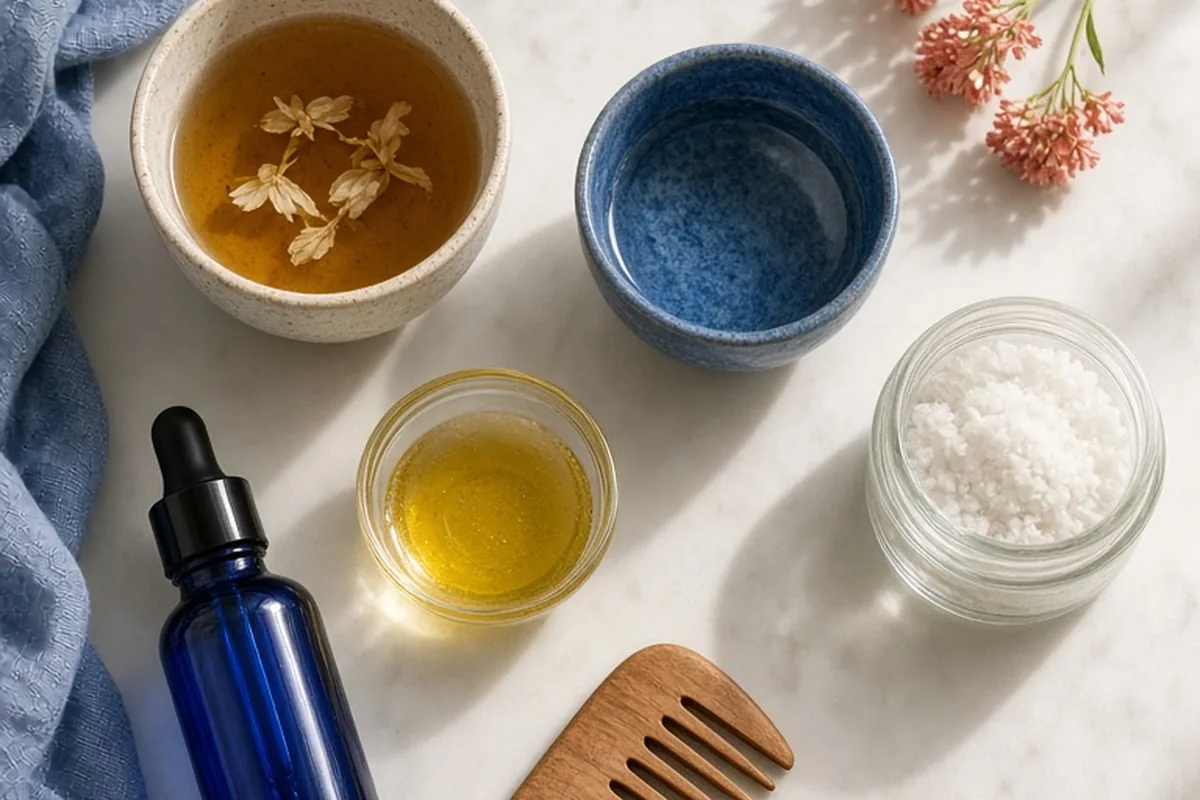
A beginner scalp psoriasis hair care routine centers on gentle scale softening, targeted cleansing, and intense moisture preservation. Start by softening thick plaques with scalp oils or dermatological keratolytic treatments before washing. Cleanse using lukewarm water and medicated or fragrance-free shampoos applied strictly to the skin rather than hair lengths. Follow with rich conditioners to protect delicate strands, and detangle softly with wide-tooth tools to avoid provoking flare-ups through mechanical irritation.
Managing scalp psoriasis requires balancing medical management with everyday hair maintenance. When you are new to the condition, finding the middle ground between clearing stubborn plaques and preserving hair strength can feel overwhelming. By focusing on gentle handling and consistent routines, you can soothe your scalp without sacrificing hair health.
Recognizing How Scalp Psoriasis Differs From Everyday Dandruff
Scalp psoriasis is a chronic autoimmune condition characterized by rapid skin cell turnover, leading to raised, well-demarcated patches covered with silvery-white scales. Ordinary dandruff, which is frequently linked to seborrheic dermatitis and yeast overgrowth, typically presents as smaller, greasier flakes that are off-white or yellowish. Psoriasis plaques often extend beyond the hairline onto the forehead, the nape of the neck, or behind the ears, bringing noticeable discomfort, tightness, and inflammation.
Recognizing this distinction is essential because standard anti-dandruff solutions can sometimes dry out the skin barrier further or fail to soften dense psoriatic plaques. Psoriasis requires focused care that reduces hyperkeratosis while calming the underlying redness. If you treat thick plaques with harsh clarifying washes alone, you risk stripping the hair shaft, increasing brittleness, and triggering the Koebner phenomenon, where physical irritation or injury induces new psoriasis lesions.
Selecting Cleansers, Active Ingredients, and Barrier Conditioners
Building a beginner routine starts with understanding the difference between your treatment washes and your moisture maintenance products. Medicated shampoos often contain active agents such as salicylic acid, coal tar, zinc pyrithione, or ketoconazole, or they may involve prescription topical steroids and non-steroidal anti-inflammatories. Salicylic acid acts as a keratolytic agent to dissolve the bonds between dead skin cells, making scale removal manageable. Coal tar and zinc work to reduce rapid cellular turnover and ease itching.
Because these active formulas can leave hair strands feeling stripped, brittle, and straw-like, pairing them with the right supportive products is non-negotiable. Look for gentle, sulfate-free balancing shampoos for alternate wash days, alongside deeply hydrating conditioners and leave-in formulas enriched with ceramides, colloidal oatmeal, glycerin, and fatty alcohols. Keep heavy treatments focused directly on the skin of the scalp, while directing rich conditioning formulas along the mid-lengths and ends to preserve elasticity.
Softening and Lifting Scalp Psoriasis Scales Without Mechanical Trauma
The impulse to pick, scratch, or vigorously comb away thick scales can be strong, but mechanical trauma is one of the most reliable ways to worsen a flare-up. Forcibly peeling dry plaques can rip away hair follicles, causing temporary hair shedding and creating micro-tears in the skin that invite secondary bacterial infections. Safe scale removal is always chemical and emollient-driven, never abrasive.
Begin by applying a scalp-softening emollient, such as mineral oil, jojoba oil, or an over-the-counter salicylic acid scalp oil, directly to dry plaques thirty to sixty minutes before showering, or overnight under a soft shower cap if recommended by your clinician. As the oils penetrate, they loosen the cohesive bonds of the plaque. When you wash your hair, the softened scales will rinse away naturally with gentle water pressure or lift effortlessly with light pad-of-the-finger contact.
Establishing a Gentle Step-by-Step Wash Routine
A structured wash routine minimizes irritation and maximizes the efficacy of any topical treatments you apply. Start by thoroughly saturating your hair with lukewarm water, as hot water pulls essential moisture from the skin barrier and increases immediate itching. Apply your targeted or medicated shampoo directly to the scalp using your fingertips, deliberately avoiding your fingernails. Work the cleanser into a soft lather right against the skin while keeping the hair lengths relatively undisturbed.
Most active shampoos require contact time to perform effectively. Let the lather rest on your scalp for five to ten minutes, or exactly as directed on the product packaging or your prescription label, before rinsing thoroughly. Follow immediately with a hydrating, fragrance-free conditioner applied from the mid-lengths to the tips to restore moisture. Finish with a complete rinse in lukewarm or cool water to seal the hair cuticle, then gently squeeze out excess water with a soft microfiber towel or cotton t-shirt rather than rubbing vigorously.
Adapting Wash Frequencies for Straight, Wavy, Curly, and Coily Hair Textures
There is no single wash frequency that works for every person with scalp psoriasis because individual hair textures have vastly different moisture requirements. Those with fine, straight, or naturally oily hair often tolerate washing every one to two days, which allows for frequent application of medicated rinses without causing unmanageable dryness in the hair strands. For this hair type, rotating between an active shampoo and an ultra-gentle daily cleanser prevents over-drying the hair lengths.
Conversely, individuals with curly, coily, or tightly textured hair generally wash once a week or once every two weeks to prevent severe moisture loss and breakage. If you have textured hair, applying daily liquid medicated shampoos can cause extreme dryness. In these cases, dermatologists frequently recommend leave-on topical solutions, foam formulations, or targeted oil-based treatments that can be applied directly to the scalp between wash days without requiring a full wash and blowout cycle.
Styling Practices, Heat Management, and Minimizing Friction
Daily styling routines can either soothe an irritated scalp or trigger an acute flare-up. Tight hairstyles, such as high ponytails, tight braids, or slicked buns, create continuous tension on the hair follicles and skin, a stressor known to provoke inflammation along the hairline. Opt for loose styles, soft silk or satin scrunchies, and protective styles that do not pull taut against the scalp surface.
Heat styling requires equal caution. Directing high heat from a blow dryer onto an inflamed scalp dehydrates the skin barrier and intensifies flaking. When drying your hair, set your blow dryer to the cool or warm setting, keep the nozzle at least six inches away from your head, and diffuse or air-dry whenever possible. Avoid alcohol-heavy hairsprays, styling gels, and synthetic fragrances near the roots, applying styling aids strictly from the mid-lengths downward to avoid contact dermatitis.
Navigating Hair Dye, Chemical Treatments, and Color Processing
Undergoing chemical treatments, including permanent hair dye, bleaching, chemical straightening, or perms, poses distinct challenges when managing scalp psoriasis. Strong chemicals like paraphenylenediamine, ammonia, and high-volume hydrogen peroxide can penetrate active plaques, resulting in severe chemical burning, sustained contact dermatitis, and prolonged flare-ups. If your scalp is actively inflamed, cracked, or bleeding, you should postpone all chemical services until the skin barrier has healed.
When your scalp is clear or in remission and you choose to color your hair, take deliberate protective measures. Request an off-scalp application technique such as balayage, foil highlights, or root-smudging that stops a quarter-inch short of touching the scalp. Always perform a patch test forty-eight hours in advance behind your ear, and apply a thin layer of petroleum jelly along your hairline and ears to act as a physical buffer against accidental contact.
Tracking Triggers and Collaborating With a Board-Certified Dermatologist
Scalp psoriasis is fundamentally an internal immune-mediated condition, meaning topical hair care routines work best as one part of a broader management plan. External triggers like seasonal weather changes, heightened emotional stress, illness, alcohol consumption, and systemic medication shifts can induce sudden flare-ups despite an exemplary washing routine. Keeping a brief daily or weekly log of your scalp symptoms alongside weather and lifestyle changes can help you spot personalized patterns.
Establish an ongoing relationship with a board-certified dermatologist who can tailor medical treatments to your specific hair type and lifestyle. Over-the-counter washes provide essential baseline maintenance, but moderate-to-severe plaques frequently require prescription topical corticosteroids, vitamin D analogs, calcineurin inhibitors, or systemic biologic therapies. Bring your current hair care products to your appointment so your physician can verify that your routine supports your prescribed treatment plan.
Illustrative Scenarios
Illustrative Example: Adjusting a Wash Routine for Thick Plaques
An individual with thick, shoulder-length hair experienced worsening scalp tightness and scale buildup after attempting to scrape away dry flakes with a fine-tooth comb and daily clarifying washes. The frequent scrubbing left the scalp red and raw while causing noticeable strand breakage. After shifting to an emollient pre-wash routine, the person applied mineral oil to the scalp thirty minutes before showering, switched to an active salicylic acid shampoo used twice weekly, and applied rich conditioner solely to the hair ends.
Key point: Switching from aggressive mechanical removal to chemical softening and targeted conditioning reduced scalp redness while restoring moisture and strength to the hair strands.
Frequently asked questions
Can scalp psoriasis cause permanent hair loss?
Scalp psoriasis itself does not typically cause permanent hair loss because it does not destroy the underlying hair follicle. However, aggressive scratching, forcible scale removal, or severe inflammation can lead to temporary hair shedding known as telogen effluvium. Once the inflammation is brought under control and the skin heals, hair generally regrows normally.
How often should I wash my hair if I have scalp psoriasis?
Wash frequency depends on your natural hair texture and the specific treatments you use. Straight or fine hair often benefits from washing every one to three days to lift scale and deliver active ingredients, while curly or coily hair thrives with weekly washing paired with leave-on topical treatments to prevent hair shaft dryness.
Is it safe to use natural oils like coconut or jojoba oil on my scalp?
Plant-based oils like jojoba and coconut oil can serve as effective natural emollients to soften thick scales before washing. However, oils alone do not treat the underlying inflammatory process of psoriasis and should be used as scale-softening pre-treatments rather than replacements for medical therapies.
Why does my medicated shampoo make my hair feel dry and tangled?
Active ingredients like coal tar and salicylic acid are formulated to target skin cells on the scalp, which can strip protective lipids from the hair shaft. To counteract this, apply medicated cleansers only to the scalp skin and immediately protect the hair lengths with a rich, hydrating conditioner.
Your next step
Assess your current hair washing routine today and replace abrasive scratching tools with a gentle pre-wash emollient oil to soften scales before your next shower.