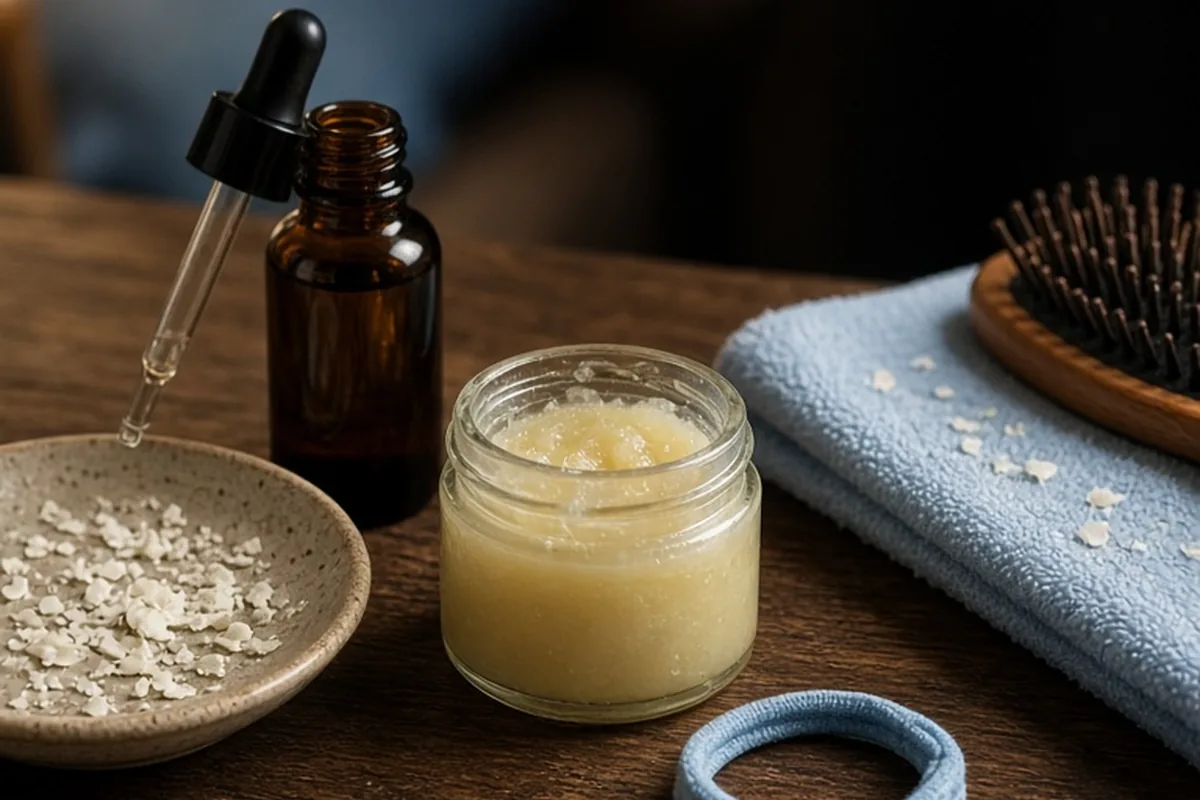
Caring for healthy hair with scalp psoriasis requires separating scalp treatment from strand conditioning. Soften thick plaques with mineral oil or dermatologist-recommended keratolytics before washing rather than picking them off, which causes hair loss. Cleanse with medicated formulas focused strictly on the skin, followed immediately by hydrating, silicone- or oil-rich conditioners applied only to mid-lengths and ends. Minimize heat styling, avoid tight tension styles, and align wash frequency with your specific hair texture to protect fragile strands.
Living with scalp psoriasis often feels like managing two competing priorities: calming an inflamed, flaking scalp while protecting the moisture and structural integrity of your hair strands. When thick plaques build up, the temptation to aggressively scrub or scrape can break hair shafts and traumatize follicles, while drying medicated shampoos can leave lengths brittle, frizzy, and prone to snapping.
Softening Scalp Psoriasis Plaques Without Damaging Hair
Scale buildup creates a physical barrier that prevents topical medications from reaching the scalp, but scraping or picking scales is one of the fastest routes to temporary hair shedding. When adherent scales are forcibly detached, they often pull hair shafts anchored within them directly out of the follicle. Furthermore, mechanical trauma to the skin can trigger the Koebner phenomenon, an inflammatory response where physical injury induces a new psoriasis plaque at the site of irritation, worsening the original condition.
A safer descaling protocol relies on chemical and emollient softening rather than mechanical force. Applying plain mineral oil, coconut oil, or an over-the-counter scalp formulation containing low-concentration salicylic acid directly to plaques helps dissolve the intercellular bonds holding dead skin cells together. Warm the oil slightly in your hands, part the hair methodically, and dab the product onto the scalp using your fingertips or a dropper. Allowing the oil to sit for thirty to sixty minutes softens tough plaques without requiring abrasive friction.
When rinsing out loosened scales, rely on gentle movement rather than vigorous scrubbing. In the shower, massage the scalp using only the soft pads of your fingers in circular motions while lukewarm water flows through the hair. If scales linger, glide a wide-tooth comb gently through wet, conditioned hair at a low angle to guide away flakes that have already separated from the skin surface. If a plaque resists movement, leave it alone for the next treatment cycle rather than tugging.
Applying Medicated Cleansers Without Stripping Hair Lengths
Therapeutic shampoos containing coal tar, ketoconazole, selenium sulfide, or salicylic acid are designed to slow epidermal cell turnover, reduce fungal populations, or exfoliate hyperkeratosis. While effective for the skin, these active agents often have high pH levels or astringent qualities that strip natural sebum from the hair cuticle. This leaves the outer hair fiber porous, rough, and vulnerable to moisture loss, static, and split ends.
To protect fragile strands, apply a protective conditioner barrier to your hair before using medicated cleansers. Coat the mid-lengths and ends with a generous layer of standard rinse-out conditioner or a natural oil such as jojoba or argan while the hair is damp, or even before getting into the shower. When applying the medicated wash, part your hair in clean sections and target the formula directly onto the scalp with an applicator bottle, keeping the active lather concentrated on the roots.
Medicated formulas require sufficient contact time—typically five to ten minutes—to penetrate hyperkeratotic plaques and calm inflammation. Keep the lather isolated on your scalp while waiting, avoiding working the suds down into the ends of your hair. When rinsing with cool or lukewarm water, let the diluted suds run quickly down the pre-conditioned lengths without scrubbing, minimizing stripping while clearing residual product.
Restoring Moisture and Cuticle Integrity After Active Washes
Because medicated cleansers can lift the cuticle layer of the hair fiber, restoring hydration and surface lubrication immediately after washing is critical. A compromised cuticle allows internal moisture to evaporate, leading to brittle fibers that snap under standard brushing. Post-wash hair care must replenish these lost lipids without leaving heavy, comedogenic residues that could irritate the scalp or feed secondary microbial imbalances.
Incorporate a rich rinse-out conditioner or a weekly deep conditioning mask formulated with fatty alcohols, such as cetyl or stearyl alcohol, alongside hydrolyzed proteins and conditioning silicones like amodimethicone. Apply these intensive treatments starting at least two inches away from the scalp, working downward through the ends. Leave the treatment on for ten to fifteen minutes under a warm towel to encourage penetration into the hair shaft, followed by a thorough rinse with cool water to help seal the cuticle.
After washing, smooth a lightweight leave-in conditioner or silicone-based serum through damp ends to provide slip and guard against friction. Avoid applying heavy pomades, thick waxes, or dense animal-derived butters directly onto the scalp unless recommended by a dermatologist. Heavy occlusives can trap dead skin flakes, sweat, and bacteria against inflamed plaques, causing itching and secondary folliculitis.
Adapting Scalp Psoriasis Routines for Textured and Coily Hair
Conventional dermatological advice frequently suggests washing the hair daily or every other day, a frequency suited for straight hair but inherently damaging for type 3 and type 4 textures. Coily and curly hair fibers have an elliptical cross-section and fewer protective cuticle layers, making it harder for natural scalp oils to travel down the shaft. Washing textured hair multiple times a week can cause catastrophic dryness, tangles, and structural breakage.
For coily hair, topical scalp therapy must be decoupled from full hair wash days. Work with a dermatologist to access prescription topical solutions, foams, or lightweight liquids that can be applied directly to the scalp between washes. A needle-nose applicator bottle allows you to deliver these active ingredients cleanly between braids, twists, or natural parts directly onto inflamed areas without wetting or manipulating the rest of your hair.
When wash day arrives—often on a weekly or bi-weekly cadence—dedicate time to a thorough pre-shampoo oil soak to soften plaques safely. Follow medicated cleansing with a deep, penetrating steam treatment or moisture mask to restore elasticity to curl patterns. Keep protective styles loose, avoiding tight tension along the hairline and nape, as sustained pulling combined with active psoriasis inflammation substantially elevates the risk of traction alopecia.
Styling Practices That Minimize Friction, Heat, and Follicular Tension
Physical friction and mechanical strain from styling habits can trigger flare-ups and damage hair already weakened by chronic inflammation. Combing with fine-tooth plastic combs, rough towel-drying, and high-tension styling abrade the delicate scalp barrier. When styling, handle hair like delicate silk, using wide-tooth seamless combs or flexible wet brushes starting from the ends and gradually working upward.
Thermal styling tools require careful temperature regulation to avoid worsening scalp inflammation. Direct high heat from blow dryers strips moisture from both the scalp and the hair cortex, exacerbating flaking and accelerating breakage. If using a blow dryer, attach a diffuser, choose low to medium heat settings, and maintain continuous motion rather than concentrating hot air on one area. Always apply a thermal protectant to the hair lengths before using heat tools.
Adopt low-manipulation hairstyles that do not place pulling forces on the scalp. Tight high ponytails, slicked buns, and rigid cornrows pull on the hair follicle and can induce the Koebner phenomenon along tension lines. Instead, choose loose low buns, soft braids, and silk or satin accessories that glide without snagging. Sleeping on a satin or silk pillowcase minimizes overnight friction, preserving hair hydration and reducing the chance of dislodging healing plaques.
Chemical Treatments, Hair Dye, and Salon Communication
Undergoing chemical services such as permanent hair coloring, bleaching, perming, or chemical relaxing presents serious challenges when managing scalp psoriasis. Strong alkaline agents, high-volume peroxide developers, and aromatic amines such as paraphenylenediamine (PPD) can penetrate cracked skin, causing intense chemical burns, contact dermatitis, and prolonged inflammatory flares.
Never undergo a chemical hair service during an active, symptomatic flare. Wait until the scalp is calm, smooth, and free of open abrasions or thick scaling. Even when clear, insist on a patch test behind the ear or on the inner forearm forty-eight hours before your appointment to check for newly developed sensitizations. Opt for off-scalp techniques such as balayage, foil highlights, or demi-permanent glosses that do not require chemicals to touch the scalp surface.
Clear communication with your hair stylist ensures a safer, more comfortable salon visit. Tell your stylist about your scalp condition before they begin so they can avoid aggressive fingernail scrubbing at the shampoo bowl and keep water temperatures lukewarm. Ask them to apply a protective barrier, such as medical-grade petrolatum, along your hairline and any sensitive scalp regions before applying color or chemical treatments.
Building a Balanced Hair Care and Scalp Maintenance Schedule
Maintaining scalp health while preserving hair condition depends on a consistent rotation between active treatment and gentle nourishment. Stopping therapeutic washes abruptly often causes a rapid rebound of plaques, while using harsh medicated cleansers indefinitely leads to progressive hair dryness. A planned schedule helps balance skin turnover control with ongoing fiber repair.
During an active flare, individuals with straight or wavy hair might use a medicated cleanser two to three times a week, alternating with a sulfate-free moisturizing shampoo on intervening wash days. For textured hair, the schedule might feature medicated topical foams applied three times weekly to the scalp, paired with a bi-weekly deep cleansing and hydration wash day. Once plaques flatten and itching subsides, taper medicated washes down to once a week or once every two weeks for maintenance.
Keep track of how your scalp and hair respond over several months, noting environmental changes like cold dry winters or humid summers that alter moisture needs. If you observe sudden, diffuse hair shedding, or if your scalp plaques remain thick and unresponsive after four to six weeks of consistent care, visit a board-certified dermatologist. Systemic therapies or non-steroidal prescription topicals may be necessary to resolve the inflammation without damaging your hair.
Frequently asked questions
Can scalp psoriasis cause permanent hair loss?
Scalp psoriasis does not directly destroy hair follicles, so hair loss is almost always temporary. Shedding typically happens due to mechanical trauma from picking thick scales, scratching intensely, or developing temporary telogen effluvium from chronic skin inflammation. Once the inflammation is treated and picking stops, hair follicles usually resume normal growth.
How often should you wash your hair if you have scalp psoriasis?
Wash frequency depends primarily on your hair texture and the severity of your flare. Straight or oily hair may benefit from washing every other day to prevent scale buildup, while curly or coily hair should be washed once a week or bi-weekly to avoid severe breakage. Those with dry or textured hair can apply leave-on medicated solutions directly to the scalp between wash days.
Is it safe to use natural hair oils directly on scalp psoriasis plaques?
Natural oils like mineral oil, jojoba, and coconut oil are useful for softening scales before washing so they slip away easily. However, leaving heavy layers of oil on the scalp for days without washing can trap dead cells, sweat, and microbes, potentially worsening inflammation. Use oils primarily as a pre-wash softening treatment rather than a persistent leave-in scalp product.
Can medicated shampoos for scalp psoriasis alter hair color?
Yes, certain active ingredients can alter or stain light, gray, or chemically lightened hair. Coal tar shampoos are notorious for imparting a yellowish or brownish tint to blonde, white, or silver hair. If you have light or color-treated hair, consult your clinician about alternatives such as ketoconazole, salicylic acid, or topical prescription solutions that do not cause discoloration.
Your next step
Apply a generous coat of plain conditioner or argan oil to your mid-lengths and ends before your next medicated wash to protect your hair fiber from drying active ingredients.