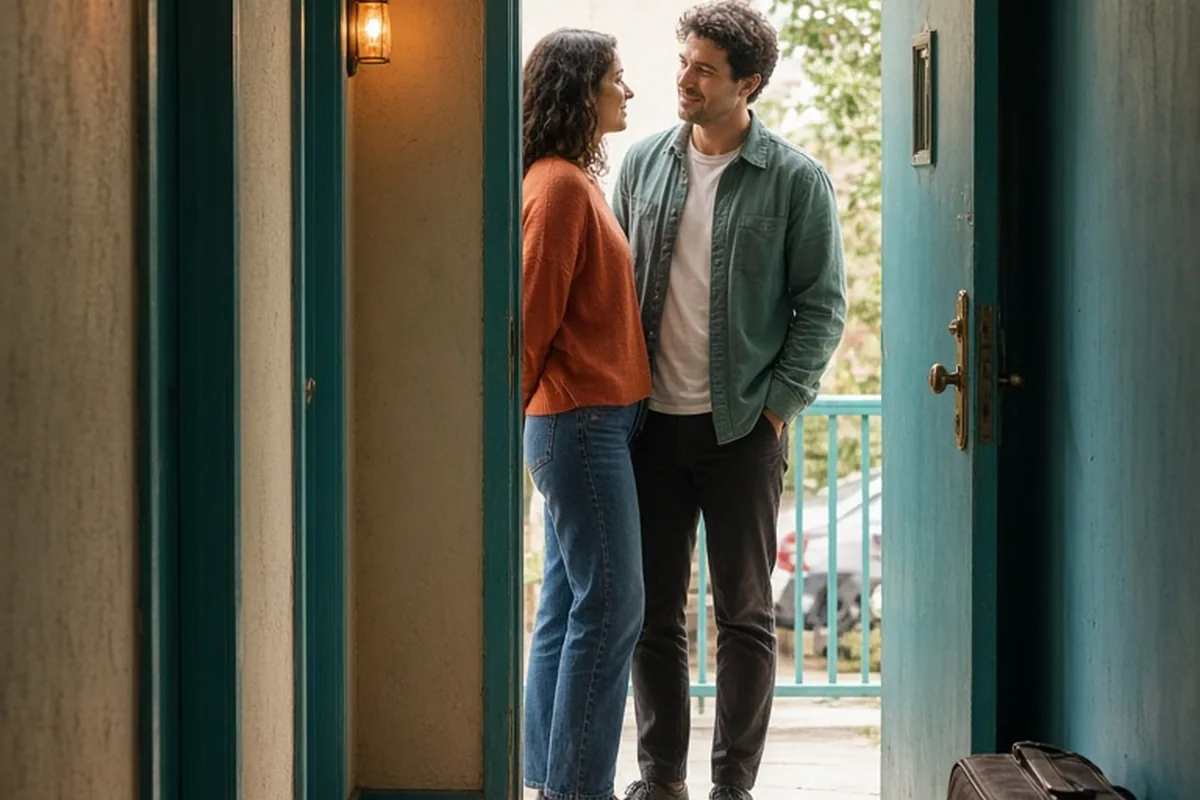
The best second date ideas balance shared activity with comfortable conversation, shifting you away from first-date resume recaps toward real connection. Choose an engaging setting with built-in momentum—like an interactive museum, an informal cooking class, mini-golf, or browsing a local farmers market followed by coffee. This setup keeps energy high, reduces awkward pauses through natural environmental prompts, and gives both of you space to see how well your personalities mesh in a relaxed environment.
While a first date mainly answers whether you can stand being in the same room, the second date reveals how you actually interact when the initial interview pressure fades. Choosing the right environment makes it much easier to drop your guard and see if genuine mutual interest exists.
Active Outings That Eliminate Awkward Silences
First dates frequently default to sitting across a small table, nursing a drink while trying to appear interesting and composed. By the second date, maintaining that intense face-to-face focus can feel exhausting or overly formal. Shifting to an activity-based date changes your physical orientation from confrontational to collaborative, placing both of you side by side. When you are looking at an objective in front of you rather than staring directly into someone else's eyes, natural lulls in conversation cease to feel like failures and instead become comfortable pauses in the action.
Consider low-stakes experiential venues like an upscale retro arcade bar, an indoor miniature golf course, or a casual bowling lounge. In an arcade, for instance, you can challenge each other to vintage pinball or team up on a cooperative shooter. The constant sensory input provides effortless topics to laugh about, and teasing each other over missed shots offers an organic way to test your conversational chemistry. If you prefer something outdoors, a casual pitch-and-putt or batting cage can serve the exact same dynamic.
The trade-off with active dates is the risk of overdoing competition. If one person possesses high skill in an activity while the other feels clumsy, the environment can provoke insecurity rather than fun. Keep the stakes intentionally silly, avoid hyper-competitive posturing, and ensure the chosen activity does not leave either participant dripping with sweat or nursing ruined clothing.
Collaborative Dining and Interactive Food Crawls
Standard multi-course dinners at white-tablecloth restaurants often trap two people into an inflexible script. You are bound to a single table for two hours, subjected to formal pacing, and saddled with a hefty bill before you even know if you enjoy spending relaxed time together. Collaborative eating formats break this rigid structure by turning dinner into an informal culinary journey where both people make joint decisions.
A progressive dinner or a bustling food hall provides an ideal framework. Instead of committing to one spot, visit a neighborhood with high walkability. Start at an artisanal bakery or taco stand for appetizers, stroll three blocks to a lively noodle bar for your main dish, and finish at a dessert parlor or night cafe. Alternatively, an open-air food truck rally lets you each order two different items to cut in half and share on a picnic table. This format requires communication, uncovers personal tastes, and allows you to experience multiple micro-atmospheres in a single evening.
The limitation here lies in managing dietary preferences and sensory overload. Crowded food halls can sometimes be noisy, making deep conversations difficult to hear. Always check for dietary restrictions beforehand so you do not suggest a seafood crawl to someone with an allergy or take a vegetarian to a barbecue lot, which can feel thoughtless.
Cultural and Creative Spaces That Spark Organic Topics
One common fear on a second date is running out of biographical details to discuss. Once you know where someone grew up, where they went to school, and what they do for work, conversation needs richer fuel. Cultural venues supply external prompts that reveal values, humor, aesthetic sensibilities, and worldview without feeling like a clinical psychiatric evaluation.
A visit to an independent bookstore, an interactive modern art gallery, or a quirky local history museum creates effortless conversational springboards. In a large indie bookstore, you can browse distinct aisles together, pulling favorite childhood novels off the shelves or laughing over ridiculous titles in the vintage travel section. An offbeat museum—such as one dedicated to neon art, maritime history, or miniature dioramas—gives you bizarre artifacts to dissect, ensuring you never have to force small talk out of thin air.
Be cautious about choosing cultural events that require silence. Standard art film screenings, classical orchestra performances, or theater plays prohibit talking for hours at a stretch. A second date requires active dialogue to assess compatibility, so save quiet, sit-and-watch cultural performances for later dates when companionship in silence has already been established.
Relaxed Daytime Adventures for Grounded Connection
Evening dates carry an implicit social script: alcohol, dim lighting, and potential romantic expectations that can add subtle pressure. Scheduling a second date during daytime hours communicates confidence, emotional groundedness, and genuine interest in getting to know the person in daylight. It strips away nightlife posturing and allows you to gauge how comfortable you feel simply sharing an ordinary Saturday or Sunday afternoon.
An outdoor farmers market or botanical garden walk is a premier daytime option. Meeting at an open-air market around eleven in the morning gives you the freedom to wander among fresh produce, sample artisan cheeses, and grab iced coffee or pastries from local stalls. The environment is vibrant yet peaceful, offering benches to sit on when you want to pause and talk. A botanical conservatory offers a similar stroll-and-talk rhythm with scenic visuals that naturally lower stress levels.
The primary vulnerability of daytime outings is the weather and physical exertion. Walking three miles in unshaded eighty-five-degree heat or shivering through an unpredicted autumn drizzle quickly sours the mood. Keep walking routes brief, check forecasts diligently, and always have an indoor coffee shop or tea house identified nearby as an effortless fallback.
Shared Laughter Through Low-Pressure Evening Entertainment
Humor is one of the most reliable barometers of long-term compatibility. If you cannot laugh at the same absurdities or appreciate similar wit, romance often turns into heavy work. An evening designed around shared entertainment allows both of you to let your defenses down and see whether your senses of humor align.
Neighborhood pub trivia and local improv showcases are great formats for shared laughter. Joining a pub trivia night lets you tackle obscure questions as a two-person team. Celebrating a correct answer creates a quick burst of shared victory, while missing an obvious question provides comedic humility. An early comedy showcase can also work well, provided you choose an improv troupe or a local showcase where audience members are there to enjoy a set rather than get berated.
A real hazard in stand-up comedy venues is aggressive crowd work. Sitting in the front row where an abrasive host roasts your date can introduce unnecessary discomfort or humiliation. If you pick a comedy club, sit in the middle or back row, verify the club's format, and ensure there is time scheduled afterward to grab a drink and discuss the performance together.
Choosing an Idea Using First-Date Callbacks
The most attractive quality you can bring to planning a second date is active listening. Generic dates suggest you are running through a standardized playbook you use for every match. Tailoring the date around a specific detail your companion mentioned during the first date signals that you paid genuine attention to their personality and preferences.
Think back to the small anecdotes exchanged during your first meetup. If your date mentioned an intense love for vinyl records, propose an afternoon scouring a local crate-digging shop. If they confessed an obsession with vintage arcade games, track down a pinball collective. If they mentioned missing the food from a city they once lived in, suggest a specialty market or authentic hole-in-the-wall spot known for that cuisine. The invitation itself becomes a compliment because it shows you value their individuality.
The limit to this approach is over-engineering. Do not turn a passing comment into an extravagant, cinematic production that feels disproportionate to two people who have only met once. Keep the gesture light, informal, and understated. Frame it as: 'You mentioned loving savory pastries, so I found this local bakery we could check out,' rather than an intense effort to blow them away.
Pacing the Date and Managing Physical Boundaries
A common pitfall on second dates is managing expectations around physical intimacy and duration. Some people assume that securing a second date requires an immediate romantic escalation, leading to awkward, uncalibrated moves. True confidence lies in staying present, reading reciprocal signals, and respecting both your own comfort and your date's boundaries.
Physical rapport develops most naturally through subtle, low-pressure proximity rather than grand gestures. Notice whether your date leans in when talking, maintains warm eye contact, or reciprocates incidental contact when walking close together. A gentle touch on the forearm when laughing at a shared joke provides an easy way to check comfort levels. If they lean in or smile, warmth is building; if they subtly pull back or cross their arms, respect that space without taking it as an insult.
Equally important is managing the date's duration. It is vastly better to end an incredible date after two or three hours while energy is high than to drag the evening on until fatigue sets in and conversation dwindles. Leaving the date on an upbeat note preserves mystery and creates natural anticipation for date three.
Illustrative Scenarios
Moving Past the High-End Dinner Dilemma
Marcus had an encouraging first coffee date with Elena and wanted to show serious interest for their second meeting. Fearing that anything casual would look low-effort, he considered booking an expensive three-course dinner at a formal French bistro. However, he worried the quiet dining room would turn their conversation stiff and put unneeded financial pressure on both of them. Instead, Marcus suggested meeting at an artisanal ice cream parlor located next to an expansive independent bookstore. They spent an hour recommending favorite titles to each other, laughing over quirky vintage travel manuals, and eating dessert on an outdoor patio bench. Elena stayed relaxed, the conversation flowed without artificial pauses, and both left eager to schedule a third outing.
Key point: High-pressure, formal dining often stifles natural conversation; an interactive, low-stakes setting allows genuine personality and ease to shine through.
Avoiding the Loud Venue Trap
Jordan planned a second date with Sam after a brief post-work drink that showed promising sparks. Sam mentioned a nostalgia for 1990s culture, so Jordan initially thought about buying tickets to a crowded tribute concert. Upon reflection, Jordan realized a booming music venue would make talking impossible, leaving them standing side by side in the dark for three hours without learning anything new about each other. Jordan pivoted and invited Sam to a retro arcade lounge followed by street tacos across the street. They played cooperative pinball, engaged in playful banter over arcade scores, and sat down over tacos to talk about childhood memories.
Key point: Shared activities should encourage direct interaction and conversation rather than drowning it out with loud, isolating entertainment.
Frequently asked questions
Who should pay for the second date?
A standard and courteous guideline is that whoever proposes the specific date idea should be prepared to cover the cost. However, offering to split or taking turns paying for different stops—such as one person covering the activity and the other buying dessert—is practical and mutually respectful. Choosing venues with reasonable price tags ensures finances never introduce unnecessary tension.
How long should a second date typically last?
A sweet spot for a second date is roughly two to three hours. This timeframe allows enough room to complete an engaging activity and share meaningful conversation without causing social fatigue. Ending the outing while you are still laughing and enjoying each other's company builds strong anticipation for a third date.
Is it expected to kiss on the second date?
There is no mandatory timeline for physical intimacy, and expectations should never replace mutual comfort. Pay attention to body language, verbal rapport, and reciprocal warmth throughout the outing before attempting a kiss. If an organic moment arises at the end of the date, you can test the waters gently, but taking things slowly is completely normal and healthy.
How soon after the first date should you ask for a second?
The ideal window to propose a second date is within twenty-four to forty-eight hours after the first meeting. Sending a text referencing something fun you discussed and offering a specific plan demonstrates clear, mature confidence. Scheduling the actual date for three to six days later keeps positive momentum alive without overwhelming either schedule.
Your next step
Review your notes from date one to spot a shared interest or callback, select an interactive activity that keeps conversation central, and send a direct invitation with a specific day and concept.