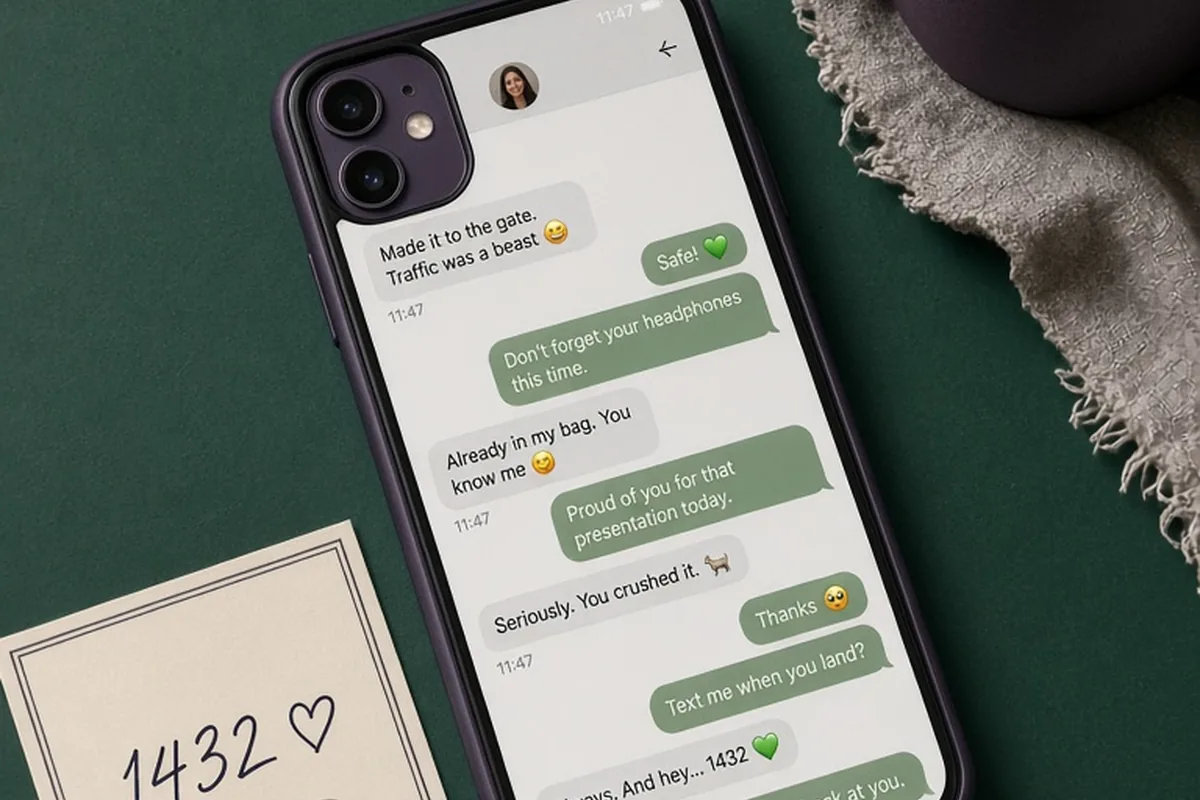
Secret ways to say I love you in texts involve subtle micro-messages, thoughtful check-ins, inside jokes, and shared numerical or emoji codes that express deep devotion without relying on heavy or repetitive phrasing. You can show love by prioritizing their safety, recalling small details from earlier conversations, or sending low-pressure comfort texts that let your partner feel cherished, seen, and secure throughout a busy day.
Texting is often the quiet background rhythm of a modern relationship, yet repeating the same three words over and over can occasionally feel routine or premature. Finding understated, creative methods to communicate real affection keeps your daily connection vibrant, intimate, and tailored specifically to your unique bond.
Caring Logistics and Everyday Protective Check-Ins
One of the clearest yet most understated ways to express love is through practical concern for someone's well-being. Asking if they made it home safely after a late drive, reminding them to grab an umbrella before a forecasted downpour, or checking if they remembered to eat lunch during a demanding shift all signal that their physical comfort matters to you. These messages show that your partner occupies space in your mind even when you are physically apart and immersed in your own routine. They do not demand emotional performance or heavy vulnerability, making them especially comfortable for partners who express attachment through action rather than sentimentality.
To make these texts feel intimate rather than parental, keep them light and personal. Phrasing a message like 'Drive safe tonight, text me when you get inside the door' strikes the right balance between protective care and respectful autonomy. The key is consistency without surveillance; you are offering a soft landing pad for their evening, not auditing their schedule. Over time, these brief, steady check-ins build a profound baseline of emotional safety, proving that you notice and care about the unglamorous mechanics of their day-to-day life.
- Let me know when you make it through the front door tonight.
- I saw traffic is terrible on your route home, take your time and stay safe.
- Make sure you step away from your desk and get some actual food today.
- Keep your coat on, it is freezing out there this afternoon.
Callback Humor and Memory Anchors
Affection thrives on shared history, and callback humor is one of the most potent secret languages two people can share. Sending a photo of a niche menu item you both laughed about three weeks ago, referencing an absurd podcast episode you listened to together, or dropping a specific quote from a shared memory instantly signals devotion. It tells the other person that moments spent with them are stored, valued, and actively remembered. These memory anchors create an exclusive micro-culture that belongs entirely to the two of you.
The power of a callback lies in its specificity. Anyone can send a generic romantic quote, but only you know why a picture of a crooked street sign or an oddly shaped pastry is hilarious and meaningful. When you reference these small moments, you reinforce mutual belonging. The subtle message beneath the humor is clear: your experiences together left an impression on me, and I am still smiling about them. It delivers the emotional warmth of an explicit declaration while maintaining a playful, grounded tone.
- Saw this coffee brand today and immediately thought of your strong opinions about it.
- Currently listening to that terrible song we could not get out of our heads on Tuesday.
- A dog just walked past me looking exactly like that grumpy neighbor from your story.
- Just ordered the dessert you swore I had to try.
Low-Pressure Decompression and Space-Holding Messages
True love often looks like granting someone permission to rest without putting demands on their energy. When your partner is enduring a chaotic workday, dealing with family tension, or managing sensory overload, receiving a high-maintenance text can feel like an extra chore. A secret way to express deep care is sending a warm message that explicitly removes the obligation to reply. This shows that your affection is unconditional and not transactional, prioritizing their mental peace over your immediate desire for conversation.
You can craft these messages by pairing a genuine compliment or supportive thought with a clear boundary release. For example, texting 'Thinking of you today, no need to reply to this, just wanted you to know you are doing an amazing job handling this week' allows them to receive warmth without guilt. It transforms your text thread into a sanctuary rather than an inbox of obligations. People rarely forget the partners who make their hardest days lighter by offering steady, undemanding presence.
- No reply needed at all, just sending you a quiet boost for your afternoon meeting.
- I know you are slammed today, so take your time getting back to me. You have got this.
- Putting zero pressure on tonight, let me know later if you want quiet takeout or just sleep.
- Sending you calm energy for the rest of your shift.
Playful Shorthand, Digit Codes, and Custom Emojis
If you want to be literal about keeping your affection coded, numerical shorthand and designated emojis offer a fun, private way to stay connected throughout the day. Classic pager codes like 143 (representing the number of letters in 'I love you') or 831 (8 letters, 3 words, 1 meaning) provide a nostalgic, fast way to check in. Similarly, establishing a specific emoji—like a particular leaf, an anchor, or a crescent moon—that carries a private meaning between you two allows you to drop a secret sign of affection into a busy thread without drawing outside attention.
The charm of this approach is its rapid delivery and private exclusivity. Dropping an agreed-upon digit code in the middle of a mundane exchange feels like an intentional tap on the shoulder. However, the trade-off is ensuring that both people find the code genuinely fun rather than juvenile. Use these tools as lighthearted accents to your communication rather than substitutes for real emotional presence, blending them naturally into your ongoing banter.
- 143 (I love you) or 831 (8 letters, 3 words, 1 meaning).
- 520 (popular digital shorthand derived from phonetic soundalikes for affection).
- A designated private emoji placed at the end of an ordinary daily update.
- A short voice note that contains only a two-second whisper or shared whistle tone.
Subtle Future-Weaving and Inclusive Language
A subtle yet unmistakable way to communicate love is by naturally weaving your partner into your future plans through your choice of language. Shifting from singular pronouns to casual 'we' statements indicates that you see them as an integrated part of your upcoming life. Mentioning an exhibit opening next month and adding 'we should go see that,' or buying two tickets to an event months down the road without anxious hesitation, communicates stability, commitment, and quiet devotion without needing a grand speech.
Future-weaving demonstrates that your affection is not merely a passing mood; it is an orientation toward continued partnership. It reassures the other person that you value their ongoing company. The subtlety lies in how casually it is presented. When you treat their presence in your future as natural, welcome, and assumed, you convey deep security. It removes the guesswork from dating, replacing ambiguity with steady, confident investment.
- We are definitely trying that new Italian spot whenever your schedule clears up.
- Saved an article on hiking trails for us to check out this autumn.
- I saw this event next month and immediately thought we would both love it.
- Let us make sure we leave Sunday open so we can recharge together.
Knowing When to Trade Subtlety for Direct Clarity
While coded texts, inside jokes, and protective check-ins add wonderful texture to daily romance, subtlety has distinct boundaries. If a relationship is in a state of confusion, or if one partner is experiencing insecurity about where they stand, relying solely on secret signals can inadvertently create frustration. Coded affection works best as an enhancement to an already secure dynamic, not as a shield to hide your vulnerability or avoid direct emotional honesty when the moment calls for it.
Pay close attention to how your partner responds to subtle messaging. If they mirror your humor and appreciate your quiet check-ins, your coded language is functioning as a healthy bond. But if they seem unsure, hesitant, or explicitly ask for emotional clarity, step out of the shorthand and offer plain, unequivocal words of appreciation. Balancing creative subtlety with straightforward courage ensures your connection remains both playful and rock-solid.
Illustrative Scenarios
Navigating High-Stress Deadlines Without Pressure
Marcus noticed that his partner Sarah was overwhelmed during a major project rollout at work. Initially, he considered sending multiple long paragraphs asking if she was okay and reminding her how much he cared, but he worried about adding to her screen fatigue. Instead, Marcus sent a quick delivery confirmation for her favorite iced tea to her office lobby, paired with a simple text: 'Drink this when you get a break. No need to text back, just rooting for you today.' Sarah later shared that receiving supportive care without the demand to craft an immediate reply made her feel deeply understood and loved.
Key point: True care often means removing conversational obligations during high-stress periods rather than requiring emotional engagement.
Using Shared Memory to Reassure After a Distant Day
Elena felt a slight emotional distance after a busy week of travel left both her and her partner Alex exhausted. Rather than confronting the silence with anxiety or demanding an explanation, she sent a brief photo of a quirky diner mug from a road trip they had taken months prior, captioning it: 'Remembering this breakfast and feeling grateful for my favorite person.' Alex responded within minutes, visibly relieved and energized, sharing how much that specific memory grounded him amidst the chaos of his week.
Key point: Grounding your messages in specific positive memories can quickly restore emotional closeness without creating unnecessary friction.
Frequently asked questions
Why do some people prefer secret or coded ways to say I love you?
Many people use coded texts to maintain a sense of private intimacy, keep daily communication playful, or express care when direct words feel repetitive. It also allows partners to communicate affection during work hours or stressful days without demanding intense emotional conversations.
Can subtle love texts cause confusion in early dating?
Subtle texts can occasionally cause mixed signals if two people have not yet established mutual interest or basic clarity. In early stages, it is helpful to balance lighthearted hints with enough direct warmth so the other person does not have to guess your intentions.
What is the simplest way to text someone you love them without saying the words?
The simplest method is sending a thoughtful safety or comfort check-in, such as making sure they arrived home safely or reminding them to rest. These practical micro-texts prove they are on your mind in a grounded, caring way.
How do I know if my partner appreciates my subtle affection texts?
Notice whether they mirror your tone, reference your callbacks, or express genuine relief when you send supportive messages. If they engage warmly or adopt the shorthand themselves, your subtle communication is effectively building closeness.
Your next step
Choose one small callback memory or low-pressure check-in that fits your partner's current day, send it freely without expecting a performance in return, and let genuine thoughtfulness speak for itself.