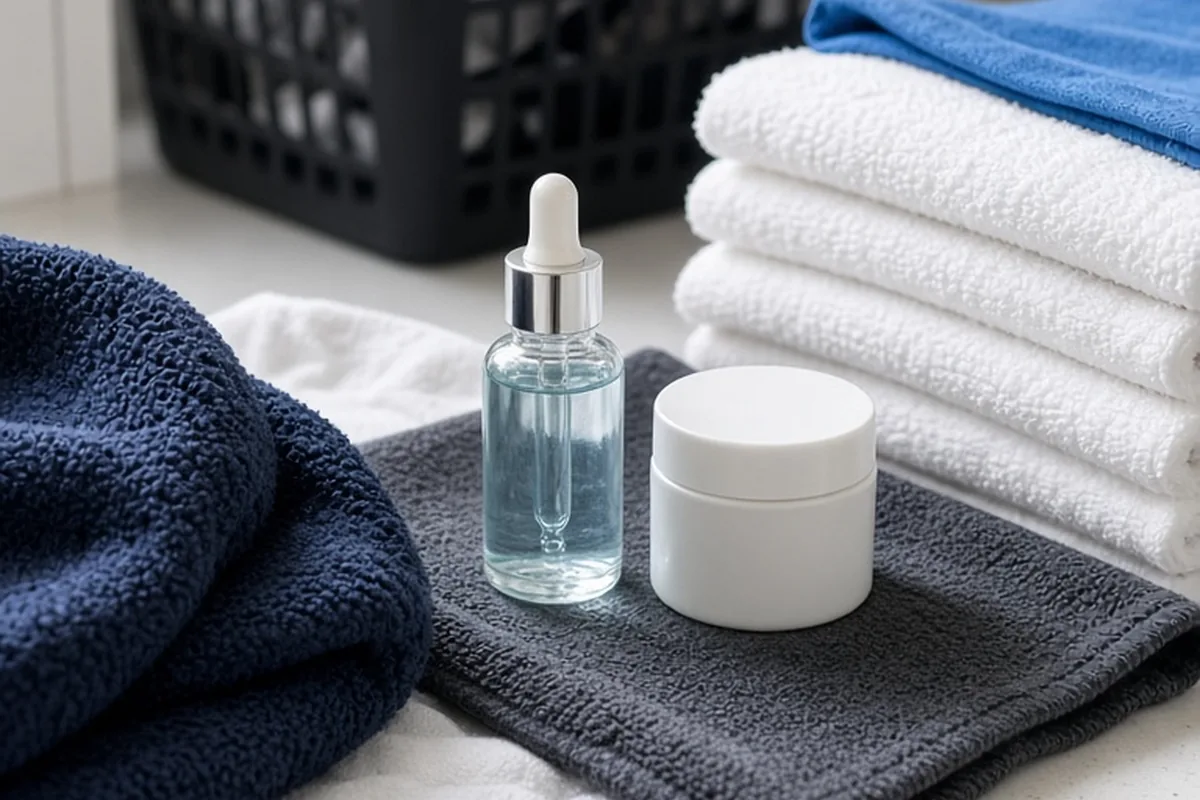
As a general rule, apply your serum before your moisturizer. Serums have a lightweight consistency and smaller molecular structure designed to deliver targeted cosmetic ingredients deep into the surface layers of your skin. Moisturizers are thicker, containing occlusives and emollients that seal in hydration. Putting moisturizer on first creates a barrier that prevents lighter serums from absorbing properly.
Starting a new skincare routine can quickly become confusing when you are confronted with droppers, pump bottles, and thick creams. Knowing the correct sequence ensures each product performs as intended without wasting money or causing unnecessary surface congestion.
The Science of Consistency: Why Viscosity Dictates Order
Skincare layering relies on a straightforward physical principle: products should be applied from the thinnest texture to the thickest texture. Formulations with low viscosity, such as watery toners, essences, and fluid serums, possess a lighter molecular vehicle. This light vehicle allows their active cosmetic ingredients to penetrate the upper layers of the epidermis quickly and evenly. If you apply a dense, buttery moisturizer before a light serum, the protective film left behind by the cream prevents the lighter liquid from reaching your skin.
Moisturizers are specifically engineered to provide an occlusive and emollient shield. They contain larger molecules like plant butters, petrolatum, dimethicone, or ceramides that coat the skin surface to minimize transepidermal water loss. By placing your lightweight treatment on clean, bare skin first, you allow those humectants and specialized ingredients to absorb unimpeded. The moisturizer applied afterward then functions like a protective cap, locking the active components and moisture beneath it.
A helpful comparison is painting a wooden deck: you would never apply a thick clear-coat sealant before applying the penetrating wood stain. The stain needs direct access to the raw material to do its job, and the sealant finishes the process by shielding everything from external elements. In the same way, your serum does the internal cosmetic work while your moisturizer seals the surface.
How to Apply Serum and Moisturizer Step by Step
Executing your application correctly is just as important as choosing the right order. After washing your face with a mild cleanser, pat your skin with a clean towel so that it remains slightly damp rather than bone dry. Damp skin tends to be more permeable, which can help water-loving humectants like hyaluronic acid draw moisture into the outer skin layers more effectively. Dispense a pea-sized amount or three to four drops of serum onto your fingertips, then gently press and smooth it over your face and neck.
Allow the serum thirty to sixty seconds to settle into your skin before moving to your moisturizing step. You do not need to wait until your skin feels completely dry or tight; waiting until the surface feels slightly tacky or absorbed is ideal. Once the serum has settled, scoop an appropriate amount of moisturizer and massage it evenly in upward, gentle strokes. This seamless transition ensures both formulas work harmoniously without interfering with each other.
If your routine includes a morning sunscreen, keep in mind that sun protection always comes after your moisturizer. Giving your moisturizer a minute to dry down prevents your sunscreen from balling up or losing its uniform protective layer.
- Cleanse thoroughly with lukewarm water and a gentle face wash.
- Leave skin slightly damp to encourage humectant absorption.
- Apply three to four drops of serum by gently pressing into the face and neck.
- Pause for thirty to sixty seconds until the serum feels absorbed.
- Smooth an even layer of moisturizer over the skin to seal in hydration.
- Finish with broad-spectrum sunscreen if completing your daytime routine.
Exceptions to the Rule: When Moisturizer Might Go First
While serum-before-moisturizer is the baseline guideline, specific situations justify flipping the order. The most common exception is a technique known as buffering. If you are introducing a potent active, such as a strong retinoid or a concentrated exfoliating treatment, applying it directly to freshly washed skin can sometimes provoke flaking, redness, or burning in sensitive complexions. Applying a thin coat of bland moisturizer first acts as a cushion, slowing down the absorption rate and mitigating potential irritation.
Another common exception involves oil-based serums. Despite being marketed under the word serum, some products are composed almost entirely of botanical or synthetic oils like squalane, rosehip, or argan oil. Lipids and oils are natural occlusives with larger molecular footprints than standard water-based creams. If your serum is strictly an oil, it should actually be applied after your water-based moisturizer, or blended directly into your moisturizer, because oil repels water-based formulas applied over it.
The trade-off with buffering potent actives is a modest reduction in product intensity. For individuals building up tolerance, however, that slight compromise is often worthwhile because it supports long-term skin barrier comfort without forcing an abrupt pause in your routine.
Combining Serums with Other Common Routine Ingredients
Many skincare enthusiasts use more than one treatment product, which raises questions about how to coordinate multiple ingredients. A safe strategy is to divide complex routines by time of day. Antioxidant-focused treatments, such as vitamin C, typically pair well with morning routines because they help defend against environmental stress during the day when sealed beneath moisturizer and daily sunscreen.
In the evening, restorative or resurfacing ingredients like niacinamide, peptide complexes, or gentle chemical exfoliants take priority. If you plan to layer two different serums before your moisturizer, apply the thinnest, most watery formula first, followed by the slightly thicker or gel-like serum. For example, a watery hyaluronic acid solution should go on before a thicker niacinamide gel.
Avoid stacking too many active treatments simultaneously. Combining multiple concentrated exfoliants or pairing pure vitamin C alongside strong retinoids in the same step can overwhelm your skin barrier. Instead, alternate these targeted treatments on different nights, always following each application with a soothing moisturizer.
Choosing the Right Pairing for Your Skin Type
Customizing your serum and moisturizer combination to your skin type prevents common frustrations like excess shine or dry patches. Oily and blemish-prone skin types generally benefit from lightweight, water-based serums featuring ingredients like zinc, salicylic acid, or niacinamide. Pairing these with an oil-free gel or water-cream moisturizer delivers adequate hydration without adding unnecessary heaviness or clogging pores.
Dry skin types require formulas that both replenish water content and reinforce the lipid matrix. For dry complexions, a hydrating serum packed with humectants like glycerin, hyaluronic acid, or panthenol works best when topped with a rich cream loaded with ceramides, shea butter, or fatty acids. This combination addresses both internal dehydration and surface dryness simultaneously.
For combination skin, you may want to balance areas with varied needs. You can apply a universal hydrating serum across your entire face, and then adjust your moisturizer amount by applying a lighter coat to the oily T-zone and a richer layer to the cheeks. Sensitive skin types should prioritize fragrance-free, short-ingredient-list options across both steps.
Troubleshooting Mistakes, Pilling, and Routine Frequency
A frequent annoyance beginners encounter when layering is pilling, which occurs when products ball up into tiny flakes instead of sinking into the skin. Pilling usually happens when you use too much product, fail to give the serum adequate time to absorb, or layer incompatible bases, such as an oil-heavy serum directly under a silicone-heavy moisturizer. To prevent pilling, reduce the amount of product used and gently pat rather than aggressively rub your face.
Consistency and patience determine your cosmetic results. Most hydrating serums and moisturizers offer immediate sensory relief, but formulas targeting pigmentation, fine lines, or rough texture generally take four to eight weeks of regular daily use before noticeable cosmetic improvements appear. Rushing the process by increasing frequency too quickly often leads to irritation rather than faster progress.
Pay close attention to how your skin responds over several weeks. If you experience persistent redness, itching, or breakouts that do not subside, scale back to a basic cleanser and plain moisturizer. When introducing new products, test one at a time so you can clearly pinpoint which formula agrees with your skin.
Frequently asked questions
How long should I wait between applying serum and moisturizer?
You generally only need to wait thirty to sixty seconds between steps. Waiting until the serum feels absorbed but your skin is still slightly receptive allows your moisturizer to glide on smoothly and lock in hydration.
Can I skip moisturizer if my serum feels hydrating enough?
While individuals with very oily skin sometimes skip moisturizer in humid climates, most skin benefits from both. Serums supply concentrated humectants, but moisturizers contain the necessary occlusive ingredients to prevent that hydration from evaporating into the air.
How often should beginners apply serum and moisturizer?
Moisturizer is usually applied twice daily, once in the morning and once at night. Beginners using gentle hydrating serums can use them twice daily, whereas active serums containing retinoids or exfoliating acids should start at two to three nights per week to monitor tolerance.
What should I ask a dermatologist if my routine is causing irritation?
Bring the specific ingredient lists of both your serum and moisturizer to your appointment. Ask the dermatologist whether the active ingredients are compatible with your barrier health and if a buffered application order or different vehicle would better suit your skin.
Your next step
Take a look at your current skincare products tonight, confirm whether your serum is water-based or oil-based, and apply your lightest water-based serum directly to clean, damp skin before finishing with your favorite moisturizer.