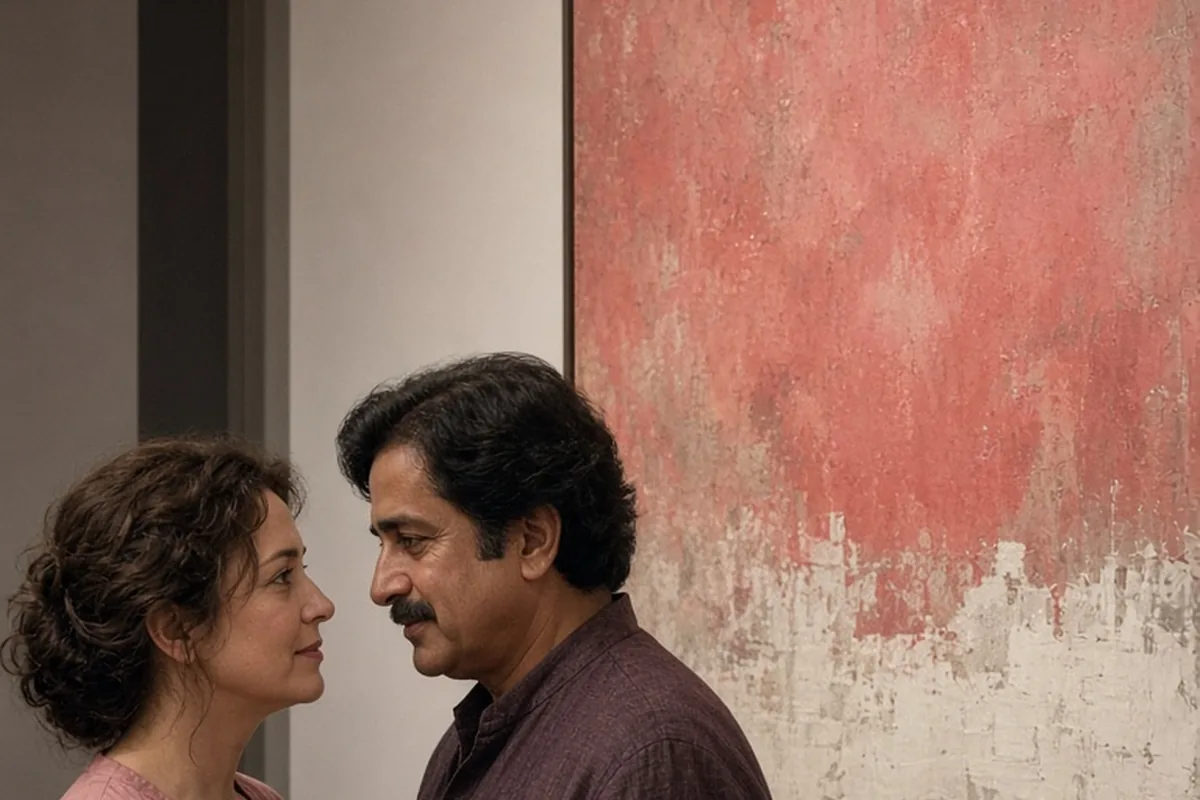
Shashi Kapoor and Jennifer Kendal shared one of cinema and theater's most celebrated partnerships. Meeting in Calcutta in 1956 through their families' traveling theater companies, they married in 1958, bridging British and Indian cultures. Together, they founded Mumbai's iconic Prithvi Theatre in 1978 and championed Indian parallel cinema, demonstrating how mutual artistic respect, clear personal boundaries, and shared creative devotion can sustain a lifelong cross-cultural relationship.
The union of Indian screen icon Shashi Kapoor and British theater actress Jennifer Kendal remains a benchmark for creative collaboration and enduring companionship across cultural boundaries.
The 1956 Encounter: Where Two Theatrical Worlds Converged
In the mid-1950s, Indian theater was experiencing a vital transitional phase, driven by traveling repertory companies that brought classic and contemporary plays directly to diverse regional audiences. Shashi Kapoor, the youngest son of the pioneer Prithviraj Kapoor, worked diligently within his father's company, Prithvi Theatres, serving simultaneously as an actor, backstage technician, and assistant stage manager. At the same time, Geoffrey Kendal's traveling troupe, Shakespeareana, was touring India, performing Shakespearean drama across schools, town halls, and urban auditoriums. During a joint theatrical season in Calcutta in 1956, eighteen-year-old Shashi attended a Shakespeareana performance at the Empire Theatre, where he first saw twenty-three-year-old Jennifer Kendal sitting in the audience and performing on stage.
Drawn to her stage presence and composure, Shashi sought an introduction through backstage circles, leading to conversations that quickly revealed a deep mutual passion for classical performance and live stagecraft. Soon after, Shashi joined Shakespeareana as an actor and tour manager, traveling across the Indian subcontinent with the Kendal family. This period provided the couple with extensive shared experience under demanding touring conditions, where setting up stage lighting, rehearsing lines in train compartments, and handling logistical hurdles forged a strong bond rooted in professional respect before romance formally developed.
Navigating Cross-Cultural Differences and Family Acceptance
Cross-cultural marriages between British and Indian citizens in the late 1950s were relatively rare and often subject to intense social scrutiny, given the recent colonial history between the two nations. Geoffrey Kendal was initially resistant to the match, largely because Jennifer was the central pillar and leading lady of Shakespeareana, and her departure posed a significant practical challenge to the touring company's future. The young couple faced months of emotional uncertainty, navigating parental hesitation without resorting to public conflict or burning family bridges.
Recognizing their commitment, Shashi's older brother Shammi Kapoor and sister-in-law Geeta Bali stepped in to provide emotional guidance and practical hospitality in Bombay. In July 1958, Shashi and Jennifer married in a traditional Indian ceremony in Bombay, followed by a quiet gathering of family and close friends. Rather than demanding that Jennifer assimilate entirely or abandoning his own heritage, Shashi worked with her to create a household that honored both Indian traditions and British customs, setting a constructive precedent for cross-cultural couples by treating cultural differences as complementary strengths rather than sources of friction.
Building Prithvi Theatre: Turning a Shared Dream into Reality
While Shashi Kapoor became one of Hindi mainstream cinema's most bankable and prolific leading men throughout the 1960s and 1970s, his and Jennifer's heart remained in the theater. Prithviraj Kapoor had long dreamed of having a permanent, dedicated space in Mumbai where experimental, regional, and emerging theater artists could perform without paying exorbitant commercial auditorium rents. Following Prithviraj's passing, Shashi and Jennifer bought land in Juhu, Mumbai, and took on the task of building what would become Prithvi Theatre, which officially opened its doors in November 1978.
Jennifer took charge of the architectural layout, interior design, and day-to-day operational philosophy of the space. She insisted on an intimate thrust stage with no physical barrier between actors and audience, ensuring exceptional acoustic clarity without reliance on heavy amplification. To finance the construction and subsidize affordable ticket prices for students and artists, Shashi worked grueling multi-shift schedules in commercial Bollywood films. Their partnership turned a personal dream into a landmark public institution that continues to nurture playwrights, directors, and actors decades later.
Collaborative Artistry: Merchant Ivory and Parallel Cinema
Beyond live theater, Shashi and Jennifer played pivotal roles in connecting Indian cinema with international audiences through their work with producer Ismail Merchant, director James Ivory, and screenwriter Ruth Prawer Jhabvala. Films such as The Householder (1963), Shakespeare Wallah (1965), and Bombay Talkie (1970) offered nuanced portrayals of cultural intersection and human vulnerability, presenting a striking contrast to the formulaic cinema dominating mainstream box offices at the time.
When Shashi established his own production house, Filmvalas, in the late 1970s to back meaningful artistic cinema, Jennifer served as his most trusted creative advisor and critic. Filmvalas produced seminal works of Indian parallel cinema, including Junoon (1978), Kalyug (1981), 36 Chowringhee Lane (1981), Vijeta (1982), and Utsav (1984). Jennifer's lead performance as Miss Violet Stoneham in Aparna Sen's 36 Chowringhee Lane earned widespread international acclaim and a BAFTA nomination, illustrating how mutual professional encouragement allows both partners to reach the peak of their creative abilities.
Domestic Grounding and Protecting Family Life
Managing family life amid the intense demands of the entertainment industry presents significant challenges to marital stability. Shashi's career often involved shooting several films simultaneously, which could have easily led to burnout and domestic strain. Jennifer established a structured, grounded home life in Mumbai, intentionally shielding their three children—Kunal, Karan, and Sanjana—from the entitlement and superficiality often associated with show business.
The family prioritized regular meals together, quiet weekends away in Goa, and exposure to literature, visual arts, and international cultures. Jennifer managed the household finances and domestic routines with discipline, while Shashi respected her independence and decisions without imposing industry expectations. This balance provided Shashi with a secure retreat away from the demands of celebrity life, illustrating the importance of maintaining clear boundaries between professional public personas and private relationships.
Navigating Loss and the Enduring Legacy of Their Partnership
In 1982, Jennifer was diagnosed with terminal colon cancer, presenting the couple with their most painful personal crisis. Shashi stepped back significantly from his demanding filming schedules to care for her, seeking medical treatments in Mumbai and London while keeping their family closely knit during her final months. Jennifer passed away in September 1984 at the age of fifty-one, an event that deeply affected Shashi for the rest of his life.
In the decades that followed until his own passing in 2017, Shashi ensured that Jennifer's vision for Prithvi Theatre was preserved by entrusting its ongoing administration to their children. The enduring success of their personal and professional union offers valuable insights for modern relationships: finding common purpose in creative or community endeavors, treating cross-cultural differences with genuine curiosity, maintaining candid honesty in communication, and honoring a partner's individuality through every stage of life.
Frequently asked questions
How did Shashi Kapoor and Jennifer Kendal first meet?
Shashi Kapoor and Jennifer Kendal met in Calcutta in 1956 during a theatrical season where Shashi was working with Prithvi Theatres and Jennifer was performing with her family's touring company, Shakespeareana. Shashi attended one of her performances, was introduced backstage, and soon joined Shakespeareana to tour and act alongside the Kendal family.
What was Jennifer Kendal's role in creating Prithvi Theatre?
Jennifer Kendal was the primary architect of the theater's intimate performance concept, overseeing the design of its thrust stage, acoustic dynamics, and open-air café in Juhu, Mumbai. She managed the daily operations and artistic standards of the space from its opening in 1978 until her death in 1984.
Which films did Shashi Kapoor and Jennifer Kendal collaborate on?
They collaborated on several notable Merchant Ivory productions, including Shakespeare Wallah and Bombay Talkie, as well as Shashi Kapoor's own production Junoon. Jennifer also starred as the lead in Filmvalas' critically acclaimed 36 Chowringhee Lane, produced by Shashi and directed by Aparna Sen.
Your next step
If you and your partner are navigating cultural differences or building a shared creative project, establish clear personal boundaries, maintain open communication, and ground your partnership in shared values and mutual artistic respect.