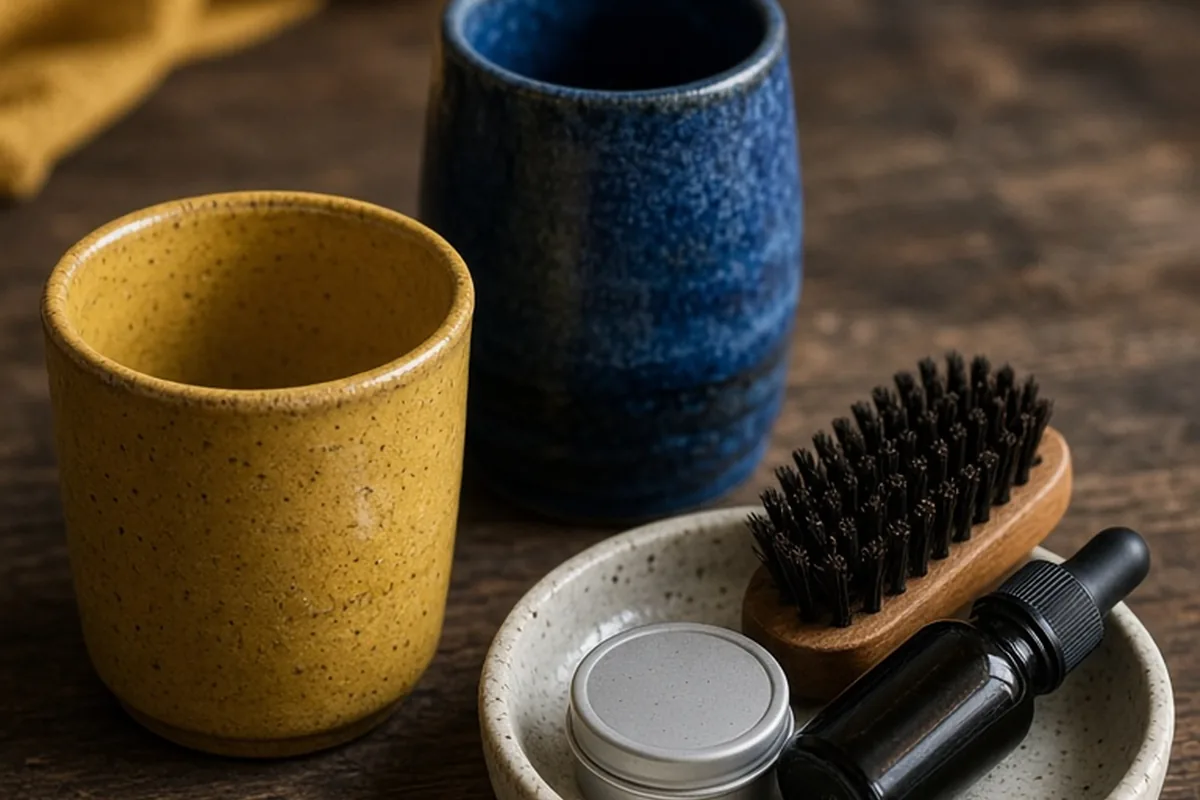
Beginners maintaining a short barber cut should start with three essentials: a primary styling base matched to hair texture (matte clay for fine or straight hair, styling paste for flexible hold, or foaming wrap lotion and curl cream for textured hair), a gentle scalp cleanser or soothing tonic, and a targeted tool like a boar bristle brush or wide-tooth styling comb. Start with dime-sized amounts to avoid buildup.
Transitioning to a short, barbered haircut brings unmatched freedom and sharp lines, but managing short strands requires a completely different approach to hair care. Traditional long-hair routines focused on mid-lengths and split ends give way to scalp health, precision texture, and hold.
Selecting Your Core Barber Styling Base: Clays, Pastes, and Pomades
The centerpiece of any barber-style routine is the primary styling agent. When your hair is cropped close to the head, every strand responds directly to product weight. Water-based pomades provide high shine with structured control, making them ideal for slicked contours, side parts, and polished pompadours. Because they rinse cleanly with water, they prevent heavy pore clogging around exposed hairlines, though they can set with a firm, slightly stiff cast if applied too heavily to dry strands.
Matte clays and texturizing pastes offer a more natural, lived-in aesthetic. Clays typically contain bentonite or kaolin, which absorb excess sebum and swell the hair shaft to provide volume, separation, and invisible hold. This makes clay particularly effective for fine, straight, or wavy hair that falls flat under greasy products. Pastes sit comfortably in the middle, offering medium pliability and a semi-matte finish that allows you to reshape your hair with your fingers throughout the day without flaking or stiffness.
When choosing between these bases, evaluate your daily routine and preferred finish. If you work in active settings or prefer effortless texture that withstands wind and movement, a matte paste or clay is the most forgiving beginner choice. If you prefer crisp partings and smooth transitions, opt for a light-to-medium hold water-based pomade.
Textured, Coiled, and Curly Hair Essentials for Barber Cuts
Tapered fades, short afros, buzz cuts, and 360 wave patterns on curly and coily hair require moisture retention and definition over rigid structural hold. Traditional alcohol-heavy hair gels often strip natural moisture from tightly coiled strands, leading to dryness, dullness, and flaking along delicate edges. Instead, wrap mousses and setting foams provide lightweight hold that locks in moisture without weighing down tight curl patterns.
For daily maintenance of textured barber cuts, leave-in conditioning sprays formulated with aloe, glycerin, and lightweight botanical oils (such as jojoba or argan) serve as a hydrating primer. Follow this with a botanical curl custard or twisting butter to define curls on longer top sections. For cropped fades and low buzz cuts, a dab of nourishing hair butter brushed in the direction of hair growth keeps the cuticle smooth, enhances natural shine, and protects against moisture loss.
Edge control gels formulated specifically for short hair can polish sideburn tapers and nape lines. Choose water-soluble edge tamers infused with castor oil or panthenol rather than petroleum-heavy waxes. These formulas provide clean hold, maintain hairline integrity, and prevent clogged pores around the forehead and temples.
Prioritizing Scalp Health, Exfoliation, and Sun Protection on Exposed Skin
A shorter cut suddenly exposes delicate scalp skin to environmental stressors, clipper friction, UV rays, and concentrated product application. Many women new to barber cuts experience temporary flaking, tenderness, or tightness because the scalp is no longer shielded by dense hair. Establishing a consistent scalp routine prevents razor bumps, ingrown hairs, and dry flakes that can quickly distract from a clean haircut.
Incorporate a gentle scalp tonic containing witch hazel, tea tree oil, or chamomile immediately following a fresh barber visit. These ingredients soothe clipper irritation and calm the micro-abrasions that can occur during close tapers or foil shaving. Avoid applying heavy, waxy stylers directly onto freshly trimmed skin for the first twenty-four hours to give your pores time to breathe.
Daily sun defense becomes essential when skin is visible through thin or faded hair. Traditional body sunscreens can feel greasy and leave a visible white cast on dark hair or cropped roots. Look for oil-free, matte-finish mineral sunscreen mists or featherlight scalp SPF fluids designed to absorb quickly without turning chalky or leaving a sticky film on short hair strands.
Restructuring Your Wash Routine to Prevent Daily Buildup
Washing short hair requires recalibrating both frequency and product selection. Because short strands receive natural sebum from the scalp much faster than long hair, oiliness and product buildup become noticeable in days. However, daily washing with harsh, sulfate-rich shampoos strips the scalp's protective barrier, leading to compensatory overproduction of oil or uncomfortable dryness.
A balanced wash protocol for most short cuts involves cleansing two to three times per week with a sulfate-free, balancing shampoo. Once every seven to ten days, integrate a clarifying shampoo or an exfoliating scalp scrub formulated with salicylic acid to break down stubborn clays, edge controls, and environmental impurities. Focus the cleanser directly on the scalp using gentle fingertip massage rather than aggressive fingernail scrubbing.
Conditioner application must also change. Heavy, thick salon conditioners designed for long hair can weigh short cuts down completely, leaving them limp and greasy by midday. Swap heavy creams for a dime-sized amount of lightweight, rinse-out conditioner or a fine-mist leave-in spray applied only to the top lengths rather than directly on short, faded sides.
Investing in the Right Barber Grooming Tools and Accessories
Having quality styling formulas is only half the equation; the physical tools you use determine how cleanly those products distribute across your cut. A natural boar bristle brush is one of the most versatile investments for short cuts. The firm bristles distribute natural scalp oils and pomades evenly along the hair shaft while laying down flyaways and smoothing fades without snagging.
For crops, textured pixies, and modern mullets with length on top, a dual-sided styling comb featuring wide teeth on one side and fine teeth on the other offers versatility. Wide teeth create relaxed, defined texture ribbons without collapsing volume, while fine teeth help create crisp side parts and smooth cowlicks. A fine-mist continuous water spray bottle is also indispensable for dampening hair in the morning to reactivate yesterday's styling product without needing a full shower.
Nighttime protection preserves your cut and minimizes morning styling time. Sleeping on a smooth silk or satin pillowcase reduces friction, prevents frizz, and stops cotton fibers from drawing moisture out of your hair and scalp. For tapered cuts, waves, or smoothed edges, wearing a snug silk headwrap or satin-lined cap overnight keeps short sides flat and neatly aligned.
Mastering the Step-by-Step Daily Application Technique
The most common mistake beginners make is applying styling product directly to the front hairline or crown without emulsifying it first. Proper application begins with a clean, dry, or slightly damp canvas depending on the styler's instructions. Scoop a nickel-sized portion of clay, paste, or pomade into the center of your palm and vigorously rub your hands together until the product warms, turns clear, and coats your palms and fingers evenly.
Begin distributing the product from the back of the head and work your way forward toward the forehead. This ensures that the heaviest concentration of product lands on the denser crown area rather than overloading the delicate front fringe. Rake your fingers through the roots to build lift and structure, then use your fingertips or a comb to guide individual sections into place.
If you need extra hold or piecey definition, add product in small micro-layers rather than one large scoop. For textured crops, pinch the ends of the hair lightly to accentuate separation. For sleek tapers, use a soft bristle brush immediately following application to smooth the sides downward in the natural direction of hair growth.
Troubleshooting Common Beginner Styling and Maintenance Mistakes
When transitioning from long to short hair, many women struggle with product balance. Using too much product can cause greasy clumping, exposed scalp patches, and rapid product transfer onto hats and pillowcases. If your hair feels heavy, tacky, or stiff within an hour of styling, you are either using an overly heavy formula for your hair density or applying too much at once. Reset by misting with water or washing with a gentle cleanser.
Another frequent pitfall is neglecting the growth cycle of short haircuts. While long cuts can go three to four months without trimming, barbered tapers and fades typically lose their clean perimeter within two to four weeks. Relying on heavy styling products to force overgrown nape hair into place often creates unsightly buildup. Schedule regular maintenance appointments for edge cleanups between full haircut services to keep your shape effortless.
Lastly, be mindful of matching product finish to the weather and your lifestyle. Humid climates can cause water-soluble pomades to soften and lose their shape, while high winds can disrupt dry styling powders. Adjusting your product choice to your daily environment ensures your short cut looks sharp and intentional all day long.
Illustrative Scenarios
Transitioning from Long Layers to a Matte Textured Crop
Elena got her first low-taper pixie crop and initially styled it with the rich hair oils and heavy smoothing creams left over from her long-hair routine. Within two days, her fine hair looked limp, flat, and greasy against her scalp, prompting her to wash it daily, which left her scalp itchy and dry. Realizing her long-hair products were unsuitable, she switched to a lightweight bentonite clay paste and a clarifying shampoo used twice weekly. By warming a nickel-sized amount of clay between her palms and raking it from back to front, she achieved effortless piecey volume without greasy buildup or scalp irritation.
Key point: Short, fine hair requires lightweight matte texturizers rather than heavy oils to maintain lift, definition, and scalp balance.
Establishing a Moisture and Hold Routine for a Tapered Fade
Camille chose a tapered fade with natural 4C curls on top. She initially relied on alcohol-based styling gels to hold her edges and define her crown, but the formula caused flaking, dryness, and scalp tightness around her clean hairline. Seeking a healthier approach, Camille introduced an aloe-based leave-in hydrating mist, a conditioning curl butter for the crown, and a nourishing wrap mousse paired with a satin headwrap at night. The new routine eliminated flaking, defined her curl pattern naturally, and kept her faded sides smooth and comfortable throughout the week.
Key point: Textured short cuts thrive on alcohol-free moisture layers and night protection to keep fades crisp and hair hydrated.
Frequently asked questions
Can I use men's labeled barber products on my hair?
Yes, hair styling products are fundamentally formulated for hair texture, density, and desired hold rather than gender. Men's barber brands often provide excellent clays, water-soluble pomades, and scalp tonics that work just as effectively for women. The primary difference is often the fragrance profile, so choose products with scents you enjoy wearing.
How often should I wash my short hair if I use styling products every day?
Most people with short barber cuts find that washing two to three times a week strikes the right balance between removing residue and maintaining natural scalp moisture. If you use water-soluble clays and pomades, you can often rinse your hair thoroughly with warm water on non-wash days without stripping your scalp.
How do I refresh my short cut in the morning without washing it completely?
Dampen your hair lightly using a fine-mist spray bottle filled with plain water or a diluted leave-in conditioner. This reactivates the styling product already present on your strands, allowing you to reshape your cut with your fingers, comb, or brush and blow-dry on low heat for two minutes to reset the shape.
Your next step
Take an inventory of your current styling shelf, select one lightweight styler matched to your hair density and texture, and ask your barber at your next appointment to demonstrate the exact dime-sized application technique on your crown.