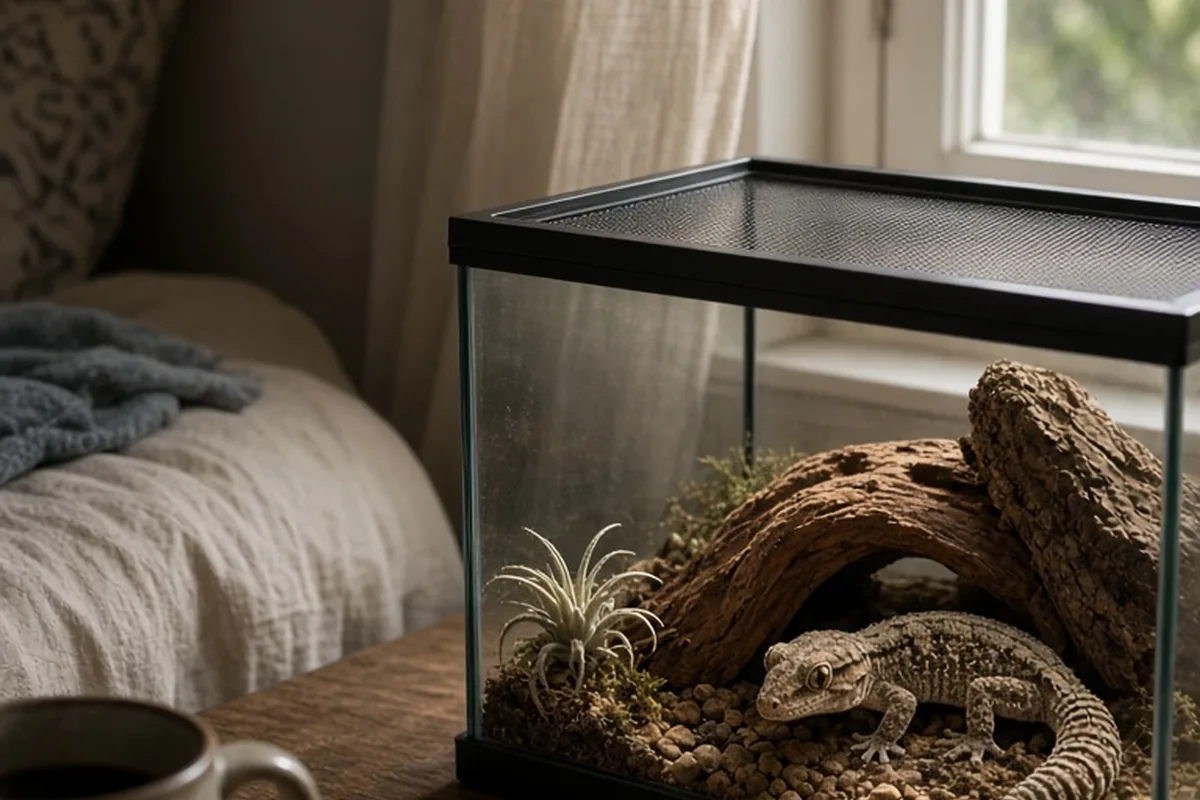
For most pet owners, choosing between a male and female African fat-tailed gecko comes down to reproductive health management. Both sexes share the same gentle, docile temperament when housed alone. Males grow slightly larger and avoid egg-related complications, while females do not risk hemipenal issues but may occasionally lay infertile clutches that require extra dietary calcium and careful monitoring.
African fat-tailed geckos (Hemitheconyx caudicinctus) are celebrated for their calm demeanor, slow movements, and expressive features, making them a favorite among both beginner and experienced reptile enthusiasts. When preparing to bring one home, prospective keepers often wonder whether a male or a female will make the better companion.
Temperament and Handling Differences Between Sexes
In many companion animals, sex plays a significant role in baseline behavior, territorial aggression, or trainability. With African fat-tailed geckos, biological sex has virtually no impact on how well an individual tolerates human interaction or settles into a domestic routine. Both males and females are naturally crepuscular, spending daylight hours resting inside humid microclimates and becoming active during dawn and dusk. When raised with consistent, low-stress handling sessions, both sexes show the same deliberate, docile curiosity that separates fat-tailed geckos from their more skittish cousins.
Behavioral variance in fat-tailed geckos is driven by genetics, early socialization, and enclosure stability rather than whether the animal is male or female. An individual gecko that feels secure within its habitat, has access to proper ambient thermal gradients, and is approached with gentle, open-handed techniques will thrive regardless of sex. Keepers should not select a male expecting greater boldness, nor should they choose a female expecting a sweeter disposition. If your primary goal is a calm, handleable pet reptile, both sexes stand on completely equal footing.
Physical Size, Proportions, and Anatomical Identification
While male and female fat-tailed geckos look remarkably similar at first glance, mature specimens exhibit subtle sexual dimorphism in body structure and vent anatomy. Adult males typically reach lengths of eight to ten inches and can develop a heavier, broader head structure and thicker neck profile. Females generally measure between seven and nine inches, often presenting a slightly more streamlined build. However, overall mass is heavily influenced by diet, hydration, and genetics, meaning an exceptionally robust female can easily outweigh a leaner male.
Definitive physical identification relies on examining the cloacal area on the gecko's underside once the animal reaches sub-adult maturity, usually around six to nine months of age. Males possess a distinct V-shaped row of enlarged pre-anal pores located just anterior to the cloacal vent, which secrete waxy substances used for territory marking in the wild. Additionally, males display prominent paired hemipenal bulges at the base of the tail just below the vent. Females lack these swollen bulges and feature much smaller, barely visible pre-anal pits that do not produce noticeable secretions.
Female Health Considerations and Egg Production
The most critical physiological factor when keeping a female fat-tailed gecko is the potential for follicular development and infertile egg laying. Even without contact with a male, mature female geckos can cycle seasonally in response to photoperiod and temperature shifts. Some females produce and reabsorb follicles silently, but others will build shelled, infertile eggs that they must eventually pass. This reproductive process places high metabolic demands on the gecko, draining stored calcium and fat reserves from her tail.
Keepers caring for female geckos must remain diligent about supplementation, ensuring regular dustings of high-quality calcium with vitamin D3 alongside multivitamin schedules. When a female is developing eggs, she may temporarily refuse food, become restless, or pace her enclosure seeking a suitable digging spot. Providing a dedicated lay box containing moist coconut coir or vermiculite is essential to help her oviposit comfortably. Without proper nesting conditions or adequate calcium levels, females face the risk of dystocia, commonly known as egg-binding, which requires prompt exotic veterinary care.
Male Health Considerations and Hemipenal Maintenance
Choosing a male fat-tailed gecko completely eliminates the biological risks associated with egg cycling, dystocia, and severe reproductive calcium depletion. For keepers who prefer a lower-maintenance physiological profile regarding seasonal breeding cycles, males offer substantial peace of mind. However, male anatomy introduces a different set of specialized health considerations focused around the cloaca and reproductive organs.
Male geckos have paired hemipenes housed within the tail base, which can occasionally develop complications such as hemipenal plugs or prolapse. Hemipenal plugs occur when secretions, shed skin, and debris accumulate within the cloacal pockets, causing discomfort, swelling, or potential infection if left unaddressed. Regular visual inspections during routine handling allow keepers to monitor the vent area for symmetry, redness, or retained shed. Maintaining proper ambient humidity between forty and sixty percent, alongside a humid hide with eighty percent humidity, significantly reduces the likelihood of these issues.
Housing Dynamics and the Strict Solitary Rule
A common misconception in reptile keeping is that female geckos benefit from living in pairs or small groups while males must live alone. In reality, African fat-tailed geckos are strictly solitary animals in their natural African scrubland habitats, crossing paths only briefly to mate. Housing multiple geckos together creates subtle, persistent social stress that often goes unnoticed by novice keepers until physical decline occurs.
Male geckos housed together will engage in violent, territorial fighting that leads to tail loss, severe bite wounds, and starvation. While two females may appear peaceful, their cohabitation dynamic is almost always characterized by silent resource guarding, where the dominant animal secures the optimal basking spot and primary humid hide, slowly causing chronic stress and immune suppression in the subordinate animal. Regardless of whether you purchase a male or a female, plan to provide a dedicated, independent twenty-to-forty-gallon enclosure for each individual animal.
How Incubation Temperatures Determine Sex in Young Geckos
African fat-tailed geckos exhibit temperature-dependent sex determination (TSD), meaning the ambient temperature at which the egg is incubated during embryonic development dictates the sex of the hatchling. Commercial breeders utilize precise incubation profiles to produce predominantly male or female clutches according to market demand. Eggs incubated at cooler temperatures (roughly eighty to eighty-three degrees Fahrenheit) yield mostly females, while eggs kept around eighty-eight to ninety degrees Fahrenheit produce predominantly males.
When purchasing a very young juvenile from a breeder, the sex is often described as temperature-sexed (TSF for temperature-sexed female, TSM for temperature-sexed male). While reputable breeders achieve high accuracy rates with commercial incubators, temperature sexing is not a one-hundred-percent biological guarantee. Fluctuations in ambient incubator temperatures can occasionally produce a male from a cool incubation cycle or vice versa. If securing a specific sex is essential for your long-term setup preferences, look for a sub-adult or adult gecko whose physical pores and hemipenal structures can be visually confirmed.
Choosing the Right Sex for Your Routine and Budget
Deciding between a male and a female fat-tailed gecko ultimately hinges on which care routine and potential veterinary realities align best with your comfort level. Neither sex is objectively superior, but each involves distinct management tasks over their fifteen to twenty-year lifespans. Clarifying your long-term husbandry capacity helps ensure a smooth, rewarding pet-keeping experience.
To decide which option best matches your individual preferences, consider how your care routine balances against these practical criteria:
- Choose a male if you want to completely avoid seasonal egg-laying cycles, nesting boxes, and the risk of reproductive egg-binding.
- Choose a male if you prefer a slightly stockier gecko with a broader cranial profile and heavier overall body presence.
- Choose a female if you prefer to avoid the possibility of cloacal plugs, hemipenal prolapses, or visible vent-area secretions.
- Choose either sex if you plan to keep a single, solitary companion in an appropriate enclosure and can commit to disciplined humidity and calcium management.
Frequently asked questions
Can I keep a male and a female fat-tailed gecko together as pets?
No, housing a male and female together outside of controlled professional breeding attempts is dangerous for the female. The male will relentlessly pursue mating, leading to chronic stress, physical trauma, and dangerous depletion of the female's nutritional reserves.
Do female fat-tailed geckos always lay unfertilized eggs?
Not all unmated females will lay infertile eggs. Many females reabsorb follicular material without producing hard-shelled clutches, but keepers should always maintain proper calcium supplementation and have a nesting box available just in case.
Are male fat-tailed geckos more aggressive toward their owners?
No, male fat-tailed geckos are not more aggressive toward humans than females. Aggression in males is strictly directed toward competing males of their own species, whereas their response to gentle human handling remains calm and tolerant.
At what age can you definitively tell the sex of a fat-tailed gecko?
Sex can usually be confirmed visually between six and nine months of age, or once the gecko reaches roughly thirty to thirty-five grams in body weight. At this stage, pre-anal pores and hemipenal bulges become distinctly visible on males.
Your next step
Assess whether you prefer monitoring calcium for potential female egg production or checking cloacal hygiene on a male, then select a healthy sub-adult gecko from a reputable breeder.