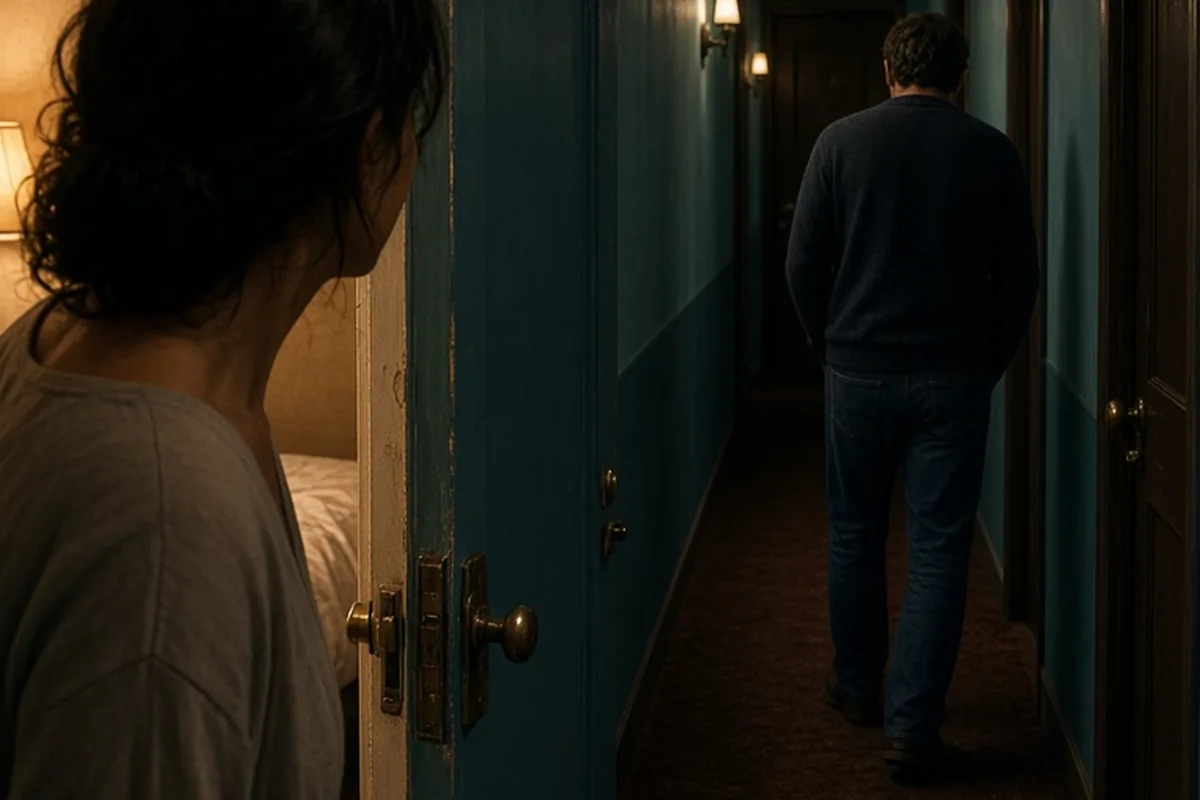
Signs your husband may be experiencing a decline in attraction include a persistent absence of spontaneous affection, avoidance of eye contact during intimate moments, minimal sexual initiation, creating deliberate physical separation at bedtime, and treating the relationship strictly as a domestic partnership. However, these behaviors often stem from underlying chronic stress, unresolved marital conflict, or personal health challenges rather than a permanent loss of physical desire for you.
Experiencing a growing emotional and physical distance from a spouse can feel deeply disorienting. When warmth, touch, and romantic interest fade, it is natural to question your desirability, yet understanding the root causes requires looking at both behavioral patterns and the broader context of your relationship.
Recognizing Physical Distance and Changes in Everyday Touch
A noticeable decline in non-sexual physical touch is often one of the earliest indicators of diminished physical or romantic attraction. In a connected marriage, spouses typically engage in routine micro-gestures of affection, such as a brief hand on the shoulder while passing in the hallway, a casual hug before leaving for work, or leaning in close while sitting together on the couch. When attraction wanes, these unprompted physical gestures often disappear entirely, or they may feel rigid and obligatory when initiated.
It is important to observe whether physical contact is merely forgotten during busy periods or actively avoided. For example, if your husband flinches, pulls back quickly from a kiss, or creates physical barriers like sitting in a separate chair rather than sharing the sofa, this signals an active discomfort with physical closeness. While occasional physical distraction is common in long-term relationships, a consistent pattern where casual touch feels unwelcome warrants thoughtful attention rather than dismissive rationalization.
The primary challenge when evaluating physical distance is avoiding constant surveillance. Tracking every gesture or absence of touch can create an environment of tension and hyper-vigilance, which often drives a partner further away. Instead of analyzing every individual interaction, look for long-term trends across several months to determine whether the physical detachment represents a temporary phase or an enduring shift in the dynamic.
Navigating the Shift Toward a Roommate Dynamic
When attraction diminishes, marriages frequently slide into functional roommate arrangements. Daily interactions become exclusively transactional, revolving around household chores, childcare logistics, work schedules, and financial management. While logistical teamwork is essential for running a home, a romantic relationship also requires personal curiosity, playful banter, and focused emotional engagement.
Consider how conversations unfold during moments of downtime. If your husband rarely asks about your emotional state, stops offering spontaneous compliments, or seems disengaged when you share personal stories, the romantic connection has likely taken a backseat. For instance, he might spend entire evenings engrossed in his phone, gaming, or watching television with minimal desire to interact beyond practical updates about tomorrow's schedule.
The trade-off here is recognizing that long-term stability naturally reduces early-relationship novelty. A shift toward functional domesticity does not automatically prove a total absence of attraction; it often reflects complacency. However, when domestic cooperation completely replaces romantic and physical connection, it indicates that the relationship needs active intervention to restore its romantic foundation.
Distinguishing Diminished Attraction from Stress and Health Issues
Before assuming that your husband's withdrawal is purely a reflection of his feelings toward your physical appearance, it is critical to consider external and biological factors. High workplace stress, financial anxiety, depression, and burnout are major contributors to low libido and emotional detachment in men. When someone is chronically overwhelmed, their neurological capacity for sexual desire and romantic energy is often severely suppressed.
Additionally, physical and hormonal shifts can dramatically alter a man's interest in physical intimacy. Fluctuations in testosterone levels, side effects from common medications such as antidepressants or blood pressure treatments, sleep apnea, and general fatigue can diminish sexual desire entirely. In these circumstances, the lack of initiation is not a targeted rejection of your attractiveness, but a systemic physical issue that impairs his overall drive.
The limitation of this perspective is that stress and medical factors cannot be used as an indefinite excuse for complete emotional abandonment. While health issues explain reduced libido, they do not prevent a partner from communicating openly or offering verbal reassurance. Identifying the difference between a medical hurdle and relational withdrawal requires honest, direct dialogue about what is occurring beneath the surface.
Avoiding Counterproductive Reactions to Perceived Rejection
Experiencing physical rejection from a spouse frequently triggers feelings of shame, anxiety, and resentment. In response, many individuals fall into behavioral traps that inadvertently worsen the situation. Common unhelpful reactions include demanding constant reassurance, making passive-aggressive remarks about his lack of interest, attempting to induce jealousy, or emotionally shutting down to punish the spouse.
These behaviors rarely reignite attraction because pressure and guilt are fundamentally incompatible with genuine desire. When a husband feels monitored, cornered, or obligated to show affection to keep the peace, any intimacy that does occur feels forced rather than authentic. For example, criticizing him for not looking at you often leads to defensive withdrawal rather than sincere warmth.
A more grounded approach involves pausing impulsive emotional reactions and focusing on personal composure. Maintaining your dignity and emotional stability prevents arguments from escalating into cycles of blame. By stepping back from frantic attempts to force closeness, you create the emotional space necessary for a productive, mature conversation about the state of the marriage.
Initiating a Direct and Calm Conversation About Intimacy
Addressing a lack of attraction requires a structured, neutral conversation outside the bedroom. Bringing up physical distance during moments of attempted intimacy or right before sleep often triggers defensiveness. Instead, choose a calm, private moment during the day when neither partner is rushed or exhausted, framing the discussion around connection rather than accusation.
When opening the dialogue, use clear, non-judgmental language that describes specific observations rather than broad character attacks. For instance, saying, 'I have noticed we have become quite distant physically and emotionally over the past few months, and I miss our romantic connection,' invites dialogue. In contrast, stating, 'You never touch me because you do not find me attractive anymore,' puts the other person immediately on the defensive.
Be prepared for uncomfortable responses, ranging from hesitance to difficult admissions about emotional disconnect or personal struggles. The goal of this initial conversation is not to solve every issue instantly, but to establish mutual clarity regarding where both partners stand and whether there is a shared willingness to address the underlying disconnect.
Rebuilding Mutual Attraction and Setting Personal Boundaries
Rebuilding romantic connection requires intentional effort from both partners, beginning with activities that foster novelty and emotional safety. Shared experiences outside the domestic routine, such as taking up a new hobby together, planning intentional dates without discussing household logistics, and practicing low-pressure non-sexual touch, can help reignite lost warmth over time.
At the same time, maintaining your own autonomy and self-worth is crucial. Investing in your personal passions, friendships, health, and career restores an internal sense of vitality that is independent of your spouse's immediate validation. When you cultivate confidence and self-respect, you engage in the marriage from a position of strength rather than desperation.
However, there must be realistic boundaries regarding how long an unaddressed disconnect can continue. If one partner consistently refuses to communicate, declines professional counseling, and shows no interest in working toward mutual intimacy, the other partner must evaluate what is healthy for their own long-term emotional well-being. A thriving marriage requires sustained, reciprocal investment from both individuals.
Illustrative Scenarios
Addressing Bedtime Avoidance with Open Dialogue
Claire noticed that her husband, Julian, began staying up late in his home office every night, coming to bed only after she had fallen asleep. Claire initially assumed that changes in her physical appearance after having children had caused him to lose attraction, leading her to feel resentful and insecure. Instead of continuing to drop passive-aggressive hints, Claire initiated a conversation on a Saturday morning, sharing how the bedtime routine felt isolating. Julian admitted he felt immense financial pressure from a recent job shift and was staying up to avoid confronting his own insomnia and feelings of inadequacy. Opening this dialogue allowed them to address his work stress directly and re-establish a shared evening routine.
Key point: Assuming the worst about your partner's motives often deepens isolation, whereas calm, direct communication can uncover hidden sources of emotional and physical withdrawal.
Breaking the Roommate Pattern Through Structured Change
Marcus felt that his wife, Jenna, had treated him like a domestic co-worker for over a year, with zero physical intimacy or personal affection. Marcus's initial reaction was to withdraw entirely, matching her coldness and spending weekends away from home. Recognizing that silent resentment was eroding their marriage, Marcus scheduled an uninterrupted conversation. He expressed his desire for a fulfilling romantic partnership and proposed seeing a marriage counselor to work through their emotional plateau. Jenna agreed, acknowledging that their routine had become stagnant. Through structured counseling sessions, they began rebuilding emotional intimacy and weekly date nights.
Key point: Matching emotional withdrawal with coldness reinforces distance, while clear standards and proactive solutions provide a constructive pathway forward.
Frequently asked questions
Does a lack of physical affection always mean my husband is no longer attracted to me?
No, a reduction in affection often stems from external pressures such as severe workplace stress, financial anxiety, depression, or hormonal imbalances. While it can reflect relational distance, it is rarely just about physical appearance. A calm and direct conversation is necessary to uncover the true underlying cause.
How can I bring up this issue without putting my husband on the defensive?
Choose a neutral time outside the bedroom when neither of you is tired or distracted. Use objective observations and 'I' statements that focus on wanting more connection rather than assigning blame. Expressing a desire for closeness encourages collaboration rather than defensive withdrawal.
What should I do if my husband refuses to acknowledge the distance in our marriage?
If your spouse denies there is an issue despite clear behavioral withdrawal, clearly state how the current dynamic affects your well-being. Suggest professional couples therapy as a neutral space to explore the relationship. If he continues to disengage, focus on your personal support system, self-care, and establishing healthy emotional boundaries.
Your next step
Schedule a dedicated, calm conversation this week outside of the bedroom to share your observations about your emotional and physical connection, and ask your husband for his perspective on how to move forward together.