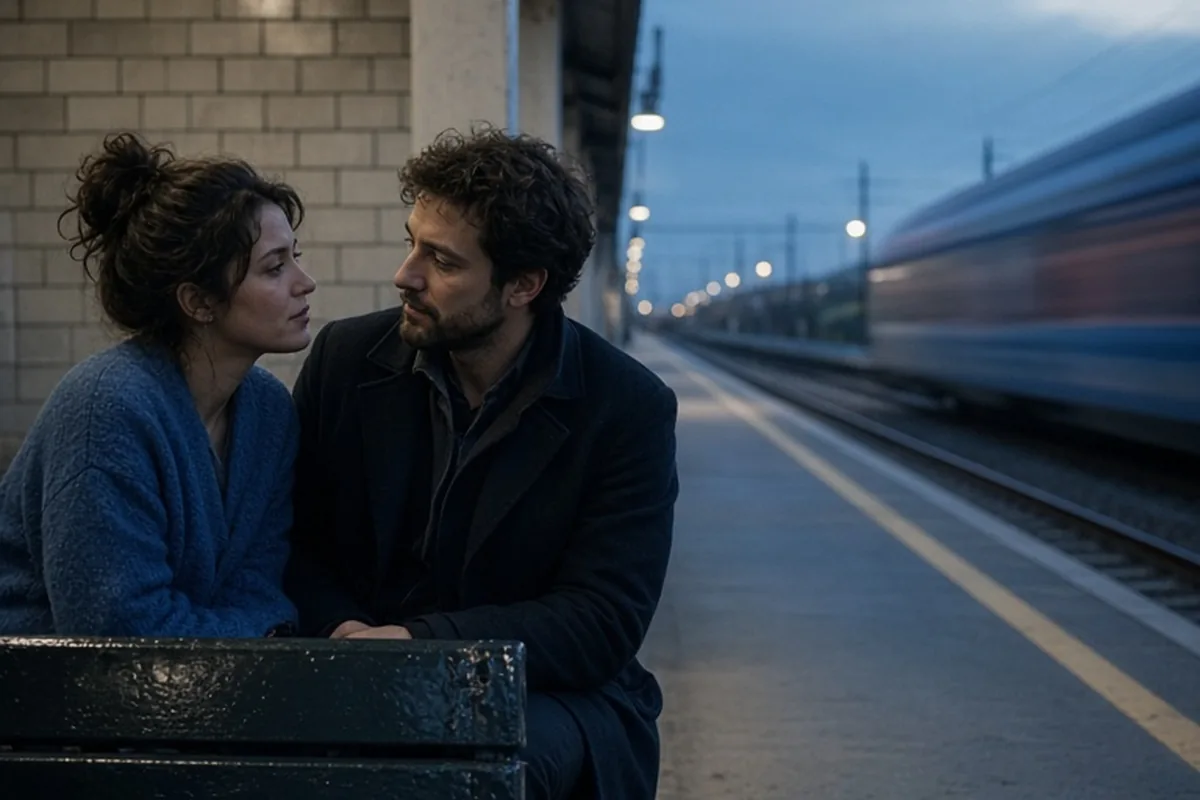
Worrying about being single forever usually reflects anxieties about loneliness, social stigma, or practical vulnerability rather than a lack of personal worth. A fulfilling solo life involves building reliable social circles, managing financial and legal plans independently, developing meaningful daily routines, and deciding whether romantic partnership is an active pursuit or an optional bonus.
The thought of spending the rest of your life without a romantic partner can evoke mixed emotions, ranging from profound anxiety about growing old alone to relief at maintaining complete personal independence. Cultural narratives often present couplehood as the default marker of adulthood and stability, making prolonged or permanent singlehood feel like a failure by comparison. However, examining what lifelong singlehood actually looks like in practice reveals that a solo life can be structured, connected, and deeply satisfying when approached with intention.
Untangling the Anxiety of Singlehood from Its Everyday Reality
The fear of remaining single forever rarely stems from the daily mechanics of living on your own; rather, it often emerges from catastrophizing what the distant future might look like. When people panic about lifelong singlehood, their thoughts typically leap directly to scenarios of extreme isolation, sickness without assistance, or feeling excluded from milestone-driven social gatherings. These fears are understandable, but they conflate the absence of a romantic spouse with the complete absence of community, care, and stability.
To break this cycle of dread, it helps to distinguish cultural scripts from your personal preferences. Society often teaches that security and companionship must come exclusively from a romantic partner, leading people to overlook the richness of platonic bonds, chosen families, and self-reliance. For example, if you enjoy your quiet evenings, control over your schedule, and independent decision-making, acknowledging those benefits helps reframe singlehood from a temporary deficit into a viable, sustainable way of living. Acknowledging this does not mean you must swear off dating; it simply removes the desperation that arises when you treat a relationship as your only lifeline.
Building a Robust Non-Romantic Support System
A healthy solo life does not mean existing in total self-reliance. Humans are social creatures who thrive on belonging, mutual aid, and intimacy, none of which are exclusive to romantic relationships. When you choose or expect to remain single long-term, investing deliberate energy into platonic, familial, and community networks becomes essential for emotional resilience.
Creating this support system requires moving beyond casual acquaintances toward reliable, reciprocal friendships. You might establish weekly dinner traditions with close friends, join neighborhood cooperatives, or cultivate intergenerational bonds through community organizations. For instance, organizing a regular check-in system with a trusted friend ensures that both of you have someone who notices if you are unwell or need a ride home from an appointment. The trade-off is that platonic community building takes ongoing proactive effort, as friends may marry or relocate, requiring you to continuously nurture and diversify your social ties.
Managing Financial Security and Long-Term Practical Planning
Single individuals navigate a world largely engineered around dual-income households and default spousal legal rights. From housing costs and tax brackets to emergency hospital decisions, managing life as a solo adult requires proactive financial and administrative planning to prevent practical vulnerability.
Securing your future involves establishing a dedicated emergency fund that covers several months of living expenses, since you lack a secondary household income to fall back on during job transitions or health disruptions. Additionally, completing estate planning documents—such as appointing a medical power of attorney, naming a durable power of attorney for finances, and drafting a clear will—ensures your wishes are honored by people you trust rather than left to default statutory designations. While managing all household expenses and planning solo can feel demanding, it also grants you complete autonomy over your investments, career choices, and retirement goals.
Creating Meaningful Rhythms and Personal Purpose
When your life is not structured around the needs of a romantic partner or children, you are presented with a vast canvas of personal time and freedom. While this autonomy is liberating, an absence of external structure can sometimes feel disorienting or lead to feelings of drift if not guided by your own core values.
Constructing a purposeful life involves identifying the activities, creative pursuits, and contributions that give your days a sense of weight and forward motion. This could involve pursuing demanding career goals, mastering a complex craft, dedicating time to local volunteering, or traveling with full flexibility. For example, dedicating weekends to restoring old furniture or mentoring young professionals can create enduring fulfillment that is entirely independent of your relationship status. The key is to design predictable, enjoyable daily and weekly rhythms so your living space feels vibrant and purposeful rather than empty.
Handling Social Stigma and Family Pressures
Even when you are content with your autonomy, outside social pressure can create friction. Well-meaning relatives, colleagues, and acquaintances frequently ask intrusive questions about dating or imply that singlehood is an unchosen misfortune that requires pity or fixing.
Managing these interactions requires firm, calm boundaries and an unwillingness to internalize others' discomfort with your lifestyle. Developing neutral, polite responses—such as stating that your life is full and you are content with your current path—allows you to deflect unsolicited matchmaking or patronizing commentary without becoming defensive. Recognizing that people often project their own needs for marital security onto you makes it easier to navigate family holidays and social events without feeling like an outsider.
Distinguishing Between Solitude and Chronic Loneliness
Solitude is the peaceful state of being alone and enjoying your own company, whereas loneliness is the distressing feeling of disconnectedness from others. Recognizing this distinction is critical for anyone contemplating or experiencing long-term singlehood, as solitude can be restorative while persistent loneliness requires active intervention.
When loneliness arises, treat it as a biological signal that your need for connection is unmet, much like thirst indicates dehydration. Rather than viewing it as proof that singlehood is unworkable, take practical steps to re-engage with your environment. This might mean working from a bustling coffee shop, attending a local book discussion group, or having an honest conversation with a friend about needing emotional connection. Developing healthy self-regulation habits—such as movement, sensory comfort, and structured hobbies—helps you process difficult feelings without spiraling into despair.
Keeping Romantic Options Open Without Pausing Your Life
Anticipating that you might remain single does not require you to make an irreversible vow against romance, nor does wanting a partner mean putting your personal aspirations on hold until someone arrives. Many people find peace by adopting an open yet unattached posture toward dating.
Living fully in the present means making significant life decisions—such as buying a home, adopting a pet, or taking a dream vacation—without waiting for a partner to share them with. If you happen to meet someone whose values align with yours and who enhances your life, you can welcome them into an already complete existence. If you do not, your life remains whole, secure, and self-directed. This approach protects you from settling for unhealthy partnerships out of panic while allowing you to enjoy genuine autonomy.
Frequently asked questions
Is it normal to worry that I will be single forever?
Yes, this worry is common because modern culture heavily reinforces romantic partnership as the primary measure of security and personal success. Experiencing this anxiety usually points to unmet needs for belonging, safety, or reassurance rather than an actual deficiency in your character.
How can I handle living alone as I get older?
Aging comfortably as a solo adult involves establishing legal directives, maintaining proactive financial planning, and cultivating a dependable local community. Building strong relationships with neighbors, friends, and service networks ensures you have practical assistance available whenever health or household needs arise.
Does accepting the possibility of being single mean I have given up on love?
No, accepting the possibility of staying single simply means you refuse to let your happiness depend on whether a romantic partner appears. It allows you to build a complete, rewarding life right now while remaining open to healthy connections that might develop naturally over time.
Your next step
Choose one concrete area of your solo life to strengthen this week—such as establishing a reliable emergency contact, scheduling a recurring social ritual, or setting up an automated savings plan—to build tangible confidence in your independence.