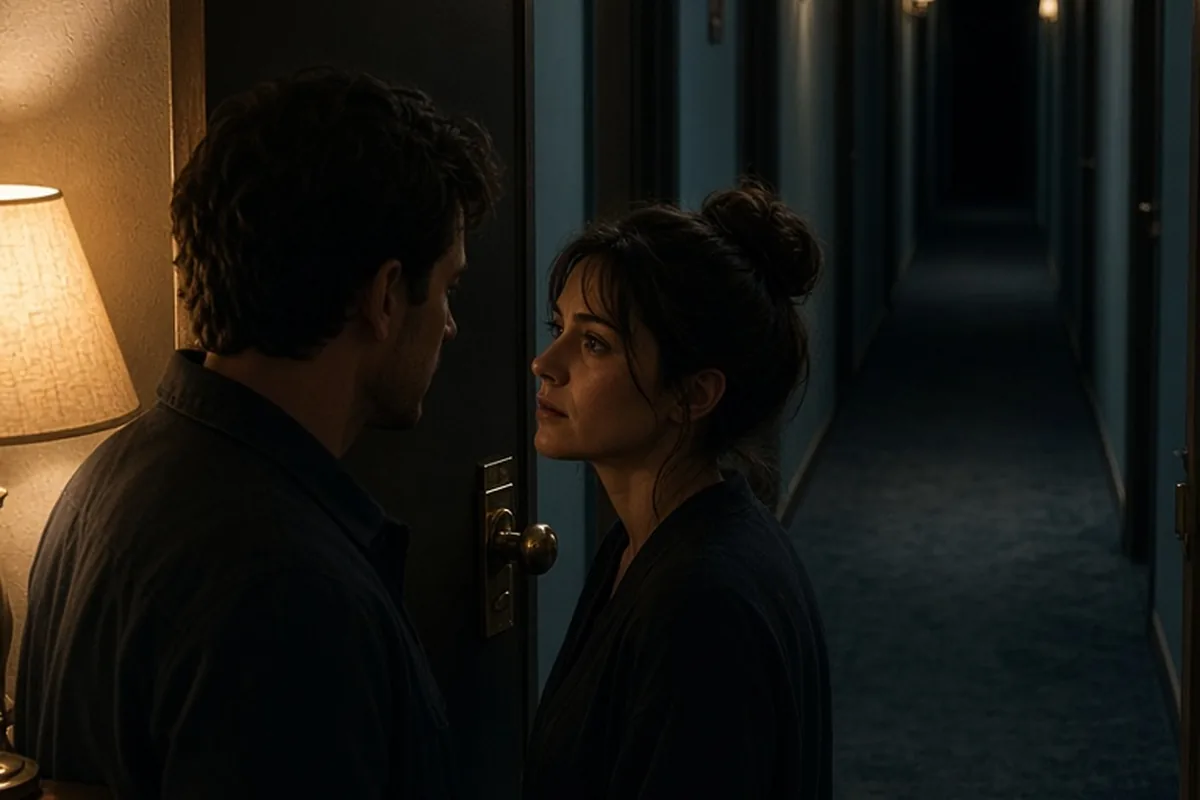
Choosing between being single and being in a relationship comes down to your current priorities, emotional capacity, and lifestyle goals. Singlehood offers total independence, flexible routines, and focused self-direction, while a healthy relationship provides deep emotional partnership, shared problem-solving, and mutual support. Neither status is inherently superior; the best choice depends on whether you currently thrive through personal autonomy or collaborative commitment.
Many people treat single life and committed relationships as opposing rungs on a rigid social ladder rather than two distinct ways of organizing emotional energy, daily habits, and long-term responsibilities. Recognizing how each path affects your time, stress levels, finances, and personal development helps you make intentional life choices based on where you are right now.
Autonomy, Daily Schedules, and Freedom of Choice
The most immediate difference between singlehood and a romantic relationship lies in how you govern your daily schedule. Single life provides unilateral decision-making. You decide when to sleep, what to eat, how to spend your weekends, and how to structure your living space without consulting another person. This autonomy simplifies personal logistics and allows you to adjust your routine on a whim, whether that means staying late at the office, traveling spontaneously, or spending an entire weekend in uninterrupted quiet.
In a partnership, personal autonomy shifts toward collaborative scheduling. While a healthy relationship always respects individual independence, shared living arrangements and mutual commitments naturally require regular communication, compromise, and advance planning. The trade-off is that you exchange complete flexibility for the warmth of shared experiences and predictable companionship. When both partners respect each other's personal space, coordination feels like teamwork rather than restriction, though it still demands ongoing effort that single life does not require.
Emotional Support, Companionship, and Handling Stress
Committed relationships often provide a built-in emotional safety net. Having a partner who knows your history, understands your anxieties, and shares your daily reality can significantly buffer against work stress, family crises, or personal setbacks. Knowing that someone is actively in your corner offers reassurance and reduces the psychological weight of facing difficult life events alone.
Single individuals, on the other hand, build resilience by cultivating distributed emotional networks. Rather than relying primarily on a romantic partner, single adults often turn to close friends, mentors, family members, or community groups for support. While organizing this support requires proactive outreach, it also protects you from depending on a single individual for all your emotional needs. The potential limit of singlehood is that you must consciously initiate connection during tough moments, whereas a partner is often physically present by default.
Financial Management and Resource Allocation
Financial dynamics change significantly between single and coupled living. Being in a dual-income relationship can create substantial economic advantages, such as splitting rent or mortgage payments, sharing household utility bills, and pooling savings for larger investments. However, managing joint finances requires aligned values, transparent discussions about spending habits, and shared long-term goals. Disagreements over debt, impulse purchases, or saving strategies are among the most common sources of relationship friction.
Living as a single person means bearing the full cost of housing and daily expenses, which can be challenging in high-cost areas. The corresponding benefit, however, is absolute financial sovereignty. Every budgeting decision, investment risk, and discretionary purchase belongs solely to you. You can choose extreme frugality or deliberate luxury without needing to justify your choices, seek permission, or manage someone else's financial habits.
Personal Growth, Self-Discovery, and Accountability
Singlehood is one of the most effective environments for establishing a clear sense of identity. When you live independently, your preferences, hobbies, career decisions, and ethical standards develop without being subtly shaped by a partner's approval or habits. This environment allows you to develop self-reliance, learn how to manage boredom, and figure out what genuinely brings you fulfillment outside of romantic validation.
A committed relationship fosters a different, equally valuable type of growth by serving as an interpersonal mirror. Close proximity to a partner reveals your communication blind spots, conflict habits, emotional triggers, and capacity for patience. Navigating disagreements and practicing repair in a relationship teaches compromise, vulnerability, and mature emotional regulation. The growth in a partnership comes from learning how to remain an individual while actively caring for another person's well-being.
Social Circles, Friendships, and Community Life
Your relationship status noticeably shapes how you interact with the broader social world. Single adults generally have more time and social energy to invest in wide, varied friendship circles, professional networks, and community activities. Because their evenings and weekends are not pre-allocated to a romantic partner, single people often serve as the social glue in their friend groups, organizing gatherings and maintaining long-term bonds.
Couples frequently consolidate their social calendars, dividing time between joint couple friends, extended family obligations, and shared domestic life. While this can create a warm, stable community of shared relationships, it carries the risk of couple insularity, where partners gradually drift away from individual friendships. Maintaining vibrant individual connections requires deliberate boundary-setting and mutual encouragement within a relationship.
Intimacy, Vulnerability, and Mutual Care
Romantic partnerships offer an avenue for ongoing emotional and physical intimacy built on accumulated trust, mutual vulnerability, and deep familiarity. Knowing someone deeply over months or years creates a space where you can share private thoughts, let down defensive guards, and experience physical affection without navigating the uncertainty of the modern dating landscape.
For single individuals, intimacy takes different forms, such as deep platonic friendships, strong family connections, and creative or community engagements. When single people pursue dating, intimacy often involves navigating new boundaries, mutual consent, and varying expectations. While dating can feel energizing and open to new possibilities, it also demands emotional energy to handle uncertainty, mixed signals, or rejection until a compatible match is found.
Evaluating Your Current Season and Choosing Consciously
Neither singlehood nor a relationship is a permanent moral achievement; each represents a season of life that serves different needs at different times. You might experience periods where career demands, personal healing, or intense creative projects make singlehood the most honest and functional choice. In other phases, you may have the emotional bandwidth, stability, and desire to build a shared life with a dedicated partner.
The key to satisfaction is intentionality. Remaining single out of unexamined fear of intimacy can lead to stagnation, just as rushing into a relationship out of loneliness or social pressure can lead to resentment. Evaluating your current emotional resources, daily capacity, and personal aspirations allows you to embrace your current status fully while staying open to natural transitions as your circumstances evolve.
Illustrative Scenarios
Navigating Autonomy While Launching a Career
Julian, a 30-year-old project manager launching a freelance consultancy, felt torn between wanting to date seriously and needing long, quiet evenings to build his client base. When he went on dates, he found himself distracted and guilty about the time spent away from his desk, which led to lukewarm interactions. After assessing his current season, Julian decided to step away from active dating for six months to focus fully on his work. Freeing himself from the obligation to search for a partner reduced his stress and allowed him to establish his business with complete focus.
Key point: Singlehood is a proactive, purposeful choice that provides the bandwidth needed during intensive personal or professional transitions.
Balancing Independence Inside a New Commitment
Elena, a 33-year-old graphic designer who had lived alone for five years, began dating a steady partner and worried that moving into a committed relationship would erase her cherished routines and personal space. Instead of pulling back defensively or over-accommodating, Elena had a clear, direct conversation about her need for dedicated solo evenings every week. Her partner welcomed the clarity, and they established a rhythm that balanced quality time together with uninterrupted personal projects.
Key point: A healthy relationship accommodates individual independence through clear communication rather than requiring you to surrender your personal identity.
Frequently asked questions
Is it healthier to be single or in a relationship?
Neither status is universally healthier. Health and life satisfaction depend on the quality of your relationships and your relationship with yourself. A supportive, low-conflict relationship provides distinct emotional benefits, but living as a contented single person is significantly healthier than remaining in a toxic, high-conflict, or unsupportive partnership.
How do I know if I am ready to transition from singlehood to dating?
You are generally ready when dating comes from a desire to share your life rather than an urge to fill an uncomfortable void or satisfy social expectations. Readiness is marked by having reasonable emotional stability, predictable time in your weekly schedule, and the willingness to communicate honestly and handle vulnerability.
Can someone be genuinely fulfilled staying single long-term?
Yes. Fulfillment comes from strong personal values, meaningful social connections, purposeful work, and self-care. Many people build rich, deeply satisfying lives by investing in close friendships, family ties, hobbies, and community involvement without ever needing a romantic partner.
Your next step
Take an honest audit of your current weekly routine, emotional bandwidth, and long-term priorities to choose the lifestyle that aligns with your present needs rather than external expectations.