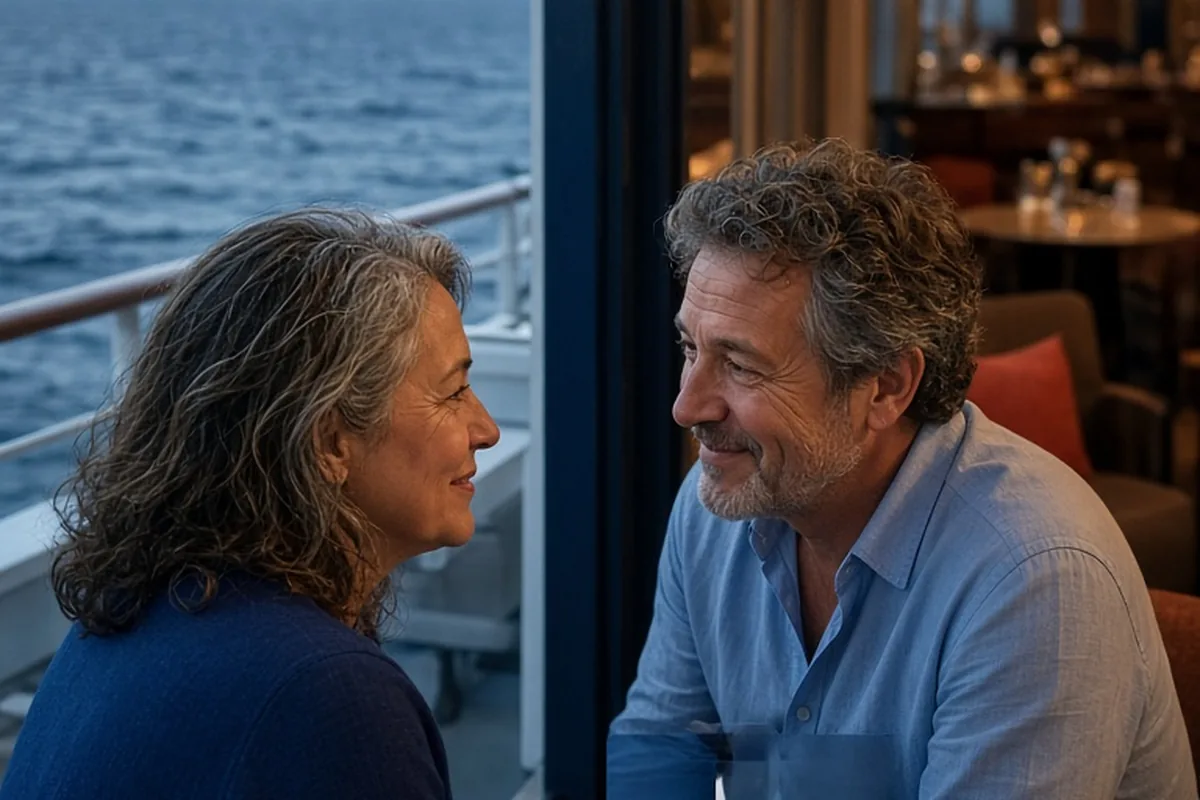
Singles cruises for adults over 50 generally fall into two categories: independently hosted singles group trips booked on mainstream ships, and solo travel directly through cruise lines that cater to mature adults. Hosted singles cruises offer dedicated group coordinators, private cocktail hours, and age-bracketed dining tables. Traveling solo on lines like Holland America, Norwegian, or river cruise operators provides structured solo meetups, studio cabins without single supplements, and a relaxed environment for meeting peers.
Taking a cruise as a single adult in your fifties, sixties, or beyond offers a distinct mix of independence and community. Whether your goal is romance, expanding your social circle, or simply seeing the world without paying double for an empty bed, understanding how the cruise industry approaches solo travelers will help you choose the right voyage.
Hosted Singles Groups Versus Mainstream Solo Cruising After 50
When planning a cruise as an unpartnered adult over 50, your first major decision is choosing between a private hosted singles cruise and standard solo cruising on a major line. Hosted singles cruises are organized by independent travel agencies that block out staterooms on major commercial ships. These agencies bring their own professional hosts to run private daily itineraries exclusively for their group members, which often include dedicated welcome parties, reserved dining room sections, private shore excursions, and structured icebreakers tailored to specific age cohorts such as 40-plus or 50-plus.
In contrast, standard solo cruising means booking directly with a cruise line as an individual passenger. Mainstream lines generally host daily unhosted or crew-assisted solo passenger meetups, typically held in an onboard lounge before dinner. While booking independently gives you full flexibility over your schedule and onboard spending, hosted groups remove the friction of introducing yourself to strangers in public venues. If you want guaranteed access to peers who are actively looking to socialize, a hosted group reduces ambiguity. If you prefer quiet leisure with the option to mingle casually, independent solo cruising is usually more economical and flexible.
Evaluating Cruise Lines for Solo Passengers Over 50
Different cruise lines curate distinct onboard cultures, which significantly impacts how comfortable and natural social interactions feel for mature singles. Norwegian Cruise Line is renowned for its dedicated Studio staterooms designed specifically for solo travelers. These accommodations eliminate the single supplement and grant keycard-only access to a private Studio Lounge, where solo guests can grab morning coffee, relax, and attend organized daily gatherings. Norwegian's casual, freestyle dining model allows solo travelers to request seating with other individual guests or dine alone whenever they prefer.
Holland America Line and Cunard offer a more traditional, refined atmosphere that appeals strongly to travelers in their fifties and older. Holland America runs an active Single Partners Program that pairs solo travelers for social mixers, trivia teams, and cocktail gatherings, along with offering fixed-seating dining options that seat solo passengers together every evening. Cunard provides single staterooms across its fleet and maintains traditional ballroom dance hosts on select transatlantic voyages. For travelers seeking a modern, child-free environment, Virgin Voyages offers dedicated solo cabins and structured social programming, though its vibrant nightlife and wellness-forward tempo cater to energetic travelers who enjoy interactive entertainment.
River cruising lines, such as AmaWaterways and Vantage Deluxe World Travel, present an intimate alternative to mega-ships. With passenger counts rarely exceeding two hundred guests, meeting fellow mature travelers happens organically in shared lounges and during included daily walking tours. Many river lines regularly waive single supplement fees during shoulder seasons, making them an appealing option for singles who prioritize cultural enrichment, scenic landscapes, and manageable ship sizes over large-scale entertainment venues.
Managing Single Supplements and Roommate Matching Programs
The cruise industry's standard pricing model calculates cabin fares based on double occupancy. When an individual occupies a standard cabin alone, cruise lines typically charge a single supplement fee ranging from 125 percent to 200 percent of the base double-occupancy rate. To avoid paying nearly double for your vacation, you can target purpose-built solo cabins, watch for promotional sailings with reduced or waived supplements, or utilize agency-backed roommate matching programs.
Roommate matching is commonly offered by specialized singles travel companies. Under this model, the agency pairs you with an unpartnered passenger of the same gender and approximate age bracket, allowing both individuals to pay the lower standard double-occupancy rate. If the agency fails to find a suitable match before final payment, they typically guarantee the cabin to you without charging the additional single supplement. While this approach produces substantial financial savings, it requires balancing lifestyle habits such as sleep schedules, snoring, and early morning routines. Weighing the trade-off between private space and budget savings is an essential first step when reviewing quotes.
Social Dynamics, Friendship, and Dating Realities at Sea
Dating expectations on singles cruises after 50 are generally much more grounded and diverse than the romanticized marketing suggests. While romance certainly occurs, a significant portion of participants join these voyages primarily to secure travel companions, make new friends who share their freedom to travel, or enjoy cultural excursions without navigating unfamiliar cities entirely alone. Entering a sailing with a relaxed mindset focused on general connection rather than an urgent search for a partner tends to yield a far more rewarding experience.
Shared dining tables represent the most natural social hub on any vessel. Choosing traditional fixed dining, where you sit with the same group of fellow solo travelers at the same time each evening, builds easy rapport over the course of a week without requiring constant self-introduction. If you participate in daytime shipboard activities such as trivia contests, cooking demonstrations, wine tastings, or pickleball tournaments, you will encounter recurring faces in low-pressure settings. Respecting personal boundaries, listening actively, and maintaining realistic expectations creates organic opportunities for genuine romantic or platonic connections.
Selecting the Best Itineraries and Ship Sizes for Midlife Singles
The length and destination of your cruise significantly shape the demographics of your fellow passengers. Shorter three-to-five-night weekend sailings to the Caribbean or Bahamas often draw a younger, party-oriented crowd or large multi-generational families. For adults over 50, seven-to-fourteen-night itineraries generally provide a demographic sweet spot, attracting seasoned travelers, professionals with flexibility, and retirees who value meaningful conversation and thorough destination exploration.
Destination choice also influences daily social opportunities. Port-intensive European river cruises, Mediterranean itineraries, and Alaskan voyages naturally bring passengers together through shared daytime excursions and dinner discussions about the day's sights. Transatlantic repositioning voyages and longer repositioning itineraries feature multiple consecutive sea days, which shifts the social focus to enrichment lectures, book clubs, fitness classes, and evening shows. Selecting an itinerary that matches your physical energy levels and intellectual interests ensures you share common ground with the passengers around you.
Preparation, Safety, and Communication Essentials for Solo Cruisers
Traveling independently requires straightforward safety and practical routines to ensure peace of mind throughout the trip. Before departure, establish a clear check-in plan with a family member or trusted friend on land, sharing your complete itinerary, ship contact information, and port arrival dates. Purchasing comprehensive travel insurance that includes emergency medical evacuation and trip interruption coverage is particularly crucial for solo travelers, as international medical transport costs can be substantial if an unexpected health issue arises at sea.
Onboard, solo travelers can maintain autonomy while staying connected. Take a photo of the ship's port agent contact details from the daily newsletter before disembarking in foreign ports, and always confirm whether ship time matches local port time to prevent missing the gangway. When socializing, practice standard travel awareness: keep track of your room keycard and beverages, decline invitations to private staterooms from people you have just met, and use the cruise line's onboard mobile app to coordinate with newly made friends without needing to share personal phone numbers immediately.
Illustrative Scenarios
Overcoming the First-Night Hesitation in the Dining Room
Mark, a 56-year-old widower, booked his first solo cruise on a mid-sized ocean liner. On the first evening, he hesitated outside the main dining room, worried that requesting a solo table would feel isolating while joining a shared table might lead to awkward conversation. Instead of retreating to the casual buffet, he approached the maître d' and asked to be seated at an open-seating shared table. He was placed with three other solo travelers over 50. Within twenty minutes, the group bonded over their favorite shore excursions, and they ended up coordinating group breakfasts and booking an island catamaran tour together later in the week.
Key point: Pushing past initial self-consciousness at standard communal venues like shared dining tables creates immediate, low-stress access to fellow solo passengers who share similar travel goals.
Navigating Misaligned Expectations in a Hosted Singles Group
Elena, 52, joined a hosted singles cruise group expecting structured dating events and high-intensity social interaction throughout the entire day. By day three, she felt drained by the continuous mixer schedule and noticed that several attendees were focused primarily on late-night bar crawling. Elena decided to skip two hosted cocktail hours to attend an onboard art lecture and enjoy quiet reading on the promenade deck. There, she met two other group members who felt equally overstimulated, and the three of them began coordinating quieter dinners and morning coffee meetups for the remainder of the sailing.
Key point: A hosted group provides social access, but you retain full agency to step back, manage your social stamina, and build smaller, more compatible circles within the larger group.
Frequently asked questions
Are singles cruises over 50 exclusively intended for dating and romance?
No, singles cruises for this demographic focus equally on camaraderie, shared travel, and personal independence. Many participants join to explore new destinations safely with peers rather than solely pursuing a romantic partner.
How can I avoid paying a 200 percent single supplement on a cruise?
You can avoid high supplements by booking solo studio cabins on lines like Norwegian Cruise Line, taking advantage of seasonal solo promotions on river and ocean lines, or utilizing agency-sponsored roommate matching programs.
Is it easy to find quiet time if I travel on a hosted singles cruise?
Yes. All hosted events, mixers, and group shore excursions are entirely optional. You are free to participate in as many or as few organized activities as you wish while enjoying ship amenities on your own terms.
What is the typical age range on a 50-plus singles cruise?
While targeted at travelers over 50, passenger ages generally span from early fifties to late seventies. Itineraries longer than seven days and premium cruise lines tend to attract slightly older, retired solo travelers.
Your next step
Determine whether you prefer an independently hosted singles group or a solo cabin on a traditional line, then check upcoming seasonal sailing schedules to compare single supplement waivers.