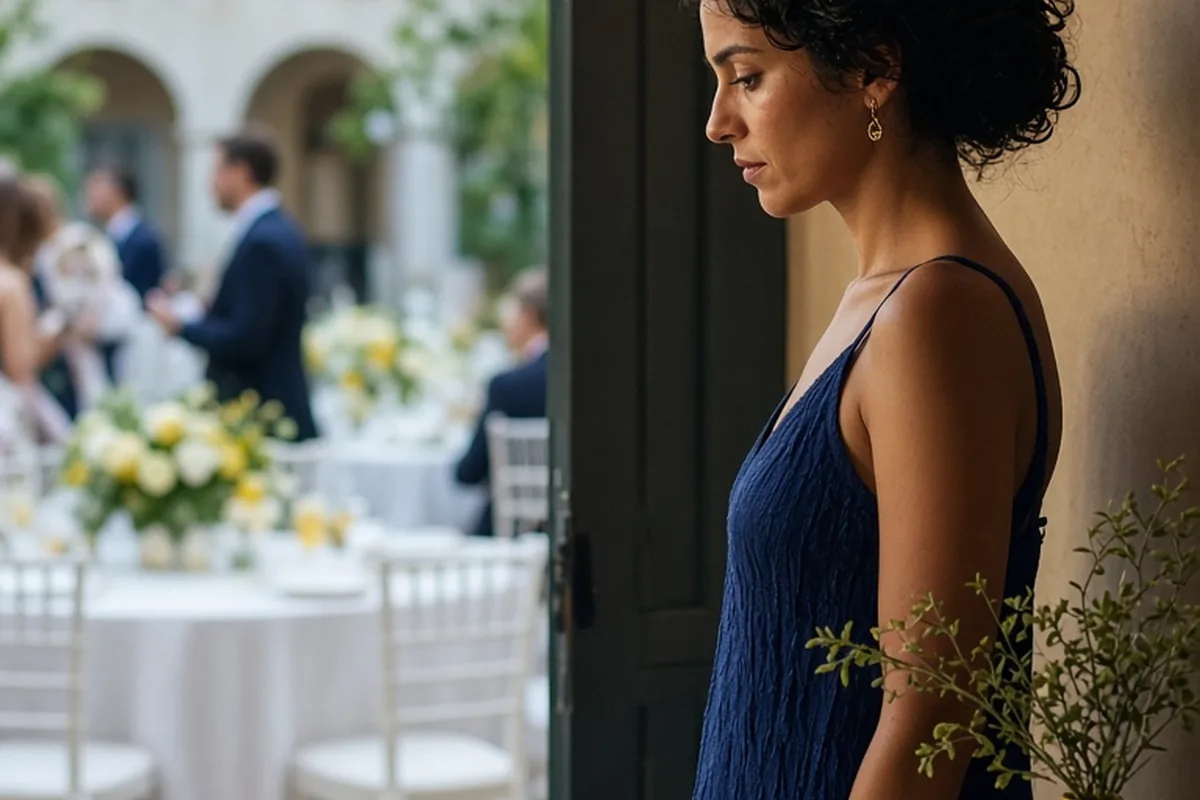
Attending wedding season as a single person often brings unwanted questions and social pressure, but you can navigate it comfortably by establishing personal boundaries and planning your schedule intentionally. Decide in advance how to answer inquiries about your dating life, decline optional events to protect your budget and energy, and focus on celebrating loved ones while enjoying social opportunities on your own terms.
Wedding invitations often arrive in clusters, bringing excitement alongside significant logistical, financial, and emotional demands. For single attendees, these multi-day gatherings can amplify social expectations, ranging from relentless matchmaking attempts to the awkwardness of navigating assigned seating alone. Approaching the season with a clear strategy allows you to participate fully in celebrating your loved ones while preserving your personal peace and autonomy.
Reframing Solo Attendance as an Opportunity for Independence
Attending a wedding solo frequently carries an unearned social stigma, creating anticipation of awkwardness that rarely matches reality. When entering a reception without an escort, many people worry they will appear out of place or spend hours lingering awkwardly at the edge of the room. In practice, arriving on your own offers distinct logistical and social freedoms that paired guests rarely experience. You maintain complete control over your schedule, arrival time, and departure time, without having to coordinate with or entertain a companion who may not know the other guests.
To make the most of this flexibility, focus on the social mobility that going solo provides. You can mingle across different friendship groups, catch up with acquaintances you have not seen in years, and leave the reception whenever your social energy wanes. A potential challenge is managing occasional waves of self-consciousness, especially during traditionally coupled segments like slow dances or bouquet tosses. Acknowledging that these feelings are normal allows you to step away for fresh air or chat with other solo guests rather than feeling pressured to perform constant enthusiasm.
Managing Family Matchmaking and Intrusive Questions
Family gatherings during celebration periods often turn single adults into targets for unsolicited matchmaking and personal inquiries. Well-meaning relatives, caught up in the romantic atmosphere, may view your relationship status as an open invitation to offer unsolicited life advice or propose sudden introductions. Understanding that these questions usually stem from cultural scripts rather than genuine critique can help reduce initial frustration, but it remains essential to protect your conversational boundaries.
Developing a concise, repeatable response prevents you from being cornered into uncomfortable discussions. A brief, lighthearted phrase like, 'I am focusing on my career and travel right now, but tell me about your recent vacation,' acknowledges the comment while immediately steering the dialogue toward neutral ground. If an acquaintance persists, a firmer boundary is appropriate: 'I prefer to keep my dating life private, but thank you for thinking of me.' The primary trade-off of polite redirection is that persistent relatives might try again later, which simply requires calm consistency rather than escalating defensiveness.
Deciding Whether to Use a Plus-One Invitation
Receiving an invitation with an open guest option presents a tactical decision: bring a date, invite a platonic friend, or attend alone. Bringing a casual romantic interest to a formal wedding introduces distinct risks. You become responsible for introducing them to your social circle and ensuring they have a good time, which can pull your attention away from celebrating the hosts. Conversely, bringing a close platonic friend can provide steady companionship and shared travel costs, provided the hosts are comfortable with non-romantic plus-ones.
Carefully evaluate the nature of the wedding before deciding. If you are deeply connected to the host circle and know dozens of guests, attending solo allows you to immerse yourself in the crowd without managing anyone else. If you know only the couple getting married, a trusted friend can offer social support throughout the evening. The trade-off of attending alone in an unfamiliar crowd is that you must proactively initiate conversations, whereas bringing a companion requires sharing your time and accommodating their preferences throughout the night.
Protecting Your Financial and Emotional Energy
The cumulative expense of wedding season can easily strain personal finances, especially when attending multiple events across consecutive months. Costs for formal attire, regional travel, accommodations, pre-wedding showers, and registry gifts add up rapidly. Single attendees bear these expenses entirely on their own, without the benefit of splitting hotel rooms or gift costs with a romantic partner. Financial stress can quickly overshadow the joy of the occasion if spending limits are not established early.
Create a comprehensive budget at the start of the season and prioritize events based on your closeness to the host. You are under no obligation to attend every secondary event, such as bachelor parties, bridal brunches, or out-of-town engagement dinners. Politely declining invitations to secondary celebrations allows you to focus resources on the main wedding day. If traveling out of town, consider reaching out to other solo friends to share lodging or transportation. Recognizing your limits early prevents burnout and resentment as the calendar fills up.
Handling Reception Logistics and Seating Dynamics
Seating charts remain one of the most unpredictable aspects of attending a wedding alone. Couples sometimes group all unattached guests at a single table, which can either foster lively camaraderie or feel slightly forced depending on the mix of personalities. Approaching the table with open curiosity rather than apprehension sets a positive tone for the entire dinner service. Engaging tablemates with open-ended questions about their connection to the hosts creates immediate common ground.
If you find yourself seated with a tight-knit group of strangers or paired couples who only speak among themselves, focus on enjoying the meal and observing the speeches without feeling pressured to dominate the conversation. Once dinner concludes, you have full freedom to circulate around the venue, visit the bar, or head to the dance floor. The limitation of a difficult table assignment is usually brief; modern receptions transition quickly to open socializing, where you can choose your company for the remainder of the evening.
Creating Personal Highlights Around the Event
Attending weddings in new cities or picturesque locations offers a prime opportunity to design an enjoyable personal itinerary outside the scheduled festivities. Rather than viewing the trip solely as an obligation to others, incorporate activities that bring you genuine relaxation and enjoyment. Booking an extra morning to explore local landmarks, visit a museum, or try a renowned restaurant transforms the weekend into a satisfying personal getaway.
When planning your downtime, build in quiet periods between high-energy social gatherings. If a wedding weekend includes a Friday welcome mixer and a Saturday evening reception, dedicate Saturday morning to rest, a quiet workout, or a leisurely breakfast by yourself. Balancing intense social engagement with intentional solitude ensures that you remain energized and present when celebrating the couple, turning what might feel like an exhausting obligation into a rewarding travel experience.
Frequently asked questions
How do I politely decline a wedding invitation when I am feeling overwhelmed?
Send your RSVP card promptly with a clear decline and a warm handwritten note wishing the couple well. You do not need to provide elaborate explanations or personal justifications; a simple statement that you cannot attend suffices. Sending a thoughtful card or a modest gift from their registry maintains the connection without compromising your schedule.
What should I say if someone asks why I came to the wedding alone?
Keep your answer brief, cheerful, and unbothered to signal that solo attendance is a normal, intentional choice. A reply such as, 'I came on my own so I could focus entirely on catching up with friends,' immediately redirects the tone. Moving the discussion to the venue, food, or music keeps the interaction comfortable.
How can I avoid feeling left out during couple-focused traditions like the bouquet toss?
You are completely free to step away from the dance floor during traditions that you prefer not to participate in. Visiting the dessert table, stepping outside for quiet conversation, or using the time for a quick break allows the moment to pass naturally without drawing attention. Engaging only with the activities you genuinely enjoy keeps your evening pleasant.
Your next step
Review your upcoming calendar to select your priority events, establish a firm spending cap, and memorize one simple boundary phrase to handle intrusive questions with confidence.