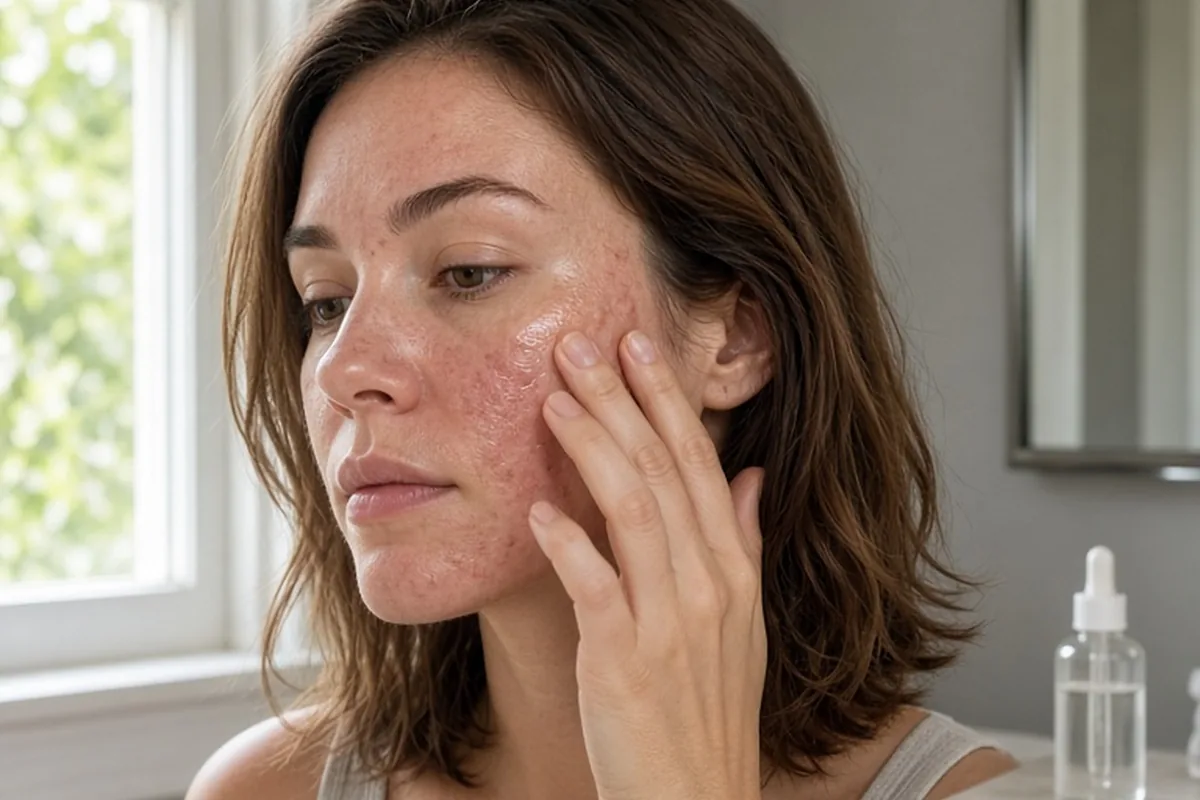
A successful skincare routine for acne and dry skin pairs gentle, barrier-supporting hydration with targeted, low-strength acne treatments. Start with a non-foaming hydrating cleanser, apply water-binding humectants like glycerin to damp skin, and use anti-inflammatory actives such as azelaic acid or low-percentage salicylic acid. Finish with a ceramide-based moisturizer and a nourishing broad-spectrum sunscreen to clear pores without causing flaking or tightness.
Treating breakouts when your skin is parched, tight, or visibly flaking can feel like an impossible balancing act. Most traditional acne products focus on stripping excess sebum, which quickly backfires on dry skin by compromising the protective lipid barrier and triggering more inflammation.
Cleansing Without Stripping Essential Lipids
Cleansing dry, acne-prone skin requires a delicate balance between lifting pore-clogging debris and preserving the skin's natural moisture barrier. Traditional acne washes often rely on aggressive sulfates and drying detergents designed for oily complexions, which strip away intercellular lipids. When dry skin loses these protective fats, microscopic cracks form in the stratum corneum, allowing irritants and bacteria to penetrate more easily. This triggers an inflammatory response that can actually increase the frequency and severity of breakouts while leaving your face feeling tight, rough, and uncomfortable.
To cleanse effectively without compromising hydration, opt for non-foaming gel, lotion, or cream cleansers that feature barrier-replenishing ingredients like ceramides, colloidal oat, or glycerin. Wash with lukewarm water rather than hot water, which dissolves protective surface oils and accelerates moisture loss. For example, if you wear sunscreen or makeup, you might use a gentle micellar water or a light squalane-based cleansing oil first, followed by a water-based hydrating wash. The limitation to keep in mind is that gentle cleansers cannot rapidly dry out active blemishes overnight, requiring you to rely on dedicated leave-on treatments rather than a harsh face wash to address congestion.
Hydrating the Skin Canvas with Humectants
Dry skin fundamentally lacks water and lipid content, meaning topical hydration must be actively replenished before applying concentrated treatments. When skin cells are dehydrated, the cellular turnover process slows down, leading to an accumulation of dead skin cells inside pores that binds with sebum to form microcomedones. By flooding the upper layers of the epidermis with water-binding humectants, you support natural desquamation, soften the skin surface, and create a resilient base that tolerates active treatments without burning or stinging.
Apply water-rich essences, toners, or serums immediately after cleansing while your skin remains slightly damp to maximize absorption. Key humectants to look for include glycerin, panthenol, sodium hyaluronate, and beta-glucan. For instance, patting on a simple watery serum containing glycerin and panthenol helps plump surface cells and calm background erythema before any medication touches the face. The main trade-off with humectant-rich products is that they cannot hold moisture in the skin on their own; in low-humidity environments, humectants left unsealed by a moisturizer can evaporate, taking natural water reserves with them.
Selecting Acne Actives That Respect Dry Tissue
Managing acne on dry skin requires a shift away from high-concentration drying agents toward actives that resolve congestion while offering anti-inflammatory benefits. High-strength benzoyl peroxide washes or alcohol-based salicylic acid astringents frequently induce widespread peeling, contact sensitivity, and deep redness in dry types. Instead, targeted actives that gently unclog pores and reduce redness allow you to treat inflammatory papules and closed comedones without destabilizing the skin barrier.
Azelaic acid at 10 percent concentration is often an outstanding choice for this dual challenge, as it suppresses acne-causing microbes, normalizes follicular shedding, and reduces inflammatory redness without stripping surface moisture. If you prefer beta-hydroxy acids, select a gentle 0.5 to 1 percent salicylic acid serum blended with soothing botanicals or hyaluronic acid rather than an aggressive 2 percent peel pad. For example, applying a thin layer of azelaic acid every other evening after a hydrating serum allows the active to work gradually without inducing visible flaking. A clear trade-off is that these gentler concentrations require consistent application over eight to twelve weeks to demonstrate visible clearing, demanding greater patience than rapid-drying alternatives.
Moisturizing Strategies to Seal Hydration Safely
People navigating acne often fear heavy moisturizers, but skipping or skimping on barrier creams leaves dry skin perpetually vulnerable. When dry skin remains unmoisturized, the compromised barrier slows down the healing of existing blemishes and prolongs post-inflammatory hyperpigmentation. The objective is to provide substantial emollient and occlusive protection using lipids that mimic the skin's natural structure without introducing comedogenic ingredients that settle into pores.
Look for medium-weight creams formulated with physiological lipids such as ceramides, cholesterol, squalane, and fatty acids, as well as skin-soothing agents like allantoin and bisabolol. A practical method for dry, sensitive skin is the sandwiching technique, where you apply a light layer of moisturizer, follow with your targeted acne treatment, and finish with a second thin layer of moisturizer to reduce irritation. For instance, using a ceramide-dominant cream containing squalane reinforces the skin barrier effectively without relying on heavy waxes or cocoa butter. A realistic limitation is that very dry patches might occasionally require heavier spot care, which must be carefully restricted to non-breakout zones such as the upper cheeks or around the mouth.
Choosing Sun Protection That Nourishes and Protects
Daily sun protection is non-negotiable when managing acne on dry skin, particularly because ultraviolet radiation degrades collagen, weakens skin barrier recovery, and turns minor breakout marks into persistent dark spots. However, many conventional acne sunscreens are formulated with high alcohol contents or ultra-matte finishes intended to control excess oil, which can cause dry patches to look powdery, accentuate flaking, and provoke stinging.
Opt for broad-spectrum formulas with an SPF of 30 or higher that carry a hydrating, dewy, or satin finish. Mineral formulas based on zinc oxide provide natural anti-inflammatory benefits that soothe sensitive, irritated blemishes, provided the formula is suspended in an emollient base rather than a chalky suspension. Alternatively, modern chemical filters formulated without drying alcohols or heavy fragrance can glide smoothly across dry patches without pilling. For example, an SPF 50 fluid containing hyaluronic acid and niacinamide can easily double as your daytime moisturizer, streamlining your morning steps. The drawback is that richer sunscreens may leave a noticeable shine, requiring a light dust of non-comedogenic translucent powder along the central forehead or nose if a dewy finish is not preferred.
Structuring a Balanced Morning and Evening Schedule
A practical routine must organize these components into a clear, repeatable rhythm that avoids sensory overload and chemical conflict. Trying to use multiple active treatments within the same application window is the most common reason people with dry skin experience irritation flare-ups. A well-paced schedule dedicates the morning to defense, hydration, and barrier support, while reserving targeted cellular renewal and anti-blemish treatments for specific evenings of the week.
In the morning, splash your face with lukewarm water or use a gentle hydrating cleanser, follow with a soothing humectant serum, and finish with your nourishing sunscreen. In the evening, perform a thorough gentle cleanse, apply your hydrating serum to damp skin, wait a minute for absorption, apply your chosen acne active, and seal everything with a ceramide cream. For example, you might schedule your active treatment every second or third night, leaving the alternate recovery nights dedicated purely to deep hydration and barrier repair. The trade-off with this structured pacing is that you must resist the impulse to spot-treat aggressively every single day, recognizing that slow and consistent barrier maintenance delivers clearer skin over time.
Frequently asked questions
Can dry skin cause acne breakouts to become worse?
Yes, chronic dryness compromises the integrity of your moisture barrier and leads to micro-fissures in the skin surface. This allows opportunistic bacteria to trigger localized inflammation more readily while impaired cellular turnover causes dry, dead skin flakes to combine with sebum and block pores.
How do I use a retinoid if my skin is naturally dry and peeling?
Begin with a low-strength formula like over-the-counter adapalene or encapsulated retinol applied once or twice per week over a thoroughly dried moisturizer. This buffer method slows penetration and significantly reduces redness and peeling while maintaining the clarifying benefits of the retinoid.
Should I skip my morning face wash if my skin feels very dry?
Rinsing with lukewarm water in the morning is often completely sufficient for dry skin types, as long as you cleansed thoroughly the night before. This preserves your natural protective lipids while still removing nocturnal sweat and surface dust before you apply daytime hydration and sunscreen.
Is salicylic acid safe to use on dry, acne-prone skin?
Salicylic acid is safe when used in low concentrations, such as 0.5 to 1 percent, and in formulas that contain moisturizing agents like glycerin. Limiting use to two or three evenings a week prevents excessive dryness while keeping pore linings clear of cellular debris.
Your next step
Choose one gentle hydrating cleanser and a ceramide-rich barrier cream to establish a steady moisture foundation for two weeks before introducing any active acne treatments.