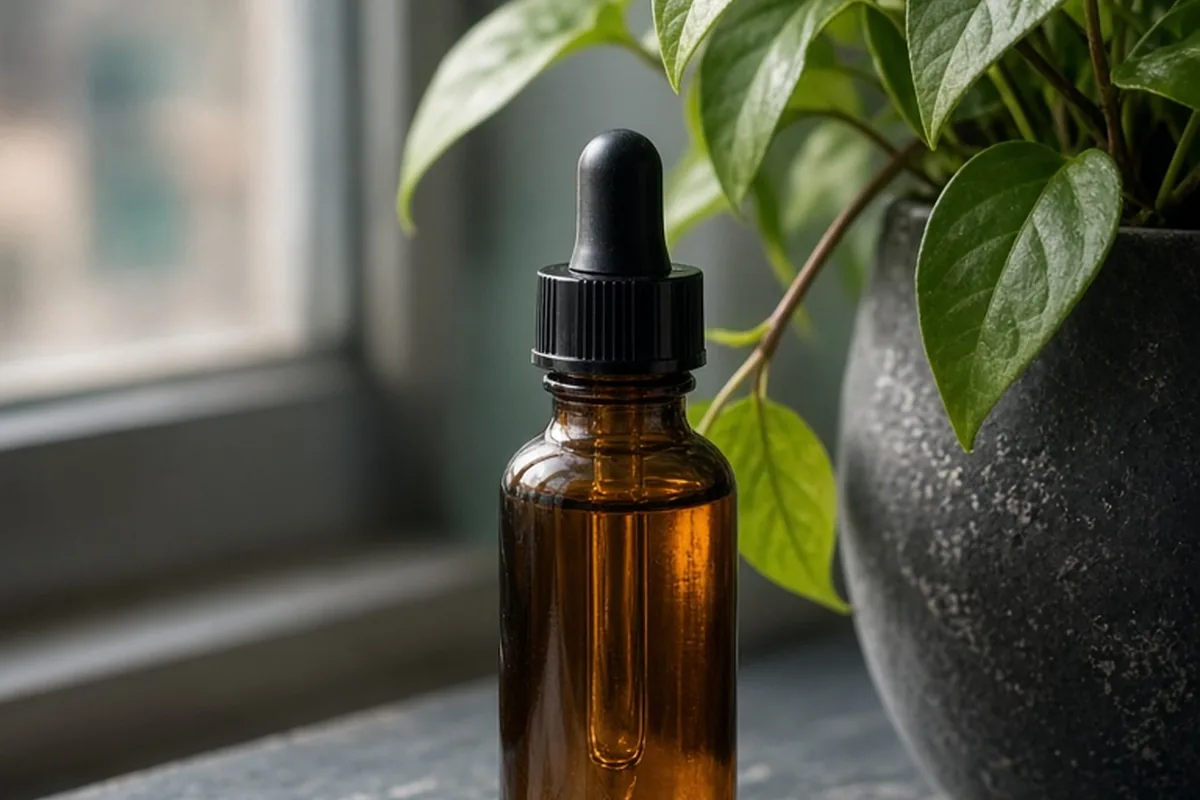
SkinCeuticals C E Ferulic dupes for beginners are affordable antioxidant serums combining vitamin C, vitamin E, and ferulic acid or gentler derivatives like sodium ascorbyl phosphate. Beginners should look for moderate concentrations between ten and fifteen percent, skin-soothing buffers like hyaluronic acid or panthenol, and airtight, opaque packaging to minimize irritation while preventing premature oxidation.
High-potency antioxidant serums have become a cornerstone of modern morning skincare routines, celebrated for neutralizing free radicals generated by UV exposure and pollution while visibly evening out skin tone. However, the original luxury benchmark formula comes with a steep price point and a low acidic pH that can occasionally trigger redness or purging in first-time users. Exploring budget-friendly alternatives allows newcomers to enjoy the protective and brightening benefits of topical antioxidants without compromising their skin barrier or overspending.
Understanding the Classic Vitamin C, E, and Ferulic Acid Blueprint
The standard established by the original SkinCeuticals formulation relies on a specific ratio of active ingredients: fifteen percent pure L-ascorbic acid, one percent alpha-tocopherol (vitamin E), and one-half percent ferulic acid. This particular combination became legendary because the botanical antioxidant ferulic acid stabilizes the notoriously fragile vitamins C and E while doubling their photoprotective efficacy. The formula is held at an acidic pH level below 3.5, which is necessary to allow pure L-ascorbic acid to penetrate the stratum corneum effectively.
While this formulation offers remarkable antioxidant synergy, its high acidity and direct potency can present challenges for beginners. Skin that is unaccustomed to direct acids may experience stinging, localized dryness, or mild redness upon application. Furthermore, pure L-ascorbic acid in aqueous solutions is inherently sensitive to light, heat, and oxygen, meaning that any alternative formula must carefully balance biological availability with structural stability.
How to Choose an Appropriate Formula as a Skincare Beginner
When shopping for an accessible alternative, beginners should evaluate active ingredient strength, the chemical form of vitamin C used, and the supportive conditioning agents present in the base. Selecting a product with twenty percent pure ascorbic acid on your first attempt often increases the likelihood of irritation without providing a proportionate increase in visible benefits. Starting with a concentration between ten and fifteen percent allows your skin to build tolerance comfortably over several weeks.
Another viable pathway for sensitive or reactive skin is choosing a formula built around stabilized vitamin C derivatives rather than raw L-ascorbic acid. Derivatives such as sodium ascorbyl phosphate, tetrahexyldecyl ascorbate, or 3-O-ethyl ascorbic acid convert into active ascorbic acid within the skin at a neutral, non-acidic pH. These variations offer a significantly gentler experience, though they may deliver results at a more gradual pace than pure acid formulations.
- Concentration level: Look for ten to fifteen percent L-ascorbic acid, or choose a stable derivative if your skin is prone to flushing.
- Supportive hydrators: Look for formulas enriched with panthenol, sodium hyaluronate, or centella asiatica to buffer against dryness.
- Protective packaging: Choose airless pump dispensers or UV-coated dark amber bottles that shield the liquid from light and air exposure.
- Minimal fragrance: Opt for fragrance-free preparations to reduce the risk of secondary contact sensitization.
Popular Product Types and Formulation Styles on the Market
The market for vitamin C alternatives generally splits into three main categories: direct water-based dupes, gentle derivative serums, and anhydrous suspensions. Direct water-based alternatives closely mirror the original liquid texture and ingredient percentages, using pure L-ascorbic acid stabilized with ferulic acid and tocopherol. These lightweight liquids absorb almost instantly, making them ideal for normal to oily skin types looking for traditional photoprotection beneath daily sunscreen.
Gentle derivative serums and lipid-soluble formulations use modern vitamin C molecules suspended in hydrating or oil-based carriers. These formulas are inherently more shelf-stable and rarely turn orange in the bottle over time. Anhydrous or silicone-based suspensions suspend raw ascorbic acid powder without water, preventing oxidation entirely until applied to the face, though their heavier texture can occasionally pill beneath certain moisturizers or sunscreens.
- Direct aqueous dupes: Best for normal and combination skin desiring the classic, fast-absorbing Duke-style antioxidant profile.
- Derivatives and lipid blends: Best for sensitive, reactive, or dry skin requiring a non-acidic pH and extended shelf life.
- Anhydrous suspensions: Best for value-conscious users prioritizing extreme formula longevity who do not mind a grittier or heavier finish.
Step-by-Step Guide to Adding Antioxidant Serums to Your Routine
Introducing an antioxidant serum requires a deliberate, step-by-step approach to avoid overwhelming your moisture barrier. Begin by performing a patch test on your inner forearm or behind your ear for twenty-four hours to check for allergic reactions or pronounced redness. Once cleared, incorporate the product into your morning routine just two to three days per week on non-consecutive days, gradually increasing frequency to every morning as your skin adapts.
To apply the serum correctly, cleanse your face with a gentle, non-stripping cleanser and pat your skin completely dry. Applying pure L-ascorbic acid to damp skin can accelerate acid penetration and heighten stinging. Dispense four to five drops across your face and neck, allow thirty to sixty seconds for absorption, and follow with your preferred basic moisturizer and a generous layer of broad-spectrum SPF 30 or higher.
Combining Your Antioxidant Serum Safely with Other Ingredients
Antioxidant serums excel when paired with complementary morning skincare staples like hyaluronic acid, glycerin, and daily broad-spectrum sunscreen. The synergy between topical antioxidants and UV filters is particularly valuable, as antioxidants help neutralize environmental free radicals that slip past physical or chemical sunscreen barriers throughout the day. You can also safely use niacinamide alongside modern vitamin C formulas without neutralizing either ingredient.
However, caution is warranted when handling other potent actives. Avoid layering pure L-ascorbic acid serums directly on top of or beneath strong chemical exfoliants such as glycolic, salicylic, or lactic acids, as stacking multiple acidic steps can provoke irritation and barrier peeling. Similarly, reserve prescription retinoids, retinaldehydes, and high-strength benzoyl peroxide for your evening routine rather than mixing them with your morning antioxidant.
Setting Realistic Timelines and Recognizing Signs of Oxidation
Setting realistic expectations helps prevent unnecessary product hopping. While topical antioxidants provide immediate environmental defense against oxidative stress, visible changes in hyperpigmentation, post-acne marks, and overall luminosity typically require six to twelve weeks of consistent daily application. Cellular turnover takes time, so patience and regular daily sun protection are essential companions to any brightening regimen.
Monitoring product degradation is equally vital when using affordable L-ascorbic acid alternatives. Fresh serums typically range in color from completely clear to a faint pale straw or light champagne tint. As the formula encounters air and light, it naturally oxidizes into dehydroascorbic acid, turning dark amber or muddy brown and developing a sharp, metallic odor. Once an aqueous serum darkens significantly, its antioxidant efficacy drops markedly, and using it may cause temporary surface staining on pores.
- Weeks one to three: Skin adjusts to the formula; subtle hydration and environmental defense are established.
- Weeks four to eight: Gradual improvement in overall skin clarity and fading of recent superficial discoloration.
- Weeks nine to twelve: Visible softening of stubborn sun spots and noticeably more balanced skin tone.
- Storage tip: Keep your bottle tightly capped inside a dark medicine cabinet, enclosed drawer, or cosmetic refrigerator to extend shelf life.
Important Questions to Ask a Dermatologist Before Starting
While over-the-counter antioxidant dupes are widely accessible, consulting a board-certified dermatologist is strongly recommended if you manage underlying skin conditions like rosacea, active eczema, or moderate-to-severe cystic acne. Highly acidic formulations can flare vascular flushing in rosacea-prone skin or sting severely across compromised, cracked barrier areas. A medical professional can help identify whether your skin is better suited for direct acid formulations or gentle lipid derivatives.
When meeting with a healthcare provider, bringing your full routine—including cleansers, exfoliants, and prescription topicals—ensures you receive personalized guidance. A dermatologist can help structure your weekly schedule, ensuring your active ingredients complement each other without compromising your skin's defensive lipid matrix.
- Which specific vitamin C derivative or concentration aligns best with my skin type and current barrier health?
- How should I coordinate my morning antioxidant application with my evening prescription topicals or acne medications?
- What specific warning signs of barrier impairment should prompt me to discontinue use immediately?
Illustrative Scenarios
Illustrative Scenario: Transitioning from Sensitive Skin to Daily Antioxidant Use
A composite scenario involves an individual with combination skin who previously experienced redness when trying high-strength active serums. Instead of purchasing an expensive twenty percent formula, they opted for an affordable fifteen percent L-ascorbic acid and ferulic acid dupe packaged in an opaque airless pump. They began by applying three drops to dry skin every third morning after a gentle wash, immediately following with a ceramide-rich moisturizer and mineral sunscreen. After four weeks without tingling or dryness, they shifted to every other morning, ultimately reaching daily use by week eight while storing the bottle in a cool, dark drawer to preserve its pale color.
Key point: Gradual introduction, deliberate buffering with a simple moisturizer, and selecting stable packaging allow beginners to build tolerance to active antioxidants without triggering irritation.
Frequently asked questions
Can I use an affordable vitamin C dupe every single day?
Yes, most people can eventually use an antioxidant serum every morning once their skin develops tolerance. Beginners should start by applying it two to three times a week on non-consecutive days before increasing to daily application. If you experience persistent dryness, tightness, or redness, scale back your frequency to allow your moisture barrier to recover.
Why does my budget vitamin C serum smell like hot dogs or metal?
The distinct scent commonly associated with C E ferulic formulas is caused by the interaction between ferulic acid and pure L-ascorbic acid in an acidic water base. This natural aroma is normal for freshly made, unfragranced formulas and does not mean the product has spoiled. However, if the scent turns rancid and the liquid shifts from pale yellow to deep brownish-orange, the product has oxidized and should be replaced.
Do I need to keep my vitamin C dupe in the refrigerator?
Refrigeration is not mandatory, but storing pure L-ascorbic acid serums in a cool, dark environment like a refrigerator can significantly slow down oxidation. If you prefer keeping it in your bathroom, ensure the cap is tightly sealed after every use and store it away from direct sunlight, humidity, and heat sources.
Should I apply vitamin C serum in the morning or at night?
Antioxidant serums are most beneficial when applied in the morning because they neutralize environmental free radicals and boost photoprotection when layered underneath sunscreen. While using them at night is harmless, reserving morning hours for antioxidants allows you to dedicate your evening routine to restorative ingredients like retinoids or barrier-repairing ceramides.
Your next step
Choose a moderate ten to fifteen percent antioxidant formula in protective packaging, patch test for twenty-four hours, and introduce it two mornings a week beneath your favorite daily sunscreen.