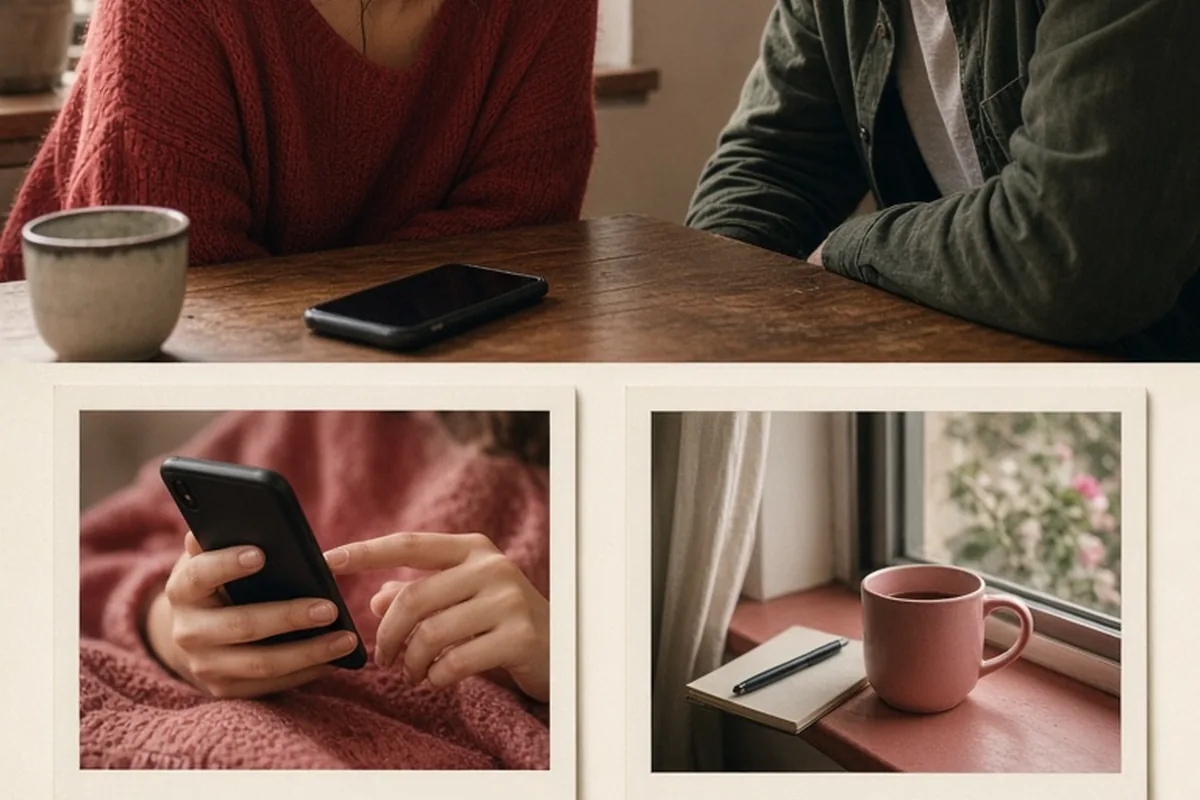
Sliding into DMs means sending a direct, private message on a social media platform to someone you are interested in romantically, socially, or professionally. Done well, it is a respectful, low-pressure way to start a conversation based on shared context, such as a mutual interest, an insightful reply to a public story, or an engaging observation, rather than a generic greeting or unsolicited personal comment.
Digital communication has reshaped how people make first contact, turning direct messaging into a primary avenue for casual introductions, dating, and networking. While sending a private message can feel convenient, it often carries social ambiguity and emotional stress regarding timing, etiquette, and personal boundaries.
Understanding the Context and Assessing Receptivity
Before sending a private message, assessing whether the other person is likely open to direct contact prevents awkwardness and respects personal boundaries. Direct messaging exists on a spectrum between public interaction and private communication. If you have had no prior interaction with the person, jumping immediately into their inbox can feel sudden or intrusive. Taking time to notice whether you share mutual connections, participate in the same online communities, or have interacted in public comment sections provides valuable context for how a private message might be received.
Receptivity also depends on how the individual uses their platform. A personal, locked account with a small following signifies a tighter boundary around privacy, whereas a creator or public profile often welcomes community discussion but filters incoming requests heavily. Look for organic touchpoints before reaching out. For instance, if someone frequently posts about local cycling routes and you also ride, a shared hobby offers a natural conversational bridge. However, relying solely on public signals has limits; an active social media presence does not automatically mean an open invitation for dating inquiries, so caution and respect should guide your initial approach.
Crafting a Natural and Low-Pressure Opener
The most effective direct messages are specific, contextual, and easy to answer without placing conversational burdens on the recipient. Generic greetings like a lone 'hey' or 'what's up' often go unread because they require the recipient to do the heavy lifting of establishing a topic. Similarly, overly intense compliments or unsolicited remarks about physical appearance can make people feel objectified or uncomfortable. A strong opening message anchors itself in something observable, such as a recent post, a shared interest, or a thoughtful question that invites a relaxed response.
For example, replying directly to an ephemeral story or temporary post is often the least intrusive method because stories are naturally designed for interaction. If someone shares a photo of a niche coffee shop or an art exhibit, asking a genuine question such as 'I have been meaning to check that place out, would you recommend their pour-over?' creates an effortless entry point. The trade-off with story replies is that they are brief and can be easily missed if the person receives high message volume, but they carry far less pressure than an unprompted, long introductory paragraph.
Navigating Boundaries and Digital Etiquette
Clear digital etiquette protects both parties from discomfort and establishes a foundation of mutual respect. Direct message requests can sometimes trigger stress or vigilance, particularly for women and marginalized groups who regularly receive aggressive or inappropriate messages online. Maintaining polite, respectful language and avoiding any double entendre or invasive personal questions signals that you are safe to converse with. Consent in digital spaces is continuous; someone accepting your initial message does not obligate them to engage in prolonged or intimate conversation.
A critical rule of messaging etiquette is to respect private channels across different platforms. Direct messaging someone on professional networks like LinkedIn for dating purposes breaches platform norms and creates legitimate discomfort. Keep romantic or casual social inquiries to platforms where casual socializing is standard, such as Instagram or dating apps. Furthermore, avoid sending multiple follow-up messages if your initial attempt receives no reply. Double-texting an unread message request often transforms a minor, neutral situation into an uncomfortable experience for the recipient.
Managing Message Anxiety and Expectations
Sending a direct message often triggers a surge of emotional stress while waiting for a notification or reply. It is common to interpret an unread message, a read receipt without an answer, or a delayed response as a personal rejection. However, social media inboxes are erratic environments where messages get buried under spam, notifications get muted, or people simply step away from their screens to attend to their offline lives. Decoupling your self-worth from an online response rate is essential for maintaining emotional balance.
To manage this anxiety practically, adopt a 'send and detach' mindset. Once you hit send, direct your attention back to your daily routine, work, or hobbies rather than repeatedly refreshing the platform. Recognize that an unopened or unanswered direct message simply reflects a lack of availability or interest in digital interaction at that moment, rather than a definitive statement about your value. Acknowledging that not every outreach leads to a conversation allows you to approach the process with calm neutrality.
Reading Digital Cues and Navigating Responses
When someone replies, paying close attention to tone, enthusiasm, and reciprocal effort reveals how to proceed. A productive digital conversation features balanced energy, where both people share details, ask questions, and contribute equally to the momentum. If the recipient answers your question with detailed thoughts and follows up with an inquiry of their own, it indicates genuine conversational engagement. In this scenario, continuing the dialogue naturally while staying attentive to pacing helps build comfortable rapport.
Conversely, brief one-word answers, closed statements that leave no room for follow-up, or multi-day delays without context are clear digital cues signaling minimal interest. If you ask a thoughtful question and receive only a brief 'Yeah' or a generic emoji reaction, avoid forcing the dialogue forward with endless questions. Gracefully letting the conversation taper off demonstrates emotional intelligence and respect for their time. Recognizing disinterest early saves you emotional energy and preserves dignity on both sides.
Transitioning from Social DMs to Deeper Connection
If a direct message exchange flourishes into a consistent, enjoyable dialogue, the next step involves moving the connection beyond casual social media messaging. Remaining in a social media inbox for too long can trap the connection in a superficial loop where interactions consist purely of reacting to posts or sending memes. Once a comfortable flow is established over several days or a couple of weeks, offering a low-stakes invitation to move to a phone call, voice notes, or an in-person meeting creates forward momentum.
When suggesting a transition, keep the phrasing open-ended and low-pressure so the other person feels entirely comfortable declining or proposing an alternative. You might say, 'I have really enjoyed our conversations here. If you are open to it, I would love to grab a coffee this weekend, or we can exchange numbers if that is easier for you.' This approach respects their agency while clearly communicating your interest. If they prefer to remain chatting on the platform for a while longer, accept that preference without hesitation or resentment.
Frequently asked questions
What is the best type of message to send when sliding into someone's DMs?
The most effective message is a contextual reply to a public story or post that references a shared interest or asks an easy, open-ended question. Avoid generic greetings like 'hey' or unsolicited compliments on appearance, as these place conversational pressure on the recipient.
How long should you wait before assuming someone is not interested in replying?
If someone has not replied after forty-eight to seventy-two hours, it is best to assume they are either busy or not interested and let the interaction go. Avoid sending follow-up messages or asking why they have not replied, as this can feel intrusive.
Is it appropriate to slide into someone's DMs on professional platforms like LinkedIn?
No, using professional platforms for dating or casual personal inquiries violates platform norms and can make the recipient feel uncomfortable in their work environment. Reserve casual social outreach for standard social platforms where personal networking and leisure are expected.
Your next step
Choose one specific, shared interest or recent post from the person you wish to contact, draft a brief, respectful question that invites an easy reply, and send it with the mindset of completely letting go of the outcome.