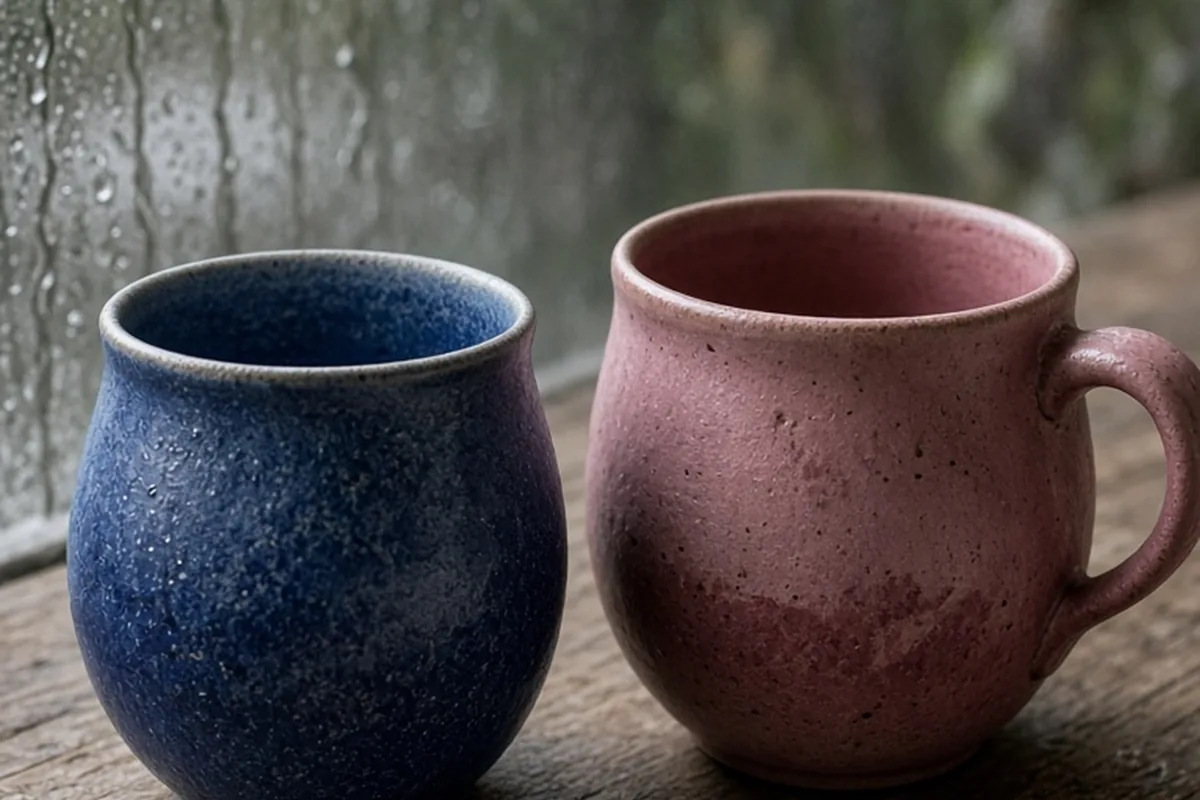
Soothing water quotes capture the quiet resilience, adaptability, and steady calm that natural bodies of water model for us. By highlighting water's capacity to flow around obstacles, settle into stillness, and carve pathways through persistence rather than brute force, these reflections offer practical mental anchors for navigating personal overwhelm, emotional fatigue, and periods of turbulent change.
When daily obligations create mental friction, turning to the natural rhythms of rain, meandering streams, and the open sea can break the grip of rumination. Contemplating water invites a gentle cognitive pause, reminding us that sustained force is rarely the only path to resolution.
Finding Flexibility Through the Philosophy of Flow
Rigidity is one of the quickest routes to emotional exhaustion. When plans fall apart or people act unpredictably, digging in our heels often creates more internal suffering than the disruption itself. The ancient philosopher Lao Tzu captured the strength of yielding in the Tao Te Ching, observing that water is fluid, soft, and yielding, yet it will wear away rock, which is rigid and cannot yield. Centuries later, martial artist Bruce Lee modernized this insight with his famous counsel to empty your mind, be formless and shapeless like water. When water enters a cup, it becomes the cup; when it enters a teapot, it becomes the teapot. Water can flow, or it can crash.
Embodying this fluid mindset does not mean relinquishing boundaries or letting life push you around. Rather, it represents psychological flexibility: acknowledging reality as it currently presents itself instead of fruitlessly arguing with what has already occurred. For example, if a long-anticipated project suddenly gets canceled, an instinctive reaction is frustration and bitter resistance. Shifting into a fluid state means asking how your energy can gently redirect into an adjacent channel. The trade-off is that yielding requires relinquishing the illusion of control, which can initially feel uncomfortable for those accustomed to managing every variable.
To practice this adaptability, pay attention to the exact physical sensation of tightening up during a disruption. When your shoulders elevate or your breath turns shallow, silently repeat Lee's reminder to remain formless. This cognitive cue allows you to navigate unanticipated turns without losing your underlying momentum.
Allowing Murky Emotions Time to Settle
In moments of high reactivity, our impulse is often to solve, explain, or fix the problem immediately. Yet acting out of acute irritation or fear usually creates more confusion. Lao Tzu offered an enduring image for emotional regulation when he asked who can wait quietly while the mud settles, and who can remain still until the moment of action. Similarly, author Margaret Atwood wrote in The Penelopiad that water does not resist, but flows, and when you plunge your hand into it, you feel only a caress; yet water is patient and wears away stone, always remembering where it wants to go.
These observations point toward the power of intentional pauses. Agitation stirs up emotional sediment, making it impossible to see the bottom of a pond or make a balanced assessment of a situation. Frantically thrashing in the water only keeps the silt suspended. When you give yourself permission to step away from an argument or postpone sending a charged email until the morning, you are letting gravity do the work of clarifying your mind.
A useful boundary here is distinguishing between healthy pausing and deliberate avoidance. Leaving emotional water alone to settle serves a purpose only if you return to examine the issue once clarity arrives. Sitting with emotional discomfort without lashing out takes practice, but it protects relationships from the collateral damage of unresolved stress.
Embracing Quiet Persistence Over Brute Force
Modern culture frequently celebrates dramatic bursts of exertion, but lasting progress in life, healing, and creativity rarely happens overnight. Natural landscapes illustrate that the most profound transformations are quiet and sustained over time. As author Jim Watkins observed, a river cuts through rock not because of its power, but because of its persistence. This sentiment mirrors the classical Latin proverb that dripping water hollows out a stone not by sheer strength, but by falling often.
This principle offers immense comfort when tackling substantial life changes, such as recovering from burnout, paying down debt, or establishing a steady creative practice. When you measure daily effort against an enormous final objective, your contributions can feel inconsequential, leading to defeatism. Water teaches us that modest, rhythmic applications of energy accumulate irresistible momentum. A creek does not argue with a boulder; it works incrementally along the edges, eventually smoothing rough margins into gentle curves.
The trade-off of quiet persistence is the delayed gratification it demands. In an era structured around instant results, honoring an incremental pace requires trust in the process. When self-doubt whispers that your daily twenty-minute walk or brief evening journaling session is insignificant, remind yourself that continuous drops eventually reshape the hardest rock.
Finding Internal Stillness Beneath Surface Waves
Even during severe maritime storms, the deep ocean remains remarkably tranquil. Waves, chop, and foam are surface phenomena caused by atmospheric winds, leaving the profound depths below largely undisturbed. Naturalist Henry David Thoreau touched upon this reflective calm when writing about Walden Pond, noting that a lake is the landscape's most beautiful and expressive feature, serving as earth's eye into which the observer measures the depth of their own nature. When the surface of a mountain lake is flat, it faithfully mirrors the sky, trees, and clouds; when agitated, the image fractures.
Human attention functions much like a lake's surface. When your schedule is crowded and your notifications are relentless, your awareness is constantly rippled, making it difficult to maintain a steady sense of identity. Cultivating depth means recognizing that your core self is distinct from the passing storms of surface thoughts and temporary obligations. You can experience a turbulent workday while maintaining a protected pocket of stillness underneath.
Creating that depth requires concrete lifestyle boundaries. It might mean turning off non-essential notifications after dinner, sitting in silence for five minutes before starting the car, or taking an evening stroll without headphones. While stepping away from digital noise can induce temporary fear of missing out, the calm clarity it restores far outweighs the brief discomfort of disconnection.
Reframing Rain and Melancholy as Seasons of Renewal
Rain is frequently stereotyped as gloomy, yet without it, living ecosystems wither. Poetry and literature often redeem precipitation as an essential cleansing force. Poet Langston Hughes urged readers to let the rain kiss them, to let it beat upon their heads with silver liquid drops, and to let it sing a lullaby. Similarly, Henry Wadsworth Longfellow acknowledged natural melancholy in his poem The Rainy Day, reminding us that into each life some rain must fall, but assuring us that clouds eventually part to reveal the enduring sun.
Experiencing sadness, grief, or low-energy periods is a natural human cycle rather than a personal failure. Just as a forest requires cloud cover and steady rainfall to nourish its root systems, our psyches require slower, inward-looking chapters to process life events. Attempting to maintain relentless cheerfulness can result in emotional exhaustion. Viewing low-energy days through the lens of rainfall allows you to treat yourself with restorative gentleness instead of harsh self-criticism.
The practical boundary involves recognizing when a natural rainy season is drifting into prolonged stagnation or depression. Leaning into restorative quiet is healthy when it supports recovery, but it should not become a justification for chronic isolation. If you find yourself lingering in damp melancholy without eventual renewal, seeking support from a professional counselor or trusted friend is a wise next step.
Expanding Perspective at the Ocean's Edge
Standing before the vast ocean often triggers a visceral sense of relief known psychologically as awe. The boundless horizon forces a sudden recalibration of our concerns, shrinking daily anxieties against an immense canvas. Aviator and author Anne Morrow Lindbergh wrote thoughtfully about this dynamic in Gift from the Sea, observing that the sea does not reward those who are too anxious, too greedy, or too impatient, and that one should lie empty, open, and choiceless as a beach, waiting for a gift from the sea.
When we get trapped in tunnel vision, minor inconveniences—like an inconsiderate comment from a colleague or a household repair—can feel catastrophic. The open sea reminds us of our modest place in a vast, self-sustaining world. This perspective does not trivialize your personal challenges; instead, it untangles the catastrophic narratives that the anxious brain creates. It restores proportion, allowing you to breathe deeply and address problems with steady competence rather than panicked urgency.
Even if you live hundreds of miles from the coastline, you can invoke this oceanic expansive perspective mentally. When feeling cornered by deadlines, step outside and gaze at the open sky, or picture the steady, unbothered rhythm of tides that have risen and fallen for millions of years. Realizing that the world continues to turn regardless of your immediate performance takes the edge off chronic perfectionism.
Integrating Water Wisdom Into Everyday Grounding Routines
Reading soothing quotations provides a pleasant mental boost, but lasting calm comes from pairing these insights with tactile, daily rituals. Water is already woven into our domestic environments, making it an accessible sensory anchor for mindfulness throughout the day. Rather than treating water merely as a utility, you can use ordinary interactions with it to reset your nervous system.
For example, consider the routine act of washing your hands or stepping into a warm shower. Instead of using that time to mentally rehearse upcoming meetings, bring your full sensory attention to the temperature, the sound of the stream, and the feeling of tension draining away. You can mentally recite a simple phrase, such as Lao Tzu's reminder about yielding, letting the physical sensation of rinsing reinforce the cognitive act of releasing unnecessary tension.
You can apply the same deliberate attention to staying hydrated. Drinking a cool glass of water in the morning can serve as a grounded pause before checking emails. Pair that drink with a silent intention to flow through the day's tasks with steady persistence rather than hasty reactivity. By anchoring contemplative ideas to existing physical habits, you transform abstract philosophy into a practical shield against daily stress.
Frequently asked questions
How can reading water quotes help with immediate anxiety?
Water quotes offer vivid mental metaphors that counteract the catastrophic, rigid thinking common during anxiety spikes. Visualizing flowing streams or deep, unbothered oceans encourages cognitive defusion, helping you observe racing thoughts without immediately acting on them.
What is the difference between yielding like water and being passive?
Yielding like water means adapting to external realities without wasting energy on futile resistance, all while keeping your underlying purpose intact. Passivity, by contrast, involves completely abandoning your personal agency and values out of fear or apathy.
How do I use water imagery if I cannot easily visit a natural lake or river?
You can effectively harness water imagery through sensory engagement with tap water, listening to ambient rain audio, or taking mindful showers. The human brain responds powerfully to intentional sensory cues and visualization, regardless of whether you are in pristine nature or at home.
Your next step
Choose one water quote from this collection that speaks to your current challenge, write it on an index card or save it as your phone background, and read it slowly before reacting the next time your day feels chaotic.