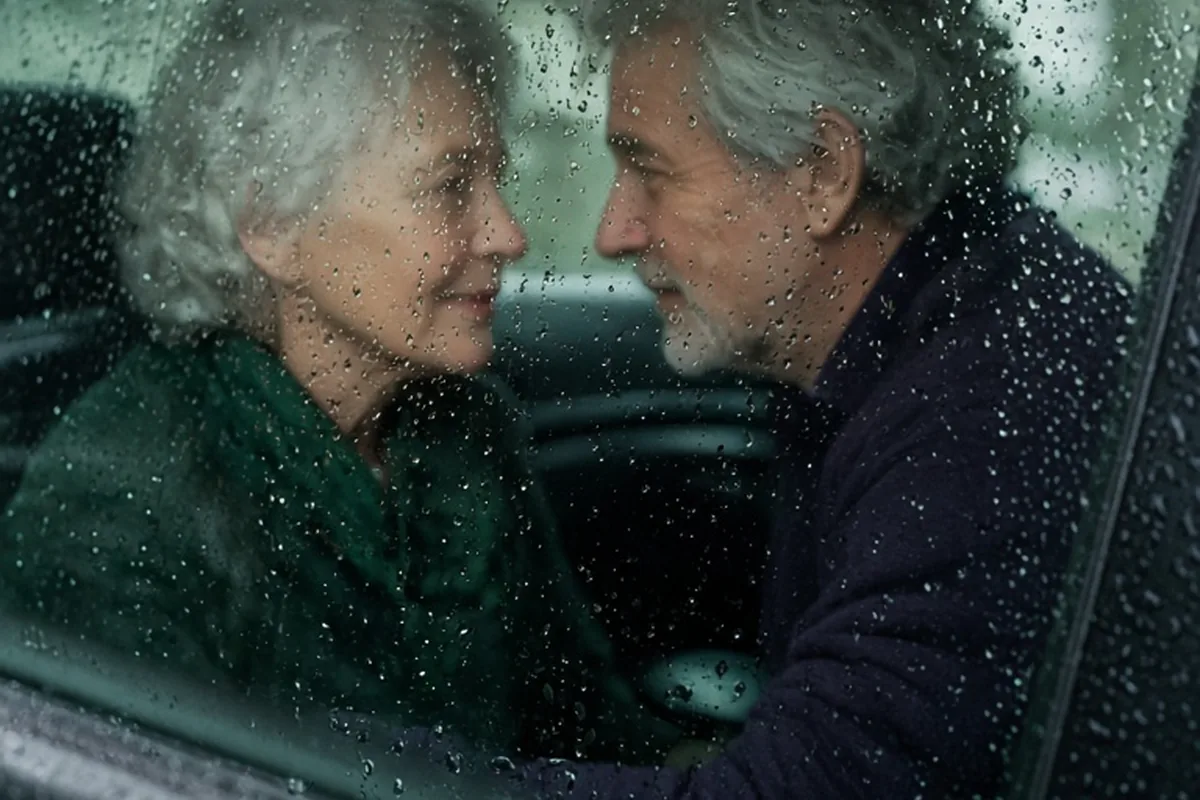
Speed dating for seniors organizes structured, face-to-face mini-dates lasting four to eight minutes each, designed specifically for older adults seeking romance or companionship. Participants rotate through conversations in a private venue or secure video breakout room, record mutual interest privately on scorecards or digital platforms, and receive matched contact information within twenty-four to forty-eight hours. It offers an efficient, low-pressure alternative to swiping on mobile dating apps.
Dating in your sixties, seventies, or beyond brings distinct advantages, including clear personal values, emotional self-awareness, and well-defined boundaries. However, meeting compatible peers can feel challenging if your social circle is settled or digital apps feel exhausting. Structured senior speed dating events solve this friction by bringing together single adults in your geographic area and age bracket for focused, real-time connection.
How Senior Speed Dating Events Actually Work from Arrival to Match Day
A traditional senior speed dating event begins with a check-in process where a host greets attendees, verifies reservations, and issues a badge with a first name or assigned number. Participants receive a scorecard or access to a mobile scoring link alongside brief orientation instructions. The host explains the timing structure, etiquette rules, and the signal used to prompt rotations—often a gentle bell, chime, or musical cue. Most events provide a brief informal mingling window before the official rounds begin so attendees can settle in comfortably.
During the rounds, seated participants remain at designated numbered tables while their partners rotate at regular intervals, typically every five to eight minutes. Organizers generally design the rotation schedule so that nobody is forced to sit out unless an uneven registration count requires a brief break round. After each mini-conversation concludes, the host pauses the room for thirty to sixty seconds to give participants time to record private notes and mark whether they wish to share contact details. At the conclusion of the event, the host collects physical scorecards or closes the digital voting window, processing mutual mutuals within one or two days.
Comparing In-Person Meetups, Commercial Speed Dating, and Virtual Video Platforms
Older adults can choose between several distinct speed dating formats depending on their mobility, local availability, technical comfort, and social goals. In-person commercial events hosted in private dining rooms, upscale lounges, or community banquet spaces provide immediate sensory feedback, allowing you to observe vocal tone, posture, and natural chemistry. These events typically feature dedicated professional hosts who keep the room organized and maintain safety, though they require travel and an upfront ticket purchase.
Virtual speed dating sessions occur over video conferencing platforms where an automated system moves participants into private breakout rooms. This format eliminates transportation barriers, accommodates individuals in suburban or rural regions, and allows you to participate from home. However, virtual formats require a reliable high-speed internet connection, good lighting, and familiarity with webcam audio. Community-based mixers organized through senior activity centers or active-adult recreation departments offer a third option, often blending structured rounds with casual group mingling at minimal cost.
- Commercial in-person events: Best for organic body language assessment, structured pacing, and high participant screening.
- Virtual video speed dating: Best for home comfort, broader regional reach, and reduced mobility demands.
- Senior recreation center mixers: Best for budget-conscious singles seeking local neighborhood connections and casual friendships.
Evaluating Senior Speed Dating Organizers and Avoiding Low-Quality Events
The success of a senior speed dating session depends heavily on the competence and screening standards of the organizing company. Reputable organizers publish clear age brackets such as 55 to 68 or 65 to 80, rather than broad ranges that mix thirty-year age gaps without attendee consent. They enforce balanced male-to-female ratios by placing waitlists on oversubscribed demographics, ensuring that ticket holders do not spend half the evening sitting alone in empty rounds.
Before booking a ticket, review the organizer's refund policy, privacy standards, and attendee verification procedures. High-quality services do not distribute full legal names, home addresses, phone numbers, or email addresses during the event itself; they exchange contact information only when two participants independently signal mutual interest. Look for organizers that host events in quiet, well-lit, accessible venues with low ambient noise, ensuring clear hearing and relaxed conversation.
Conversation Starters That Uncover Real Lifestyle Compatibility in Five Minutes
With only five to eight minutes per conversation, standard small talk about the weather or parking delays wastes valuable connection time. Conversely, intense interrogations about past divorces, financial net worth, or detailed medical histories can create unnecessary discomfort. The most effective approach focuses on lifestyle rhythms, active interests, and what brings you energy in your current stage of life.
Ask questions that reveal how a person spends their unstructured time and what values guide their daily routine. For example, asking about favorite weekend mornings, ongoing volunteer projects, travel styles, or seasonal creative hobbies opens the door to meaningful dialogue without feeling intrusive. Listen closely not just to the factual answers, but to the person's tone, curiosity, and whether they reciprocate questions or monopolize the timer.
- Inquire about daily passions: 'What project, hobby, or trip are you looking forward to over the next few months?'
- Explore lifestyle preferences: 'Are you more of an early-morning outdoor person, or do you enjoy quiet evenings at home?'
- Test cultural or recreational overlaps: 'What is the last book, concert, or local spot you genuinely enjoyed?'
Managing Physical Comfort, Hearing Conditions, and Emotional Pacing
Speed dating environments can be stimulating, involving continuous speaking and listening across an hour or two. If you wear hearing aids or find background noise distracting, arrive early to request a table positioned away from sound speakers, service stations, or kitchen doors. Do not hesitate to let your conversation partner know if you need them to speak slightly louder or face you directly so you can catch every word without straining.
Pacing your emotional energy is equally important. Meeting ten to fifteen new individuals in a single evening can cause social fatigue, particularly if you have not dated recently. Stay hydrated, take slow breaths between rotations, and treat each mini-date as a discrete, friendly chat rather than a high-stakes test. Remember that polite courtesy does not obligate you to request a match; your scorecard is private, and you retain complete control over who receives your contact details.
Navigating Red Flags, Privacy Protection, and Safe Follow-Up Dates
Personal safety remains paramount when re-entering the dating scene. During the speed dating event, never disclose your home address, financial details, account logins, or specific daily routines. Keep conversation focused on general interests and social preferences. If an attendee makes inappropriate remarks, violates personal space, or pressures you for immediate private contact details outside the scorecard system, discreetly inform the event host so they can intervene.
When you receive a mutual match from the organizer, initiate contact within a few days through a secondary communication channel, such as an email address or a dedicated phone number, before sharing your primary personal line. Arrange your first one-on-one meeting in a well-traveled public location during daylight or early evening hours, such as a local café, botanical garden, or museum bistro. Arrange your own transportation to and from the venue, and inform a trusted friend or family member about your plans.
Illustrative Scenarios
Adjusting Expectations Around Rapid-Fire Conversations
Arthur, a 67-year-old retired civil engineer, attended his first community speed dating event expecting in-depth discussions about literature and history. During the first two rounds, he attempted to explain his entire life background, leading to rushed, stressful exchanges where the bell rang before his partners could speak. Recognizing his frustration during the midpoint break, Arthur shifted his strategy. In the remaining rounds, he asked open-ended questions about how his partners enjoyed their weekends and shared a brief two-minute story about his community garden work. This balanced pacing created two mutual matches.
Key point: Speed dating is not designed to share a full biography; it serves as an initial compatibility filter to see if you enjoy each other's presence and cadence.
Overcoming Venue Noise and Communication Anxiety
Evelyn, a 62-year-old active volunteer who uses mild hearing assistance, attended a restaurant-based speed dating night. During the first round, background chatter made it difficult for her to understand her partner, causing her to feel overwhelmed and self-conscious. Rather than leaving early, Evelyn spoke with the host during a rotation. The host reassigned her to a corner table farther from the bar and suggested she mention her hearing preference upfront. When Evelyn started her next rounds with a relaxed 'I hear best when you look directly at me,' her partners happily adapted, leading to comfortable, engaging talks.
Key point: Proactive communication about physical or sensory preferences helps hosts and partners accommodate you, ensuring an enjoyable experience.
Frequently asked questions
What should I wear to a senior speed dating event?
Choose smart-casual clothing that reflects your everyday personal style while feeling polished and comfortable. Opt for breathable fabrics, comfortable footwear suitable for short standing periods or moving between tables, and avoid overly restrictive outfits or heavy fragrances.
How many mutual matches do people typically receive at senior speed dating?
Most participants receive between one and three mutual matches per session, though receiving zero or four or more matches is entirely normal depending on the group size and demographic mix. Focus on finding one authentic connection rather than aiming for a high match volume.
Are senior speed dating events only for romantic dating or also for friendship?
Many organizers include a friendship option alongside romance on their scorecards, allowing attendees to indicate platonic interest. This feature helps older adults expand their social circles, discover travel companions, or meet local activity partners without romantic pressure.
How do virtual speed dating platforms verify attendee identities and safety?
Reputable virtual organizers require pre-registration with valid email addresses and phone numbers, monitor video breakout rooms with live hosts, and enforce community conduct guidelines. They also withhold participant contact details until mutual consent is submitted through the platform's portal.
Your next step
Search for accredited speed dating organizers or active-adult recreation programs in your local area, check their age-tier policies and attendee safety standards, and reserve a spot at an upcoming session with an open, curious mindset.