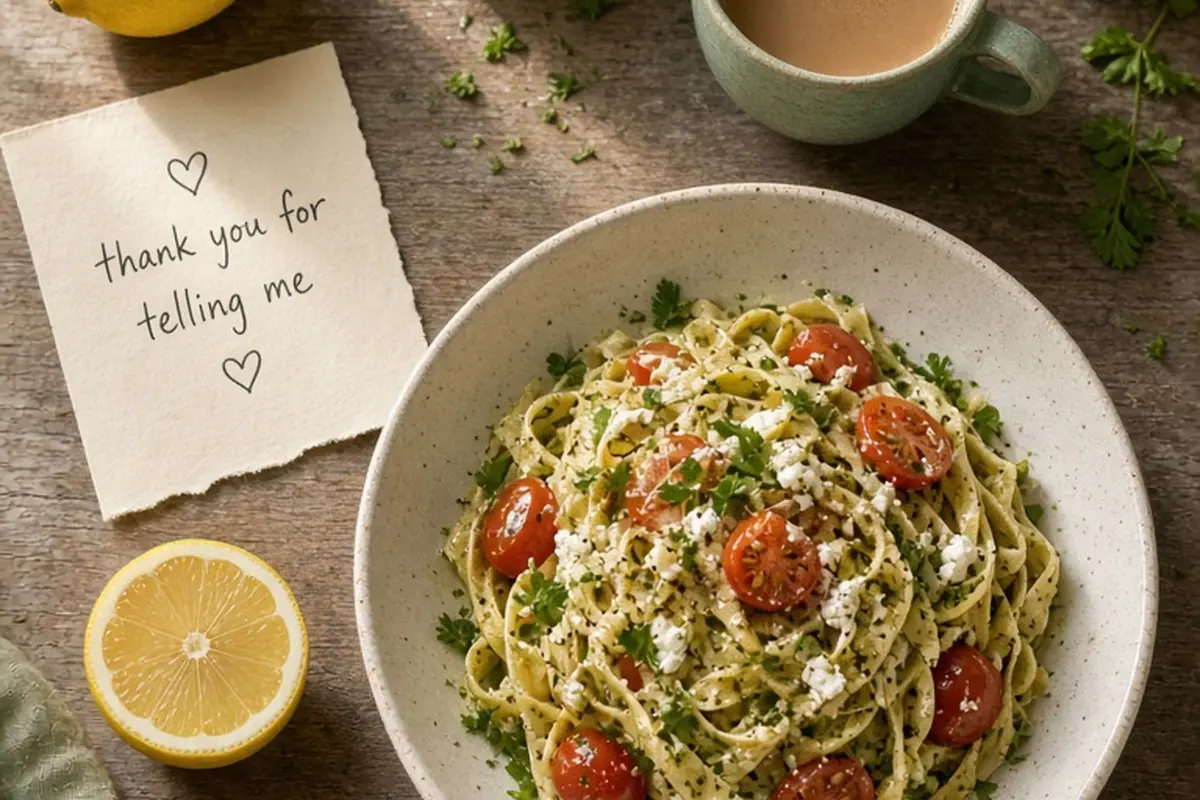
The sweetest romantic things are usually small, specific, and easy to repeat: cook her favorite meal, leave a note where she’ll find it, plan a low-pressure walk, recreate an early date, learn what makes her feel cared for, and follow through. Choose gestures that fit her comfort, not a script.
Romance lands best when it feels like attention, not performance.
Start with her map, not a generic list
The fastest way to make a romantic gesture fall flat is to copy something that was designed for a different woman. One girlfriend may love a surprise picnic because it feels playful and private; another may experience the same plan as pressure if she hates being unprepared or eating outside. Before choosing what to do, notice what already makes her relax: does she light up around music, food, nature, jokes, quiet routines, thoughtful errands, or being verbally appreciated? Those clues are more useful than any list because they tell you where affection will actually land.
A practical method is to keep a running note on your phone with three categories: things she mentions wanting, things that calm her down, and things that make her feel seen. If she says she loves a bakery, hates rushed mornings, or always saves funny videos for later, you now have material for a gesture that fits. The trade-off is that personalization takes observation over time, so you will not nail it every week. When you miss, treat it as information rather than proof that romance is pointless.
Make ordinary time feel chosen
A lot of sweet romance is not a special event; it is ordinary time with the edges cleaned up. If dinner usually means scrolling while the food gets cold, cooking one simple meal and putting both phones in another room can feel more intimate than an expensive reservation. The point is not to create a perfect evening. It is to send the message that, for the next hour, she is not competing with notifications, chores, or your half-attention.
Try building a small ritual that is easy to repeat: a Sunday coffee walk, a ten-minute check-in after work, a shared playlist for the drive, or a dessert you only eat together. Repetition matters because it turns affection into something dependable instead of a rare performance. The limit is that rituals can become stale if they turn into obligation, so keep them flexible. If she is exhausted, the romantic version may be shortening the walk and bringing takeout rather than insisting on the full plan.
Plan one date with a beginning, middle, and small surprise
A cute date does not need to be elaborate, but it helps if it has shape. Start with something familiar so she feels comfortable, add one activity that gives you both something to react to, then end with a small surprise that shows you were thinking ahead. For example: pick up coffee from the place she likes, browse a bookstore or plant shop where you can trade opinions, then finish with a handwritten note or a snack you remembered she wanted to try. The structure keeps the date from feeling like errands while still leaving room to talk.
The surprise should be small enough that it does not trap her. A flower, a photo printed from an early trip, or a shortcut to a scenic spot is usually better than a dramatic reveal that requires a big emotional response. Ask yourself whether the plan gives her an easy exit if she is tired, cold, overwhelmed, or not in the mood for public affection. Romance works better when it includes consent and flexibility, because comfort is part of what makes a gesture feel sweet rather than staged.
Use words that are specific and believable
Many men underestimate how powerful a precise sentence can be because they assume romance has to look like a movie scene. In practice, a vague compliment can slide by, while a specific one can stay with her for days. Instead of saying she looks hot, try naming what you actually noticed: the way she laughed with her whole face, the patience she showed a friend, the color that suits her, or how calm you feel when she is nearby. Specificity makes affection credible because it proves you were paying attention.
Written notes work especially well when they are short and placed where they fit naturally: inside a bag before a long day, on the bathroom mirror after a hard week, or tucked into a book she is reading. Keep the message simple, warm, and free of pressure for an immediate reply. The trade-off is that words alone cannot carry a relationship if your actions are inconsistent. A loving text helps most when it matches how you treat her when she is inconvenient, stressed, or saying no.
Keep romance affordable and sustainable
A sweet gesture does not have to compete with your rent, and it should not create a quiet debt of stress every time you want to be loving. If money is tight, choose effort that costs attention rather than cash: make breakfast before she wakes up, create a playlist around an inside joke, take photos on a walk and send her the best one, or plan a movie night with her favorite snacks already in the house. These ideas work because they reduce friction and add care, not because they look impressive online.
It also helps to separate romance from scorekeeping. If you spend more than you can afford and then become resentful, the gesture stops being a gift and starts feeling like a bill she did not agree to pay. A sustainable rhythm might be one low-cost surprise each week and one slightly bigger plan each month, adjusted around exams, work deadlines, family obligations, and energy. The limit is that cheap can become careless if it is always last-minute, so even budget romance needs a little intention.
- Cook a favorite meal and handle cleanup without announcing it.
- Leave a short note where she will naturally find it.
- Recreate a small detail from an early date.
- Plan a walk, drive, or movie night with phones away.
- Bring home a tiny treat tied to something she mentioned.
Read the moment and respect boundaries
The same gesture can feel romantic in one moment and irritating in another, so timing matters as much as creativity. If she has had a brutal day, a crowded surprise party may be less welcome than a quiet ride home and dinner handled. If she is anxious about being late, do not turn the evening into a mystery that keeps her guessing. Pay attention to signals she gives directly, and when you are unsure, ask a simple either-or question: do you want company, distraction, or space?
Respecting boundaries is not the opposite of romance; it is what makes affection safe enough to enjoy. That includes physical affection, public displays, posting photos, and surprises that involve friends or family. If she pulls back, do not argue her into appreciating the gesture. A better move is to say you wanted to make her feel cared for, ask what would help now, and adjust without sulking. The trade-off is that you may not get the reaction you imagined, but you build trust by showing that her comfort matters more than your script.
Turn good intentions into a simple rhythm
Romance gets easier when you stop relying on inspiration and build a light system around it. Keep a shared list of places she wants to try, foods she loves, songs that matter, and dates that felt easy. Once a month, pick one idea from that list and put it on the calendar like any other commitment. This protects connection from busy weeks and lowers the pressure to invent something perfect every time you want to be close.
Repair is part of the rhythm too. If you forget an anniversary, choose a restaurant she dislikes, or misread her mood, own the miss without turning it into a speech about how hard you tried. A useful repair sounds like: I got that wrong, I see why it missed, and here is what I will do differently next time. Then actually do the different thing. No gesture can guarantee a feeling, but consistent attention makes it more likely that affection will be recognized when it shows up.
Illustrative Scenarios
A composite example: the impressive plan that missed
Maya, a composite example, had a stressful week and kept saying she was fine while getting quieter each night. Her boyfriend first booked a crowded rooftop dinner because it looked romantic, then noticed she was rubbing her temples and canceling plans. He swapped it for soup at home, a short walk, phones in a drawer, and one question: do you want comfort or distraction? She chose comfort, they watched a silly movie, and he cleaned the kitchen without being asked.
Key point: A smaller plan can feel more romantic when it matches her actual capacity instead of the reaction you hoped to get.
A composite example: the note that landed
Jordan, a composite example, wanted to be more romantic but kept freezing because grand gestures felt awkward. Before a long commute, he left a note in his girlfriend’s lunch bag naming one thing he admired: how she stayed kind when she was tired. He did not ask for a reply or turn it into a big moment. She texted a heart later, then told him that night it helped because it was specific, not performative.
Key point: Specific affection often works better than intensity, especially when it asks for nothing and proves you noticed something real.
Frequently asked questions
What if I am not naturally romantic?
Start with reliability rather than flair: remember details, follow through, and make one small plan you can repeat. Romance is a skill of attention, not a personality type, and consistency usually matters more than cleverness.
How do I know which gesture she will like?
Watch what she chooses when no one is trying to impress her, then ask low-pressure questions about what helps her feel cared for. If you are unsure, offer two options so she can guide the plan without having to manage your feelings.
Are expensive dates necessary?
No. Cost can add convenience or novelty, but it cannot replace attention, timing, and respect. A thoughtful low-cost plan often beats a pricey gesture that ignores her mood, boundaries, or preferences.
What should I do if a romantic gesture flops?
Acknowledge it lightly, ask what would have felt better, and avoid turning the moment into a debate about effort. Use the miss as information for next time rather than proof that you should stop trying.
Your next step
This week, pick one detail she recently mentioned and turn it into a small plan with an easy exit, then ask afterward what part felt good.